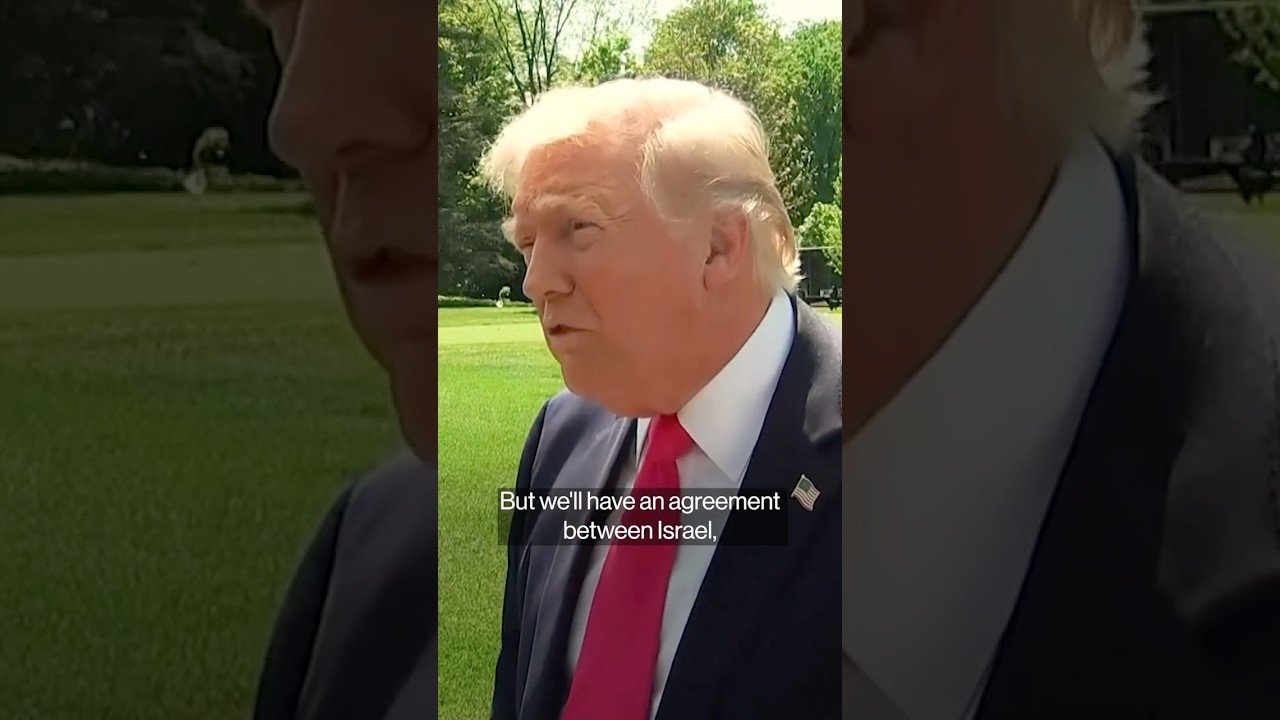
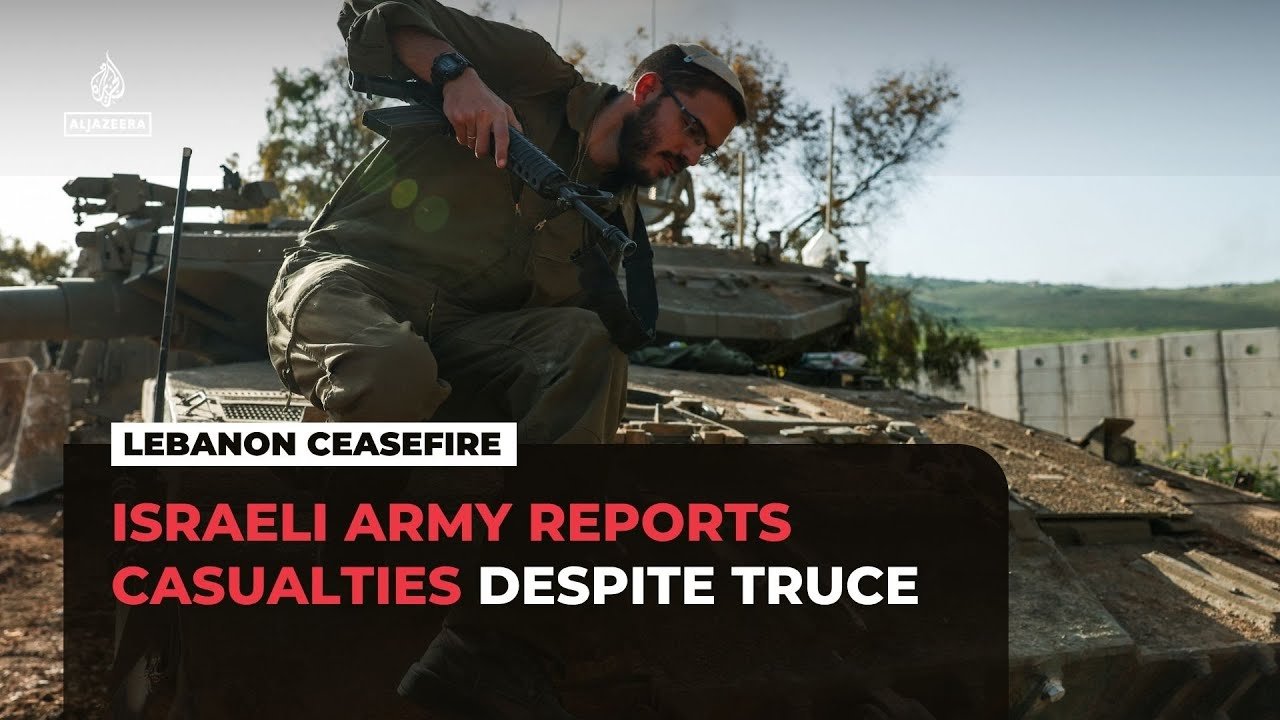
On April 16, 2026, US President Donald Trump announced a 10-day ceasefire between Israel and Hezbollah brokered by the United States. It was later reported as having taken effect, but there were already reports of alleged violations within the first day.
The truce was described as an initial 10-day cessation of hostilities, with the possibility of extension if both sides agreed and negotiations made progress.
Reuters and AP reported that the deal was tied to broader diplomacy involving Israel, Lebanon, the US, and Iran-backed Hezbollah. According to the full text released by the US State Department, the Lebanese government is committed to taking steps to prevent Hezbollah and other non-state groups from conducting hostile activities against Israel.
The agreement does not require the withdrawal of Israeli forces currently stationed in southern Lebanon. Israel said it would keep a security presence in southern Lebanon while reserving the right to self-defense.
The ceasefire was meant to create space for talks on a more durable security arrangement and border stability. Hezbollah’s posture was reported as conditional on Israel stopping military action, and early reporting suggested both sides were already accusing each other of breaches.
Iran declared Strait ‘completely open’
Shortly after, Iranian Foreign Minister Abbas Araghchi declared the Strait of Hormuz “completely open” for commercial vessels as a result of the Lebanon ceasefire. Araghchi stated that commercial ships could pass through “coordinated routes” designated by Iranian authorities.
In line with the ceasefire in Lebanon, the passage for all commercial vessels through Strait of Hormuz is declared completely open for the remaining period of ceasefire, on the coordinated route as already announced by Ports and Maritime Organisation of the Islamic Rep. of Iran.
— Seyed Abbas Araghchi (@araghchi) April 17, 2026
President Donald Trump initially welcomed the news on Truth Social, but quickly clarified that the US naval blockade on Iranian ports would remain in “full force” until a final peace deal was signed.
Just one day after the reopening, Iran’s Islamic Revolutionary Guard Corps (IRGC) announced it was closing the strait again. They cited the continued US blockade as a breach of the ceasefire terms.
Although the strait was briefly “open,” few ships successfully transited. Video footage from firms like Kpler showed several tankers turning away due to safety concerns and reports of Iranian gunboats opening fire.
The initial news of the reopening triggered a massive shift in global markets on 17 April. Oil prices plunged by over 10%. The S&P 500 and Nasdaq both hit record highs as investors hoped for an end to the energy crisis.
Airline and cruise operator stocks were among the top performers due to anticipated lower fuel costs.
Trump: “President Xi will give me a big, fat hug”
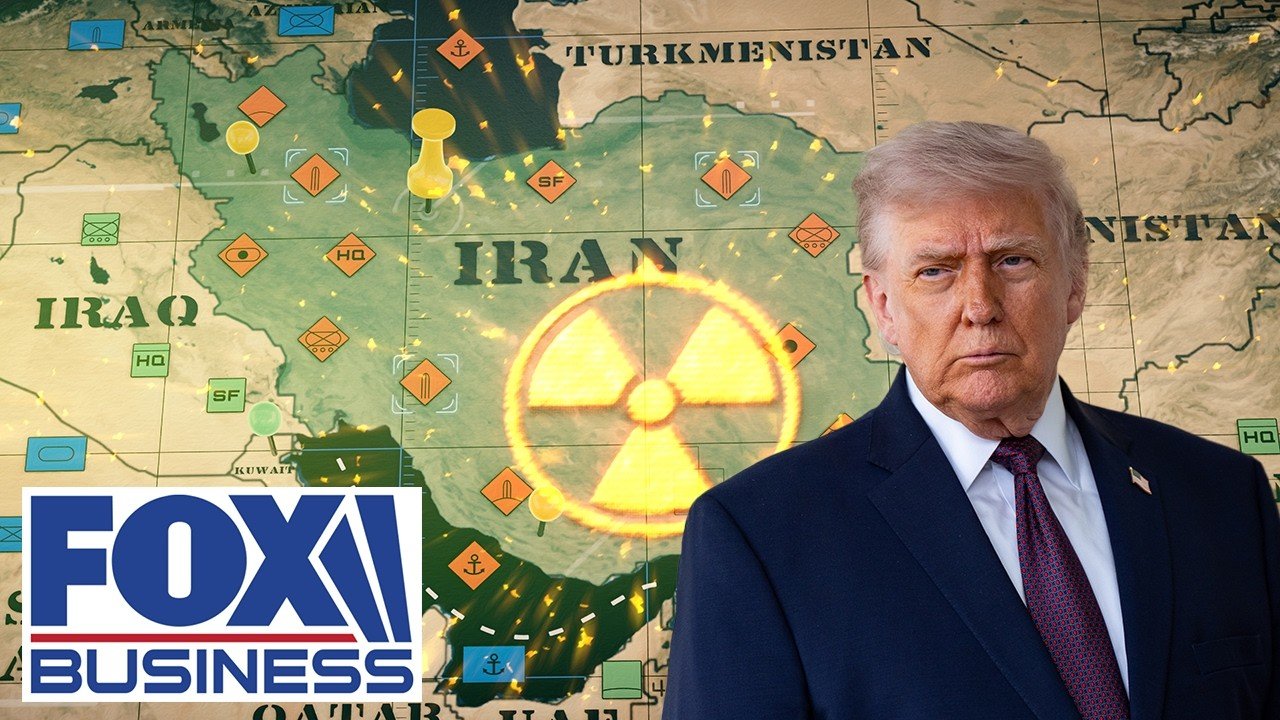
President Donald Trump had claimed a major diplomatic breakthrough on 15 April 2026 by announcing that China had agreed to stop supplying weapons to Iran. This statement was primarily shared through a series of posts on his Truth Social platform and in an early-morning interview with Fox Business.
Trump revealed he had written a letter to President Xi Jinping addressing reports of Chinese arms sales to Tehran. He claimed that President Xi responded in writing, stating that China was not providing military support to Iran.
He asserted he was “permanently opening” the Strait of Hormuz “for China too, and the World,” claiming Beijing was “very happy” about the move.
Trump predicted a warm reception during his upcoming trip to Beijing (May 14–15), stating, “President Xi will give me a big, fat, hug when I get there in a few weeks.”
During his interview with Fox Business, Trump reiterated his hardline stance, stating there would be “no deal” if Iran continued to pursue a nuclear weapon, warning that “the world will blow up” otherwise.
Current status of the Lebanon ceasefire
As of the latest reports, the Lebanon ceasefire exists but appears fragile, with continuing accusations of violations and renewed fire reported on April 21.
Israel has established a 10-kilometer-deep “Forward Defense Line” (Yellow Line) inside southern Lebanon, restricting the return of displaced civilians.
Both sides have accused each other of breaches. Reuters reported on 21 April that Hezbollah fired rockets at Israeli positions, claiming retaliation for Israeli artillery strikes on Lebanese towns. The IDF responded by striking the rocket launcher.
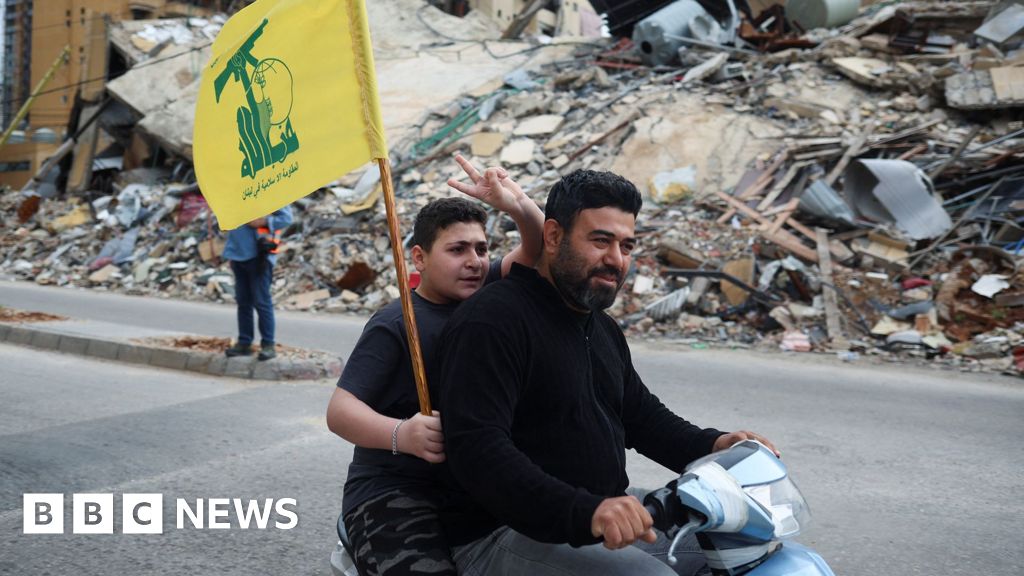
While Hezbollah is not a formal signatory, it has indicated it would respect the truce if Israel halts attacks, while simultaneously condemning the deal as “an insult”.
A second round of ambassador-level talks is scheduled for Thursday, 23 April, at the US State Department in Washington.