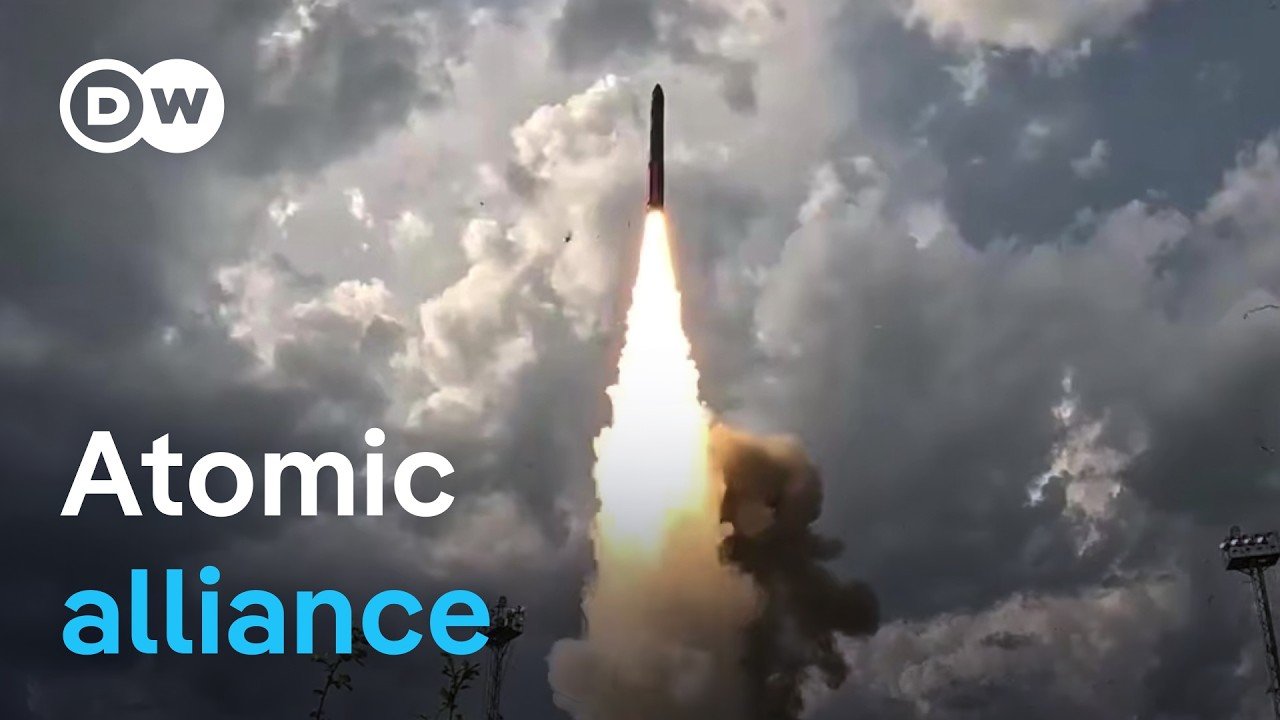
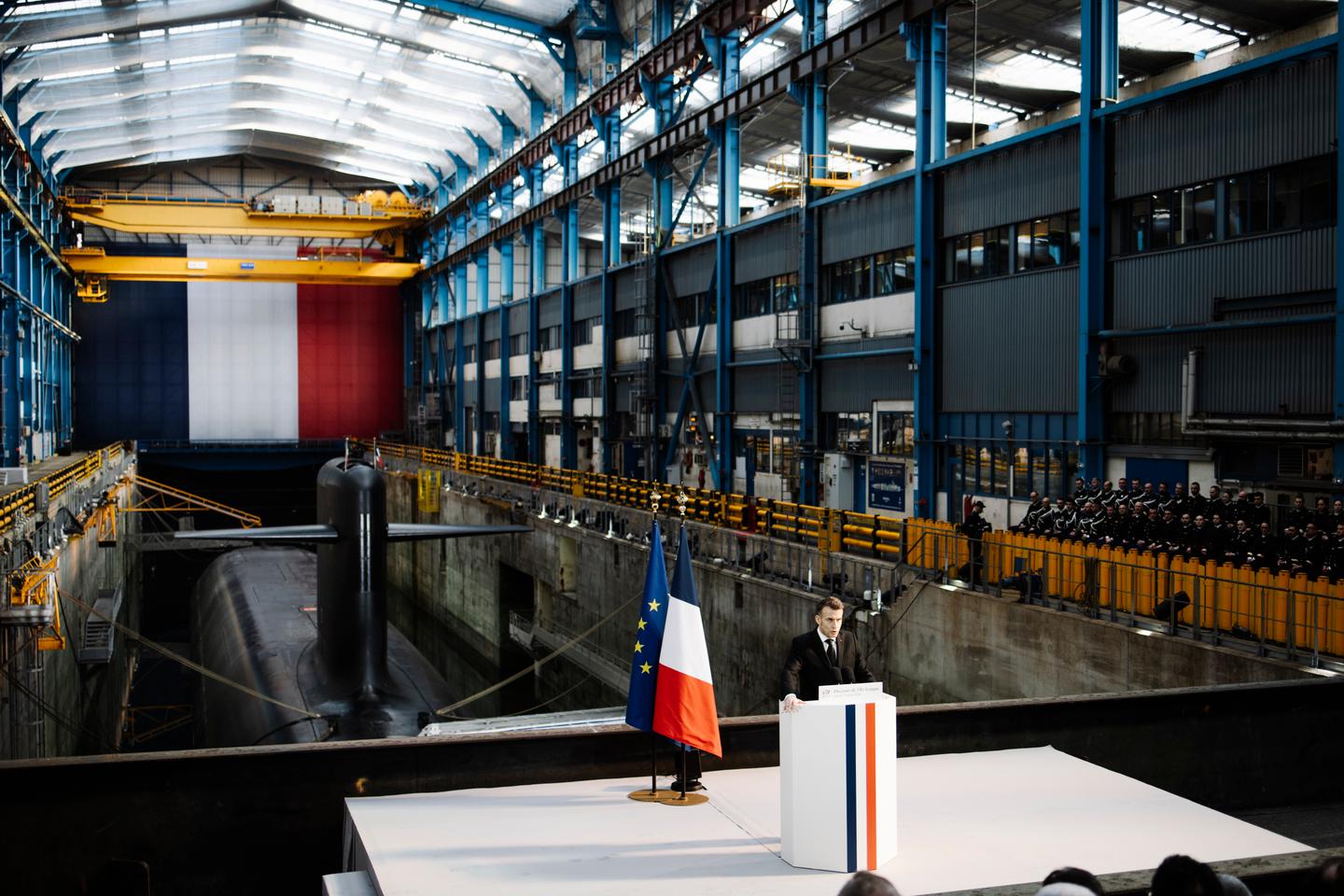
Norway has become the ninth country to join France’s “Forward Deterrence” initiative, placing the Nordic nation under the French nuclear umbrella as part of a growing European effort to strengthen regional security.
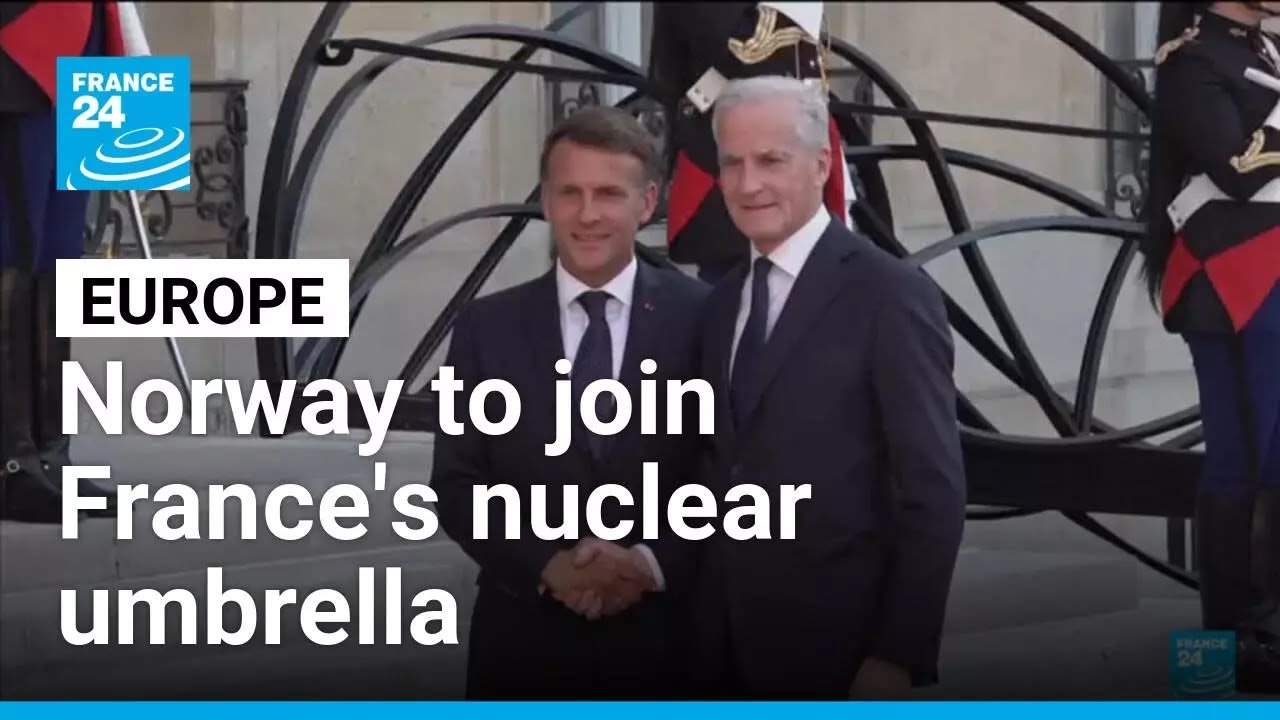
The agreement, finalized during a meeting in Paris between President Emmanuel Macron and Prime Minister Jonas Gahr Støre, marks a significant step in France’s push to expand its nuclear deterrence framework across the continent.
Strategic rationale
Norwegian officials framed the decision as a response to rising geopolitical uncertainty, including questions over the durability of U.S. security commitments and increasing tensions with Russia in the Arctic and across Europe.
Prime Minister Støre emphasized that the move is intended to complement NATO rather than replace it.
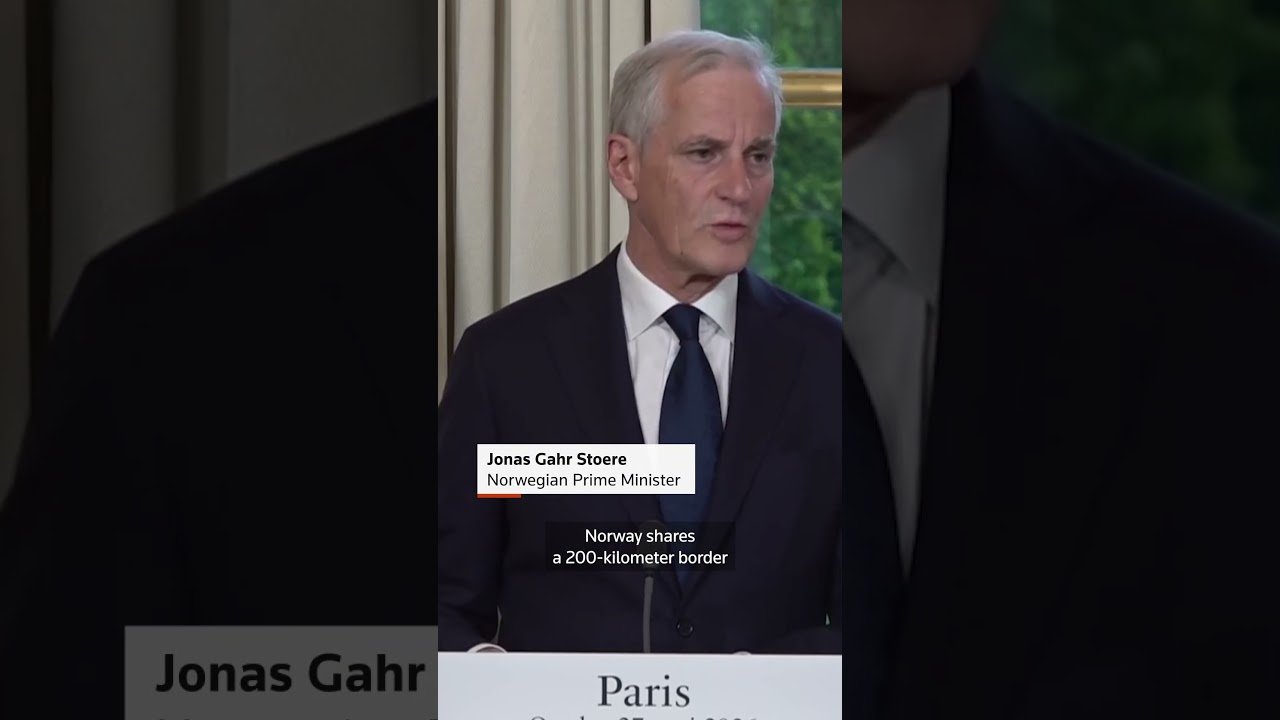
This is about strengthening Norway’s security through broader cooperation.
Norwegian Prime Minister Jonas Gahr Støre
What Norway gets — and doesn’t
Under the pact, Norway will not host nuclear weapons on its territory during peacetime and will not contribute financially to France’s nuclear arsenal.
However, Oslo will gain access to French nuclear planning and strategic consultations. It also retains the option to host French strategic air assets on a temporary basis during periods of crisis.
The arrangement is designed to strengthen deterrence by complicating the strategic calculations of potential adversaries.
Expansion of France’s nuclear umbrella
Norway is the latest country to join France’s Forward Deterrence initiative, which has expanded steadily since Paris began promoting a more European-centered nuclear doctrine.
Countries that joined following France’s push to extend its nuclear deterrence include:
- Poland and Lithuania, among the earliest participants from NATO’s eastern flank
- Germany and the Netherlands, signaling buy-in from Western Europe
- Sweden and Denmark, marking a significant shift among Nordic countries
- Belgium and Greece, further broadening the coalition in both Western and Southern Europe
- Norway, the newest member, bringing the total to nine
A broader European shift
France has positioned the initiative as part of a wider effort to bolster Europe’s strategic autonomy. It maintains one of Europe’s two independent nuclear arsenals, alongside the United Kingdom.
Paris and London also coordinate through a separate framework, the Northwood Declaration, aligning their nuclear capabilities as a broader strategic backstop.
Analysts say the expansion of France’s nuclear umbrella reflects a growing trend among European countries seeking to diversify their security arrangements while remaining within NATO.
Long-term implications
While the agreement is not expected to result in immediate operational changes, it underscores a gradual but meaningful shift in Europe’s defense posture.
As uncertainty in the global security environment persists, initiatives like France’s Forward Deterrence suggest that European allies are increasingly preparing for a more multipolar system of deterrence—one that does not rely solely on Washington.