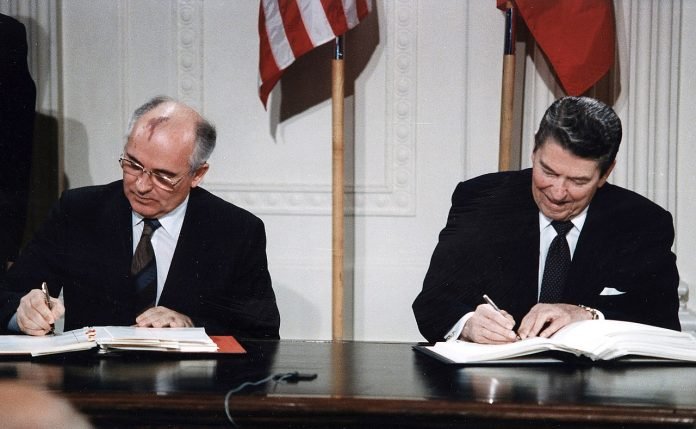
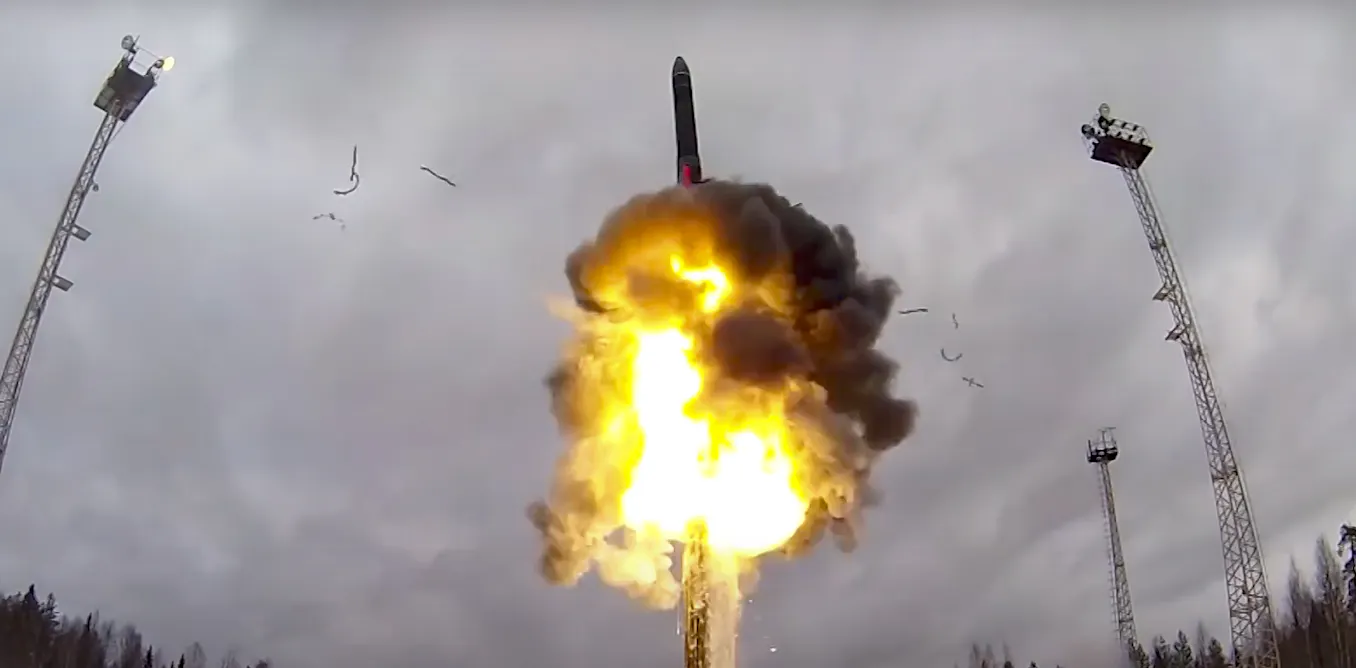
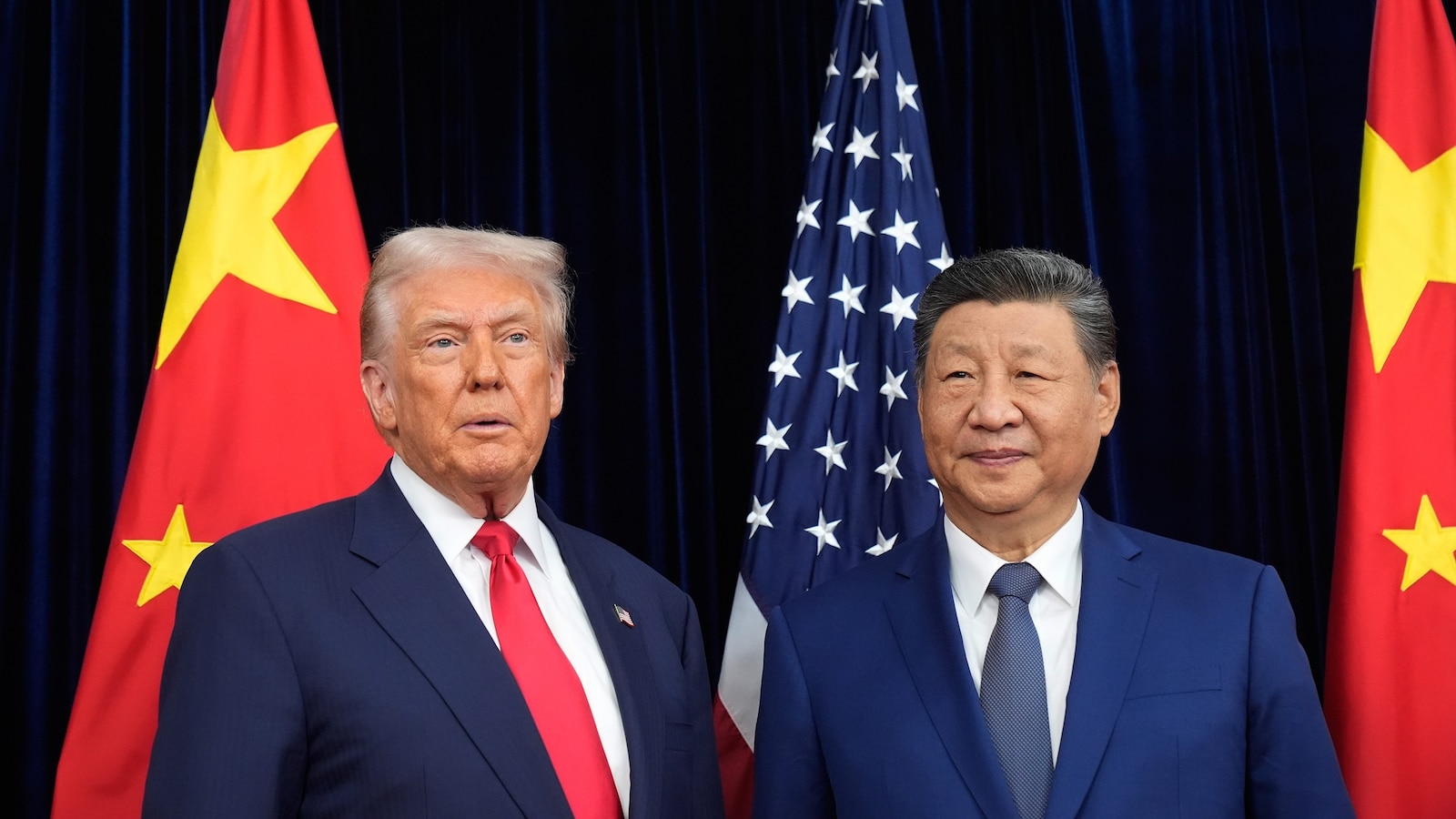
On October 30, 2025, President Donald Trump ordered the immediate resumption of nuclear weapons testing, ending a 33-year moratorium observed by the US since 1992. Trump instructed the Pentagon to begin testing on an equal basis with other nuclear-armed powers like Russia and China.
The president cited recent actions by rival nations, specifically claiming that they are already conducting tests. This follows reports of Russia testing nuclear-capable delivery systems such as the Poseidon underwater drone.
Initial confusion existed over whether the order referred to explosive nuclear detonations or system tests of delivery platforms like missiles. Energy Secretary Chris Wright later clarified that current plans involve noncritical system tests that do not feature nuclear explosions.
Trump also reiterated a desire for new negotiations to achieve eventual denuclearization, suggesting the testing order could be a negotiating tactic.
International treaties at stake
The move challenges the Comprehensive Nuclear-Test-Ban Treaty, which bans all atomic test explosions. While the US is a signatory to the treaty, it has never ratified it.
Experts from the Arms Control Association estimate it could take the US at least 36 months to prepare for actual underground explosive tests at the Nevada National Security Site. Lawmakers in Nevada, where previous tests were held, have introduced legislation to block the resumption of explosive testing.
Russia’s response
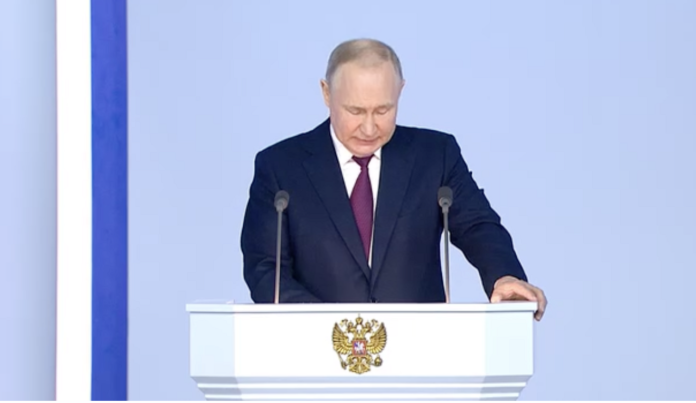
The Kremlin flatly denied Trump’s assertion that Russia is already conducting secret nuclear tests. President Vladimir Putin and Foreign Minister Sergey Lavrov both stated that Russia will only resume nuclear testing if the United States does so first.
Following Trump’s announcement, Putin instructed his Security Council and top officials to prepare proposals for Russia’s own potential nuclear tests to ensure it can respond immediately if a US detonation occurs. Kremling spokesman Dmitry Peskov emphasized that Russia is obliged to do so in order to maintain parity, calling nuclear balance the core of global security.
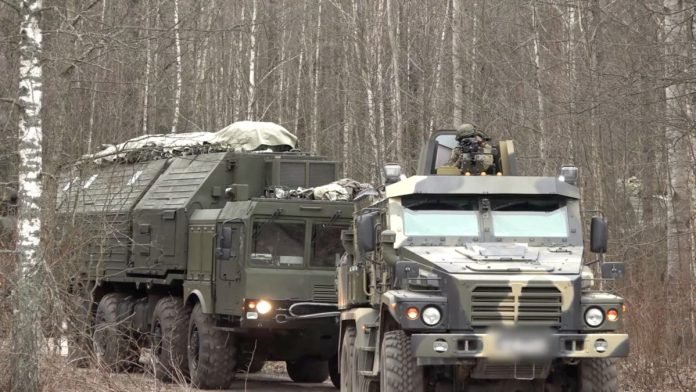
Peskov clarified that recent trials of the Burevestnik cruise missile and Poseidon underwater drone were tests of nuclear-powered delivery systems, not explosive nuclear warhead tests.
China’s response
Chinese Foreign Ministry spokeswoman Mao Ning and spokesperson Guo Jiakun flatly rejected Trump’s allegations that China has been conducting secret underground nuclear tests. Beijing reiterated its long-standing no first use nuclear policy and maintained that it has strictly adhered to the voluntary moratorium on nuclear testing since its last explosive test in 1996.
China urged the United States to earnestly abide by the Comprehensive Nuclear-Test-Ban Treaty and take concrete actions to safeguard global strategic balance rather than triggering a new arms race.
UN warns of global instability
The United Nations responded with deep concern, warning that resuming nuclear tests would jeopardize global stability and dismantle decades of progress in arms control. The UN views the US moratorium as a cornerstone of the Nuclear Non-Proliferation Treaty.
Experts at the UN fear that if the US conducts even a demonstration test, it will give other nations including Russia, China, and North Korea the political cover to follow suit, effectively ending the era of nuclear restraint.
Why it matters
Trump’s order marks the most significant shift in US nuclear policy in over three decades and risks reigniting a global arms race. The move has drawn sharp criticism from arms control advocates while raising questions about whether the order is a genuine preparation for testing or a negotiating tactic aimed at pressuring rivals into new disarmament talks.
Read more:
Russia’s final break from nuclear treaty
2025 Russia–United States Summit
Russia launches nuclear-capable missile in strike