The talks reached a critical phase in the days leading up to the February 28 strikes.
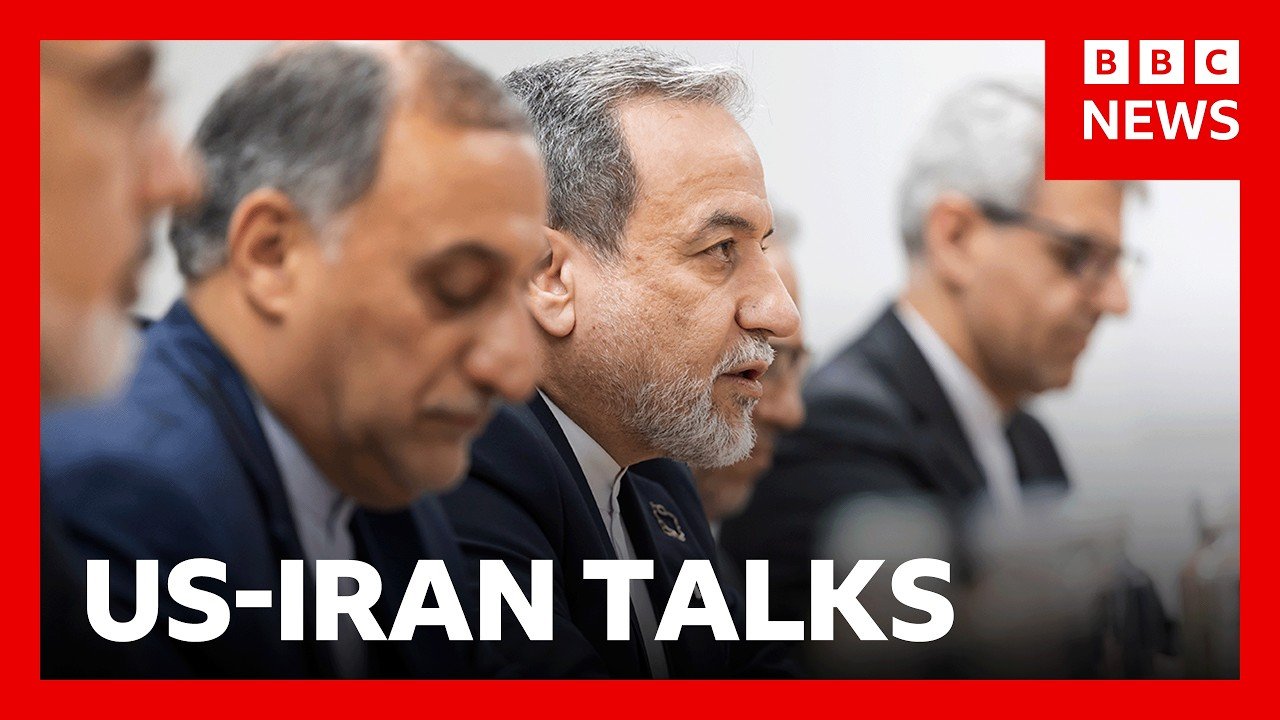
In February 2026, Indirect talks between US Special Envoy Steve Witkoff and Iranian Foreign Minister Abbas Araghchi were held in Muscat, Oman, and Geneva, Switzerland.
The White House offered to lift sanctions and support a joint civilian nuclear program with American investment in exchange for the permanent dismantling of Iran’s enrichment infrastructure.
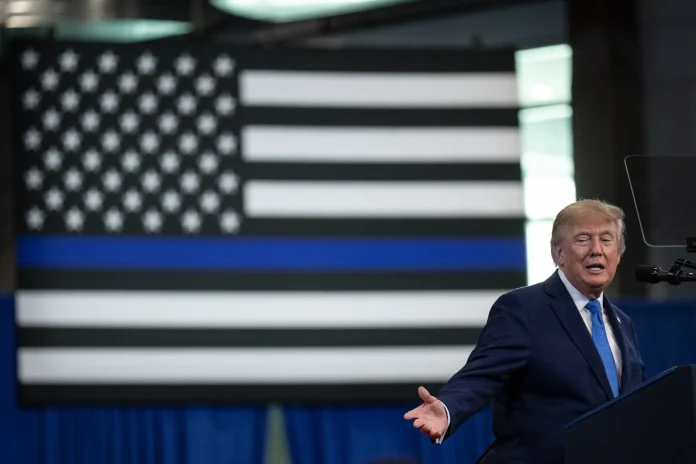
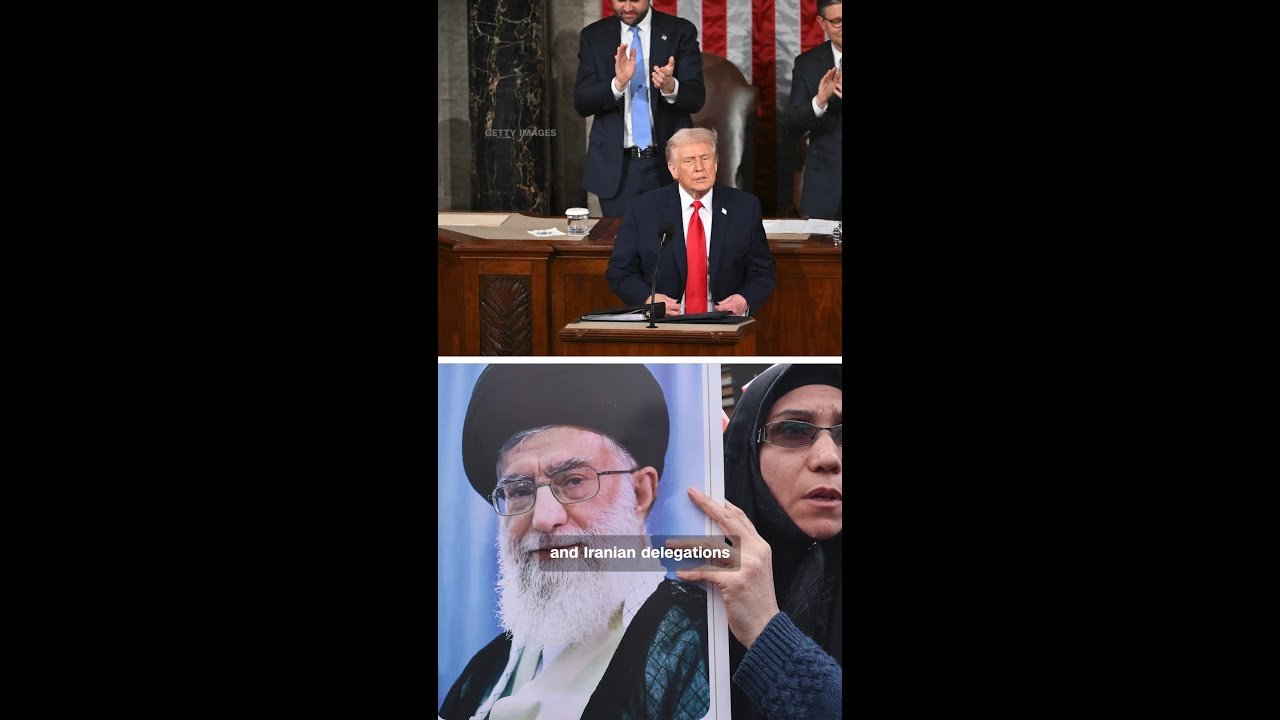
In his State of the Union address on February 24, President Trump stated that while negotiations were ongoing, the US had not yet heard the “secret words” from Iran: “We will never have a nuclear weapon”.
On February 20, President Trump issued a 10-day deadline for Iran to accept these terms. Trump later clarified to reporters that 10 to 15 days was the “maximum” timeframe he would allow for negotiations.
He stated that Iran must accept a “meaningful deal” (zero enrichment) or “really bad things” would happen.
They want to make a deal, but we haven’t heard those secret words: ‘We will never have a nuclear weapon’
US President Donald Trump during his State of the Union address
The Iranian counter-offer
On February 25, Tehran proposed a three-step plan involving temporary enrichment limits and a joint project with regional Arab states, while maintaining its right to enrich uranium for peaceful purposes.
Iran signaled via Arab diplomats its willingness to reduce enrichment and dilute existing 60% stockpiles to 3.67%.
Tehran maintained its right to peaceful enrichment under Article 4 of the NPT, which the US rejected.
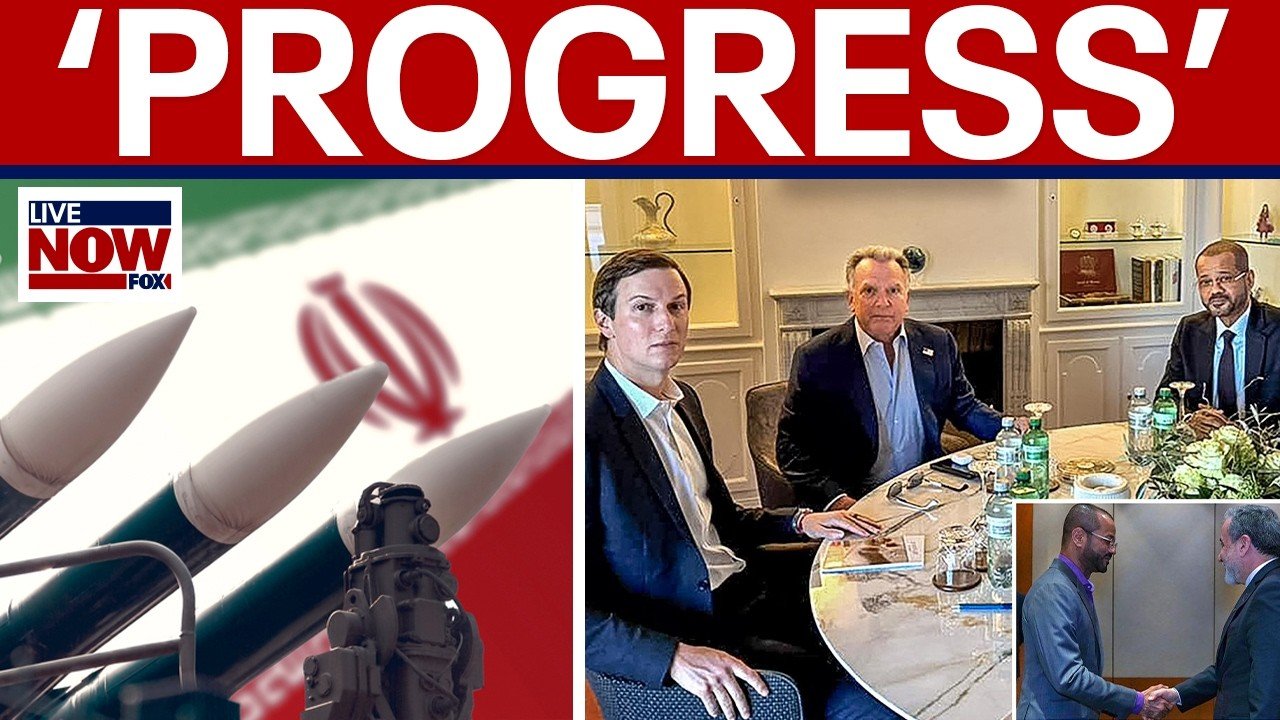
On February 26, 2026, mediators reported “significant progress,” with Oman’s Foreign Minister stating a peace deal was “within reach”.
Despite Omani claims of progress, the White House determined that Iran’s refusal to dismantle its enrichment infrastructure meant the deadline had expired.
The failure of the 2026 talks was driven by three fundamentally incompatible “red lines” that neither side was willing to bridge. While mediators from Oman saw a path to compromise, the US and Iranian leadership viewed these points as existential.
The “Zero Enrichment” mandate
The primary technical obstacle was the US demand for a permanent end to Iranian uranium enrichment.
US Special Envoy Steve Witkoff insisted that Iran must not be allowed “even one percent” of domestic enrichment capability. The administration argued that any level of indigenous enrichment provides a latent pathway to weaponization.
Iranian Foreign Minister Abbas Araghchi maintained that Iran would never forgo its right to peaceful nuclear technology under the NPT. Tehran viewed domestic enrichment as a matter of national sovereignty and scientific progress.
Scope of negotiations: Missiles and proxies
The two nations disagreed on what the talks should actually cover.
The Trump administration insisted that a “real deal” must include permanent limits on Iran’s ballistic missile program and a total cessation of support for regional proxies like Hezbollah and Hamas.
Tehran insisted on a “nuclear-only” track, similar to the 2015 JCPOA. It viewed its missile program as its “main counter” to US and Israeli conventional superiority—a non-negotiable defensive tool.
Verification and “Sunsets”
Washington sought a deal with no “sunset” provisions, meaning restrictions would never expire. They also demanded intrusive, “anytime, anywhere” inspections, including access to military sites.
Iran sought immediate and permanent sanctions relief before making irreversible concessions, such as dismantling centrifuges. Mistrust was high; Iranian officials pointed to the 2018 US withdrawal as proof that any new deal could be unilaterally discarded.
The “Weak Hand” miscalculation
A final cause of failure was a fundamental misreading of leverage.
The White House believed the Iranian regime was at its weakest point in decades due to domestic protests and the 2025 “12-Day War”. This led to a strategy of extreme pressure intended to force a total capitulation.
Instead of surrendering, Tehran engaged in military brinkmanship, such as closing the Strait of Hormuz for drills on February 17, to signal that it would rather fight than accept an “existential defeat”.
Final 48-Hour military movements*
Additional sources: Al Jazeera, Iran International, NYTimes, The Washington Post
As the February 28 deadline approached, US and Israeli forces moved from a “deterrence” posture to “pre-strike” positioning.
The USS Abraham Lincoln (CVN 72) was positioned in the Arabian Sea, approximately 422 miles south of the Iranian coast. It conducted constant flight operations with F-35C Lightning II and F/A-18 Super Hornets.
US B-2 stealth bombers were deployed to regional bases, and a massive surge in aerial refueling tankers (KC-135s and KC-46s) was observed over the Persian Gulf to support long-range missions.
The destroyer USS Frank E. Petersen Jr. and other Arleigh Burke-class ships moved into the Gulf of Oman to provide Tomahawk missile coverage of Iranian coastal defenses.
The IDF and US CENTCOM finalized target lists for Operation Epic Fury, which included over 1,000 targets across Iran, ranging from the Natanz nuclear site to IRGC command centers.
Iran’s accusations of Iran’s military buildup**
Additional sources: PBS, APNews
In the weeks preceding Operation Epic Fury (US military action against Iran), Iran’s leadership and state media characterized the US military buildup in the Middle East as a campaign of “premeditated aggression” and “psychological warfare”.
The US had amassed the largest US armada in the region since the Iraq War.
Iran responded to the arrival of the USS Abraham Lincoln and other assets with its own escalatory rhetoric.
Iran warned that the presence of the “armada” turned all US bases in the Middle East including those in Qatar, UAE, and Bahrain into “legitimate targets” for the IRGC.
During the February 17 Geneva talks, Supreme Leader Ali Khamenei personally threatened US warships, stating Iran was “capable of sinking” them and that even the strongest army could be “slapped so hard it cannot get up”.
State-linked media released AI-generated videos depicting the simulated destruction of the USS Abraham Lincoln by swarms of drones and hypersonic missiles to signal they would not be intimidated.
Read also:
US–Israel launch coordinated strikes on Iran, killing supreme leader
Iran forms transition government with three-member interim council
FT report: Iran inks secret shoulder-fired missiles with Russia