In early January 2026, Russia carried out its second known combat launch of the Oreshnik, a nuclear-capable hypersonic intermediate-range ballistic missile, striking western Ukraine as tensions with the West deepened and peace efforts showed signs of movement.
Russia’s Defense Ministry said on 9 January 2026 that it had fired the missile at targets in western Ukraine, including drone-production and energy infrastructure. The strike was widely seen as a warning signal from President Vladimir Putin at a moment when US-led diplomatic efforts were gaining traction. It was only the second time Moscow had used the Oreshnik in the war.
Alleged drone strike on Putin’s residence
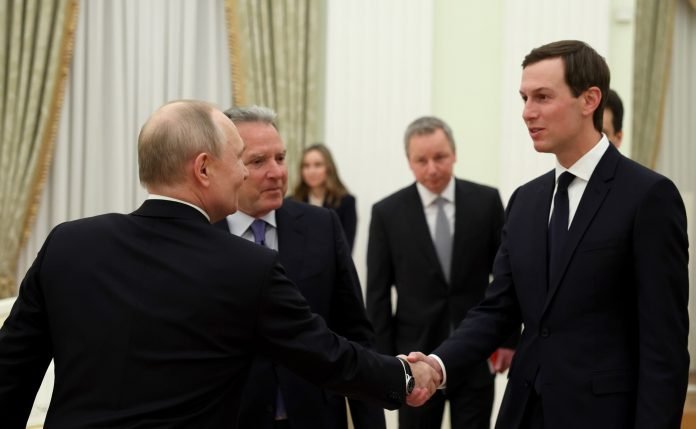
Moscow said the attack was retaliation for an alleged Ukrainian drone strike on one of Putin’s residences in late December 2025. Kyiv denied the accusation, and US intelligence reportedly did not support Russia’s claim.
Around the same time, Russia said it had deployed the missile system in Belarus, with President Alexander Lukashenko saying up to 10 such systems could eventually be stationed there, sharply cutting warning times for European capitals.
Deadly simultaneous attacks
The missile struck the Lviv State Aviation Repair Plant, about 40 miles from the Polish border, a sensitive NATO frontier. Ukrainian assessments suggested the warhead used in the strike was inert, indicating the attack was intended more as a political message than a destructive battlefield strike. Mayor Andriy Sadovyi said a critical infrastructure site had been hit but reported no casualties or injuries in Lviv.
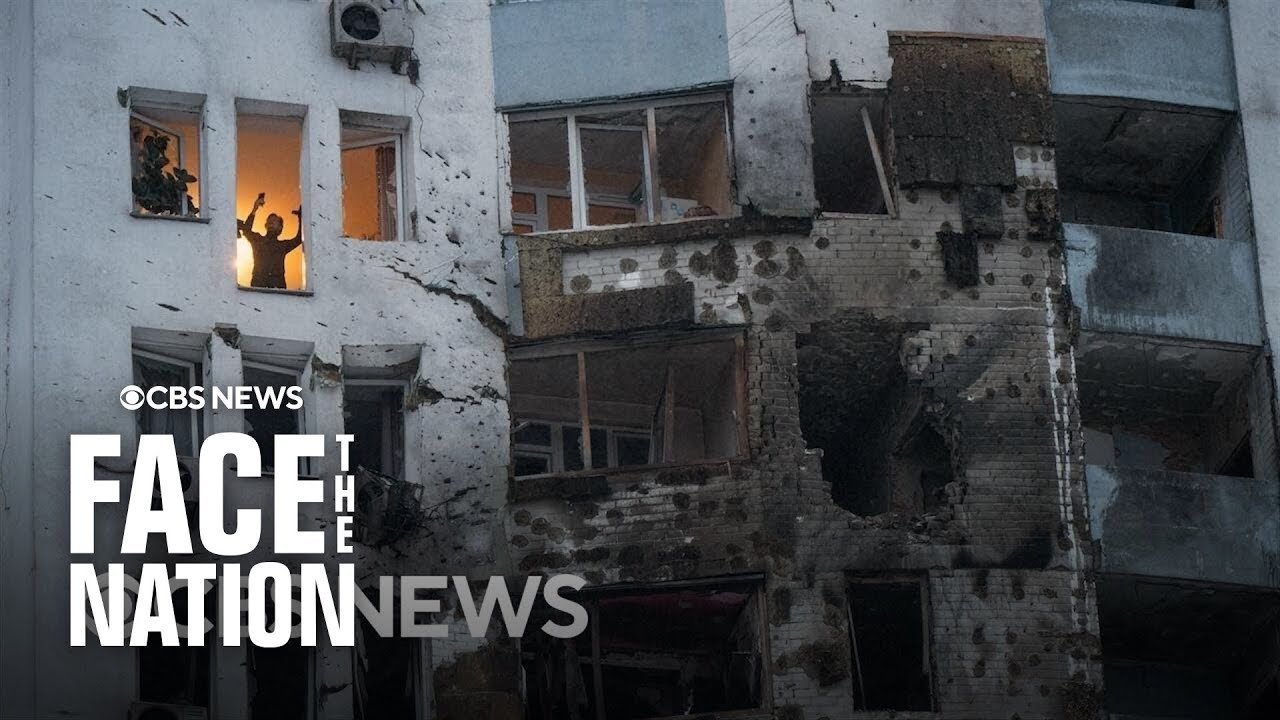
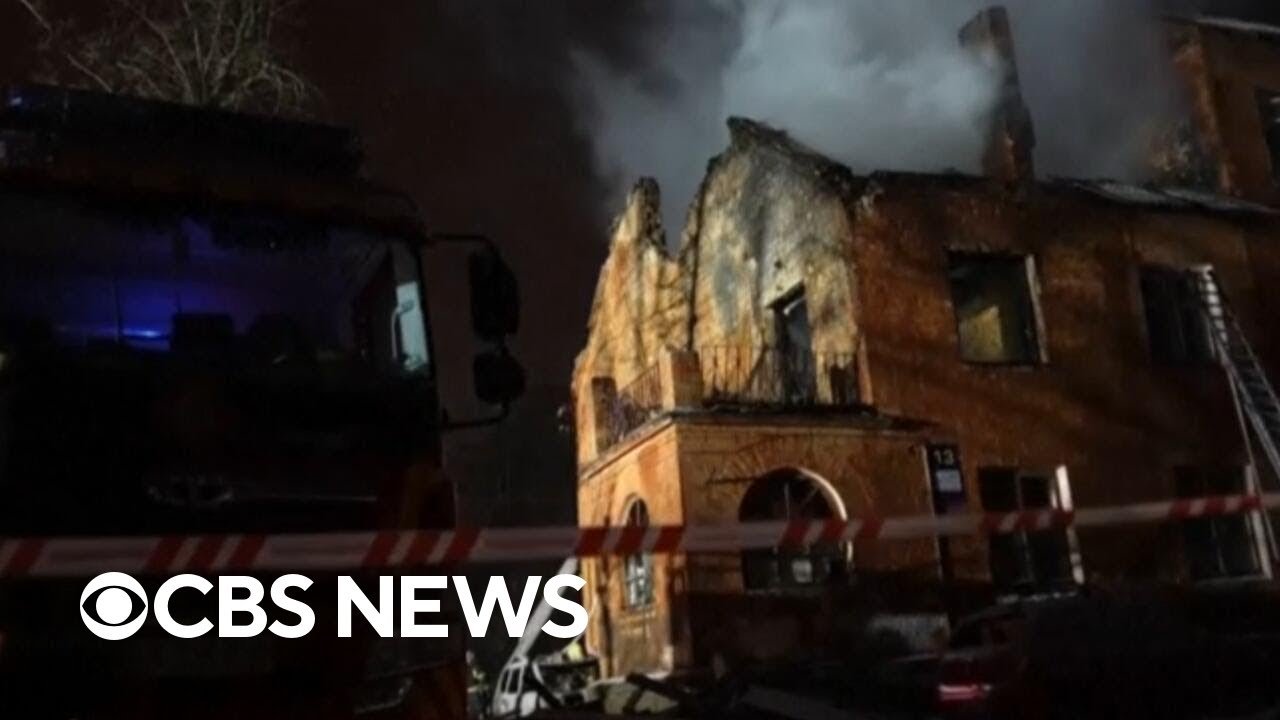
The Oreshnik strike was part of a much broader overnight barrage that included more than 240 drones and missiles. In Kyiv, at least four people were killed and more than 20 injured. Among the dead was emergency medic Serhiy Smoliak, who was reportedly killed in a second “double-tap” strike while helping survivors.
Ukraine’s reaction
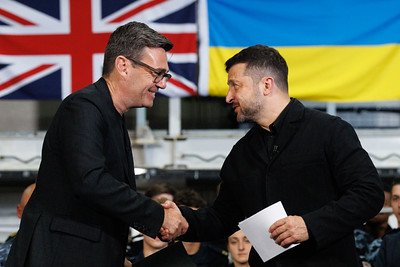
Ukraine’s Foreign Minister Andrii Sybiha called the attack a grave threat to European security and dismissed Russia’s explanation as fantasy. President Volodymyr Zelenskyy said the world needed a clear response, arguing that Russia should face consequences every time it chooses destruction over diplomacy.
Global condemnation
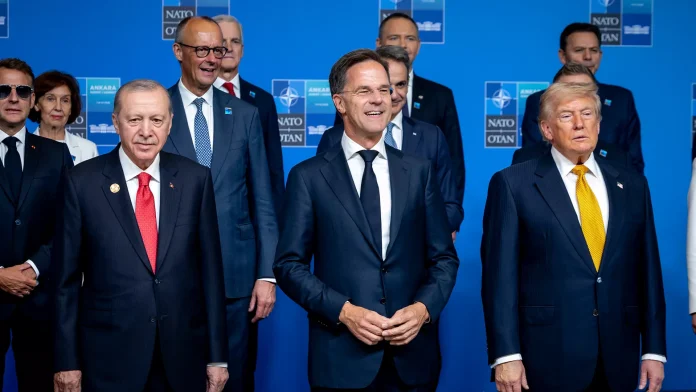
The strike drew swift condemnation from major powers. At an emergency UN Security Council meeting, US Deputy Ambassador Tammy Bruce called it a dangerous and inexplicable escalation, while Britain’s acting ambassador James Kariuki described the launch as reckless and warned of the risk of miscalculation. Britain, France, and Germany issued a joint statement calling the attack escalatory and unacceptable, and EU foreign policy chief Kaja Kallas said it showed Putin did not want peace. NATO Secretary General Mark Rutte said the alliance would not be intimidated.
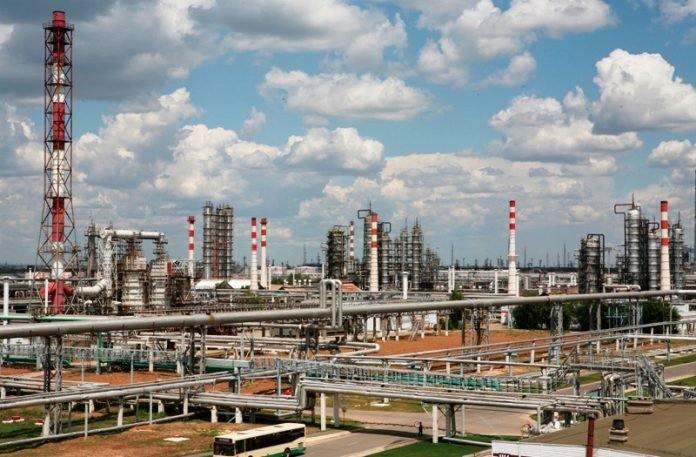
The attack also sharpened debate in Washington over tougher sanctions. President Donald Trump signaled support for a hard-hitting sanctions package aimed at countries that buy Russian oil, including China and India. The proposed legislation, known as the Sanctioning Russia Act, would give him authority to impose tariffs of up to 500 percent on imports from countries doing business with Russia’s energy sector.
The bigger context
The strike came after Russia formally said in August 2025 that it no longer considered itself bound by the self-imposed moratorium on intermediate-range missiles. It also followed Trump’s October order for the US military to prepare to resume nuclear weapons testing after a 33-year pause, underscoring the wider deterioration in strategic stability.