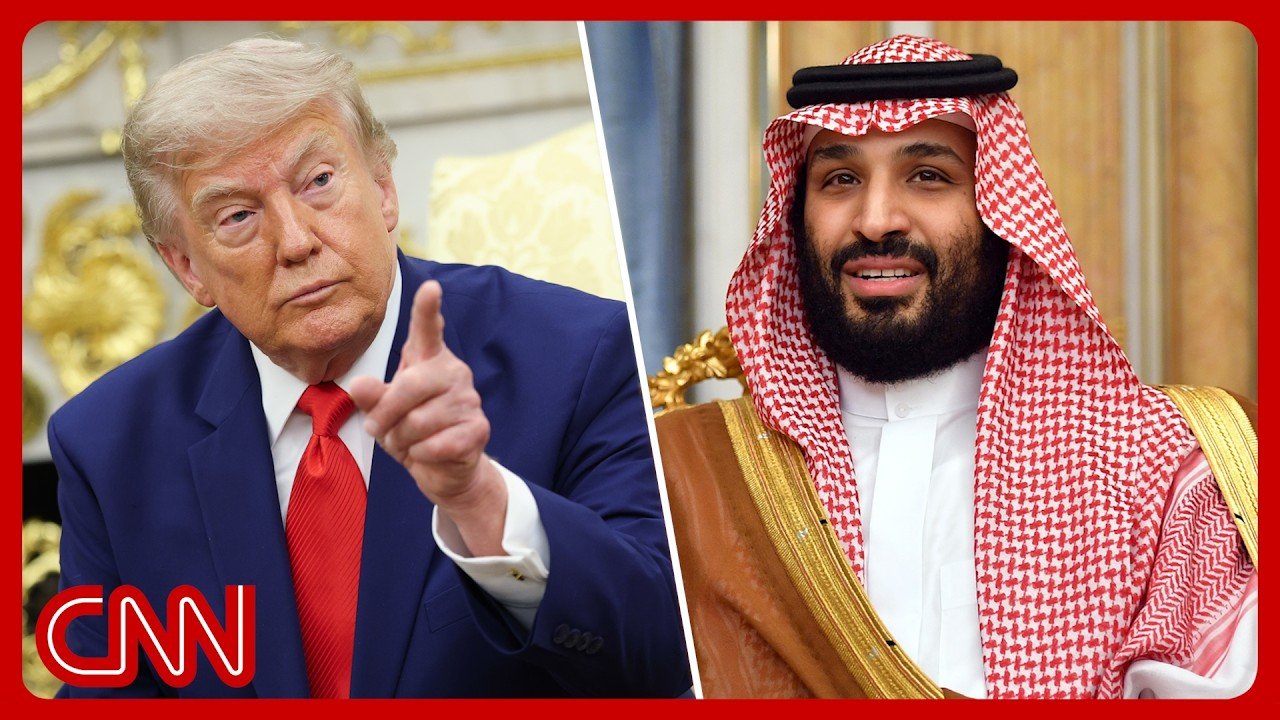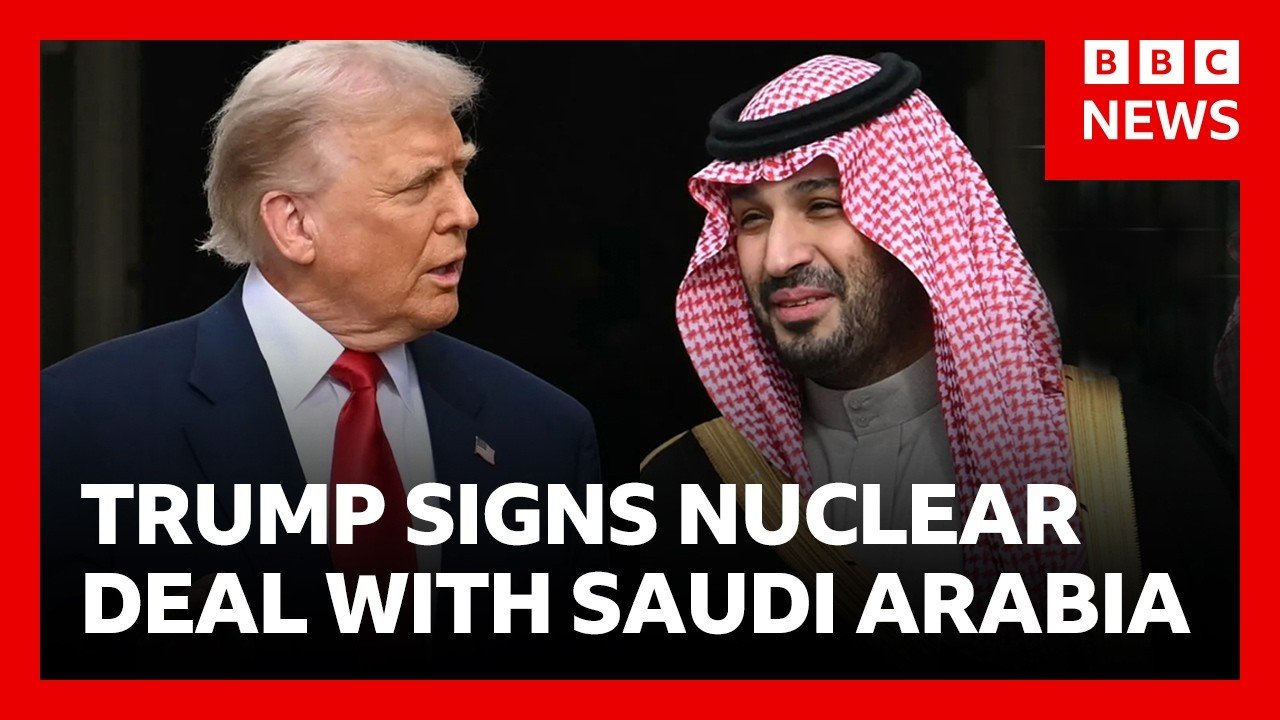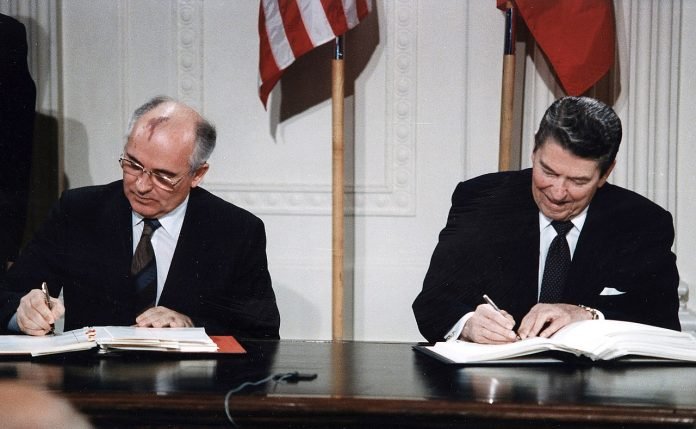


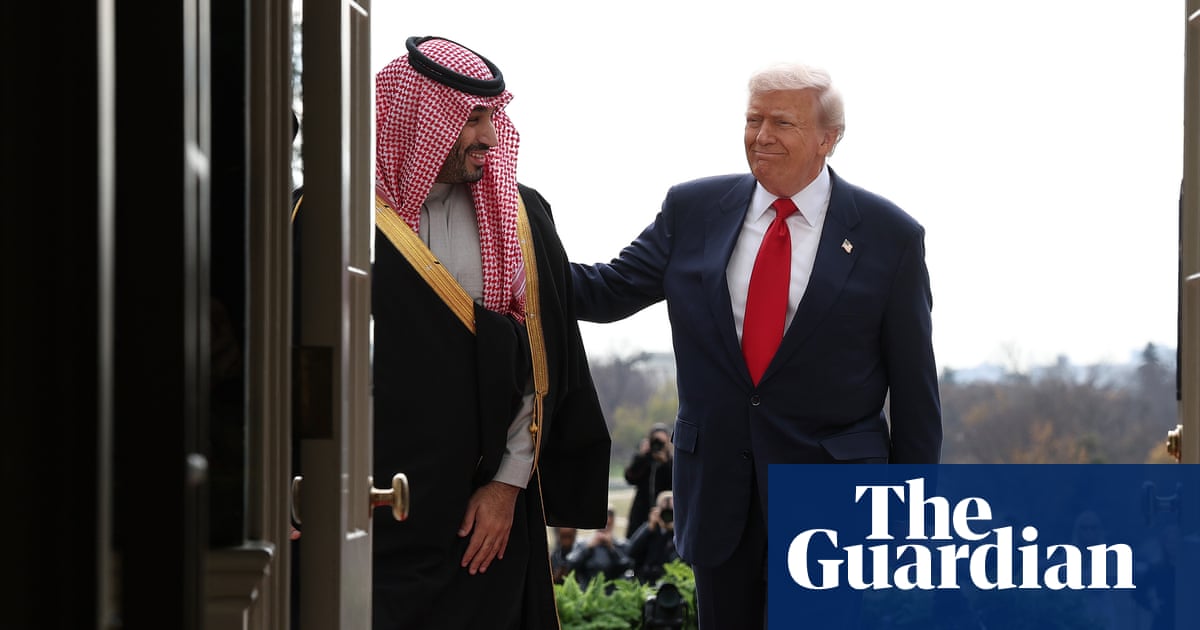
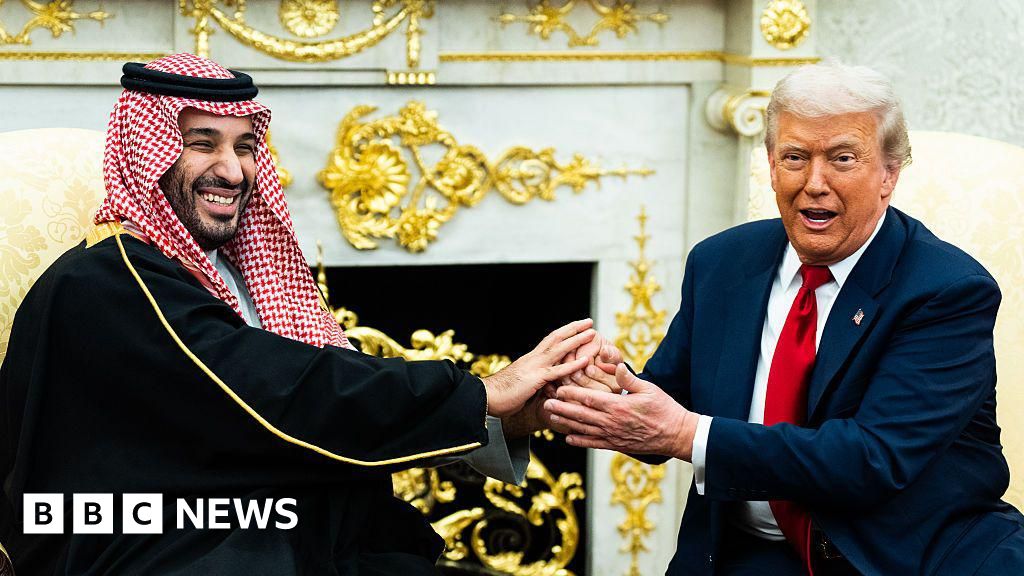


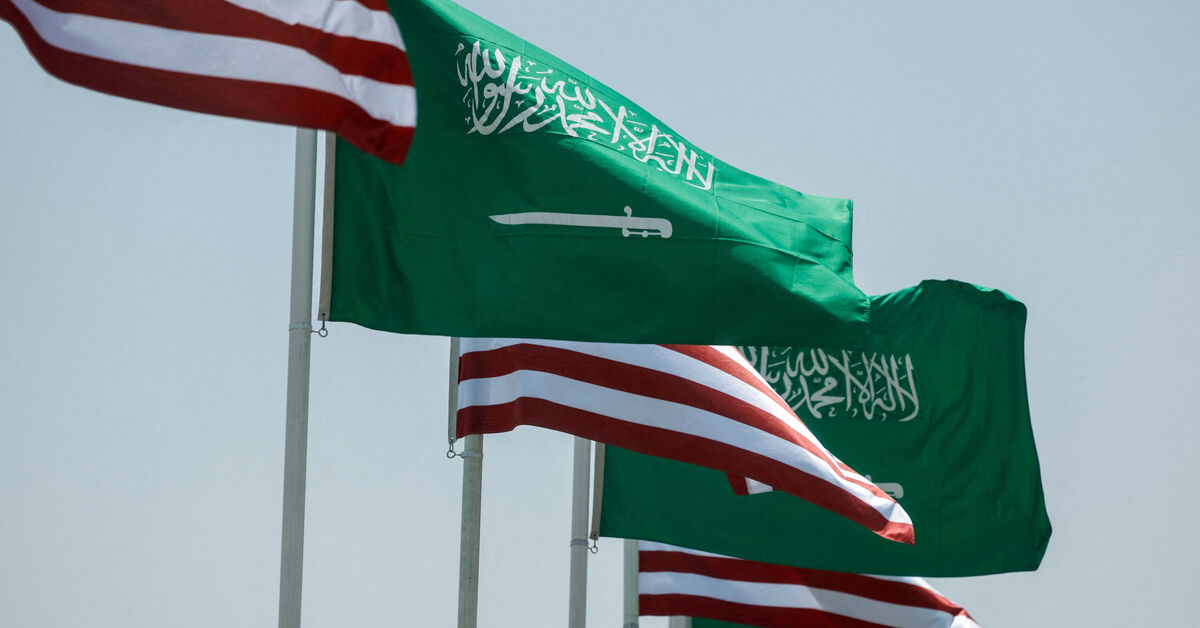
The Trump administration has officially signed a landmark 30-year civilian nuclear cooperation agreement with Saudi Arabia, a move that cements a multi-billion-dollar partnership between Washington and Riyadh while igniting fierce debate over nuclear proliferation in the Middle East.
Announced on July 22, 2026, the Section 123 Agreement — named after the relevant clause in the US Atomic Energy Act of 1954 — allows American nuclear companies to export technology, materials, and expertise to help Saudi Arabia develop a domestic nuclear energy program.
The deal was signed by US Energy Secretary Chris Wright and Saudi Energy Minister Prince Abdulaziz bin Salman.
Key Provisions of the Agreement
Domestic Uranium Enrichment Pathway
In a departure from previous US nuclear accords, the agreement provides a legal pathway for Saudi Arabia to potentially enrich uranium on its own soil, a capability that could be repurposed for weapons development. A joint US-Saudi study over the next two years will assess whether a domestic enrichment facility is warranted.
If approved, the facility would be built by American companies under a highly restricted “black box” arrangement. This system is designed to limit the transfer of sensitive nuclear technology while allowing Saudi operators to manage day-to-day operations.
Commercial and strategic wins
The deal is estimated to be worth tens of billions of dollars over its 30-year lifespan, guaranteeing that US nuclear firms — including Westinghouse Electric — will play a central role in building Saudi Arabia’s nuclear infrastructure.
From a strategic perspective, the agreement effectively blocks competitors like China and Russia from securing a nuclear foothold in the region. US officials have framed the deal as both a commercial victory for American industry and a counterweight to geopolitical rivals seeking influence in the Gulf.
Decoupled from Israel Normalization
Under previous negotiations, particularly during the Biden administration, nuclear cooperation was explicitly tied to Saudi Arabia establishing diplomatic ties with Israel. The Trump administration has uncoupled these provisions, allowing the nuclear pact to proceed independently amid stalled regional diplomacy.
Nonproliferation concerns and oversight gaps
No “Gold Standard” safeguards
The agreement deliberately omits the so-called “gold standard” clause—a strict provision previously accepted by the United Arab Emirates that completely bars a nation from domestic uranium enrichment and spent fuel reprocessing.
Energy Secretary Chris Wright has defended the deal, stating that it contains all nonproliferation standards required under the Atomic Energy Act, which he described as “among the strongest in the world.” However, critics argue that the absence of the gold standard represents a significant rollback of US nonproliferation policy.
Limited IAEA oversight
Rather than adopting the International Atomic Energy Agency’s (IAEA) “Additional Protocol” — which allows for intrusive, short-notice inspections at undeclared locations — the deal relies on a custom bilateral safeguards agreement.
This arrangement has raised concerns among nonproliferation experts that the US is weakening transparency mechanisms at a time when regional tensions are already elevated.
Senator Chris Murphy (D-Conn.) warned that the agreement would “set off a nuclear race in the region, further disincentivizing Iran from limiting its own program”.
Geopolitical implications and regional fallout
Risk of a nuclear arms race
Nonproliferation experts and lawmakers from both parties have warned that allowing Saudi Arabia to develop enrichment capabilities — even under restrictions — could trigger a cascade of similar ambitions across the Middle East.
The concern is amplified by Crown Prince Mohammed bin Salman’s past statements that the kingdom would pursue nuclear weapons if Iran were to do so. With US-Iran hostilities ongoing, analysts warn the deal could introduce new strategic instability to an already volatile region.
Israel, which maintains a secretive nuclear arsenal, has reportedly expressed concerns that the deal could accelerate a regional arms race, according to multiple diplomatic sources.
Broader strategic context
The agreement is part of a wider effort to strengthen US-Saudi ties amid shifting global dynamics. Reports suggest the nuclear deal may be accompanied by discussions of broader security guarantees and economic integration, positioning Riyadh as a key US partner in a post-Iran regional order.
However, the precedent set by allowing enrichment could complicate US diplomatic efforts elsewhere. Egypt and Turkey, both pursuing ambitious civilian nuclear programs, may cite the Saudi deal to justify their own enrichment ambitions, potentially undermining decades of nonproliferation norms.
Congressional review and political hurdles
The agreement now heads to Congress for a mandatory 90-day review period before it can take effect. During this time, lawmakers can attempt to block the deal, but doing so would require a veto-proof two-thirds majority in both the House and Senate—a high bar that makes outright rejection unlikely.politico+1
Democrats have already signaled strong opposition, with several members vowing to introduce resolutions of disapproval. However, Republican leadership is expected to support the administration’s position, framing the deal as essential to maintaining US influence in the Gulf.
Background: Saudi Arabia’s nuclear ambitions
Saudi Arabia has long pursued civilian nuclear energy as part of its Vision 2030 economic diversification plan, which aims to reduce the kingdom’s dependence on oil. The kingdom has signed nuclear cooperation agreements with multiple countries, including France, South Korea, and China, but has yet to break ground on any major nuclear power plant.
The US deal represents the most significant step yet toward realizing those ambitions, offering access to American technology and expertise that could accelerate the kingdom’s nuclear timeline. However, the controversy surrounding enrichment capabilities may complicate international partnerships and financing.
What comes next
The joint US-Saudi study on domestic enrichment will be a critical early test of the agreement’s implementation. Its findings, expected within two years, will determine whether Saudi Arabia moves forward with building an enrichment facility and under what conditions.
In the meantime, the deal will face intense scrutiny from Congress, nonproliferation advocates, and regional allies. Whether it ultimately strengthens US strategic positioning or accelerates nuclear proliferation in the Middle East may depend on how its most controversial provisions are interpreted and enforced in the years ahead.