Norway joins France’s nuclear umbrella as ninth member

Jump to Timeline

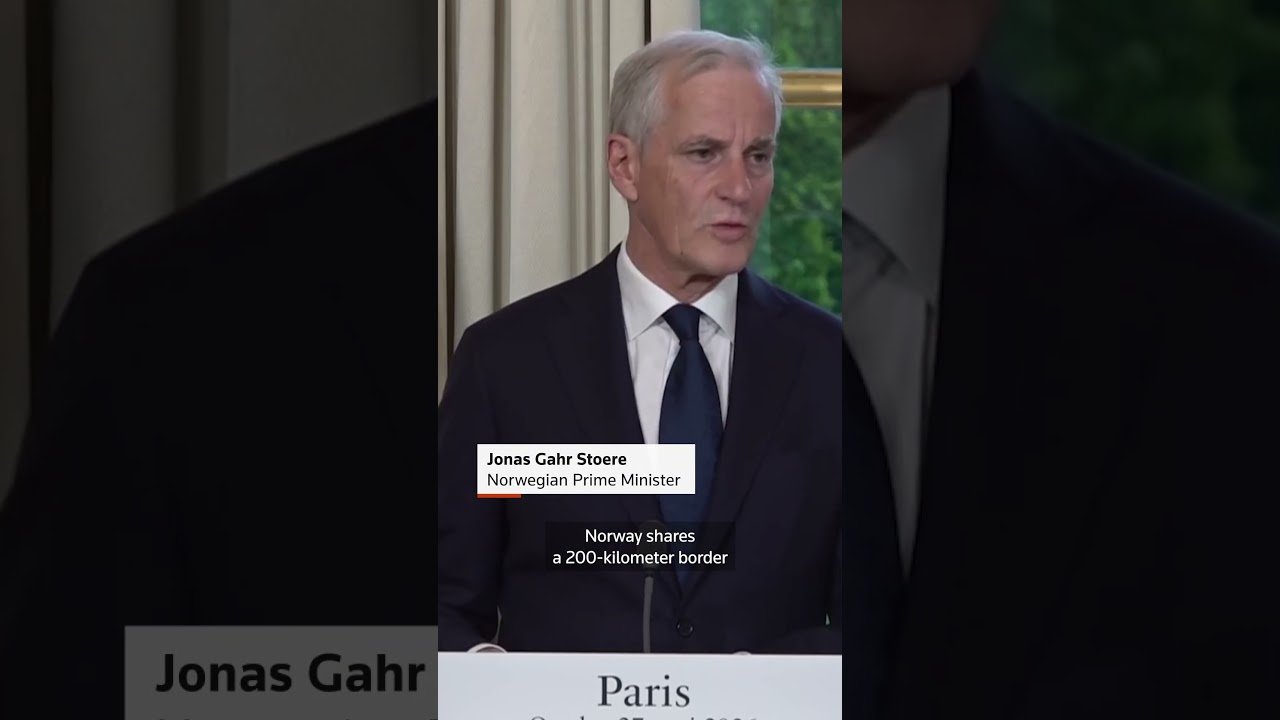
Norway has become the ninth country to join France’s “Forward Deterrence” initiative, placing the Nordic nation under the French nuclear umbrella as part of a growing European effort to strengthen regional security.

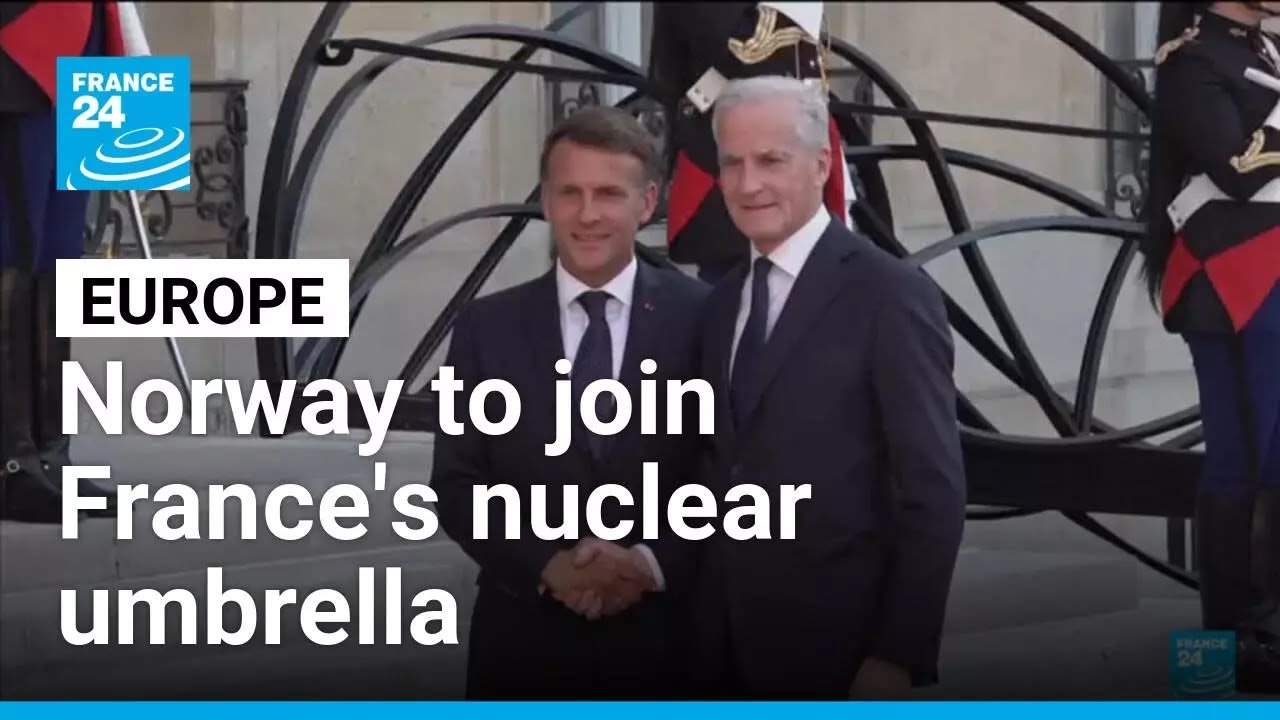
The agreement, finalized during a meeting in Paris between President Emmanuel Macron and Prime Minister Jonas Gahr Støre, marks a significant step in France’s push to expand its nuclear deterrence framework across the continent.

Strategic rationale

Norwegian officials framed the decision as a response to rising geopolitical uncertainty, including questions over the durability of U.S. security commitments and increasing tensions with Russia in the Arctic and across Europe.

Prime Minister Støre emphasized that the move is intended to complement NATO rather than replace it.

This is about strengthening Norway’s security through broader cooperation.

Norwegian Prime Minister Jonas Gahr Støre

What Norway gets — and doesn’t

Under the pact, Norway will not host nuclear weapons on its territory during peacetime and will not contribute financially to France’s nuclear arsenal.

However, Oslo will gain access to French nuclear planning and strategic consultations. It also retains the option to host French strategic air assets on a temporary basis during periods of crisis.

The arrangement is designed to strengthen deterrence by complicating the strategic calculations of potential adversaries.

Expansion of France’s nuclear umbrella

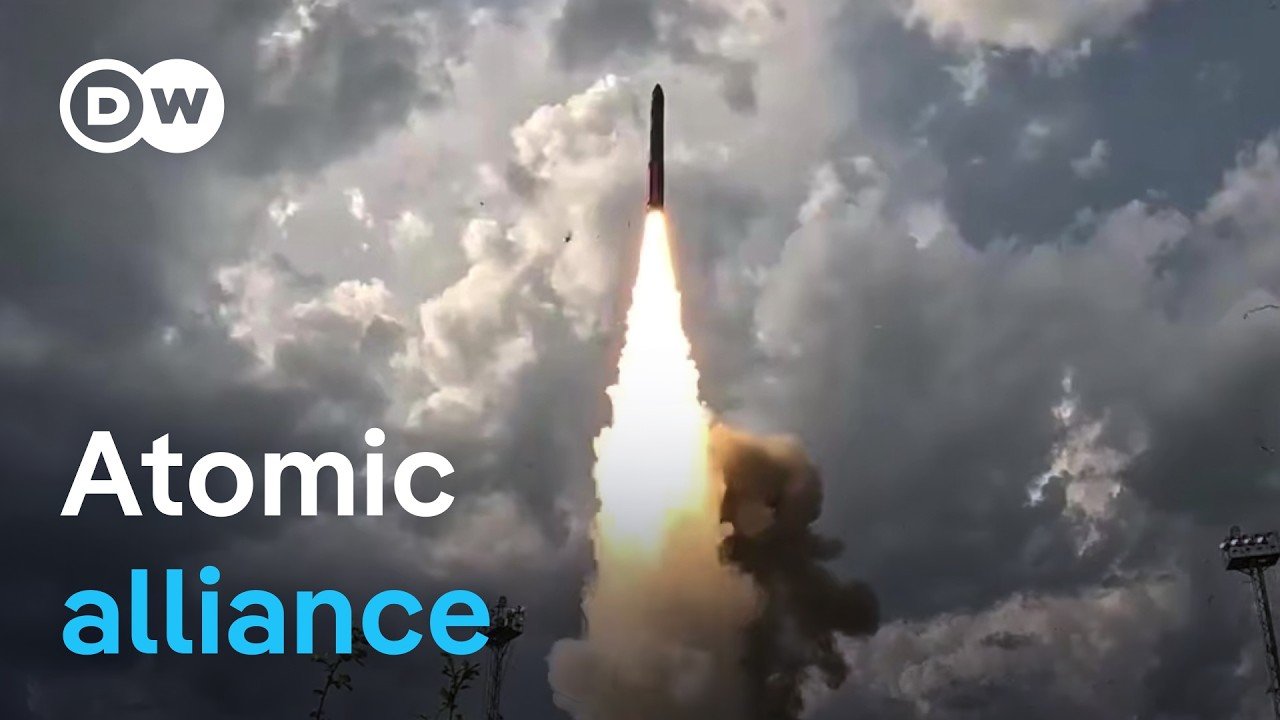
Norway is the latest country to join France’s Forward Deterrence initiative, which has expanded steadily since Paris began promoting a more European-centered nuclear doctrine.

Countries that joined following France’s push to extend its nuclear deterrence include:

  • Poland and Lithuania, among the earliest participants from NATO’s eastern flank
  • Germany and the Netherlands, signaling buy-in from Western Europe
  • Sweden and Denmark, marking a significant shift among Nordic countries
  • Belgium and Greece, further broadening the coalition in both Western and Southern Europe
  • Norway, the newest member, bringing the total to nine

A broader European shift

France has positioned the initiative as part of a wider effort to bolster Europe’s strategic autonomy. It maintains one of Europe’s two independent nuclear arsenals, alongside the United Kingdom.

Paris and London also coordinate through a separate framework, the Northwood Declaration, aligning their nuclear capabilities as a broader strategic backstop.

Analysts say the expansion of France’s nuclear umbrella reflects a growing trend among European countries seeking to diversify their security arrangements while remaining within NATO.

Long-term implications

While the agreement is not expected to result in immediate operational changes, it underscores a gradual but meaningful shift in Europe’s defense posture.

As uncertainty in the global security environment persists, initiatives like France’s Forward Deterrence suggest that European allies are increasingly preparing for a more multipolar system of deterrence—one that does not rely solely on Washington.
youtube placeholder image

Key widely reported facts from verified sources including Reuters, France 24, Politico.eu, Le Monde, Eurativ, Bloomberg, The Brussel Times

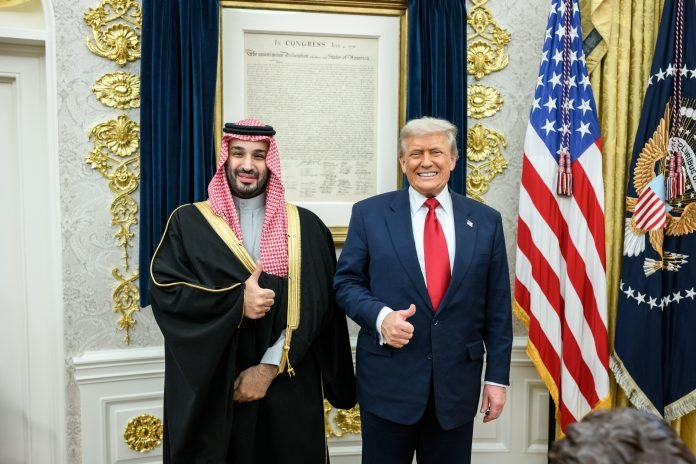
US and Saudi Arabia sign historic 30-year nuclear deal

From a strategic perspective, the agreement effectively blocks competitors like China and Russia from securing a nuclear foothold in the region.
Read more

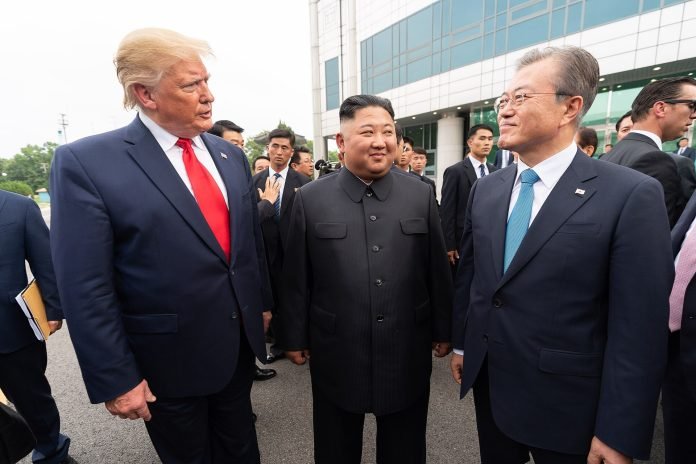
Kim Jong Un re-elected and uses Iran war to justify nuclear weapons program

Outside observers typically characterize North Korean elections as "show elections" designed to project a veneer of democratic legitimacy.
Read more

North Korea tests missiles following US-South Korea annual “Freedom Shield” drill

Kim Yo-jong had warned of "unimaginably terrible consequences" labeling the U.S-South Korea drills as provocative war rehearsals.
Read more

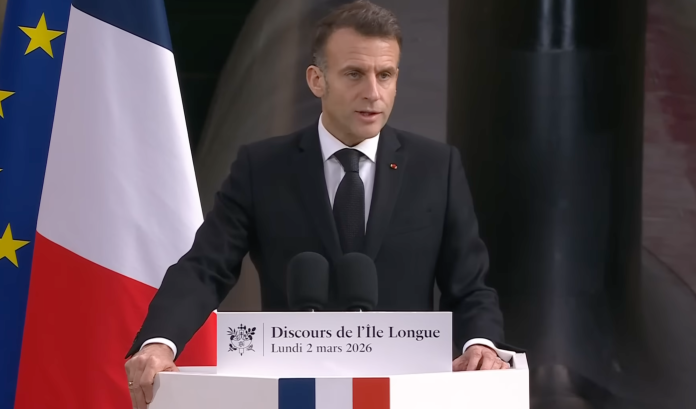
France extends nuclear umbrella to Europe in major strategic shift

Macron unveils France's new nuclear doctrine, extending a "forward deterrence" umbrella to European allies while expanding its stockpile.
Read more

Why did US-Iran nuclear talks fail?

The discussions ultimately failed to bridge fundamental disagreements over uranium enrichment and ballistic missiles.
Read more

US and Armenia sign landmark nuclear cooperation deal

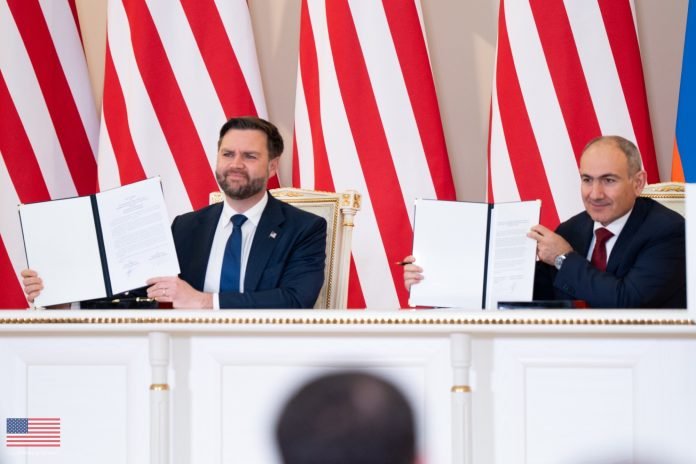
On Feb 9, 2026, US Vice President J.D. Vance and Armenian Prime Minister Nikol Pashinyan signed a landmark civil nuclear cooperation agreement.
Read more

Russia signals restraint after New START expires; Trump wants new pact

Trump has pushed for any new deal to include China alongside Russia, viewing Beijing's growing arsenal as a key factor.
Read more

Russia launches nuclear-capable missile in strike

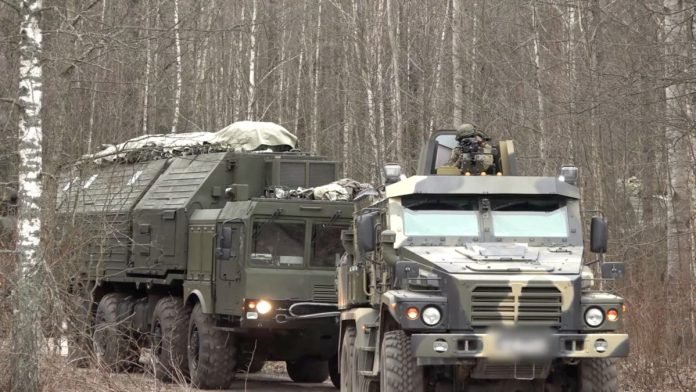
In early January 2026, Russia conducted its second-ever combat launch of the Oreshnik, a nuclear-capable, hypersonic intermediate-range ballistic missile, targeting the western Ukrainian city of Lviv. 
Read more

US resumes testing of nuclear weapons

President Donald Trump ordered the immediate resumption of nuclear weapons testing, ending a 33-year moratorium observed by the US since 1992. 
Read more

Russia’s final break from nuclear treaty

Russia officially declared that it would no longer abide by its self-imposed moratorium on the deployment of intermediate-range missiles, marking its final break from the INF Treaty.
Read more
Timeline

Oct 1945: General Charles de Gaulle establishes the French Alternative Energies and Atomic Energy Commission (CEA) to spearhead both civil and military atomic research.

Jan 1952: The French Armed Forces launch the Special Weapons Command to formally integrate military logistics with nuclear physics.

Feb 1960: France detonates its first atomic bomb (Gerboise Bleue) in the Algerian desert, entering the global nuclear club.

Mar 1966: President de Gaulle withdraws France from NATO’s integrated military command structure, solidifying the independence of the Force de Frappe (Strike Force).

Aug 1968: France successfully tests its first thermonuclear weapon (hydrogen bomb) at Fangataufa Atoll in the Pacific.

Mar 1974: In response to the 1973 global oil crisis, Prime Minister Pierre Messmer launches the “Messmer Plan”. This prompts a rapid, nationwide deployment of nuclear power plants, eventually generating over 70% of France’s domestic electricity.

Jan 1992: Following the collapse of the Soviet Union, President François Mitterrand freezes French nuclear testing and begins a quantitative reduction of the active warhead stockpile.

1996: President Jacques Chirac permanently dismantles France’s land-based ballistic missile silos (on the Plateau d’Albion). The French arsenal transitions exclusively to a two-pronged delivery model: submarines and strategic aircraft.

2010: France and the UK sign the Lancaster House Treaties, creating joint testing facilities to simulate and preserve their respective nuclear warhead safety frameworks without live detonations.

Feb 2020: In a landmark speech at the École de Guerre, President Emmanuel Macron introduces the theoretical idea of a “European dimension” to France’s nuclear posture, inviting continental dialogue.

Feb 2022: Immediately following Russia’s invasion of Ukraine, France deploys three of its four nuclear-powered ballistic-missile submarines (SSBNs) simultaneously for the first time in over 30 years to telegraph active deterrence.

Jul 2025: London and Paris sign the Northwood Declaration, establishing a bilateral security guarantee and launching a framework for joint Anglo-French nuclear posture alignment.

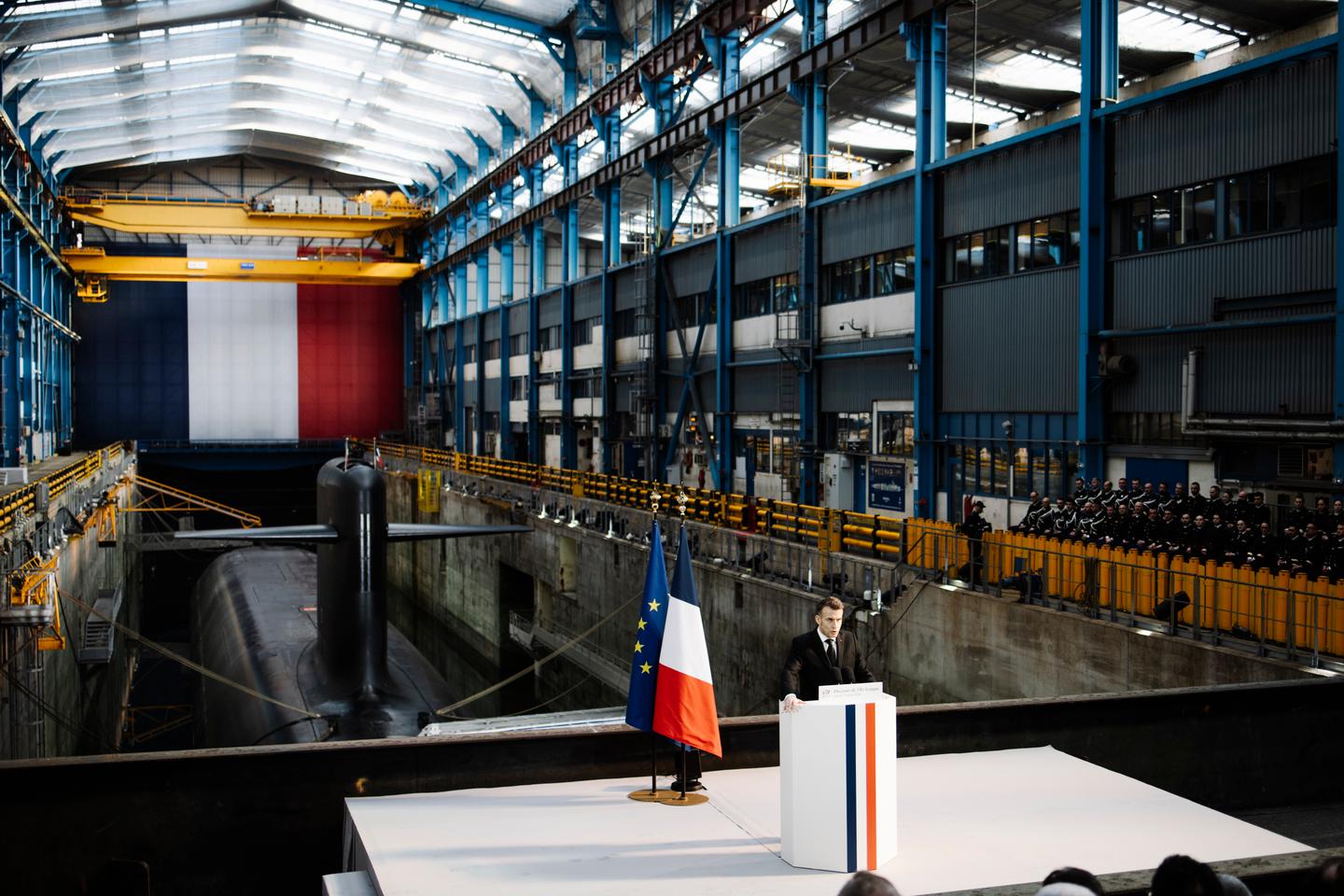
Mar 2, 2026: Speaking at the Île Longue submarine base, President Macron formally enacts the “Forward Deterrence” (dissuasion avancée) doctrine. The strategy expands protection to an initial bloc of eight European allies, orders an immediate increase in warhead manufacturing, and halts public transparency over total stockpile counts.

May 27, 2026: Prime Minister Jonas Gahr Støre and President Macron sign an accord in Paris, making Norway the ninth allied nation to formally join the forward nuclear shield initiative.


Opinion & Analysis

You may also be interested in

LEAVE A REPLY

Please enter your comment!
Please enter your name here