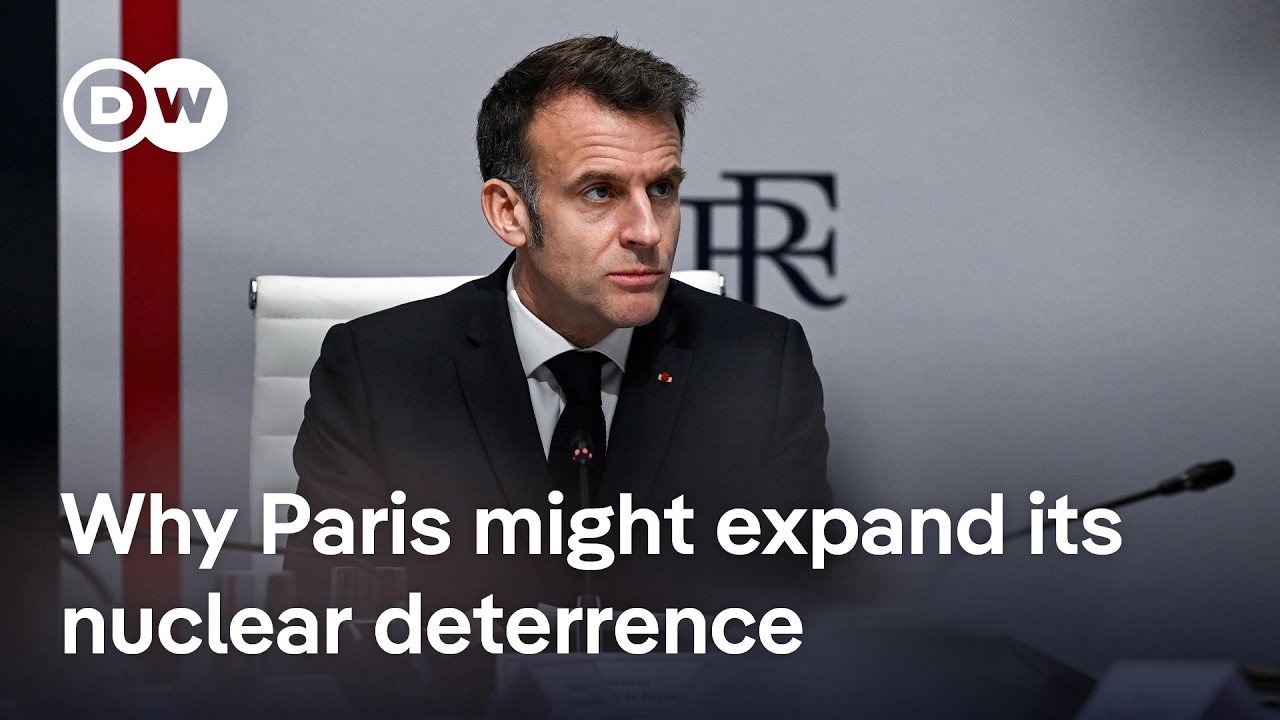
French President Emmanuel Macron has unveiled a sweeping overhaul of France’s nuclear doctrine, positioning the country as a central pillar of Europe’s security architecture amid growing doubts over long-term U.S. commitments.
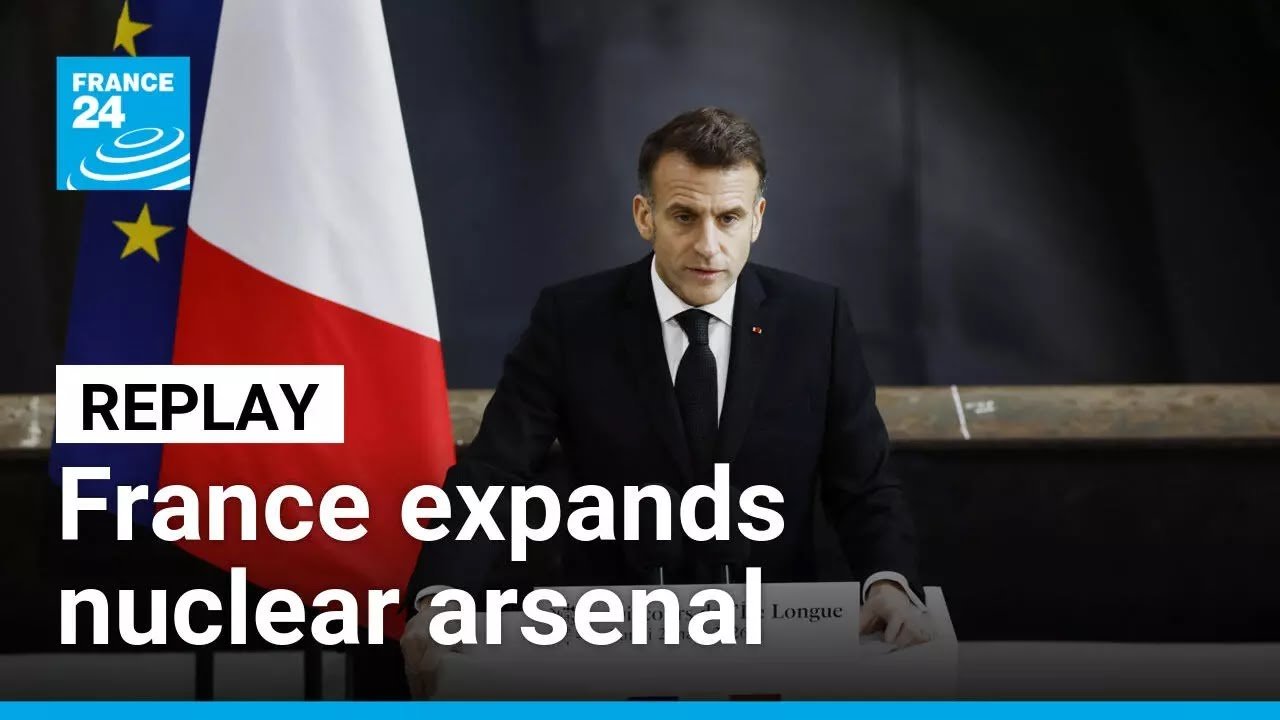
In a landmark speech delivered on March 2 at France’s Île-Longue submarine base, Macron introduced a new framework designed to extend France’s nuclear protection beyond its borders to European allies. The move reflects mounting geopolitical pressure from the ongoing war in Ukraine and a reassessment of transatlantic security guarantees.
Speaking at the submarine base, Macron invoked a classic realist maxim of deterrence, stating: “To be safe, one must be feared.” His statement underscored his argument that credible nuclear deterrence requires adversaries to believe France is willing and able to use its arsenal, making fear itself a protective shield for Europe.
Pour être libre, il faut être craint. Pour être craint, il faut être puissant. pic.twitter.com/S6WLq1dLZ1
— Emmanuel Macron (@EmmanuelMacron) March 2, 2026
“Archipelago of forces”
At the core of Macron’s announcement is a fundamental shift in how France defines its nuclear role. Traditionally focused on national defense, France’s deterrent will now be explicitly linked to the broader security of Europe.
The new doctrine formalizes France’s willingness to act as a nuclear backstop for the continent, marking the first time Paris has so clearly embedded its arsenal within a collective European security framework.
Macron introduced the concept of “forward deterrence” (dissuasion avancée), which formally embeds France’s nuclear forces within the collective security of the European continent rather than restricting them strictly to domestic defense.
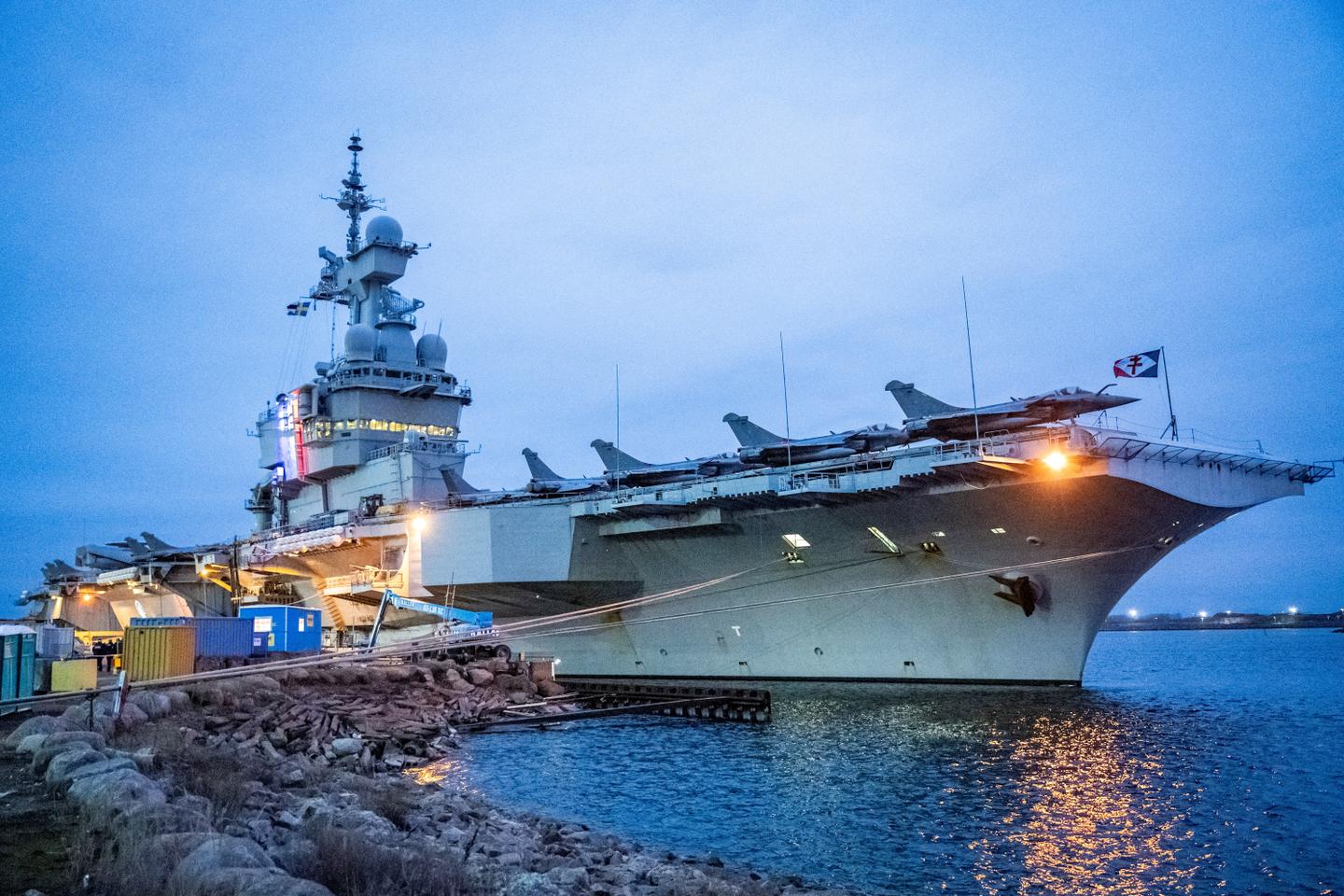
France will now allow temporary deployment of its nuclear-armed Rafale fighter jets to the territory of European partners in response to heightened external threats. Macron explicitly vowed to integrate an initial group of seven European nations into its closer deterrence architecture: Germany, Poland, the Netherlands, Belgium, Denmark, Sweden, and Greece.
Radical ambiguity and stockpile expansion
For the first time since the end of the Cold War, France announced it will quantitatively increase its nuclear warhead stockpile, previously estimated at 290 warheads. Moving forward, France will classify its exact warhead counts to maintain strategic ambiguity.
This expansion signals a reversal of decades of nuclear restraint and reflects France’s preparation for a more volatile security environment. By classifying exact numbers, Paris preserves uncertainty about its capabilities, an approach designed to complicate adversary planning while avoiding unnecessary escalation.
The doctrine does not replace NATO’s nuclear umbrella but is intended to complement it. European leaders have framed the move as an additional layer of security rather than a break from existing alliances.
Domestic political backlash
Macron’s decision to unilaterally extend a security umbrella over European nations has ignited a fierce political firestorm in Paris. With Macron hitting his two-term constitutional limit ahead of the 2027 presidential election, critics view the move as a permanent structural trap for his successor.
Marine Le Pen and the National Rally have fiercely condemned the doctrine, branding it a “betrayal of Gaullist sovereignty.” Traditional French doctrine states that nuclear weapons are only used if France’s own “vital interests” are threatened. The opposition argues that tying these interests to foreign nations like Lithuania or Poland unconstitutionally risks dragging France into an unwanted nuclear conflict.
Opposition parties highlight that Macron enacted this sweeping, multi-decade geopolitical shift via executive decree without a parliamentary vote or referendum. They argue that expanding the nuclear warhead stockpile absorbs billions of euros that should instead be spent on lowering the cost of living or reinforcing domestic policing.
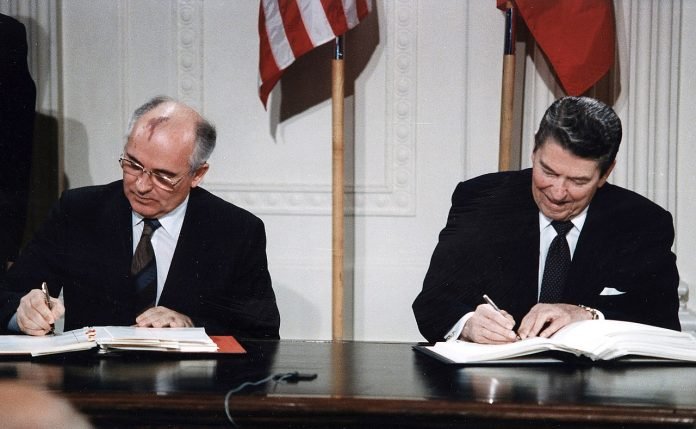
Jean-Luc Mélenchon and the far-left La France Insoumise focus their critique on the risk of an unmonitored arms race. They point out that ending transparency over stockpile limits directly undermines the Nuclear Non-Proliferation Treaty (NPT), turning France into an active driver of global nuclear escalation.
Rigid sovereign boundaries
Despite the deeper European integration, Macron made it clear that final launch authority remains exclusively with the French president. This is a cooperative framework, not a shared-trigger mechanism.
Following the speech, major European partners immediately issued highly coordinated statements of strategic support. Germany and France rapidly initiated plans for German forces to participate directly in French nuclear drills and joint visits to strategic military installations. Officials from both nations emphasized that this newly fortified deterrent will act as a critical complement to, rather than a replacement for, existing NATO frameworks.
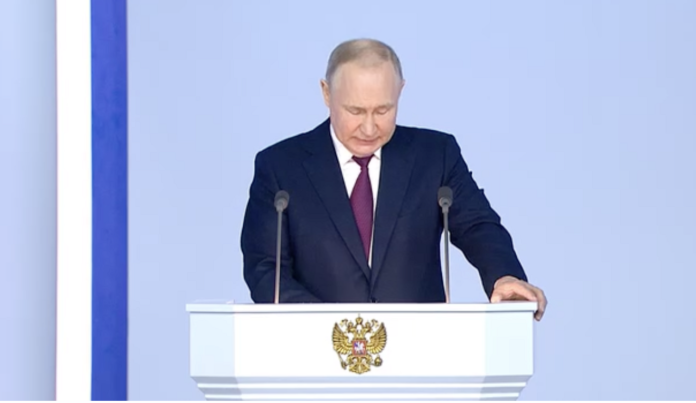
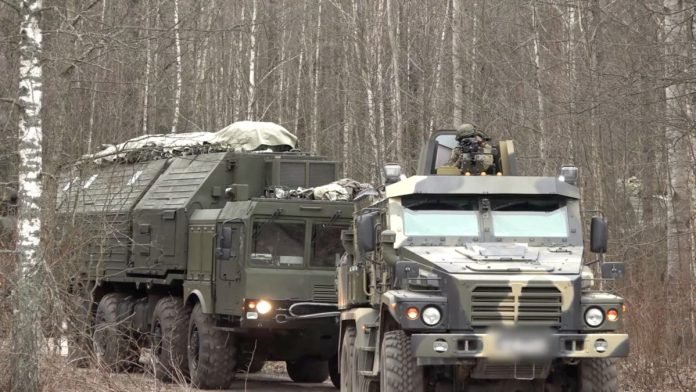
Moscow quickly condemned the doctrine shift. Russia said France’s plan to expand its nuclear arsenal is “destabilising” for European security, warning that the move could trigger a new arms race and undermine existing non-proliferation efforts.
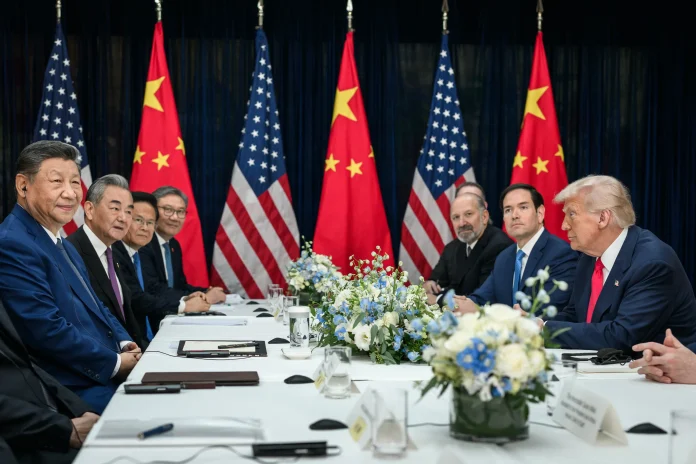
The shift reflects a broader recalibration within Europe, as policymakers hedge against uncertainty over future US leadership while seeking greater strategic autonomy. France’s new doctrine reflects a changing security landscape in which Europe is taking greater responsibility for its own defense. As geopolitical tensions intensify and alliances evolve, Europe’s security may increasingly depend on European power and France is positioning itself as the leading military power within Europe.