The United States and Iran have electronically signed a preliminary memorandum of understanding (MoU) to halt more than 100 days of direct and proxy conflict, marking the most significant diplomatic breakthrough between the two countries in years. The agreement was negotiated through Pakistani mediation and is expected to be formally signed at a ceremony in Switzerland on Friday, though the exact format of that signing remains unclear.
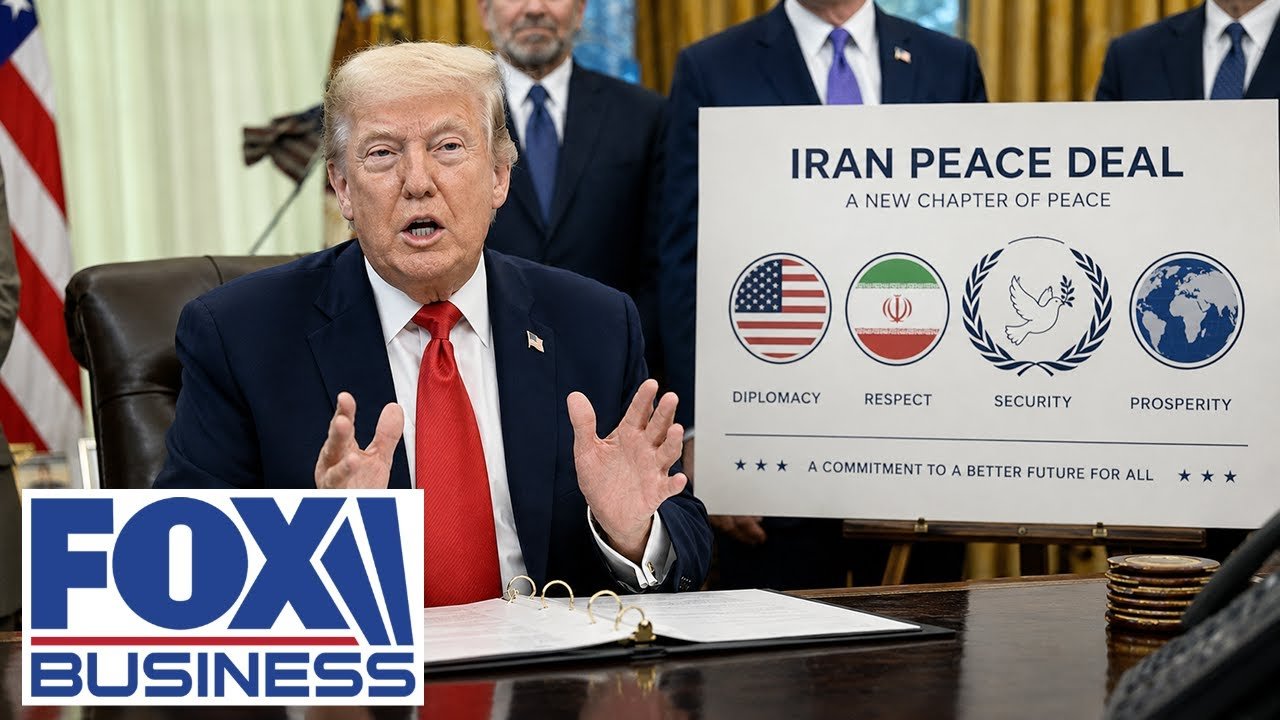
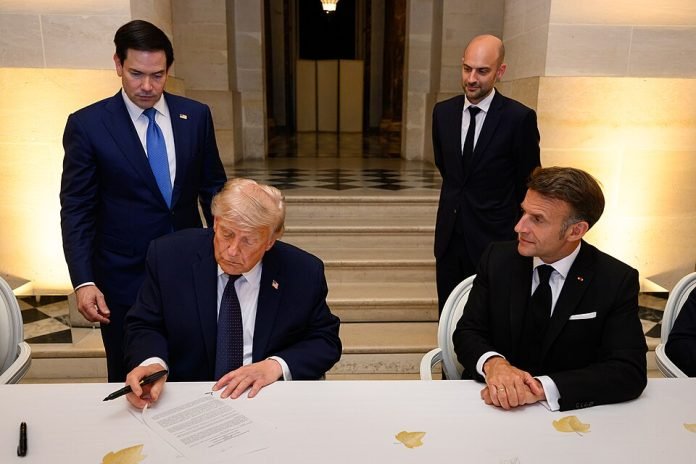
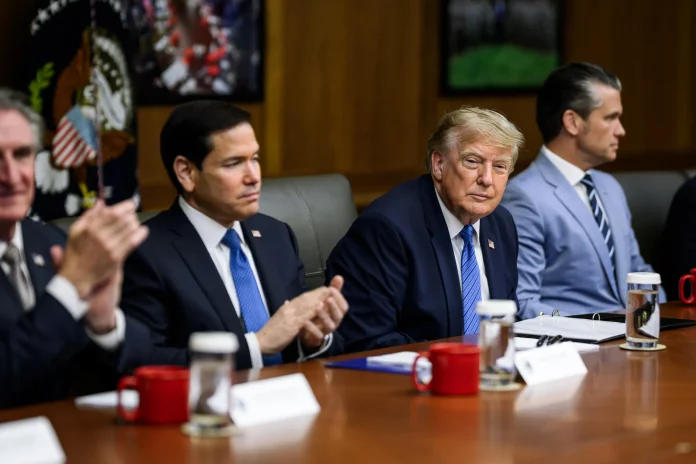
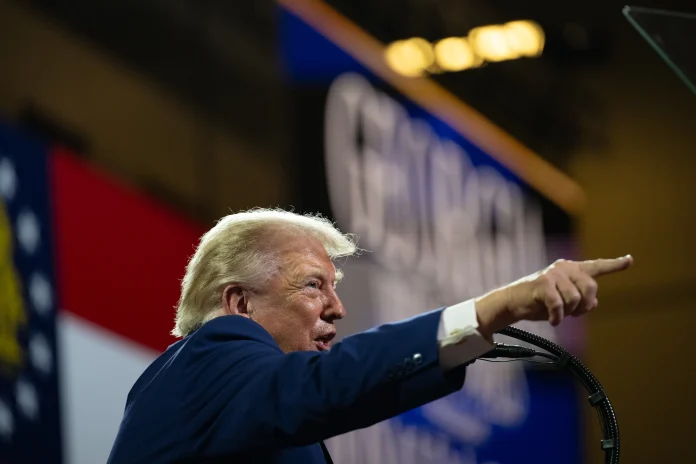
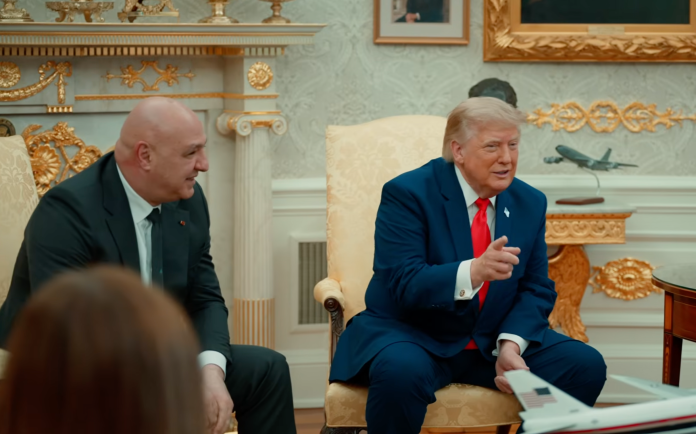
Pakistani Prime Minister Shehbaz Sharif said the parties had reached a deal on the text of a memorandum of understanding, while U.S. President Donald Trump said the agreement had already been signed electronically and that details would be released soon.
Following intensive talks, we are pleased to announce that the Peace Deal between the United States of America and Islamic Republic of Iran has been REACHED. Both sides have declared the immediate and permanent termination of military operations on all fronts, including in…
— Shehbaz Sharif (@CMShehbaz) June 14, 2026
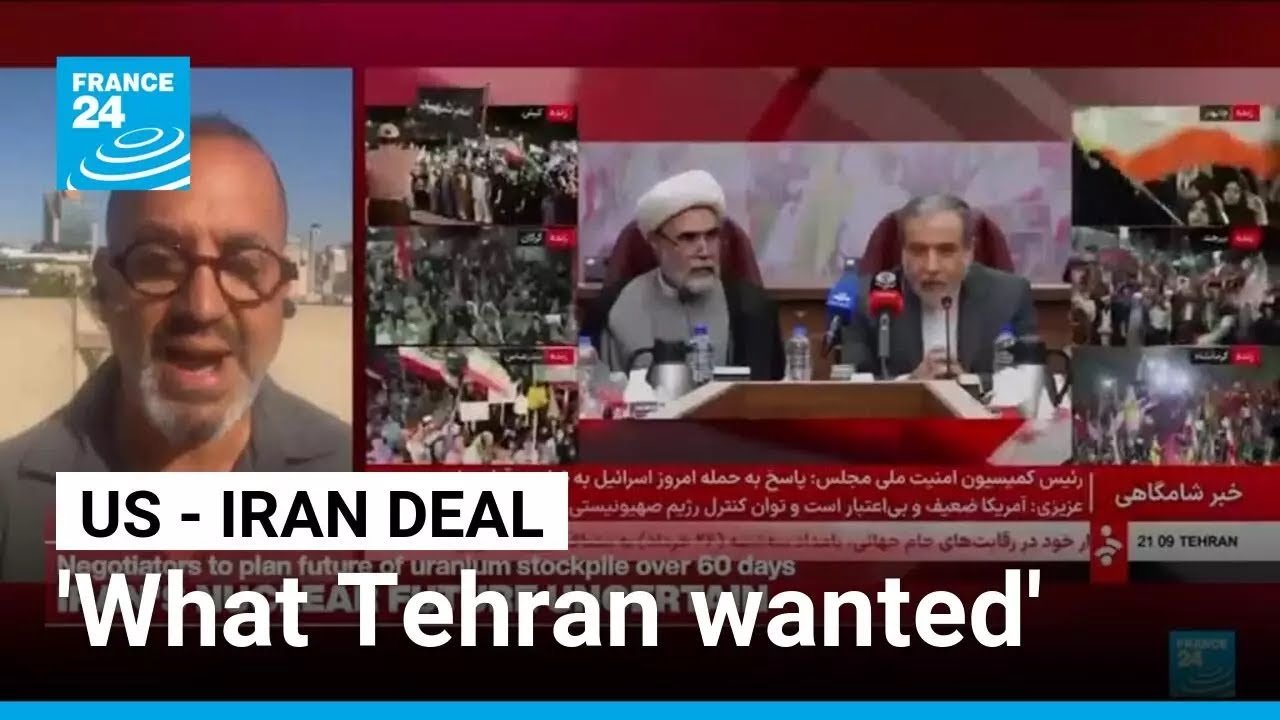
تفاهمنامه تدوین شده، حاصل ماهها گفتوگو و پیگیریهای مستمر در این زمینه است و اگر همه مفاد آن بهدرستی عملیاتی شود، میتواند سندی افتخارآمیز برای کشور تلقی شود.
— Masoud Pezeshkian (@drpezeshkian) June 15, 2026
لازم میدانم از برادرانم آقایان دکتر قالیباف، عراقچی، اعضای شعام و همه کسانی که در این راه نقش داشتند تشکر کنم.
The interim deal halts active military operations across multiple theaters, lifts key maritime restrictions, and initiates a phased diplomatic process addressing nuclear, economic, and regional security disputes.
Ceasefire and timeline
The framework is reported to include a 60-day ceasefire window during which Washington and Tehran would negotiate a more durable settlement. During that period, military operations are to be suspended while diplomats work through the most contentious issues, including Iran’s nuclear program.
Reports from multiple outlets say the deal is intended as an interim arrangement rather than a final peace treaty. That leaves open the possibility of renewed tension if either side concludes the process is not delivering results.
During this period:
- All direct military engagements between US and Iranian forces are suspended.
- Proxy escalations are expected to be curtailed, though enforcement mechanisms remain unclear.
- Diplomatic teams will convene to resolve outstanding disputes, including nuclear compliance and sanctions.
While both sides have publicly committed to the ceasefire, analysts note that past breakdowns in US–Iran diplomacy raise questions about durability, particularly given the number of unresolved issues deferred into this negotiation window.
Strait of Hormuz reopening
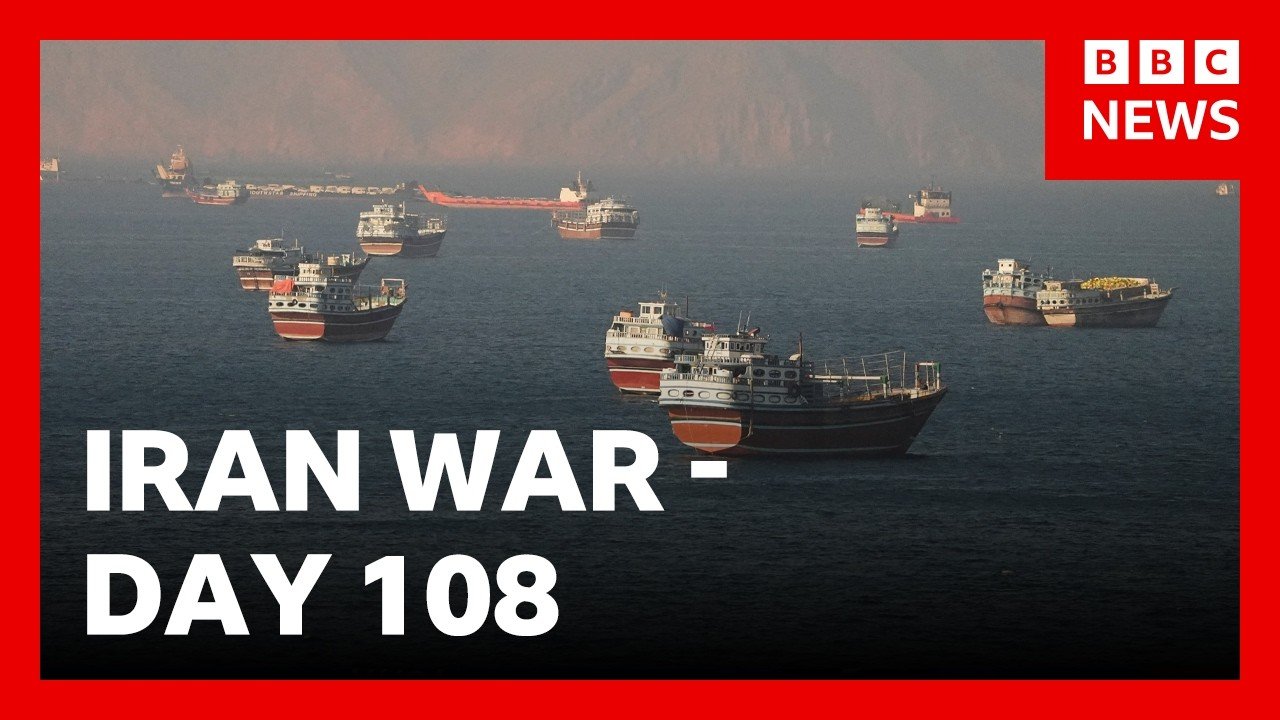
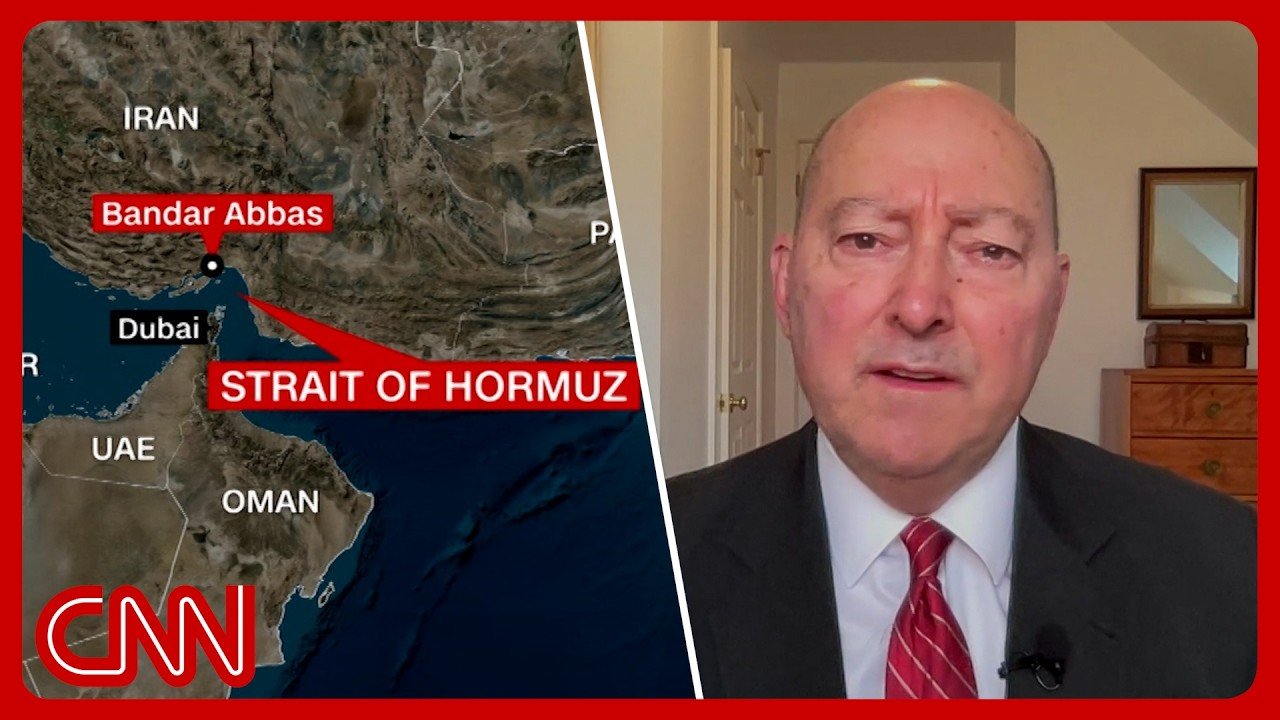
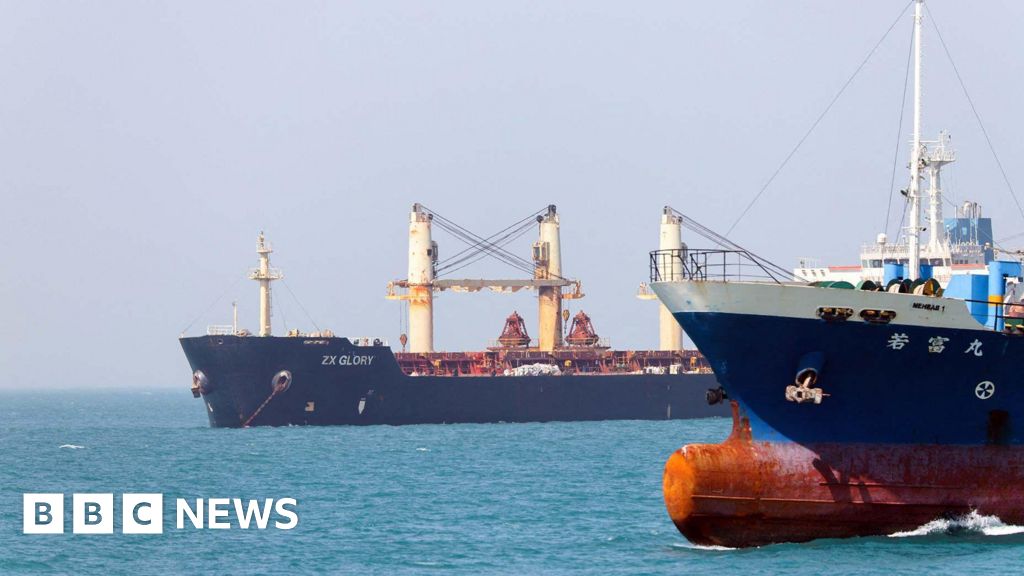
A central element of the framework is the reopening of the Strait of Hormuz, the key oil shipping route that had been disrupted during the conflict. According to reporting, the United States would lift its blockade on Iranian ports while Iran would clear naval mines and allow commercial traffic to resume.
That said, the scope of maritime access remains a point of dispute. US officials have described the waterway as needing to remain open without restriction under international maritime law, while Iranian state media has suggested Tehran could retain some authority to impose security or transit-related fees.
This disagreement could become a flashpoint if interpretations diverge during implementation.
However, full normalization is likely to take weeks. Shipping firms and insurers remain cautious, citing risks related to enforcement, verification, and the possibility of localized violations.
Sanctions relief and economic measures
Although the full MoU text has not been released, early reporting points to a phased economic incentive structure tied to compliance.
Key elements include:
- Partial unfreezing of Iranian financial assets held abroad.
- Temporary sanctions relief on oil and petrochemical exports.
- Conditional mechanisms linking further relief to progress in nuclear negotiations.
This structure mirrors earlier diplomatic efforts, where economic concessions were used as leverage to secure nuclear transparency.
Nuclear Talks deferred
The agreement appears to defer the most difficult issue — Iran’s nuclear program — to the 60-day negotiation period. Reports say the later talks will focus on Iran’s enriched uranium stockpiles, nuclear infrastructure, and international inspections.
Upcoming talks are expected to address:
- Iran’s stockpile of highly enriched uranium.
- Limits on enrichment levels and centrifuge activity.
- The reintroduction or expansion of international inspection regimes.
Western governments have emphasized that any long-term agreement must prevent Iran from acquiring nuclear weapons capability, while Iranian officials continue to frame their program as civilian.
The economic package has also drawn controversy. The Financial Times reported that the Trump administration discussed a possible $300 billion investment fund for Iran, but Trump rejected suggestions that Washington would be sending Tehran cash, dismissing the claim as “fake news” on Truth Social and saying no money would flow unless Iran met its obligations. He also said that Iran has agreed to never have a nuclear weapon.
Regional flashpoints remain
The agreement does not appear to resolve all regional conflicts. Reports say Iranian and Pakistani sources have described the ceasefire as applying across multiple fronts, including Lebanon, but the framework does not require an Israeli withdrawal from southern territory.
In Lebanon, the agreement’s scope is disputed:
- Iranian and Pakistani sources suggest the ceasefire applies across all fronts, including Hezbollah-related hostilities.
- However, the deal does not require Israeli forces to withdraw from southern Lebanon.
Israel has openly criticized the agreement. Prime Minister Benjamin Netanyahu stated that Israeli military operations will continue, declaring that “our struggle has not yet ended.” Israeli officials have also signaled intentions to maintain or expand “security zones” in Lebanon, Syria, and Gaza.
Statement by Prime Minister Benjamin Netanyahu at the press conference last night:
— Prime Minister of Israel (@IsraeliPM) June 16, 2026
"Dear citizens of Israel,
For decades, I have been fighting against Iran’s efforts to arm itself with nuclear weapons. I can define it as my life’s mission. I have met this challenge to this… pic.twitter.com/U6vfY2svX9
This divergence introduces a major risk: continued Israeli operations could undermine the broader ceasefire framework.
Disputes over maritime control
Another unresolved issue concerns sovereignty and control over the Strait of Hormuz.
- The United States maintains that the waterway must remain fully open under international maritime law.
- Iranian state media has suggested the agreement allows Tehran to impose security or transit-related fees.
This disagreement could become a flashpoint if interpretations diverge during implementation.
Global market reaction
Financial markets reacted quickly to the news, with oil prices falling as traders priced in reduced risk to global supply. Brent crude dropped sharply following the announcement, reflecting expectations that the reopening of Hormuz could ease pressure on energy markets.
Shipping and insurance firms, however, are expected to remain cautious until they see whether the ceasefire holds in practice. That means the economic impact may depend less on the announcement itself than on whether vessels begin moving through the Gulf without incident.
International response
Several global governments have welcomed the framework as a step toward de-escalation, while stressing that Iran must not acquire nuclear weapons. The United Kingdom, France, and Germany issued coordinated statements supporting the framework. European officials emphasized that any final deal must include strict nuclear safeguards.
Je salue l’accord conclu entre les États-Unis et l’Iran, fruit d’un effort diplomatique auquel ont contribué plusieurs partenaires. J’appelle à sa mise en œuvre rapide et complète par tous les belligérants.
— Emmanuel Macron (@EmmanuelMacron) June 14, 2026
Cet accord doit permettre la réouverture urgente et inconditionnelle…
I welcome the agreement reached between the US and Iran, following sustained diplomatic efforts by several partners.
— Ursula von der Leyen (@vonderleyen) June 15, 2026
The priority now is its swift and full implementation by all parties.
This agreement should allow for the immediate reopening of the Strait of Hormuz.
Freedom…
Diplomatic observers note that Pakistan’s role as mediator reflects shifting geopolitical alignments and the increasing importance of non-Western intermediaries in conflict resolution.
For now, the agreement marks a significant pause in hostilities rather than a settled peace. The coming days will show whether the electronic signing can be translated into a formal accord and whether the ceasefire can hold long enough for negotiations to continue.
What comes next
Attention now turns to the upcoming formal signing in Switzerland and the 60-day negotiation window that follows.
Key indicators to watch include:
- Compliance with the ceasefire across all fronts.
- Progress on nuclear verification mechanisms.
- The pace and scale of sanctions relief.
- Iran’s military posture and its impact on regional stability.
While the MoU represents a significant de-escalation, it remains an interim step. The success of this framework will depend on whether both sides can translate a fragile ceasefire into a durable political settlement.