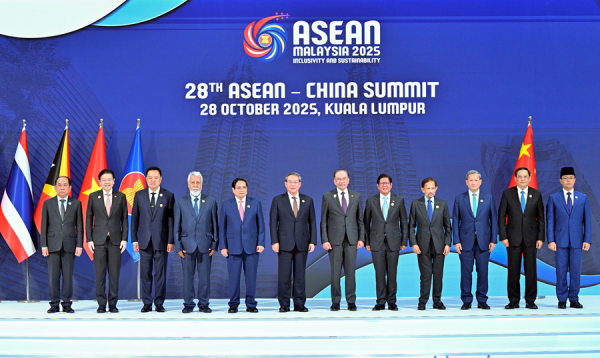
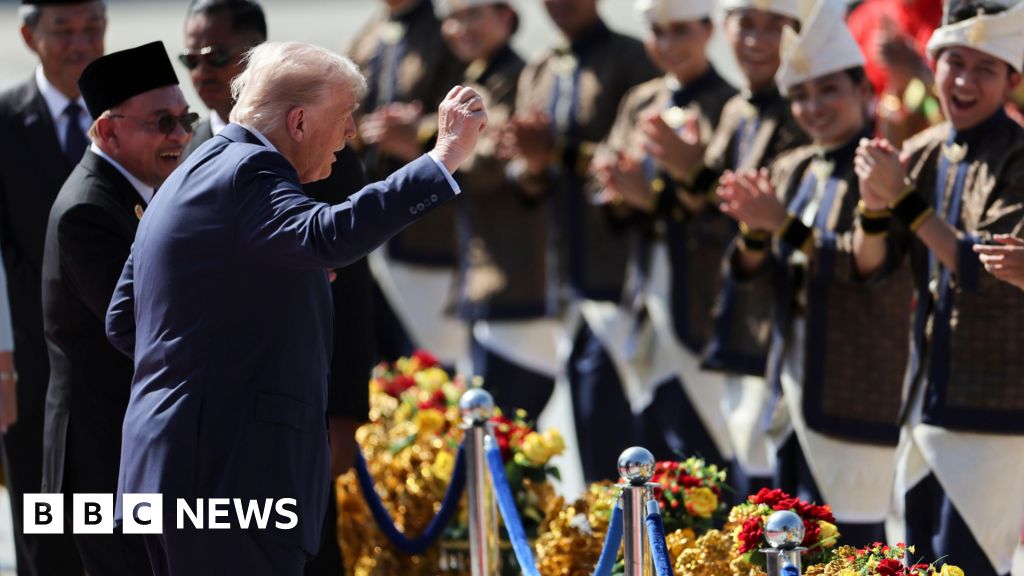
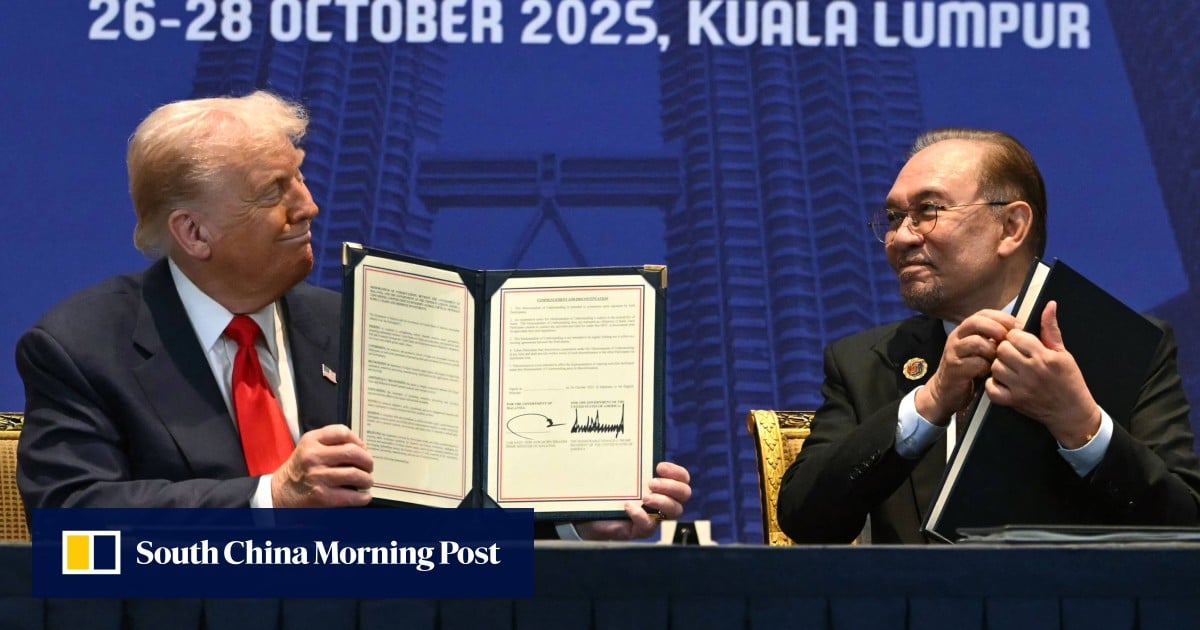
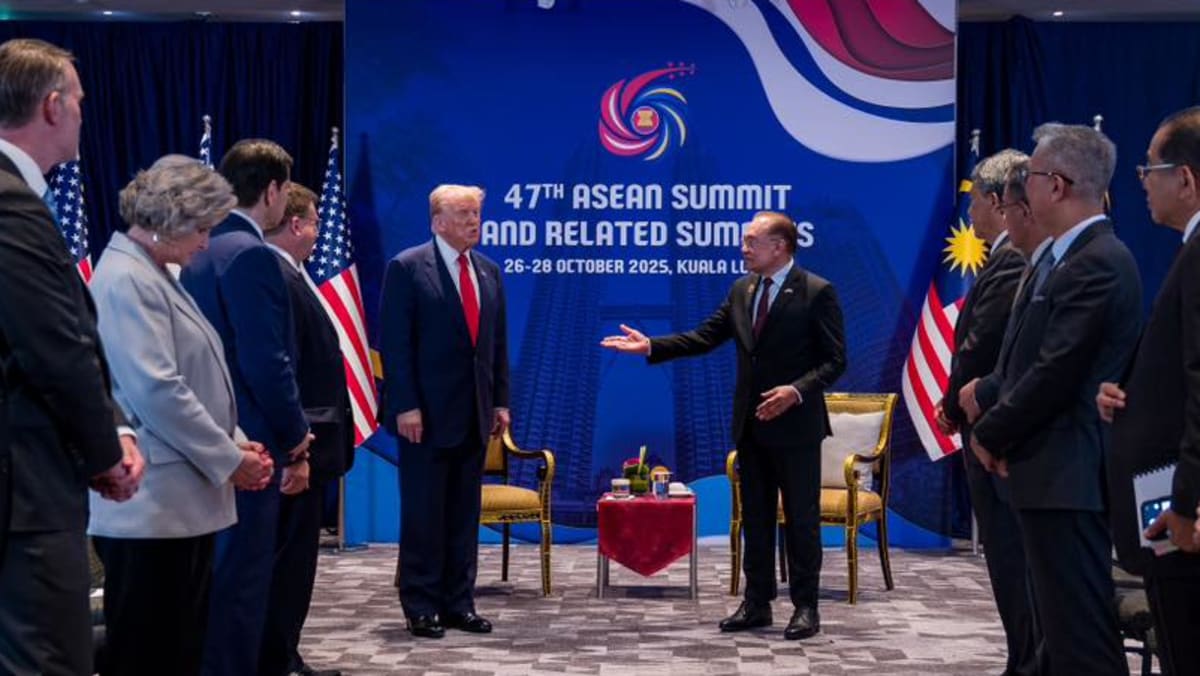
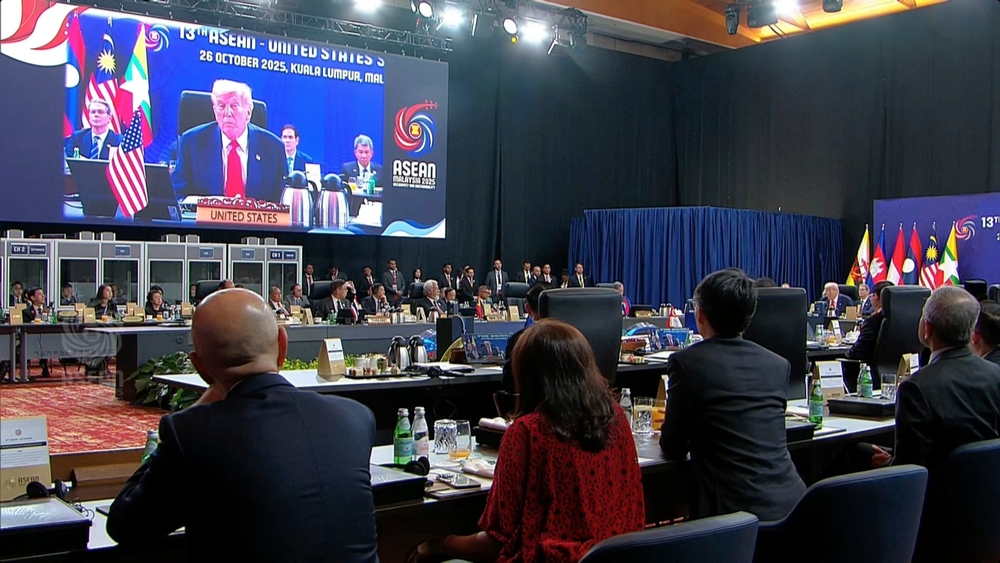
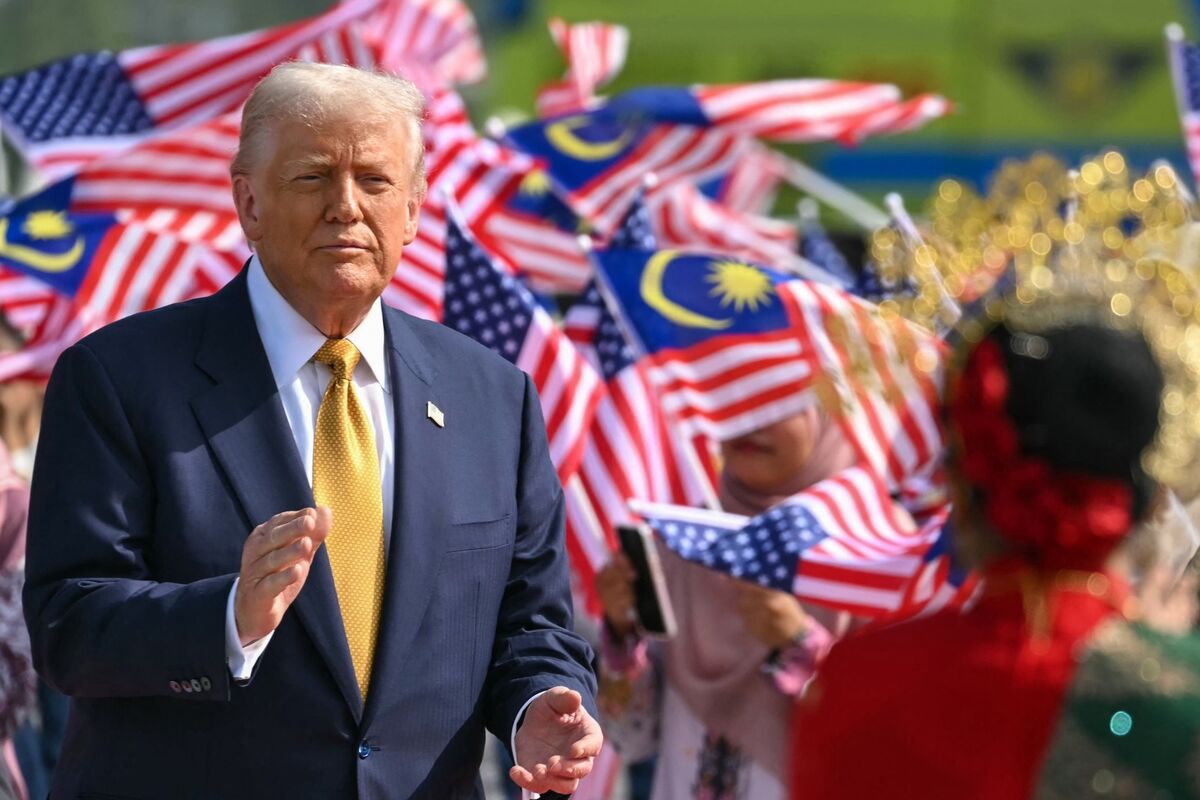
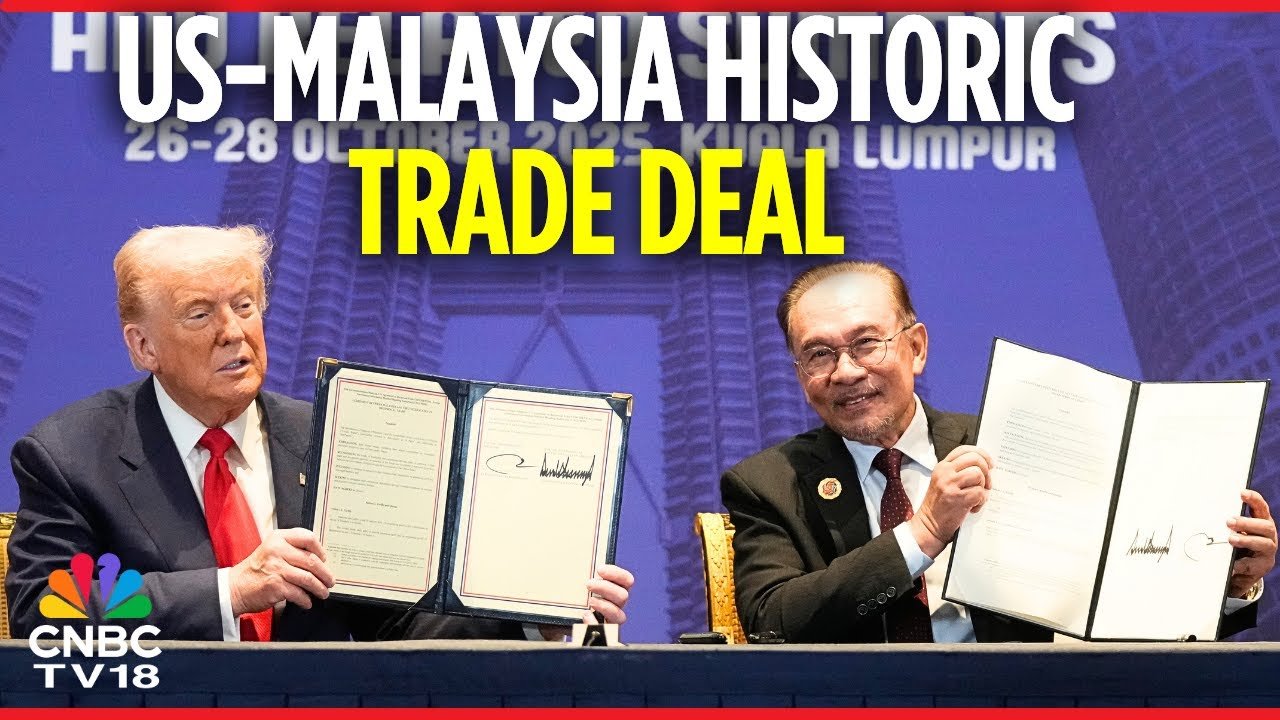
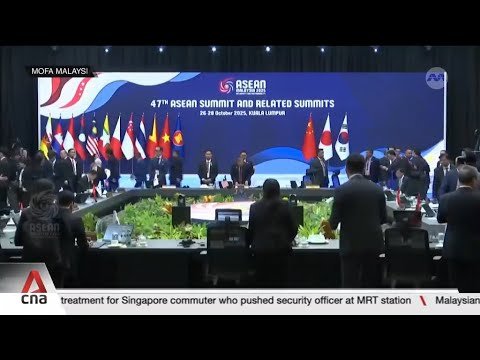
On October 26, 2025, during the 47th ASEAN Summit in Kuala Lumpur, the United States signed a series of significant trade and resource agreements with four Southeast Asian nations: Malaysia, Cambodia, Thailand, and Vietnam. These deals were designed to address trade imbalances, reduce tariffs on American exports, and secure supply chains for critical minerals.
Malaysia signed an Agreement on Reciprocal Trade and a memorandum of understanding on critical minerals. Malaysia committed to over $150billion in purchases of US semiconductors, aerospace components, and data center equipment, plus $70billion in facilitated investments in the US over ten years.
Cambodia signed an Agreement on Reciprocal Trade. Cambodia agreed to eliminate tariffs on 100% of US products and expand market access for agricultural and medical goods.
Thailand signed a Framework for Agreement on Reciprocal Trade and an MoU on critical minerals. Thailand pledged to remove duties on 99% of US goods and committed to purchasing 80 US aircraft and approximately $2.6billion annually in agricultural products.
Vietnam signed a Framework for Agreement on Reciprocal Trade. Vietnam, which holds a massive trade surplus with the US, pledged to significantly boost its purchases of American industrial and agricultural exports to reduce the trade gap.
Major Provisions and Impact
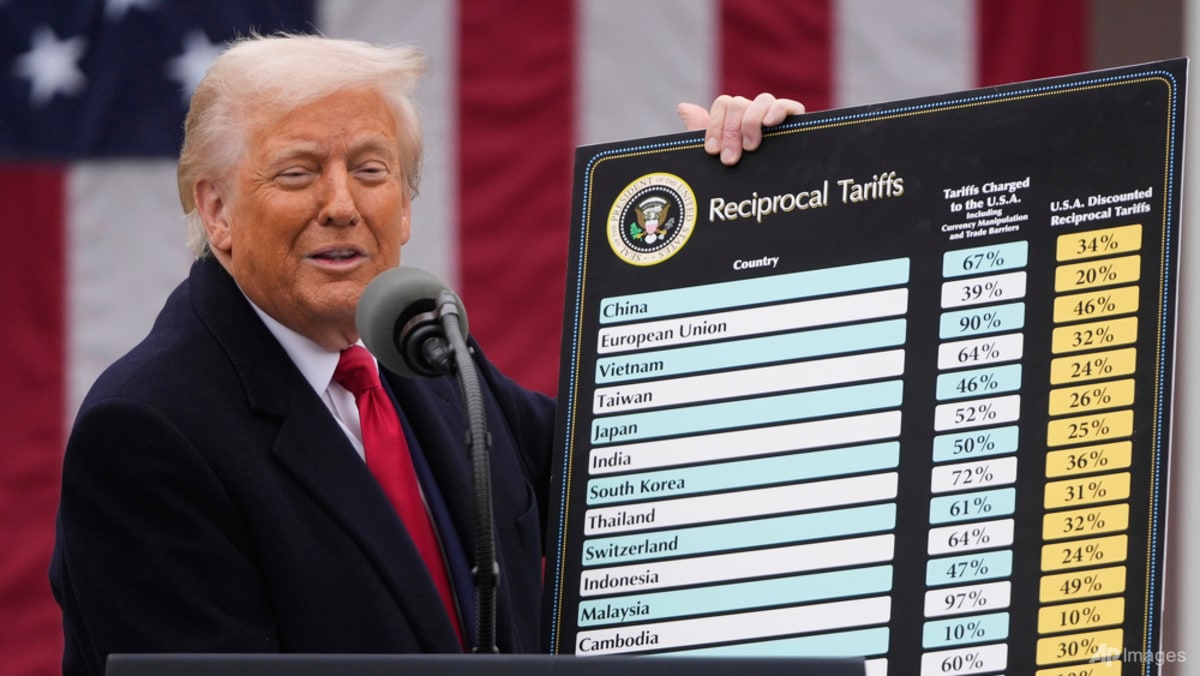
The US agreed to maintain rather than increase reciprocal tariff rates at 19% for Malaysia, Cambodia, and Thailand, and 20% for Vietnam, while allowing for zero-percent tariffs on specific exempted products.
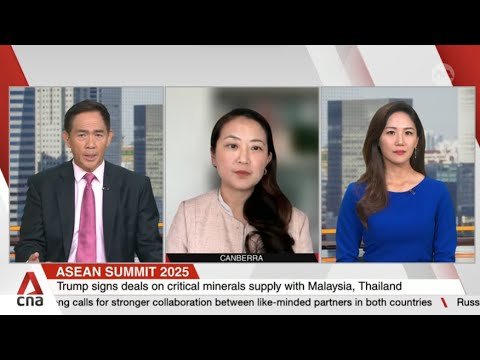
The deals with Malaysia and Thailand aim to diversify supply chains for rare earths and other minerals used in high-tech manufacturing, countering China’s dominance in the sector.
Malaysia, Thailand, and Vietnam agreed to accept vehicles built to US safety and emissions standards, and Malaysia will streamline requirements for US cosmetics and pharmaceuticals.
Beyond trade, the summit saw the signing of the Kuala Lumpur Peace Accords, a US-brokered expanded truce between Thailand and Cambodia following years of border tensions.
Reactions
Reactions to the four Southeast Asian trade deals signed at the October 2025 ASEAN Summit were deeply polarized, characterized by a mix of relief diplomacy from regional leaders and sharp criticism from domestic and international observers.
Southeast Asian leaders generally framed the deals as a necessary least-worst option to mitigate the impact of high US tariffs.
Malaysian Prime Minister Anwar Ibrahim hailed the agreement for its trust and commitment, noting it exceeded expectations by securing exemptions for palm oil and semiconductors. However, the deal faced intense domestic backlash, with critics accusing the government of selling out national sovereignty.
Cambodian Deputy Prime Minister Sun Chanthol expressed pleasure with the deal but noted continued hopes for exemptions on key exports like footwear and garments. Thai officials emphasized that the framework was non-binding, with further detailed negotiations required to solidify terms.
Having front-loaded exports to the US to mitigate tariff shocks, Vietnam viewed the deal as a tactical success to maintain its record trade surplus.
Geopolitical Impact
Asian markets initially reacted with euphoria to the summit’s deal-making, hitting record highs in Tokyo, Seoul, and Hong Kong on hopes of a broader US-China de-escalation.
A survey of Vietnam-based businesses revealed that 86% of companies remained concerned about the long-term impact of US tariff policy, citing rising costs and supply chain disruptions.
Despite US efforts to rebalance trade, Malaysia, Thailand, and Vietnam actually recorded larger trade surpluses with the US in 2025, while their trade deficits with China widened.
Analysts noted that the shift toward bilateral deals with the US splintered ASEAN’s collective bargaining power, as countries competed against each other for the best tariff rates.
Chinese Premier Li Qiang used the summit to criticize protectionism and bullying, positioning China as a champion of free trade. Shortly after, China signed an upgraded ASEAN-China Free Trade Area, ACFTA 3.0, to deepen regional ties.
Why it matters
The four bilateral trade deals represent a significant shift in US-ASEAN economic relations, moving away from multilateral frameworks toward country-specific agreements. While the deals secured market access for US exports and critical mineral supply chains, they also raised concerns about ASEAN unity and the long-term sustainability of trade relationships built on tariff threats. The timing alongside the Kuala Lumpur Peace Accords underscored the US strategy of linking trade and security in Southeast Asia, even as China moved to strengthen its own regional economic ties through the upgraded ACFTA 3.0 pact.

Read also: 2025 ASEAN Summit: China signs trade pact with ASEAN