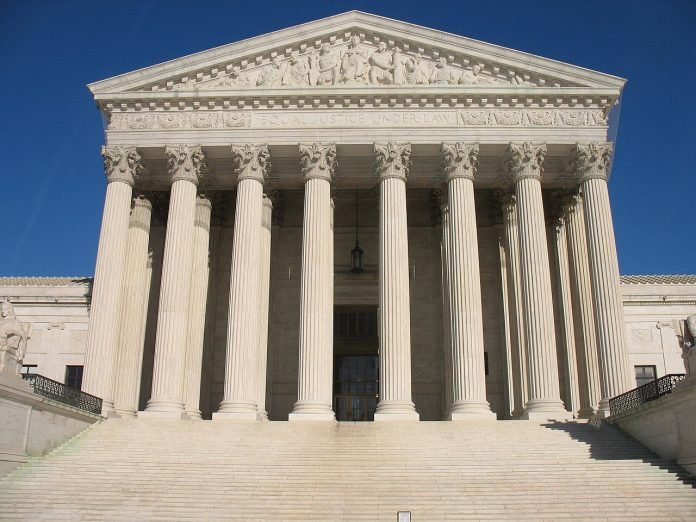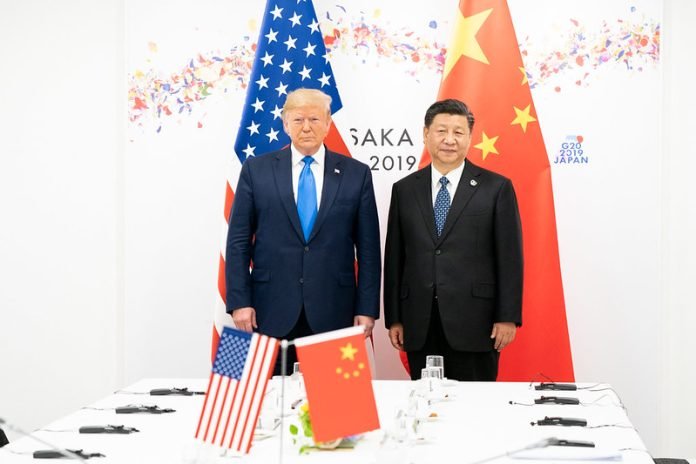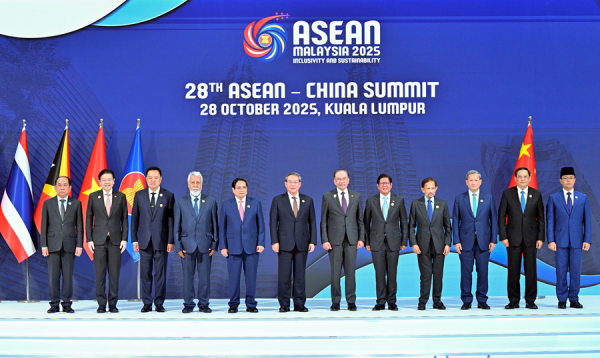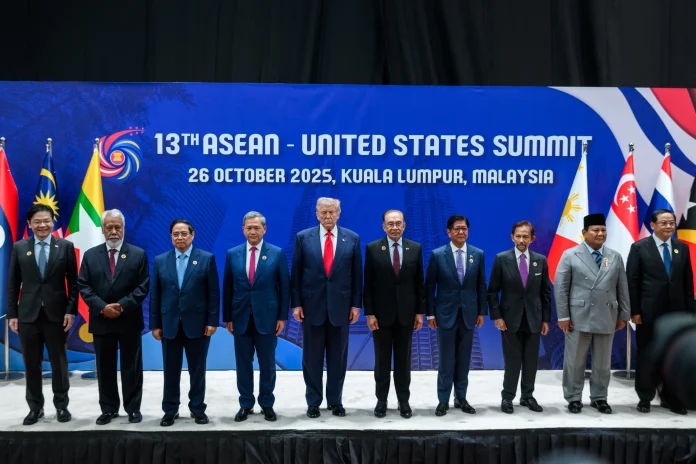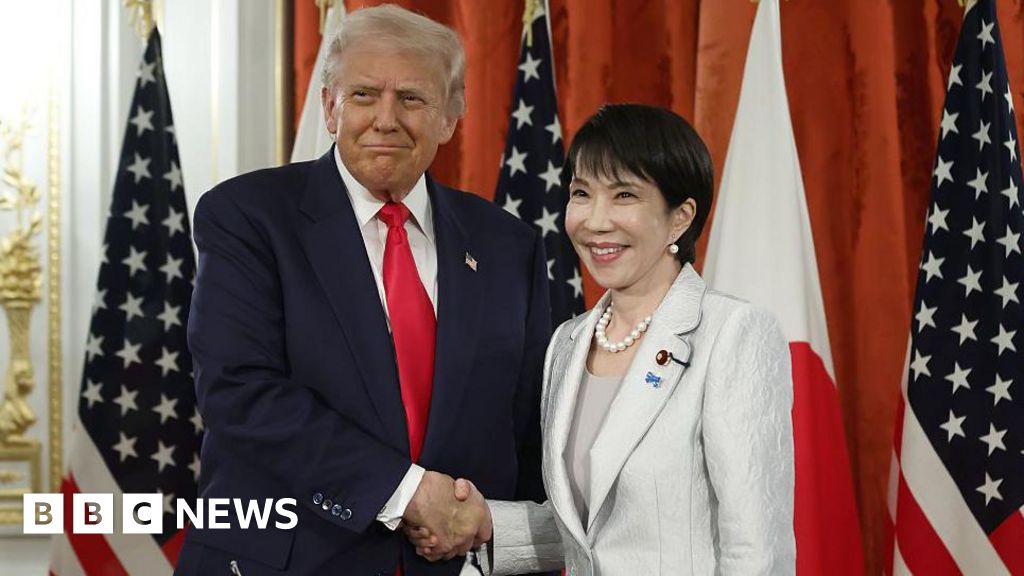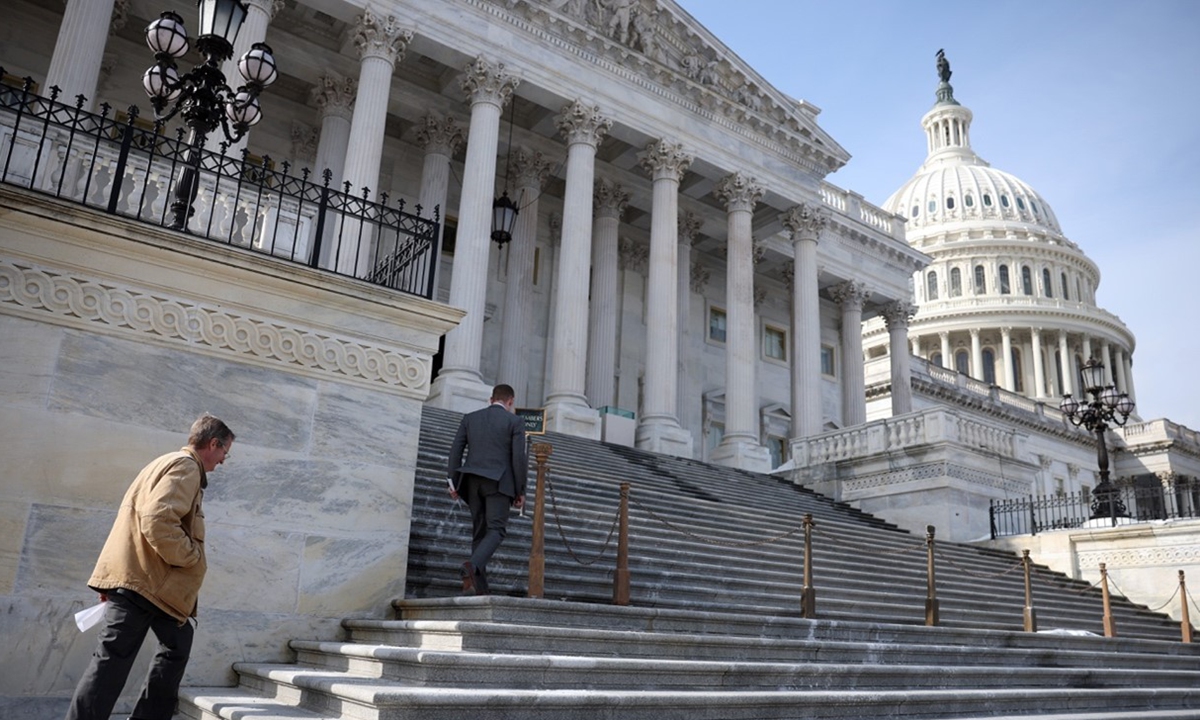
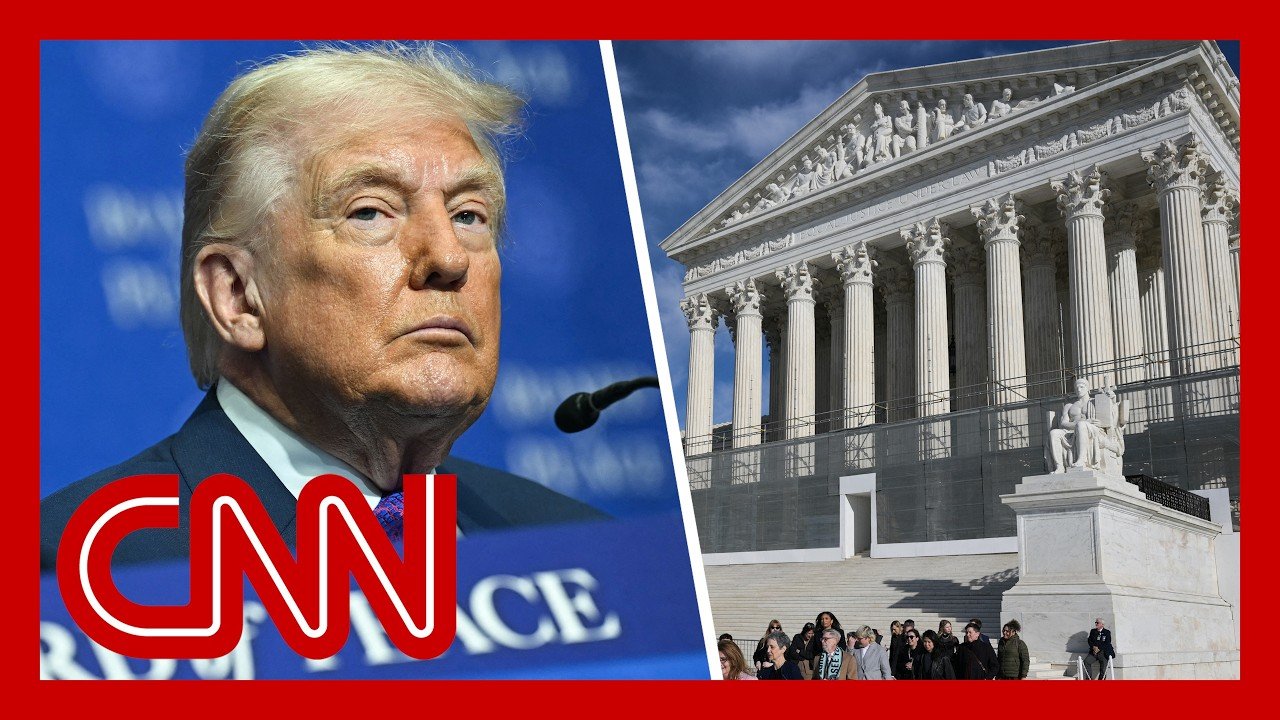
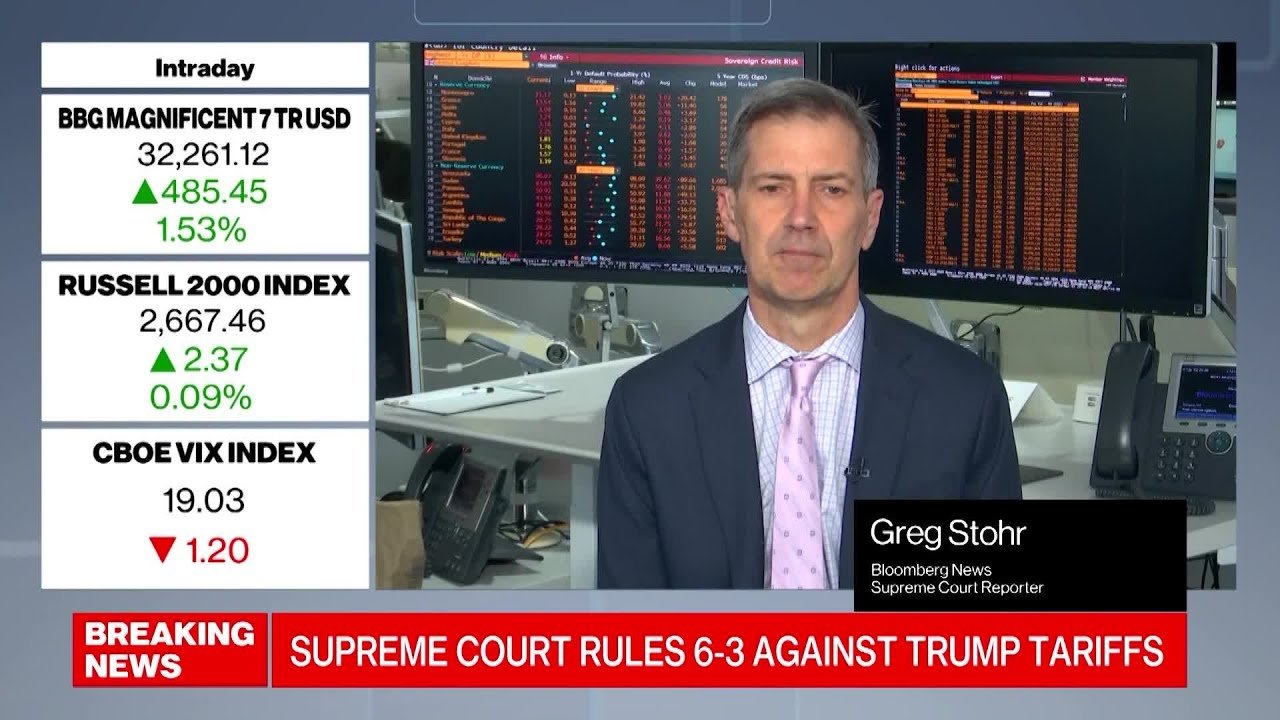
On February 20, 2026, the US Supreme Court ruled 6–3 that many of President Donald Trump’s most sweeping tariffs were illegal. The Court held that the International Emergency Economic Powers Act (IEEPA) does not authorize the President to impose tariffs. Chief Justice John Roberts, writing for the majority, emphasized that the power to tax and set tariff rates belongs exclusively to Congress under Article I of the Constitution.
The ruling strictly limits the use of IEEPA, clarifying that the power to “regulate importation” does not include the power to impose tariffs. Future tariffs must now rely on narrower statutes such as Section 301 or Section 232, which require formal investigations, findings of fact and longer procedural timelines.
The majority rejected the administration’s argument that the power to “regulate” imports includes the power to tax them without clear congressional authorization.
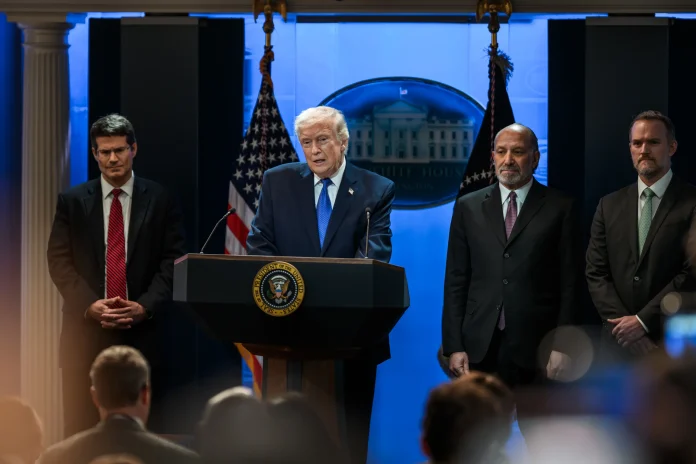
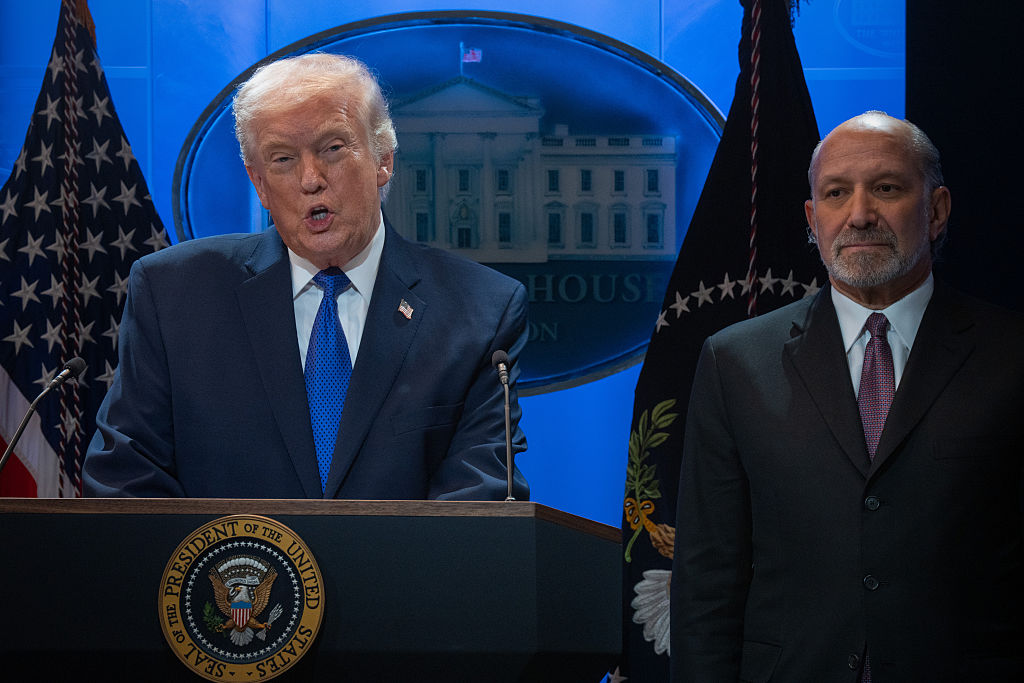
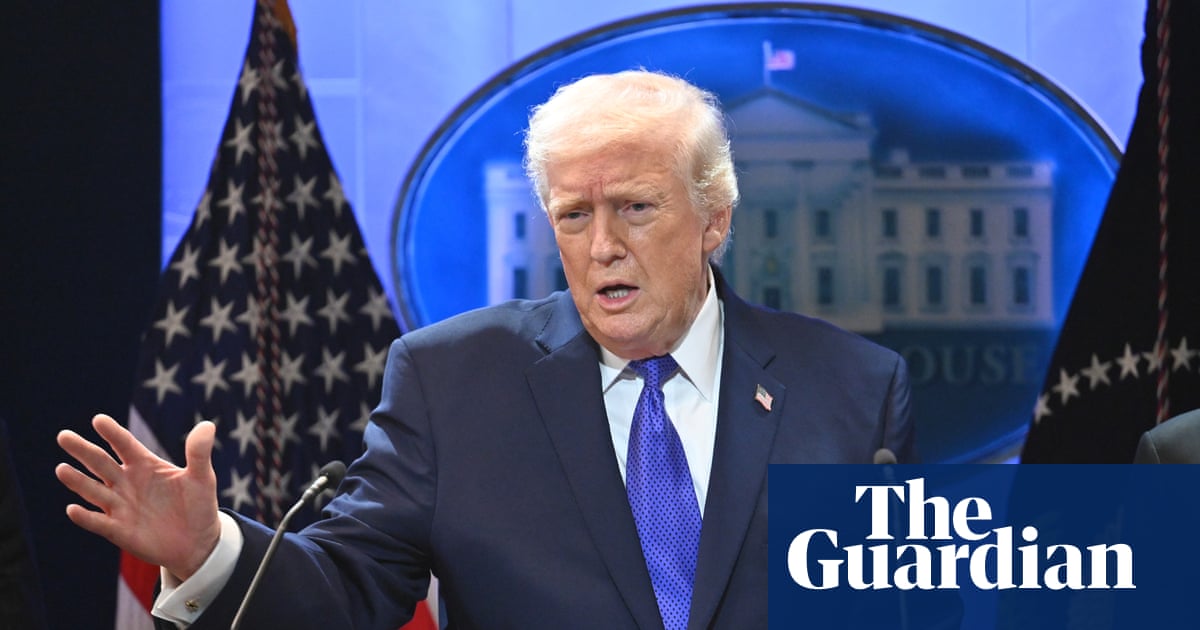
President Trump blasted the majority as “fools and lap dogs” and called his own appointees, Justices Gorsuch and Barrett, “an embarrassment to their families” for voting against him. He signaled he would not proactively issue refunds, suggesting the process could be tied up in litigation for two to five years.
Immediate impact on tariff collection and refunds
US Customs and Border Protection halted the collection of IEEPA-related tariffs at 12:01 a.m. EST on February 24, 2026. Tariffs imposed under other legal authorities, such as Section 232 for steel and aluminium and Section 301 for unfair trade practices, remain in full effect.
The ruling invalidated tariffs that were expected to generate roughly $1.4trillion to $1.5trillion over the next decade. The decision may force the government to refund between $100billion and $175billion to importers who paid the illegal duties.
While the Treasury has sufficient liquidity, with approximately $850billion in cash balance, the administration has signaled resistance to automatic payouts. Without replacement tariffs, the average US household would have saved between $600 and $1,200 in 2026.
The Supreme Court did not provide specific instructions for refunds, leaving the process to be settled by the US Court of International Trade and lower courts.
Companies must audit their imports to distinguish between invalidated IEEPA duties and active Section 232 or 301 duties, including steel, aluminium and certain Chinese goods. Importers must proactively file Post Summary Corrections or administrative protests with Customs and Border Protection to preserve their right to refunds, a process likely to take years.
Large corporations with dedicated legal teams are expected to recover funds more easily, while smaller firms may struggle with the complex administrative burden of seeking reimbursements.
Trump imposes new 15 percent global tariff
Additional sources: CNN, NYTimes, Bloomberg, Financial Times, CNBC, The Guardian, Reuters
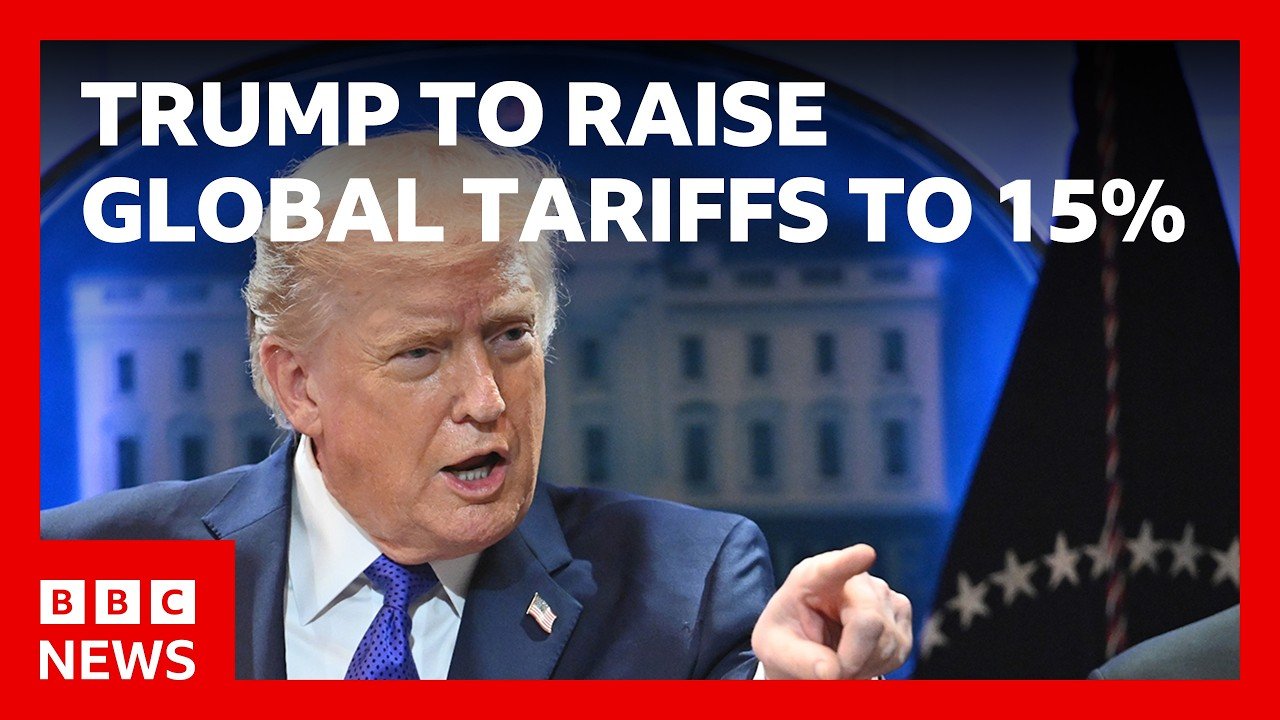
Within hours, President Trump announced a 10 percent global tariff under Section 122 of the Trade Act, which he raised to 15 percent the following day, February 21, claiming these “stronger” authorities would more than offset lost revenue. These tariffs are temporary and valid for 150 days, approximately five months. Any extension beyond this period requires Congressional approval.
Originally announced as 10 percent on Friday evening, Trump later raised the rate to 15 percent on February 21. The new levies are set to take effect at 12:01 a.m. on February 24, 2026.
Administration officials have clarified that the 10 percent rate is a “baseline” while they finalize the legal paperwork required to hike it to 15 percent later.
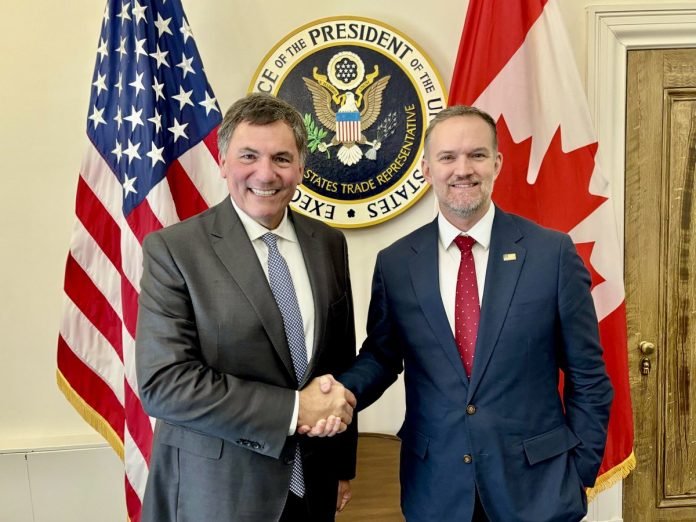
Exemptions include goods covered under the USMCA with Canada and Mexico, specific products including pharmaceuticals, critical minerals and certain agricultural goods like beef and tomatoes, and items already subject to separate national security tariffs such as steel, aluminium and motor vehicles.n
Global reaction and trade disruption
Additional sources: Reuters, BBC, Al Jazeera, PBS, TIME
The sudden shift to a “one-size-fits-all” 15 percent rate has created a mix of economic winners and losers. Countries previously hit with much higher rates, such as China, Brazil and India, will see their effective US tariff rates decline, with China down from around 32 percent.
China called for the US to lift all unilateral tariffs and return to international trade norms. India is reportedly delaying finalisation of its trade agreement with the US.
Nations that had negotiated preferential 10 percent deals, including the United Kingdom, Australia and Singapore, now face an unexpected increase to 15 percent. The UK said it is currently in negotiations with the US and that “nothing is off the table.”
The European Union has frozen ratification of its recent trade deal with the US, citing “pure tariff chaos” and a violation of previously agreed terms.
The EU is seeking clarity on how the ruling affects recently signed trade deals that were negotiated under the threat of the now-voided tariffs.
Markets react to “Tariff Chaos”
Additional sources: CNBC, Financial Times, The Guardian
Groups like the National Retail Federation and the US Chamber of Commerce hailed the decision as a win for small businesses and consumers.
Asian and European markets initially rallied; however, the S&P 500 and other major indices fell as investors grappled with “pure tariff chaos” and the lack of a clear timeline for the 15 percent increase.
The US dollar dipped as markets reacted to potential fiscal instability from the massive refund requirements.
Gold surged 3.4 percent to $5,254 as investors sought safety amid tariff chaos. Bitcoin slid over 5 percent, falling below $66,000, continuing a downward trend seen throughout early 2026.
US Treasury yields fell as bond prices rose; the 10-year note yield dropped to 4.033 percent.
Congressional reactions split along partisan lines
Senate Democrats introduced legislation to force the administration to refund the roughly $175billion in collected duties within 180 days, prioritizing small businesses. Minority Leader Chuck Schumer vowed to block any Congressional attempts to extend Trump’s new temporary 15 percent tariffs.
Reaction was split. Staunch allies condemned the Court, but some veterans such as Mitch McConnell and Chuck Grassley lauded the ruling as a restoration of Congress’s constitutional role in trade.
Read also: Trump declares Liberation Day in 2025