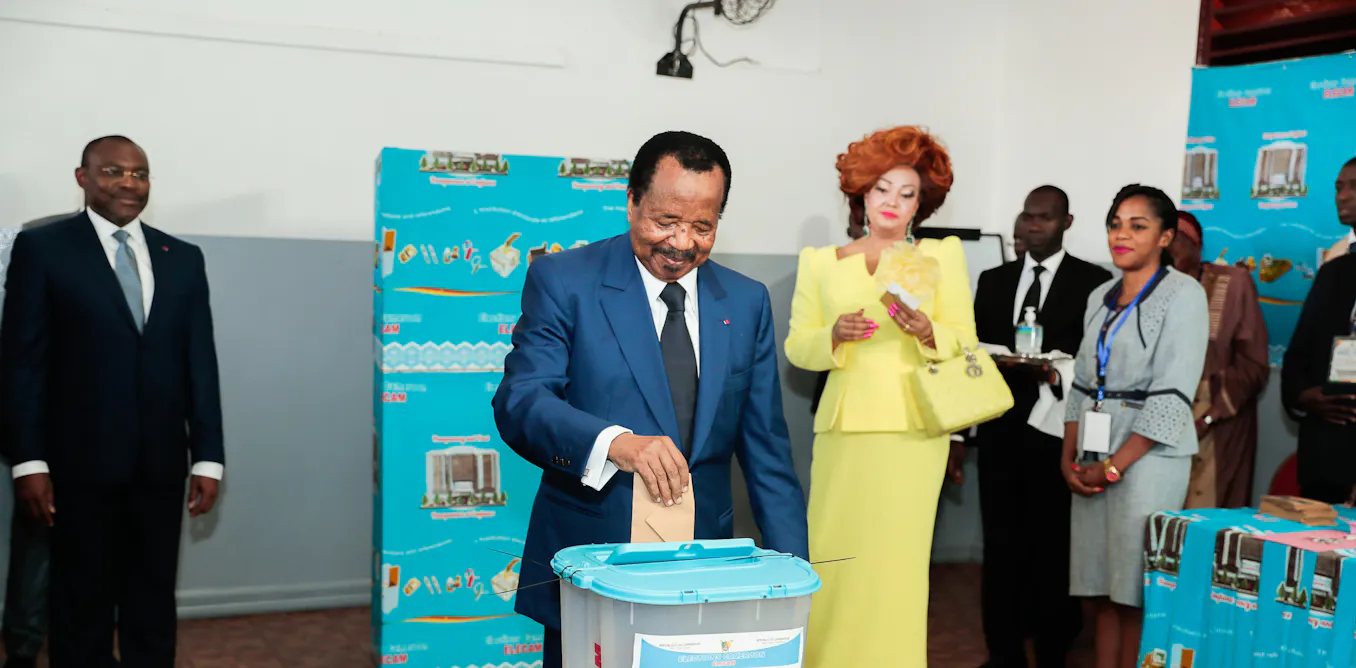
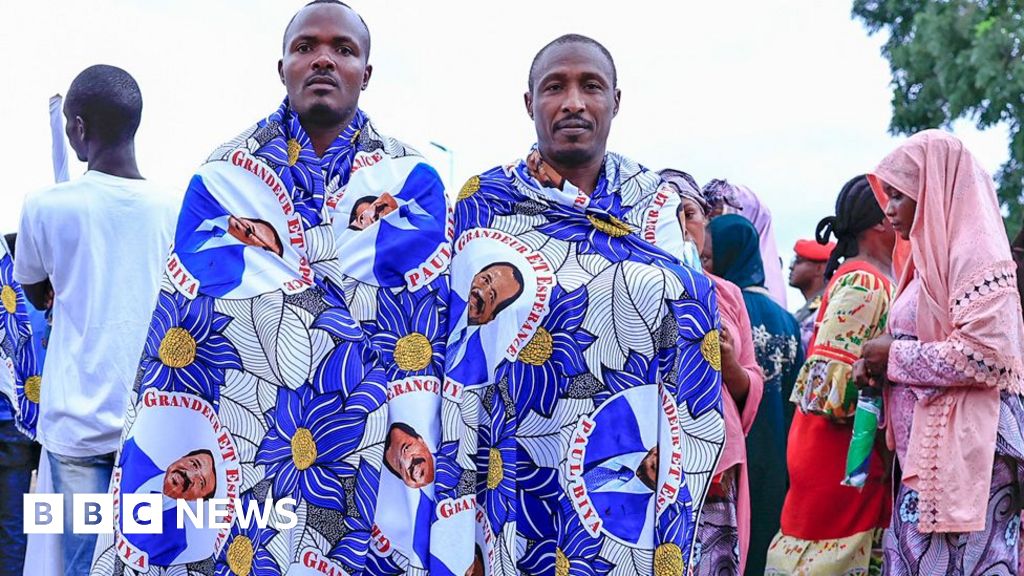
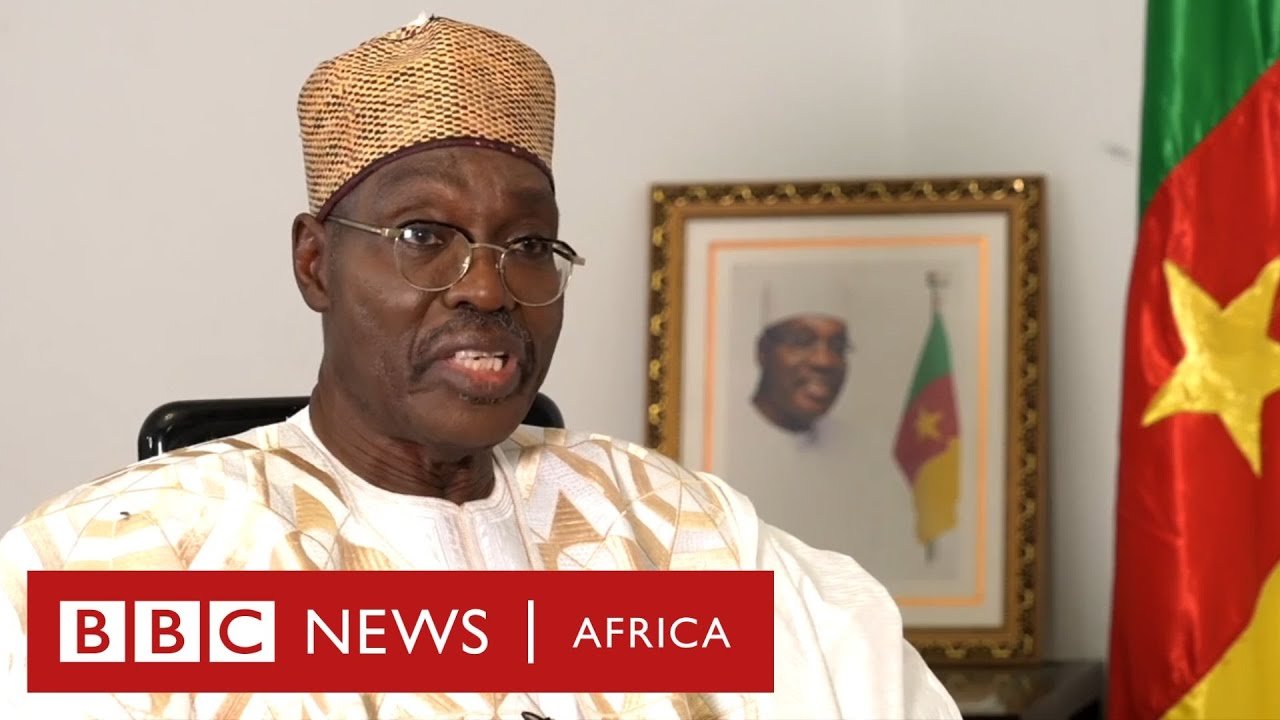
The most recent election in Cameroon was the presidential election held on October 12, 2025, which resulted in the re-election of incumbent President Paul Biya for an eighth consecutive term at 92. He is the world’s oldest sitting president and the longest-serving non-royal head of state, having recently turned 93 years old.
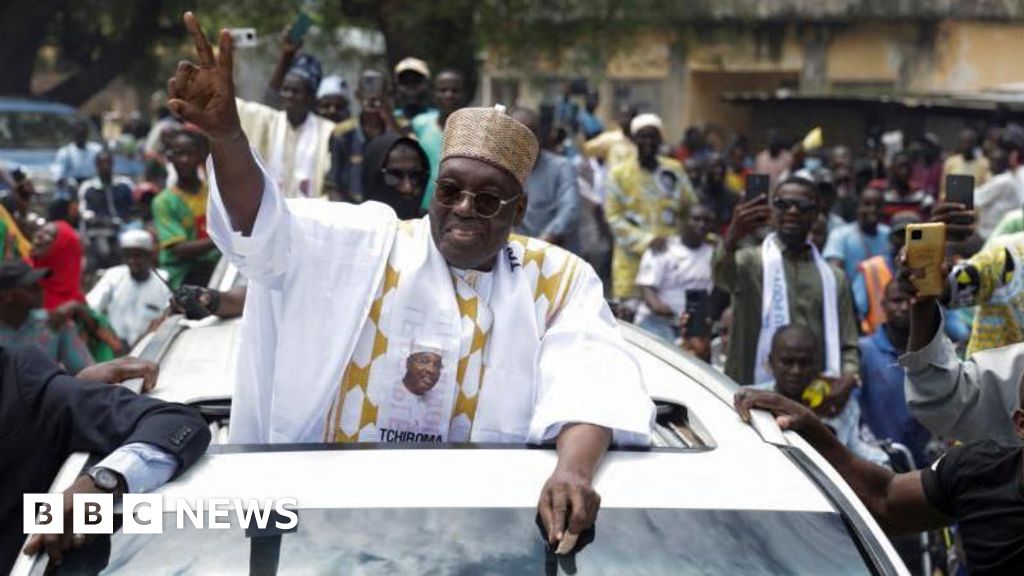
This new seven-year mandate extends his rule until 2032, at which point he would be 99 years old. Biya, who led the Cameroon People’s Democratic Movement, garnered 54% of the vote, while opposition candidate Issa Tchiroma of the Cameroon National Salvation Front received 35% of the vote.
The remaining votes went to two other candidates: Cabral Libii of the PCRN at 3.42% and Bello Bouba Maigari of the UNDP at 2.45%. Voter turnout was just over 53% of the vote. Following his re-election in October 2025, his status as a nonagenarian leader has highlighted a significant generational divide in Cameroon, where over 70% of the population is under the age of 35.
Post-election violence
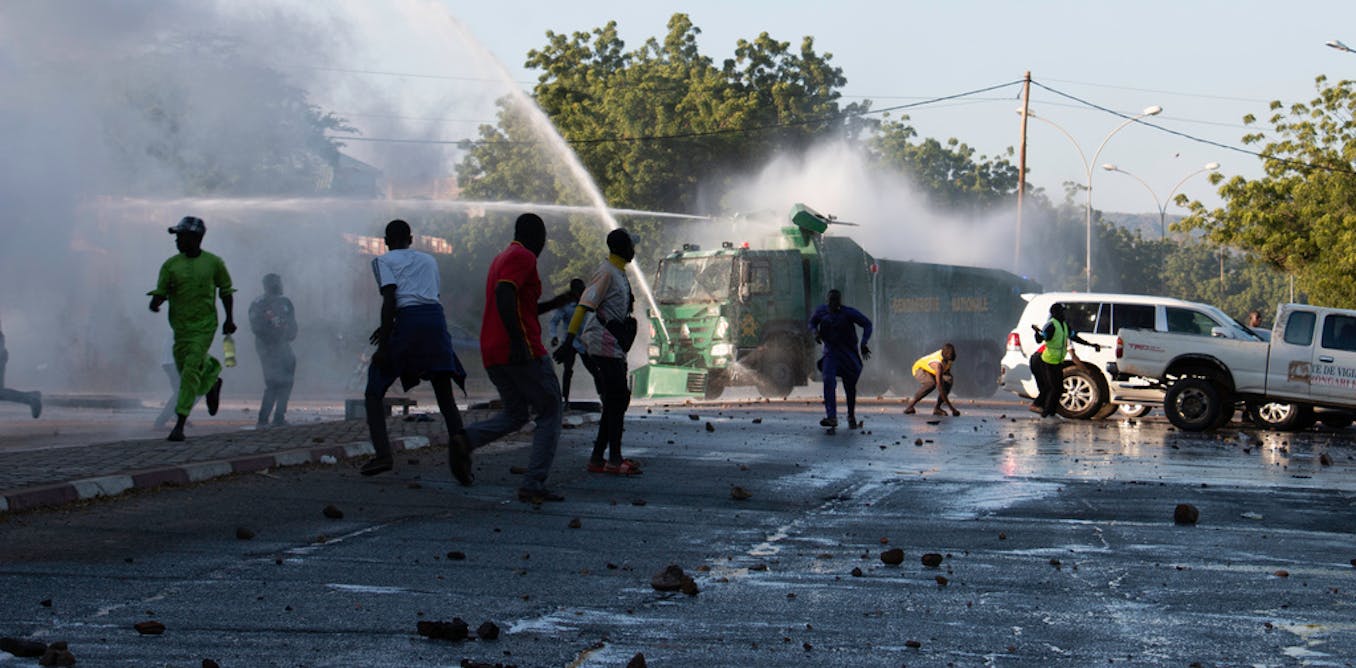
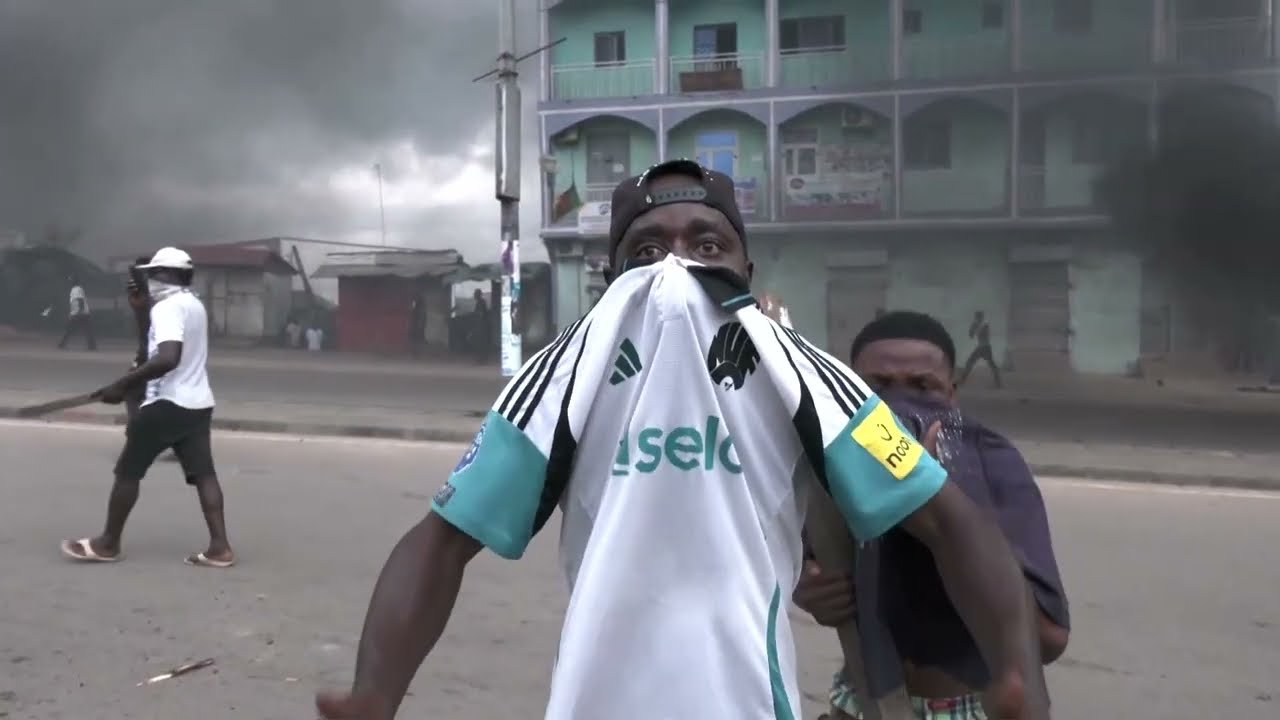
Main challenger Issa Tchiroma Bakary unilaterally declared himself the winner with approximately 55% of the vote, alleging electoral theft and widespread fraud. Deadly protests erupted in major cities including Douala, Yaoundé, and Garoua. Reports on the death toll vary, with initial official figures citing around 5 deaths, while later reports suggested up to 48 deaths due to security force crackdowns.
Following the election, Issa Tchiroma Bakary fled to The Gambia in November 2025 seeking safety after the government threatened legal proceedings for incitement to insurrection. In the restive Anglophone North-West and South-West regions, separatists imposed a boycott. Despite this, official tallies credited Biya with over 80% support in some of these areas, a result heavily questioned by analysts.
Civil disobedience: Dead cities
In response to the official results, opposition leader Issa Tchiroma Bakary called for a three-day national lockdown starting on November 3, 2025. The dead cities, or villes mortes, protest saw high compliance in the Littoral and Western regions, particularly in Douala and Bafoussam, where markets and schools remained closed.
In the North-West and South-West, the protests merged with existing separatist ghost town strikes, bringing public life to a near-total halt.
Mass arrests and detentions
The crackdown led to one of the largest waves of political detentions in recent Cameroonian history. Human rights lawyers and NGO collectives estimate that over 2,000 people were arrested nationwide.
As of late 2025, an estimated 1,300 people were held in Douala, 345 in Bertoua, 300 in Bafoussam, and 55 in Yaoundé. Human Rights Watch reported that many detainees, including minors, were held without being presented before a judge. Some were reportedly taken to the State Defense Secretariat in Yaoundé, a facility notorious for the routine use of torture.
Detainees face severe charges such as hostility against the homeland, insurrection, and rebellion, some of which can carry the death penalty under Cameroonian law.
Reports on the death toll vary significantly between official and independent sources. United Nations sources and organizations like ACLED reported at least 48 civilian deaths, while some opposition groups placed the figure as high as 55. The government eventually acknowledged that dozens had died, with some official updates citing 16 deaths by mid-November. Fatalities were concentrated in Douala, Yaoundé, and Garoua. Reported causes included the use of live ammunition by security forces and severe beatings during the dispersal of crowds.
Government and international response
UN Secretary-General António Guterres expressed deep concern over the excessive use of force and reports of civilian deaths. He called for an impartial investigation into the killings and urged all parties to reject inflammatory rhetoric.
The US government took a technical approach, notably avoiding a direct congratulation on Paul Biya’s election victory. Instead, Secretary of State Marco Rubio congratulated Biya only on his inauguration in November 2025, while emphasizing the need for regional peace and human rights.
The French Foreign Ministry called for the release of all persons arbitrarily detained and expressed concern over the violent repression of protests, stressing that the rule of law must be scrupulously respected.
Critics and the International Crisis Group have characterized the African Union’s response as weak, noting that the body often prioritizes stability and incumbency over calling out flawed electoral processes.
Human Rights Watch denounced the lethal force and mass arrests used against ordinary citizens, stating that the crackdown casts a dark cloud over the election’s legitimacy. Amnesty International and FIDH highlighted a systematic pattern of torture and ill-treatment in detention facilities like the State Defense Secretariat.
In his inauguration speech, President Biya blamed irresponsible politicians and the diaspora for inciting hatred and violence.
Why it matters
Paul Biya’s eighth term extends his rule to nearly 43 years, making him Africa’s longest-serving leader and raising urgent questions about political succession in a country where the majority of citizens are under 35. The disputed election results, deadly crackdown, and mass arrests have drawn international condemnation and deepened divisions between the government and opposition.
With separatist conflicts continuing in the Anglophone regions and a generation of young Cameroonians demanding change, Biya’s pursuit of power until 2032 threatens to further destabilize one of Central Africa’s most important economies.
Read also:
11 pivotal elections that altered the global outlook in 2025
Tanzania Election: Incumbent president’s victory sparks violent protests
2026 Benin Parliamentary Elections
Ivory Coast Presidential Elections: Ouattara secures fourth term