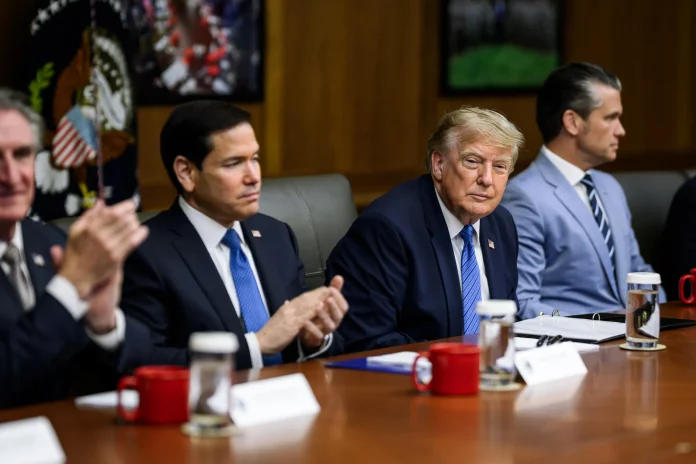
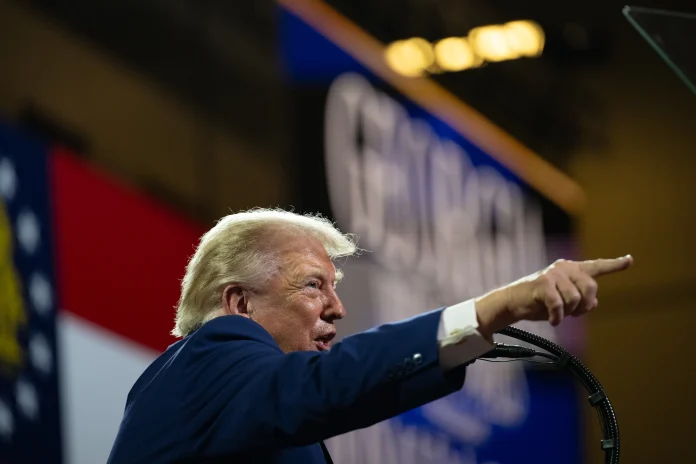
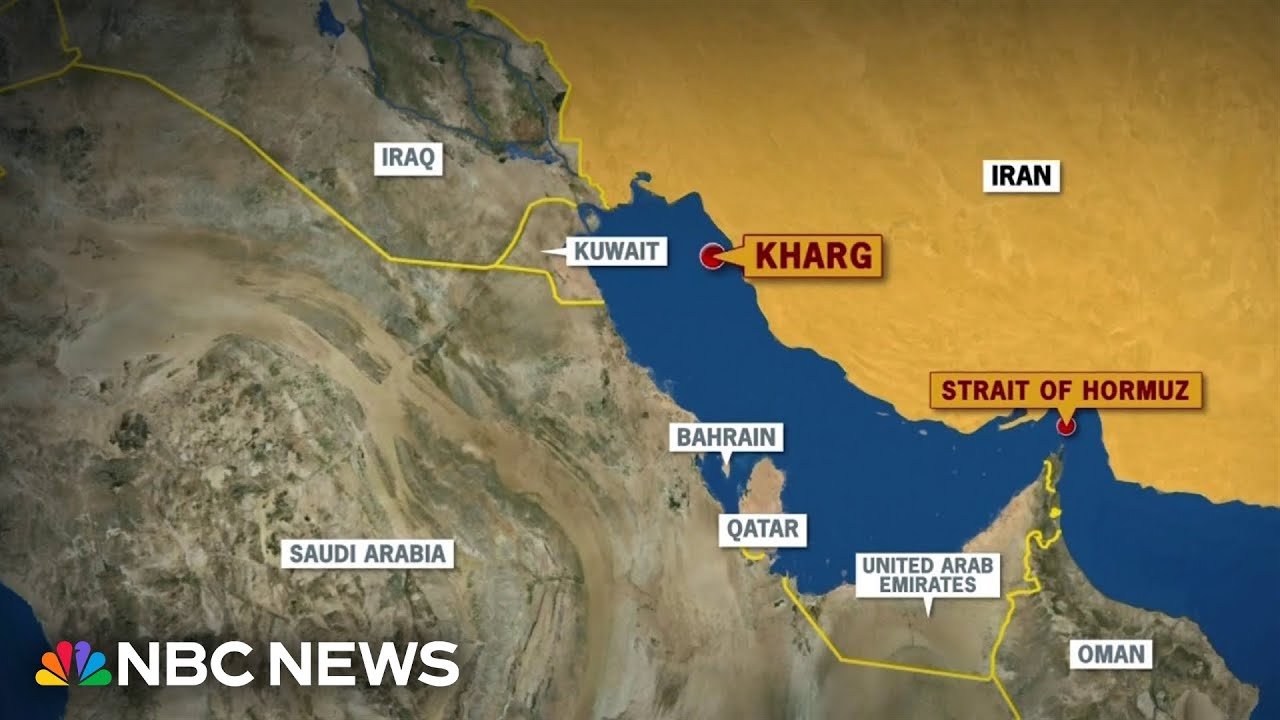
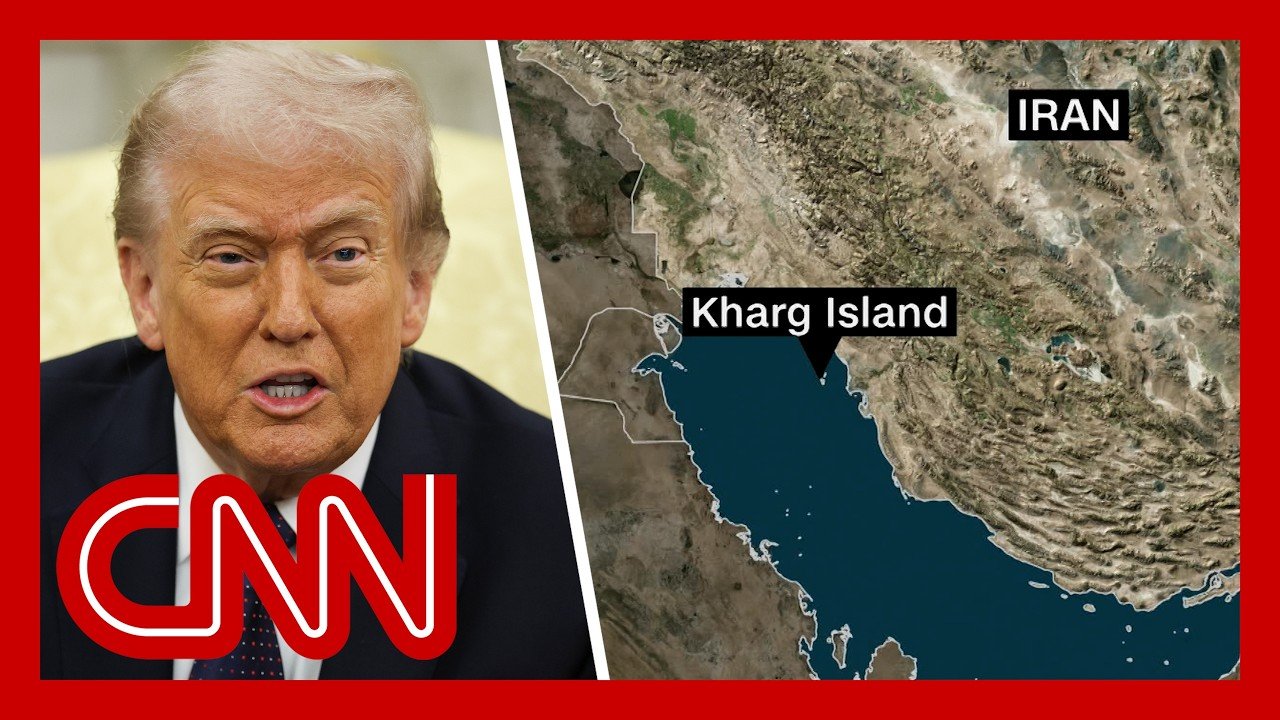
On March 13, 2026, US forces conducted a major bombing raid on Kharg Island, Iran’s primary oil export hub. President Donald Trump announced that the strike “totally obliterated every military target” on the island but intentionally spared its critical oil infrastructure for “reasons of decency”.
Kharg Island handles approximately 90% of Iran’s crude oil exports.
More than 15 explosions were reported, targeting army air-defense systems, the Joshen Sea Base, an airport control tower, and a helicopter hangar. Tehran confirmed the hits on military sites but stated no oil infrastructure was damaged. While the terminal remains intact, the strike significantly weakened the military presence Iran uses to control the nearby Strait of Hormuz.
Trump warned that he would “immediately reconsider” and target the oil infrastructure if Iran continues to interfere with the free passage of ships through the Strait of Hormuz.
The Pentagon is deploying a Marine Expeditionary Unit (roughly 2,500 Marines) and the amphibious assault ship USS Tripoli to the Middle East.
Analysts suggest this gives the US the option to eventually seize and occupy the island. Oil prices rose back above $100 per barrel following the attack, as the conflict continues to disrupt global energy transit.
Iran’s response
Iranian armed forces have threatened to destroy US-linked oil infrastructure across the region in retaliation. The Khatam al-Anbiya Central Command warned that any damage to Iranian oil facilities will trigger immediate strikes on regional energy infrastructure owned by or cooperating with US companies.
Iran threatened to turn these facilities into a “pile of ashes,” specifically signaling potential attacks on oil platforms in Gulf states like Saudi Arabia, Qatar, the UAE, Bahrain, and Kuwait.
CNN: Tehran is considering to allow cargo traded in Chinese yuan
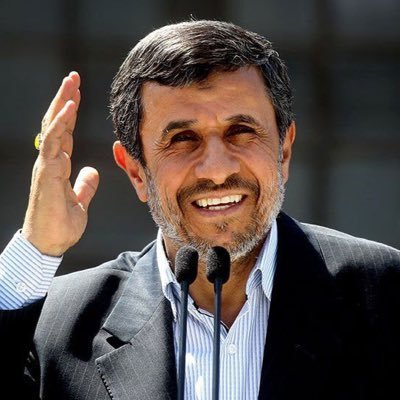
On March 14, a senior Iranian official confirmed to CNN that Tehran is considering a new policy to allow a limited number of oil tankers to transit the Strait of Hormuz, provided the cargo is traded in Chinese yuan.
Despite the conflict and mining of the waterway, at least 11 to 12 million barrels of Iranian crude have successfully reached China since late February, often by tankers “going dark” to avoid detection.
China is currently Iran’s primary energy partner, purchasing over 80% of its crude oil. While most global oil is traded in USD, China has long pushed to expand the use of the yuan in energy markets.
International response
Following the Kharg Island strike, Australia began releasing nearly one-fifth of its national fuel stockpile to address shortages in regional areas as global oil prices surged.
South Korea implemented a maximum price system for petroleum products on March 13. This is the first time the country has capped fuel prices since the liberalization of its oil industry in 1997.
Canada has announced the release of 23.6million barrels of oil as part of a coordinated emergency effort by the IEA. France is reportedly consulting with Asian and Gulf partners to organize warship-led convoys to escort tankers through the Strait of Hormuz.
Read also:
IEA to release record oil reserves amid Iran’s $200-per-barrel threats
Iran War enters ‘most intense’ phase after Trump’s comments on near completion
Strait of Hormuz ‘effective closure’ triggers global energy shock