Information about the latest developments in the US-Iran conflict primarily comes from an Axios report citing three G7 officials briefed on a virtual call held on Wednesday, March 11, 2026.
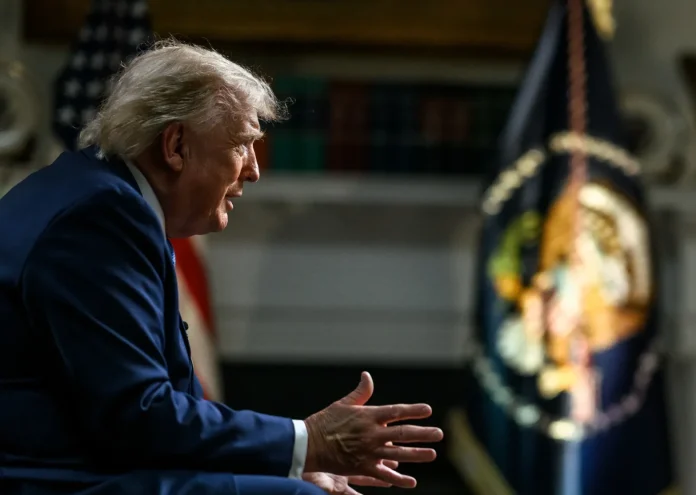
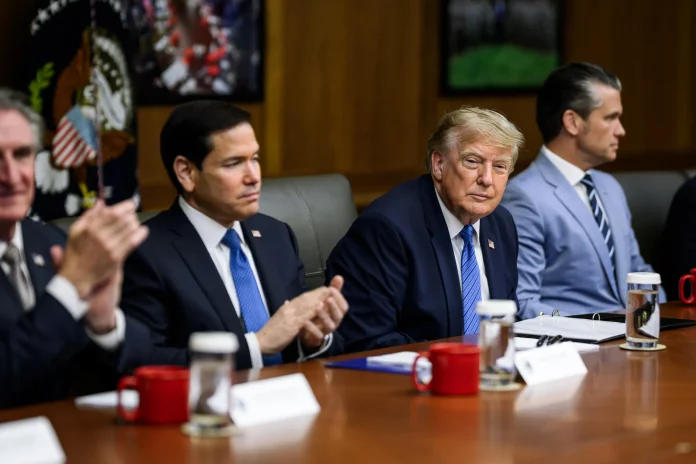
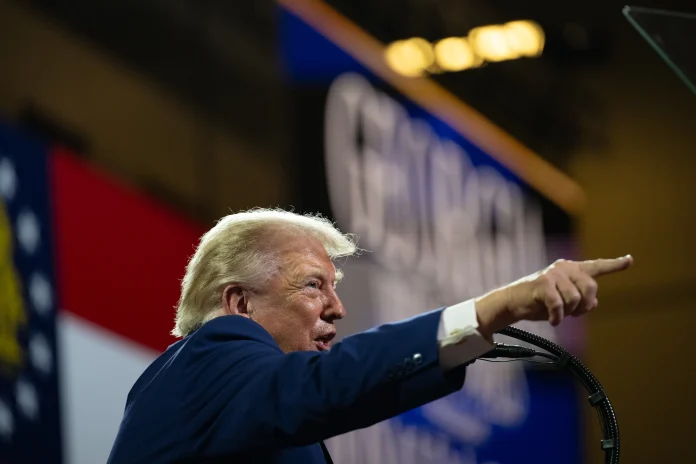
During the call, President Donald Trump expressed high confidence in the outcome of Operation Epic Fury, describing the operation as having “got rid of a cancer that was threatening us all.” He added that “nobody knows who is the leader, so there is no one that can announce surrender,” implying the Iranian government has effectively collapsed. In separate public remarks, Trump asserted that Iran’s navy and air force have been destroyed, leaving the country “at the end of the line.”
Despite assurances to allies, the situation on the ground remains volatile. Reports indicate that several G7 leaders remain deeply concerned about the economic fallout, including oil prices staying above $100 a barrel, and have urged a swift end to the conflict.
New Supreme Leader issues defiant statement
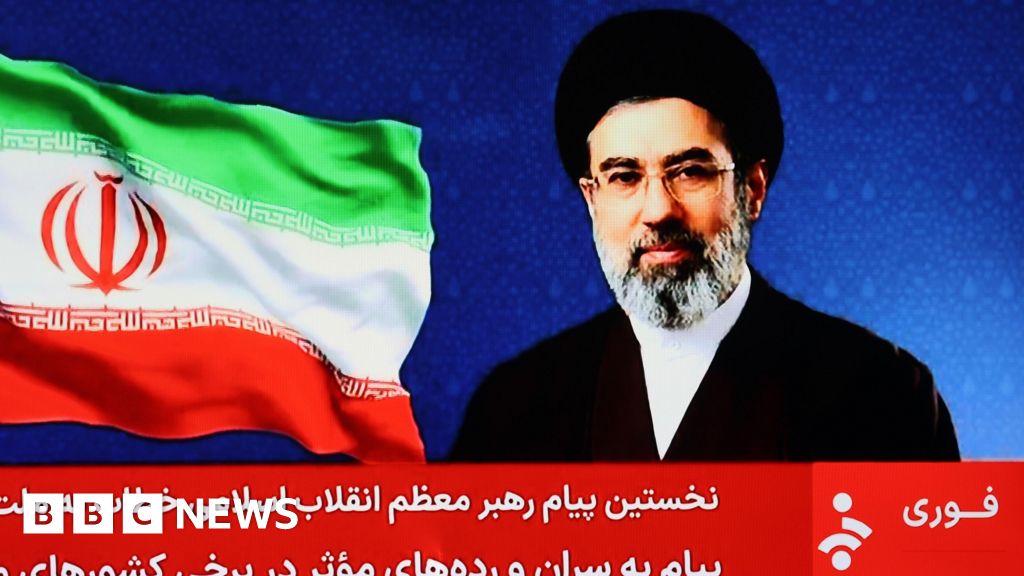
Just 24 hours after Trump’s claim, Iran’s new Supreme Leader, Ayatollah Mojtaba Khamenei, issued a statement vowing to continue fighting and maintain the blockade of the Strait of Hormuz.
In his first public statement as Supreme Leader on March 12, Khamenei signaled a hardline continuation of the conflict, emphasizing economic warfare and regional retaliation. He explicitly called for the “lever of blocking the Strait of Hormuz” to remain active to pressure the United States and Israel.
Khamenei demanded that neighboring Gulf states immediately close all US military bases on their territory, warning that any facility serving as a “launchpad” for attacks against Iran would remain a target. He also claimed that “studies have been carried out” regarding opening new fronts in areas where the enemy is “extremely vulnerable”, though he did not specify locations.
Promising to “avenge the blood of martyrs”, Khamenei specifically mentioned his father, the late Ali Khamenei, as well as his wife and children killed in recent strikes, including the attack on the Shajareh Tayyebeh school in Minab. He stated Iran would seek financial reparations for war damages and warned that if refused, Iran would seize or destroy an equivalent amount of “enemy property.”
Supreme Leader’s absence fuels speculation
The statement was read by a news anchor on state television over a still photograph; Khamenei did not appear in person or via video. His absence has fueled intense speculation about his physical condition.
Official sources claim he was only “lightly wounded” in the face and foot during strikes on February 28, but he has not made a public appearance since his appointment on March 8. US Defense Secretary Pete Hegseth said during a Pentagon briefing that Khamenei is “wounded and likely disfigured” following US and Israeli military strikes.
CNBC also reported that Iran’s new Supreme Leader has a new “verified” account on X.
Mixed signals from Iran’s leadership
Hours before Khamenei’s statement, Iran’s UN Ambassador Ali Bahreini claimed Tehran had “no intention” of blocking the Strait, creating a sharp contradiction between Iran’s diplomatic corps and its supreme leadership.
Iranian President Masoud Pezeshkian reportedly hinted at a possible return to negotiations, but only under strict conditions. During high-level phone calls with leaders of Russia and Pakistan on March 11 and 12, he outlined three key demands, which he later posted on X:
First, formal international recognition of Iran’s “legitimate rights,” particularly regarding its nuclear program and sovereign territory. Second, financial reparations for the widespread destruction caused by US and Israeli air strikes since the war began on February 28. Third, firm international guarantees that Iran will not face future acts of aggression or “terrorist provocations” after a ceasefire.
Israel issues veiled threat and expands strikes
Both US-Israeli forces and Iranian proxies continued to exchange heavy drone and missile strikes through Friday, March 13.
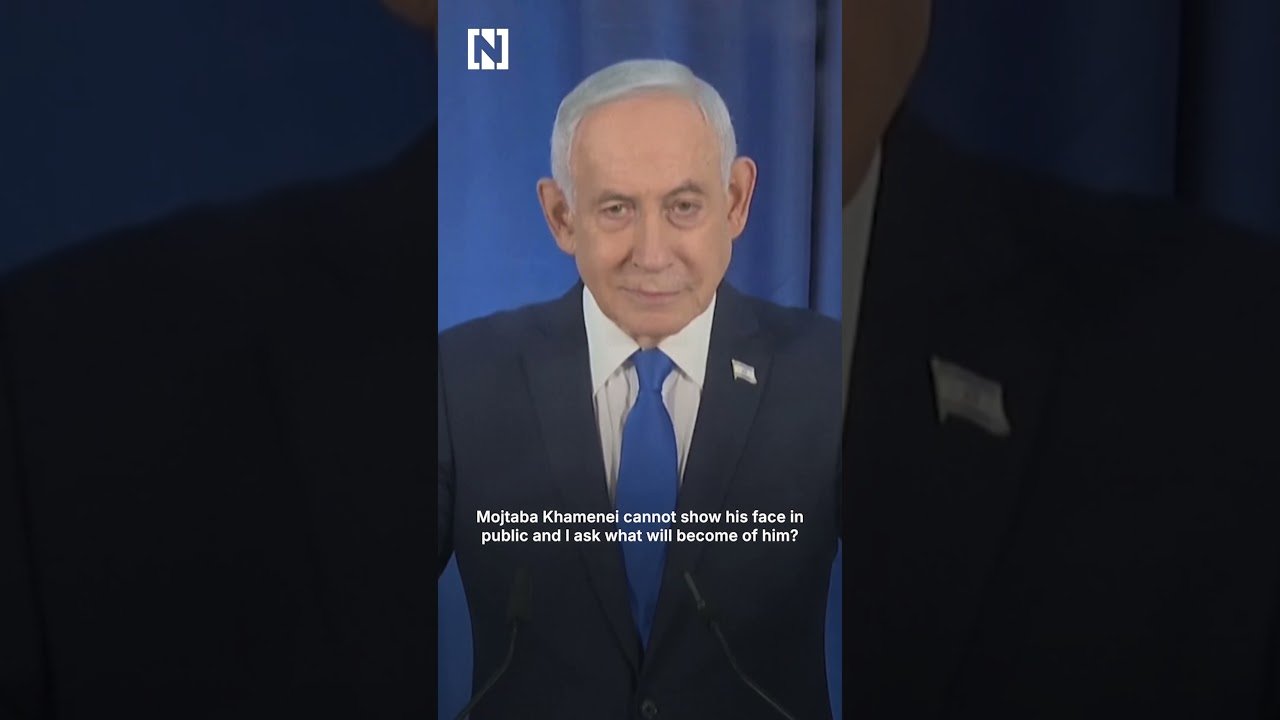
Prime Minister Benjamin Netanyahu issued a veiled threat against Mojtaba Khamenei, stating he “wouldn’t take out any life insurance” on him. In his first press conference since the war began, Netanyahu said that while a total collapse of the clerical government is not yet guaranteed, Israel’s strikes have ensured Iran is “no longer the same” as it was two weeks ago.
Netanyahu directly addressed the Iranian people, claiming a “new path of freedom” is approaching and that Israel stands by protesters. He described the relationship with President Trump as an “unprecedented alliance” and said the end of the war would be a “mutual decision.”
Military operations intensify across the region
The IDF launched strikes on Law Enforcement Command headquarters and Basij checkpoints in Tehran and Khuzestan Province to degrade the regime’s ability to suppress internal protests. Footage released showed a new tactic using precision drones to target paramilitary security posts in urban areas.
Israel confirmed strikes on the Taleghan 2 facility at Parchin and claimed to have killed several top Iranian nuclear scientists. Israel also intensified its campaign in Lebanon, striking over 70 targets in Beirut by air and sea. The IDF Chief of Staff stated the objective is the total disarmament of Hezbollah.
Hezbollah launched approximately 200 rockets into northern Israel on March 12 to 13, triggering widespread air sirens and forcing residents into shelters. Roughly 300 homes were reportedly damaged. Missile debris and direct impacts caused structural damage in central cities including Beit Shemesh, Yehud, Petah Tikva and Bat Yam.
Iranian strikes reportedly hit sites near a power station in southern Israel, an oil refinery in Haifa and a university in central Israel. On March 13, a direct ballistic missile strike on a residential area in a religious community near Jerusalem killed at least nine people and injured 28, following the deaths of two others the previous day.
Casualties rise in Iraq and Israeli territory
Six US airmen were killed on March 12 when their KC-135 Stratotanker refueling aircraft crashed in western Iraq. US Central Command reported the crash involved another KC-135 in “friendly airspace” and was not due to hostile or friendly fire.
Also on March 12, a French soldier, Chief Warrant Officer Arnaud Frion of the 7th Mountain Infantry Battalion, was killed by an Iranian-made Shahed drone strike targeting a joint French-Kurdish base near Erbil in Iraqi Kurdistan. Six other French service members were wounded in the same strike.
Following the death, the pro-Iranian group Ashab Al-Kahf announced it would target all French interests in the region.
Read also:
Iran’s President apologizes to Gulf states, but rules out ‘unconditional surrender’
Trump asks Iran for ‘unconditional surrender’ and say in appointing its leader