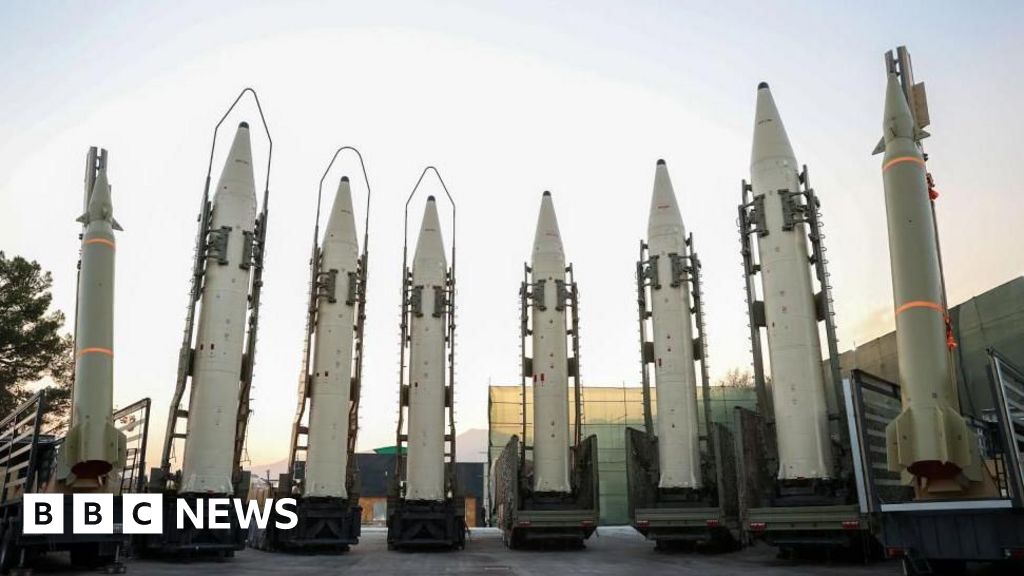
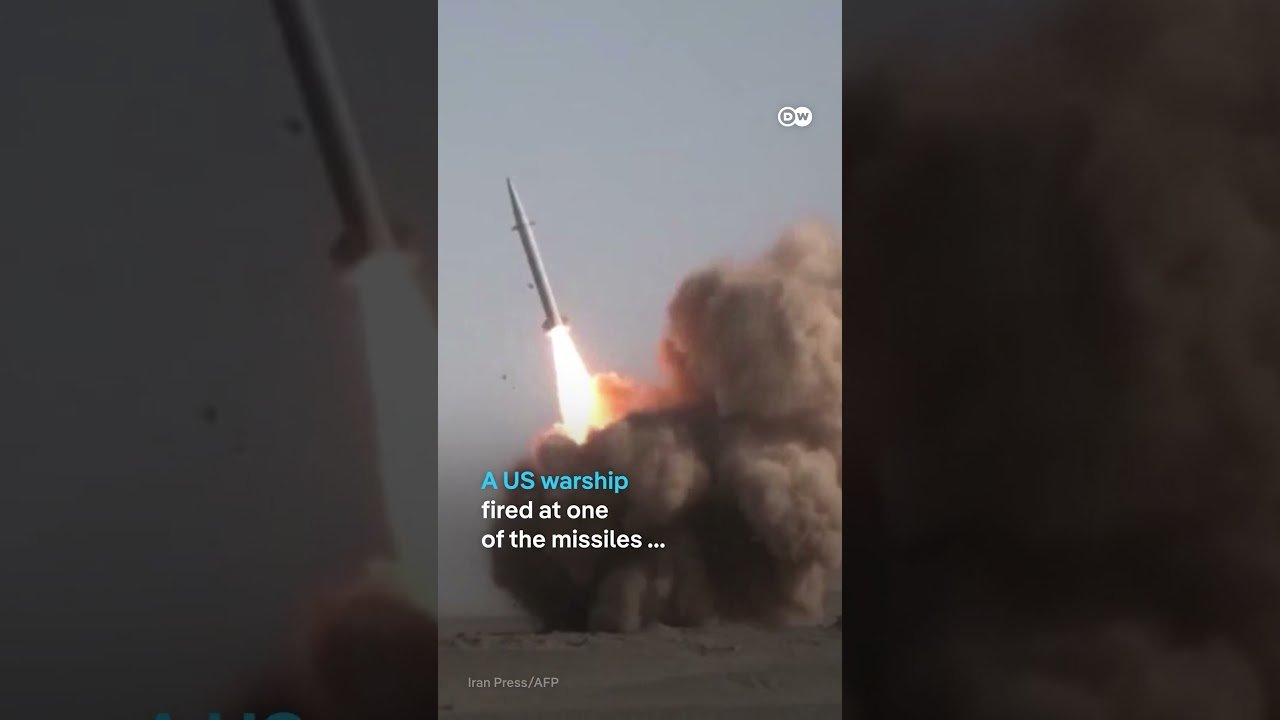
On March 20, 2026, Iran allegedly launched two ballistic missiles toward the US-UK military facility on Diego Garcia, a remote island in the Indian Ocean, from an estimated distance of 4,000 km.
The attempted strike occurred against the backdrop of escalating regional tensions. Neither missile reached its target. According to US officials, one projectile failed mid-flight, while the second was intercepted by a US Navy warship using an SM-3 missile defense system.
The incident has drawn attention due to its implications for Iran’s missile capabilities. Prior to this event, Tehran had publicly maintained that its missile range was limited to 2,000 km.
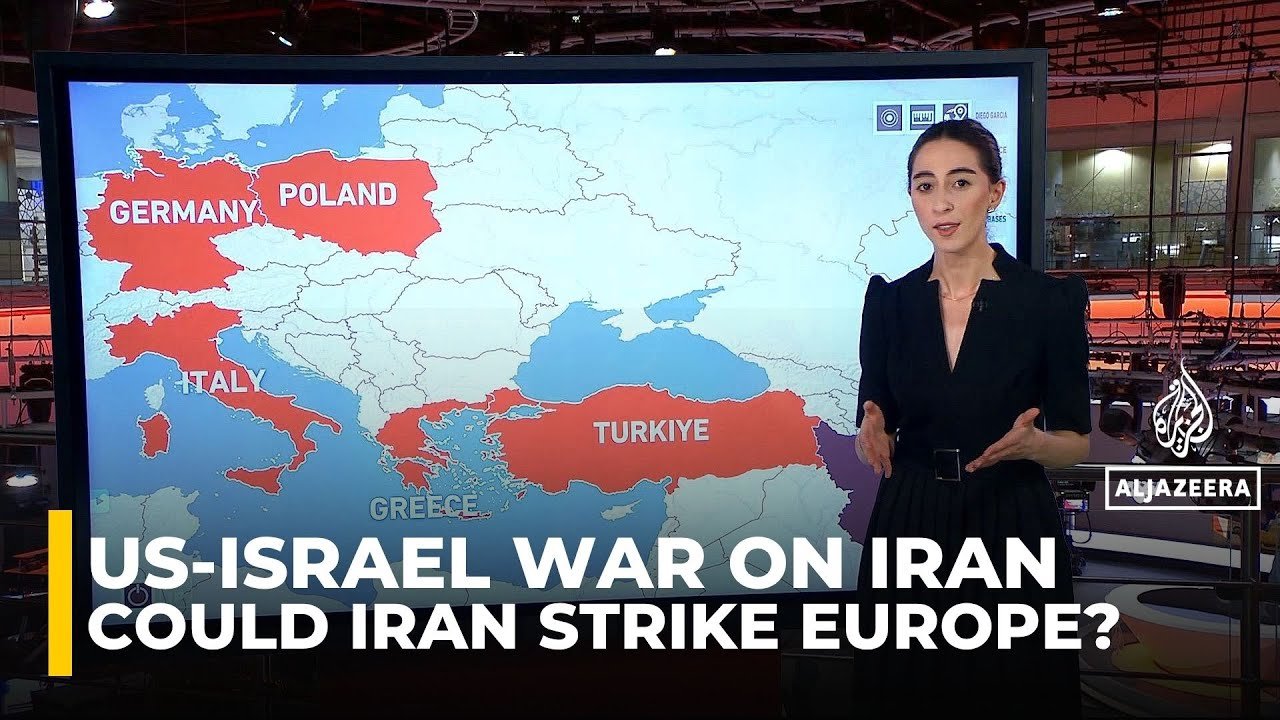
Analysts say the reported 4,000 km trajectory, if verified, would significantly extend Iran’s strike reach, potentially placing major European capitals such as London, Paris, and Berlin within range.
UK condemnation and policy shift
The UK Ministry of Defence confirmed the “unsuccessful targeting” of Diego Garcia and condemned what it described as Iran’s “reckless attacks.”
In response, the British government updated its policy to permit the United States to use the base for “specific and limited defensive operations” aimed at degrading Iranian missile infrastructure.
Speaking in Parliament, UK Defence Secretary John Healey said neither missile came close to the base and emphasized that British forces were not required to respond, with normal operations continuing.
Iran denies responsibility
Tehran has denied responsibility for the launch, with officials dismissing the reports as a possible “false flag” operation.
Foreign Minister Abbas Araghchi reiterated that Iran adheres to a self-imposed 2,000 km limit on its missile range, well short of the distance required to reach Diego Garcia.
In a call with UK Foreign Secretary Yvette Cooper, Araghchi criticized Britain’s decision to allow US use of the base for strikes, calling it “participation in aggression” and warning it could lead to further escalation.
NATO Secretary General Mark Rutte said the alliance was unable to confirm the origin of the missiles.

Israeli warnings over European threat
Israeli leaders pointed to the incident as evidence of a broader strategic threat.
Prime Minister Benjamin Netanyahu stated that the strike demonstrated Iran’s ability to project force “deep into Europe,” arguing that cities such as Berlin, Paris, and Rome could now be at direct risk. He called for a global coalition to confront what he described as a growing threat from Tehran.
Israel Defense Forces Chief of Staff Lt. Gen. Eyal Zamir identified the weapon as a two-stage intercontinental ballistic missile. He noted that while the missiles were not directed at Israel, their capabilities underscored risks to European nations, adding that Europe could no longer “remain in denial” about the evolving threat.
Israel: Europe can no longer “remain in denial”
PM Netanyahu stated that the strike proved Iran’s capacity to reach “deep into Europe”. He noted the 4,000 km distance to Diego Garcia means capitals like Berlin, Paris, and Rome are now “direct threat” targets. He called for a global coalition to join Israel and the US in confronting the “fanatic regime”.
IDF Chief of Staff, Lt. Gen. Eyal Zamir: Zamir identified the weapon used as a two-stage intercontinental ballistic missile with two rocket engines. He emphasized that while these specific missiles were not aimed at Israel, their existence means European nations can no longer “remain in denial” about the threat.
Read more:
Israel hits South Pars gas field; Iran attacks Qatar, UAE energy facilities
NATO rules out sending warships to Strait; Iran denies ceasefire request