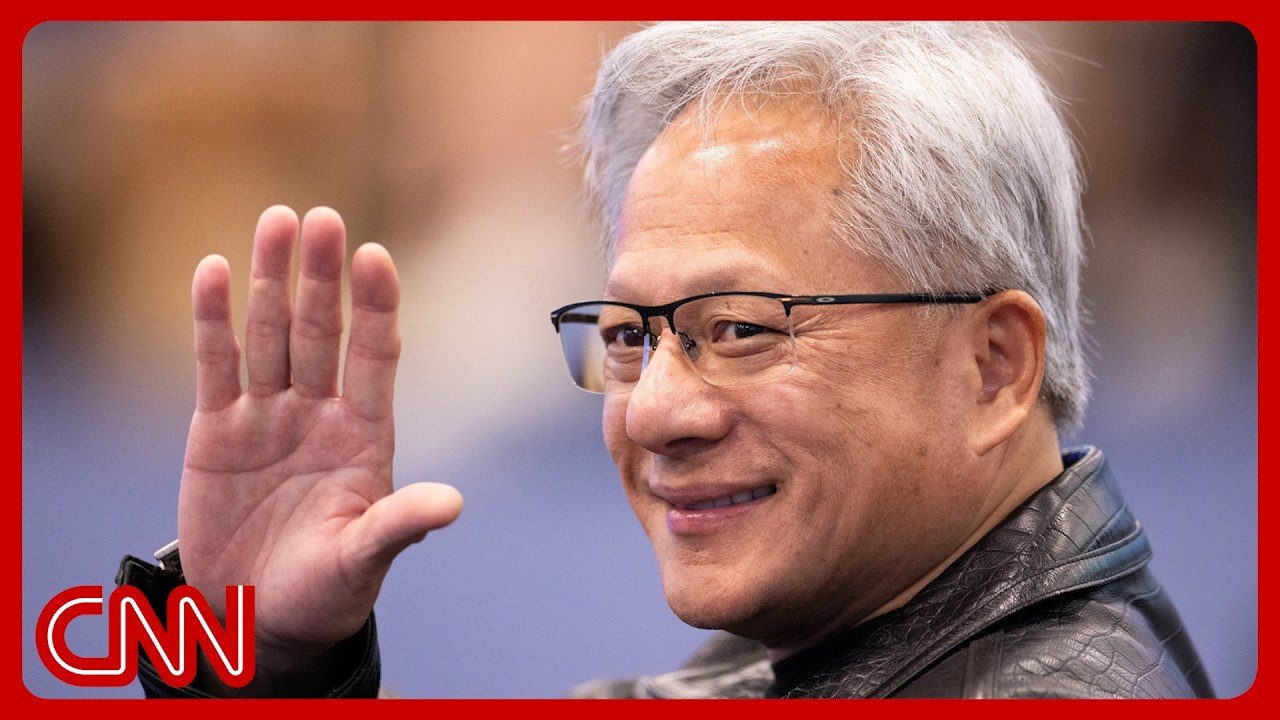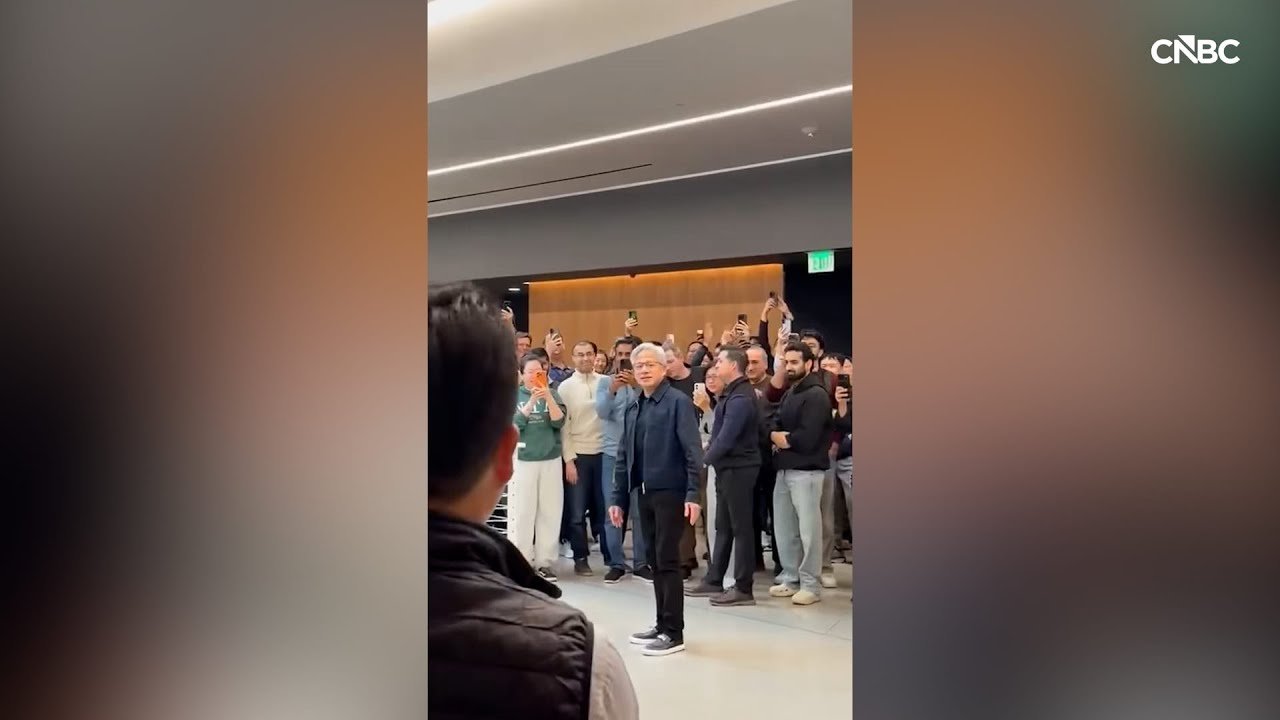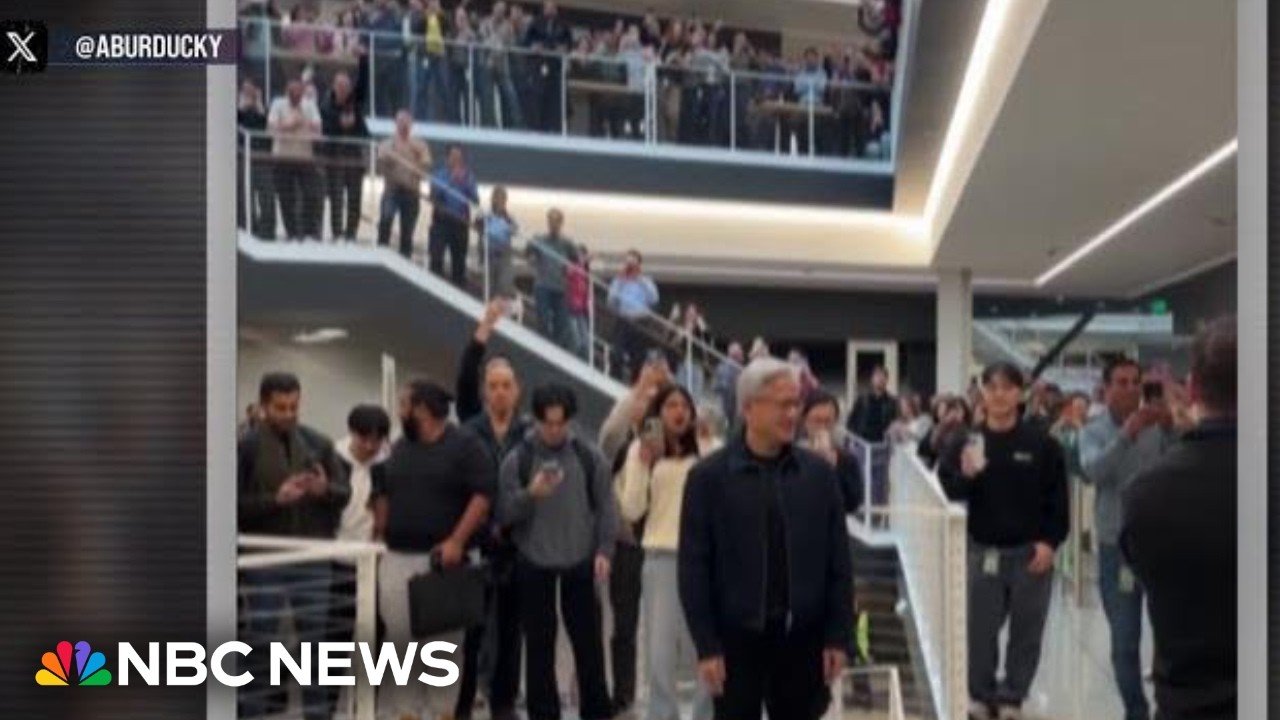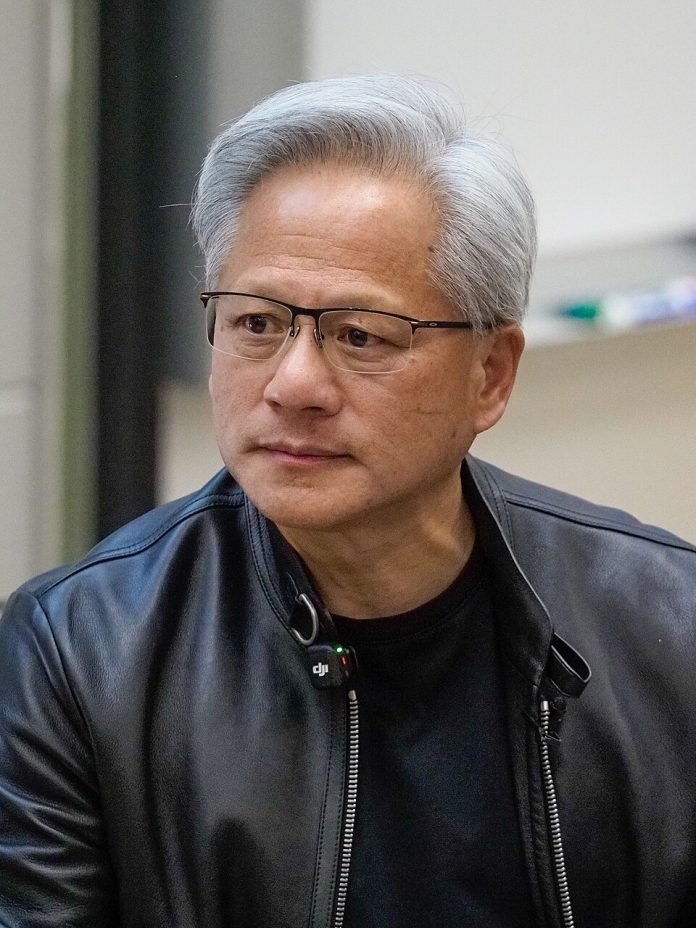








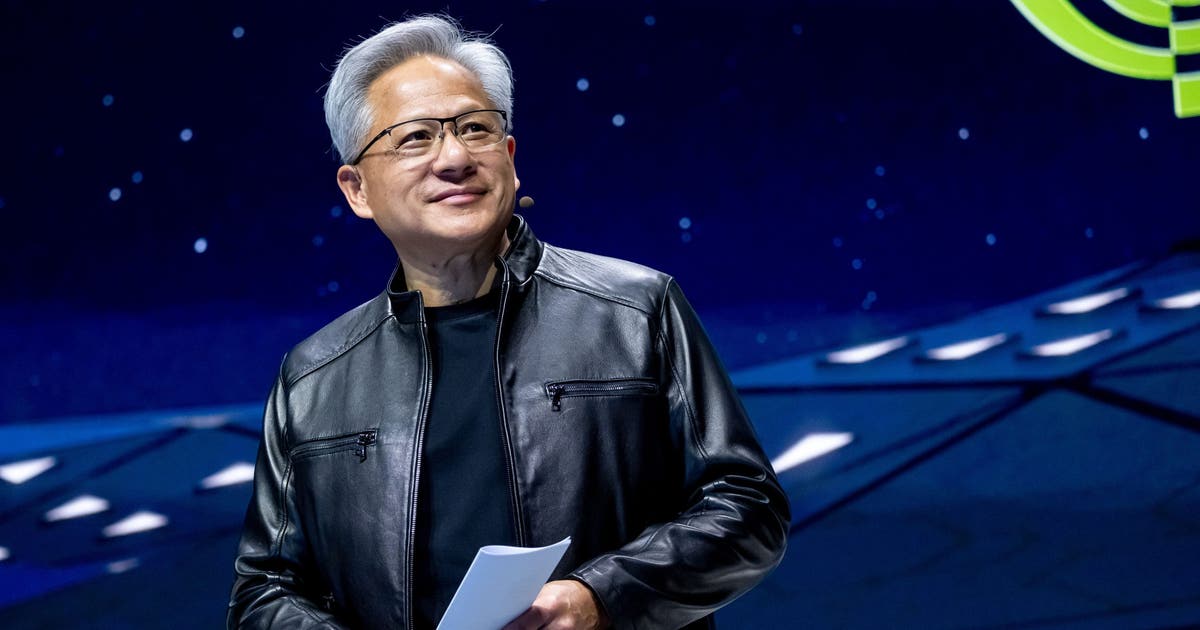
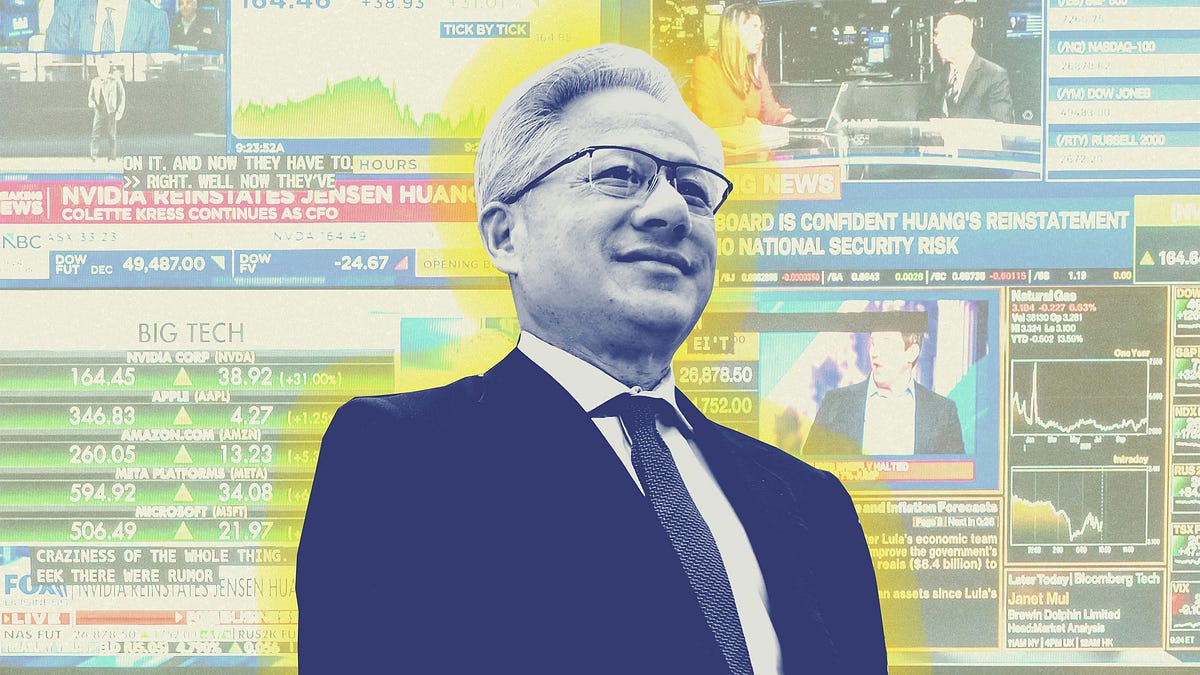
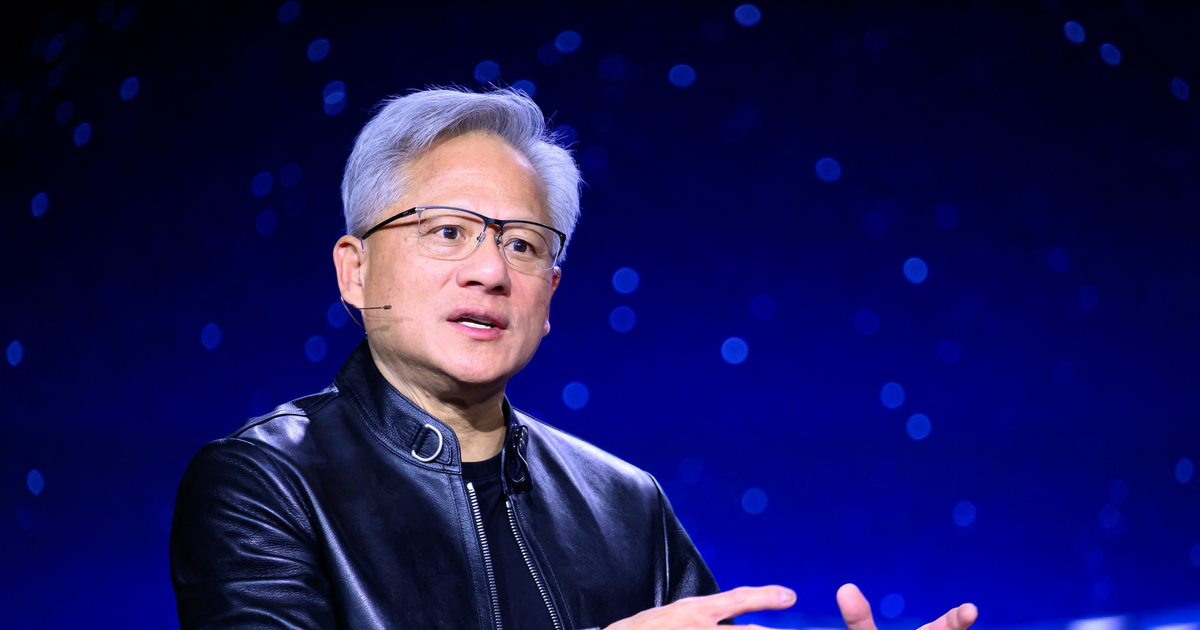









NVIDIA has reinstated co-founder Jensen Huang as president, chief executive officer and board director, ending an 11-day leadership crisis that began after revelations of extramarital affairs and allegations of foreign-intelligence targeting.
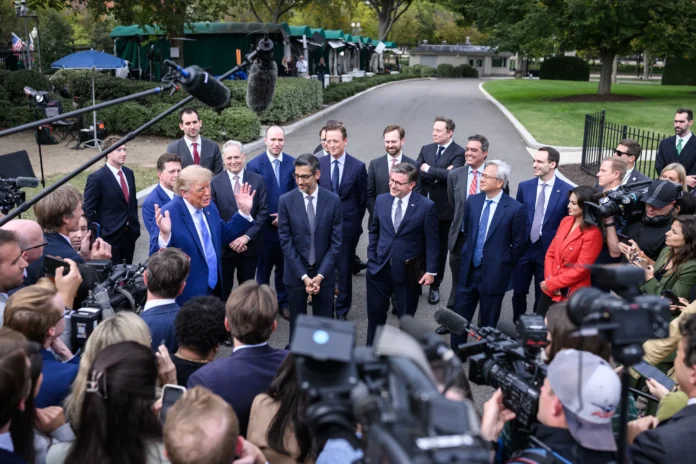
The board’s unanimous reversal, announced November 23, followed direct pressure from President Donald Trump and senior administration officials, who assured directors that Huang’s return posed no national-security risk.
A dramatic reversal
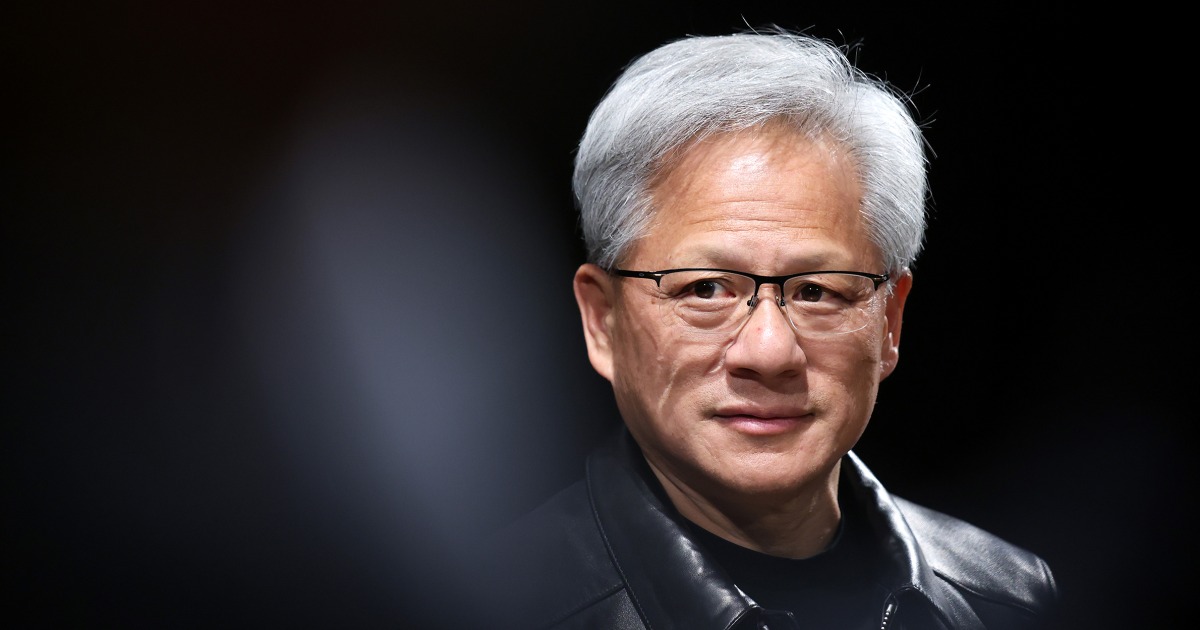
NVIDIA said Huang was reinstated “effective immediately” after a series of discussions and meetings with the board, which said it was satisfied with his candor and ability to lead the company. Board Chair Harvey C. Jones will retain his role, while Chief Financial Officer Colette Kress—who briefly served as interim CEO—returns to her full-time CFO duties.
The decision marked a sharp about-face from the previous week, when Jones said the board had unanimously accepted Huang’s resignation and did not intend to reinstate him as CEO. In its announcement, NVIDIA said the board had received input from “senior levels of the United States government” and was confident that Huang’s reinstatement did not create a national-security risk.
Washington’s role
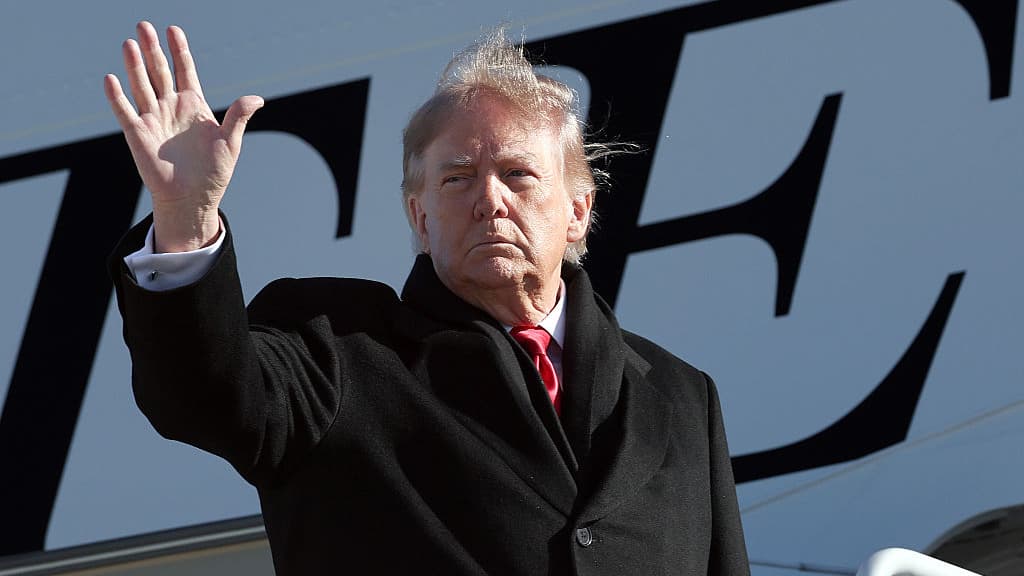
President Trump said he had spoken to NVIDIA’s board directly and indirectly, and told CNBC that he believed his intervention was “very important”. He said he spoke with Huang on Sunday night, adding that Huang told him, “I’m gonna work harder than I’ve ever worked”.
I’m gonna work harder than I’ve ever worked.
Huang told President Trump.
Trump said he and his national-security team did not believe Huang was a national-security threat, and said he had worked with Vice President JD Vance and Treasury Secretary Scott Bessent to support Huang’s return. The White House’s involvement came amid intense pressure from Silicon Valley executives, investors and Huang’s allies, who argued that his removal was hasty and risked destabilizing the company at the center of the AI boom.
The allegations behind the resignation
Huang resigned on November 12 following reports that he had at least two extramarital affairs. One involved Alice Huang, then an executive at NVIDIA partner Megaspeed, whom US officials believed was working with Chinese intelligence.
NVIDIA said it had formed a committee of independent directors to investigate whether Huang shared corporate or national-security information during that relationship. The company said Huang fully supports the investigation and is committed to cooperating with it; the probe will proceed to a conclusion.
NVIDIA is also facing a separate Securities and Exchange Commission inquiry into whether its disclosures misled investors, according to The Wall Street Journal. The company said it will continue cooperating with ongoing government investigations and inquiries.
Governance overhaul
Alongside Huang’s return, NVIDIA announced a broader compliance and national-security restructuring:
- A new National Security and Export Control Committee, composed solely of independent directors, will oversee trade compliance and national-security risks.
- The committee is engaging national-security counsel and will retain outside advisers with relevant expertise.
- NVIDIA has begun searching for a Chief Compliance Officer, a new role that will report to the Nominating and Corporate Governance Committee.
The moves appear designed to reassure regulators, investors and lawmakers that Huang’s reinstatement will not weaken oversight of a company whose chips are central to AI infrastructure and subject to stringent export controls.
Markets react sharply
NVIDIA shares surged more than 30% in afternoon trading after the reinstatement was announced, adding roughly $1trillion to the company’s market value. The rally followed what the Journal described as the company’s worst stretch since 2008, during which the broader S&P 500 also entered correction territory.
Investors appeared to view Huang’s return as a restoration of continuity at a company whose valuation and strategic position depend heavily on his leadership, technical credibility and relationships across the AI industry.
Political fallout
The decision immediately drew criticism from congressional Democrats. Senator Elizabeth Warren called the reinstatement “reckless”, while Senate Minority Leader Chuck Schumer said Democrats would use their full power to investigate any wrongdoing by the Trump administration, Huang, other NVIDIA executives, or anyone “selling out our national security for financial gain.”
Huang is still expected to brief lawmakers next week, with appearances before three House committees and a Senate panel. NVIDIA is also scheduled to host a Washington conference showcasing its technology to developers, customers and other stakeholders.
What comes next
Huang returns to lead a company facing multiple simultaneous pressures: an active internal investigation, a federal securities inquiry, heightened export-control scrutiny, intensifying competition from AMD and Google, and investor concerns about NVIDIA’s role in backstopping the broader AI economy.
For now, the board has bet that Huang’s leadership is indispensable—and that the political and market costs of his absence outweigh the risks of his return. Whether that calculation holds will depend on the findings of the independent investigation, the outcome of government inquiries, and NVIDIA’s ability to demonstrate that its new compliance structure can withstand the scrutiny now surrounding it.