Trump doubles travel ban to 39 countries following DC shooting

Jump to Timeline

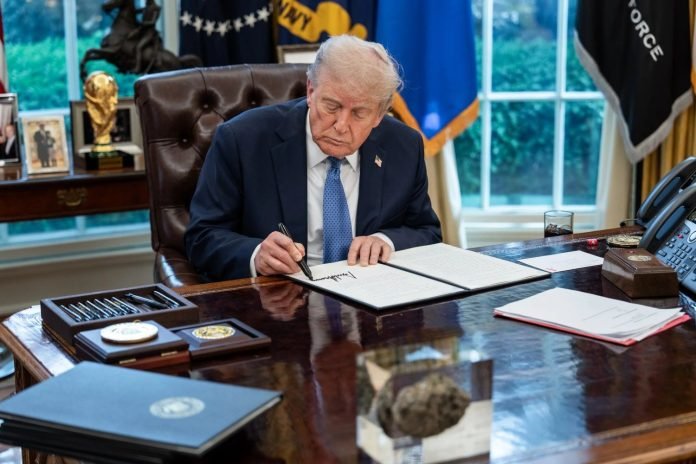
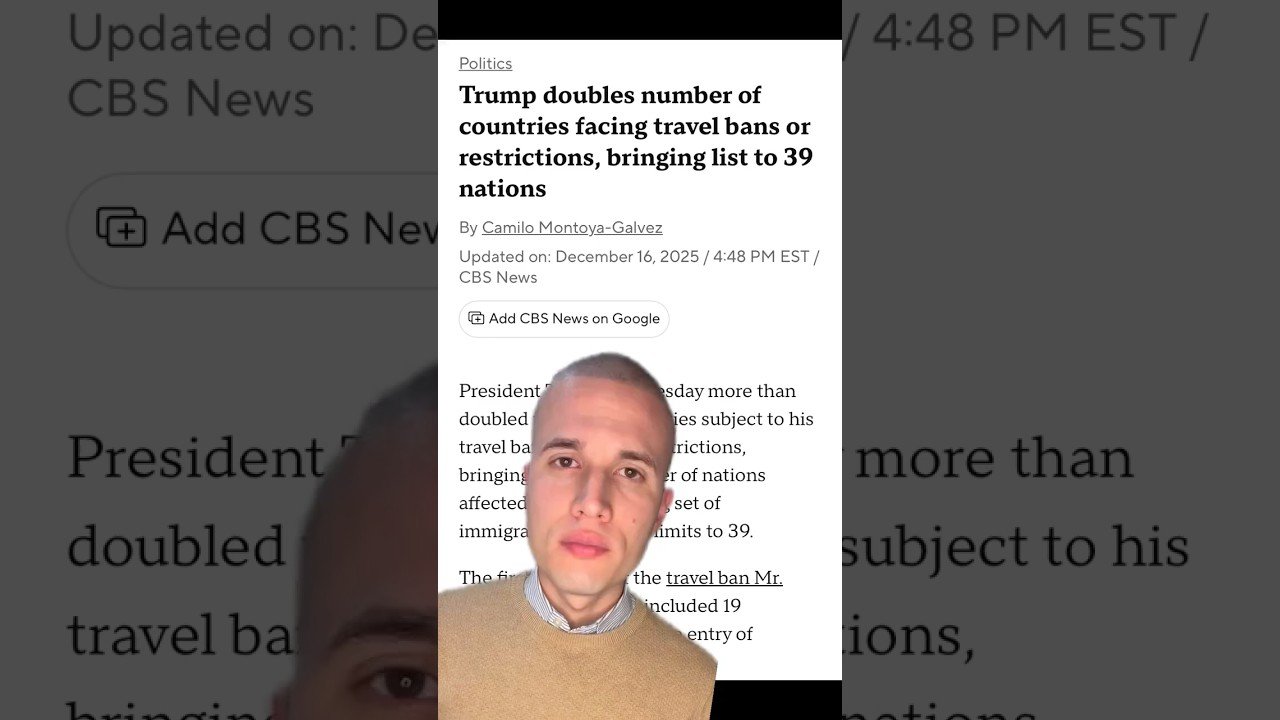
In December 2025, the Trump administration intensified immigration policies by expanding travel restrictions and freezing immigration benefits for individuals from several countries, following a shooting in Washington, D.C. President Trump signed Proclamation 10998 on December 16,, which doubled the number of restricted countries from 19 to 39, effective January 1, 2026.

Earlier, on December 2, US Citizenship and Immigration Services (USCIS) issued a memorandum pausing pending applications for green cards, naturalization, and asylum for individuals from the 19 countries originally listed in the June ban. The December update removed previously allowed categorical exceptions for international adoptions and immediate relatives, requiring case-by-case review.

39 countries now restricted

Five new countries were added to the full ban list: Burkina Faso, Mali, Niger, South Sudan, Syria, and Palestinian Authority (individuals traveling on PA-issued or endorsed travel documents). Two countries (Laos and Sierra Leone) previously on the partial ban list were elevated to a full ban.

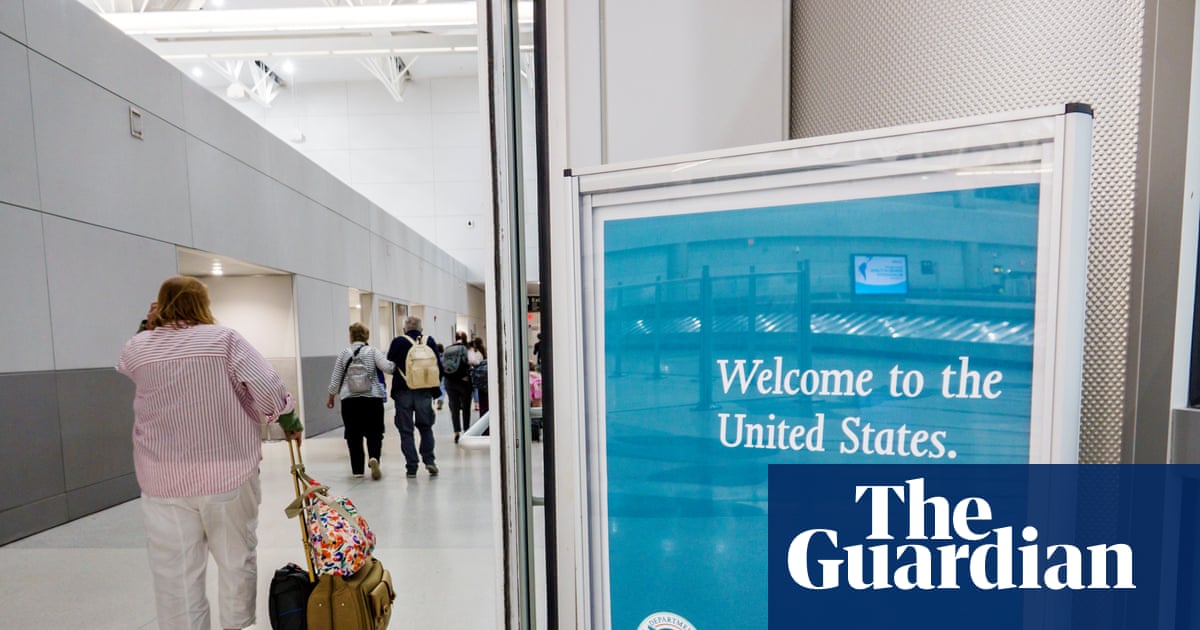
The ban primarily targets foreign nationals outside the US without a valid visa as of January 1, 2026. Lawful permanent residents (green card holders), dual nationals using a non-restricted passport, and certain athletes generally remain exempt.

DC shooting killed National Guard Specialist

The incident in Washington, D.C., frequently cited by the Trump administration to justify the December 2025 travel ban expansion, was a shooting that occurred on November 26, 2025. Two members of the West Virginia National Guard — Staff Sergeant Andrew Wolfe (24) and Specialist Sarah Beckstrom (20) — were shot while on duty as part of a federal deployment to the city. Specialist Beckstrom died from her injuries the following day, while Staff Sergeant Wolfe survived with critical injuries.

Authorities identified the lone gunman as Rahmanullah Lakanwal, a 29-year-old Afghan national. He had arrived in the US in September 2021 under Operation Allies Welcome and was granted asylum in April 2025.

Lakanwal previously served in “Unit 03,” a CIA-backed elite counterterrorism paramilitary unit in Afghanistan. President Trump labeled the attack an “act of terror” and an “act of hatred.” The administration used the event as a primary justification for several immediate immigration crackdowns.

USCIS then indefinitely halted all immigration applications for Afghan nationals on November 27. Shortly after, the administration paused all asylum decisions across the country.

International leaders criticize ban as discriminatory

Immigrant rights groups have filed lawsuits challenging these bans, citing discrimination and lack of legal basis. Leaders in countries like Tonga expressed anger, arguing their nations posed no security threat to the US Amnesty International labeled the expansion “discriminatory, racist, and downright cruel,” while World Relief urged against judging entire groups based on the actions of one individual.

EU officials, including Emmanuel Macron, accused the US of “coercion and intimidation” after visa bans were applied to Europeans involved in regulating tech platforms. Major institutions like UC Berkeley issued advisories for international students, fearing a “pattern of exclusion” that would stifle academic freedom.
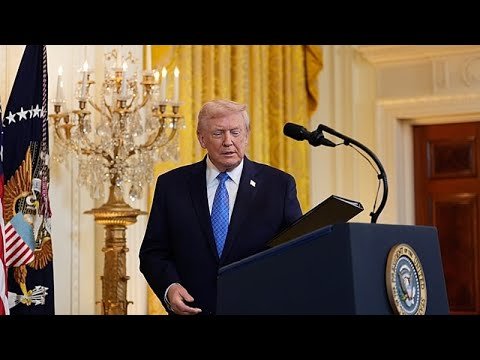
youtube placeholder image

Read also:
Trump issues travel ban for 12 countries
US President Trump deploys National Guard across cities
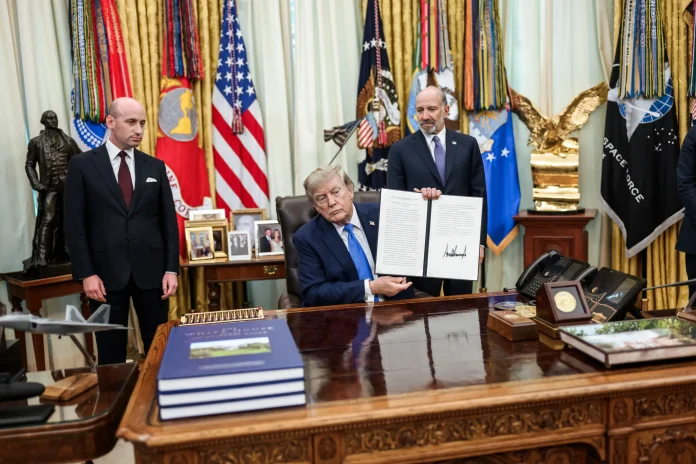
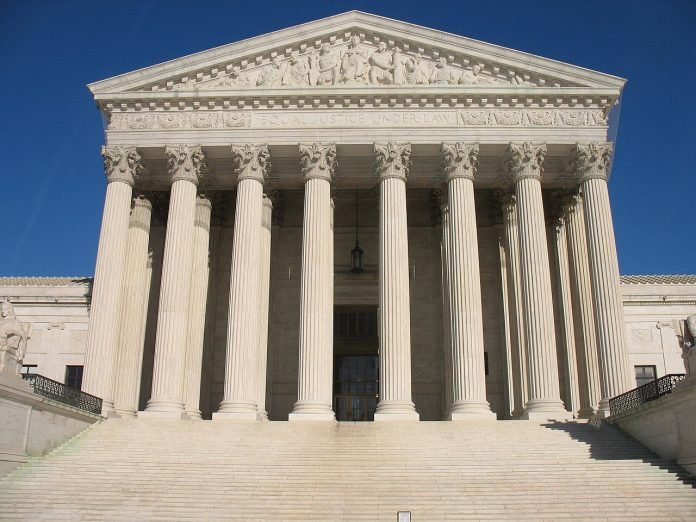
Key widely reported facts from verified sources including CNN, CBS News, DW.com, Euronews, TIME, BBC, APNews, Al Jazeera, The Guardian, NPR, France 24, Bloomberg

Trump signs new executive orders targeting birthright citizenship and birth tourism

The orders come just over one month after the Supreme Court's June 30 ruling in Trump v. Barbara struck down his broader initial directive.
Read more

Supreme Court rejects Trump bid to end birthright citizenship, preserves longstanding constitutional rule

The Trump administration is already signaling that it will keep pressing the issue through enforcement and legislation to curb birth tourism.
Read more

Trump attends Supreme Court as birthright citizenship faces test

Donald Trump became the first sitting US president in history to attend oral arguments at the Supreme Court for the landmark Trump v Barbara case.
Read more

US federal agents’ shooting of Alex Pretti

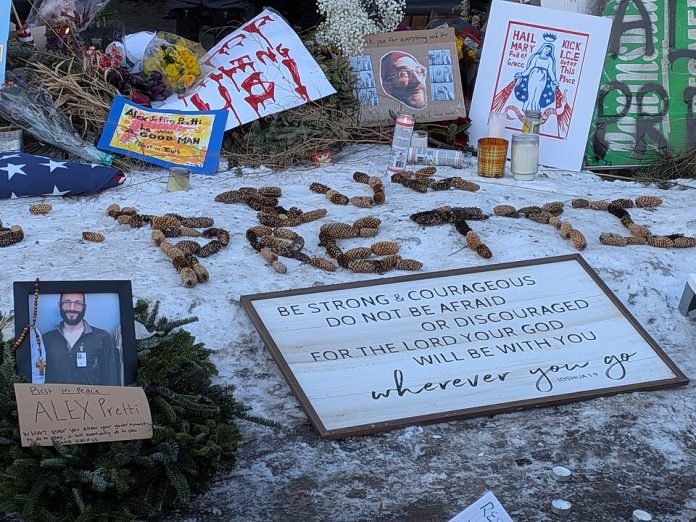
On Jan 24, 2026, ICU nurse Alex Jeffrey Pretti was fatally shot by federal agents in Minneapolis during a confrontation regarding immigration enforcement.
Read more

“ICE Out For Good” protests sweep US after two federal immigration agent shootings

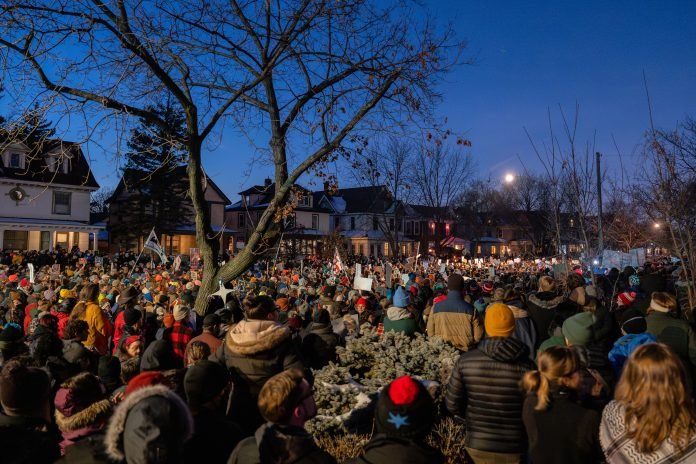
In Jan 2026, two shootings involving federal immigration agents in the United States sparked a wave of nationwide "ICE Out For Good" protests.
Read more

Mali, Burkina Faso issues reciprocal US travel ban

The underlying story is the Sahel’s shift away from a Western-led order and toward Russia, China and other non-Western partners.
Read more

Trump imposes $100k fee for H-1B visa petitions in major overhaul of skilled worker program

On Sep 19, 2025, President Donald Trump introduced a $100,000 fee for new H-1B visa petitions.
Read more

US President Trump deploys National Guard across cities
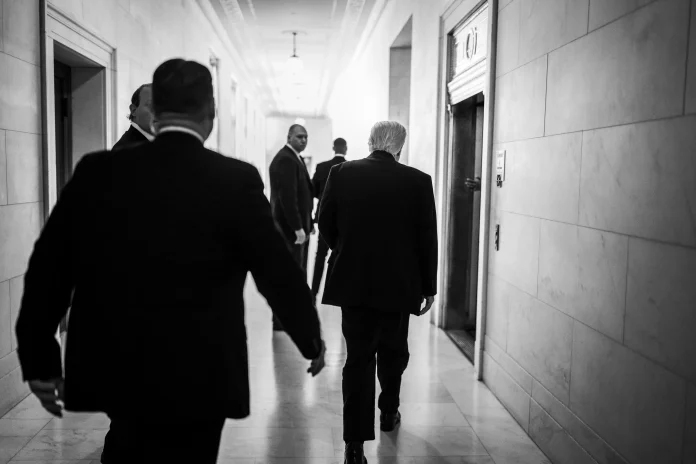
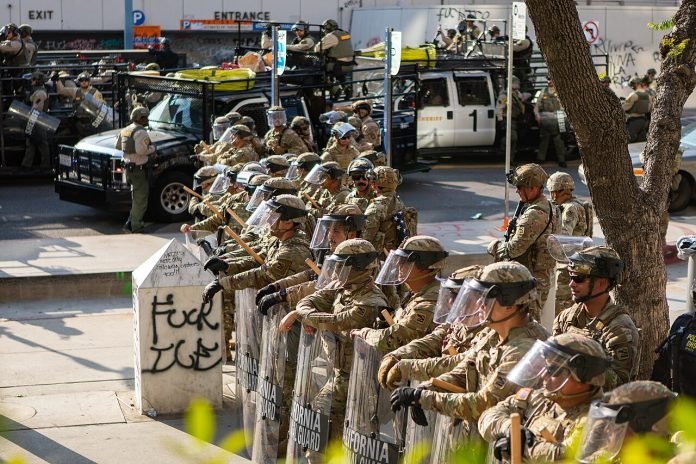
In 2025, US President Trump initiated a series of National Guard deployments to various US cities, framing the missions as responses to crime, homelessness, illegal immigration, and civil unrest.
Read more

Trump issues travel ban for 12 countries

In early June 2025, President Donald Trump signed a proclamation reinstating and expanding travel restrictions for 12 countries.
Read more
Timeline

Jan 27, 2017: Trump signs Executive Order 13769, banning entry from seven Muslim-majority countries (Iran, Iraq, Libya, Somalia, Sudan, Syria, and Yemen) for 90 days.

Jan 30: Acting Attorney General Sally Yates is fired after refusing to defend the order in court.

Feb 3: A federal judge in Seattle blocks the ban nationwide.

Mar 6: A revised travel ban (Travel Ban 2.0) is issued, removing Iraq from the list and exempting visa holders.

Sep 24: The third version (Travel Ban 3.0) is unveiled, adding North Korea, Venezuela, and Chad (later removed).

Jun 26, 2018: The Supreme Court upholds the third version of the ban in a 5-4 ruling.

Jan 31, 2020: The administration expands visa restrictions to six more countries, including Nigeria and Myanmar.

Jan 20, 2021: President Joe Biden rescinds the travel bans on his first day in office.anuary 20, 2025: Trump reinstates travel restrictions via Executive Order 14161 immediately upon taking office.

Jun 4, 2025: A new proclamation is signed, targeting 19 countries with full or partial bans.

Jun 9: The June travel ban officially takes effect at 12:01 a.m. ET.

Dec 16: Trump expands the ban to 39 countries and includes individuals with Palestinian Authority travel documents.

Jan 1, 2026: The expanded 39-country ban takes effect.

Opinion & Analysis

You may also be interested in

LEAVE A REPLY

Please enter your comment!
Please enter your name here