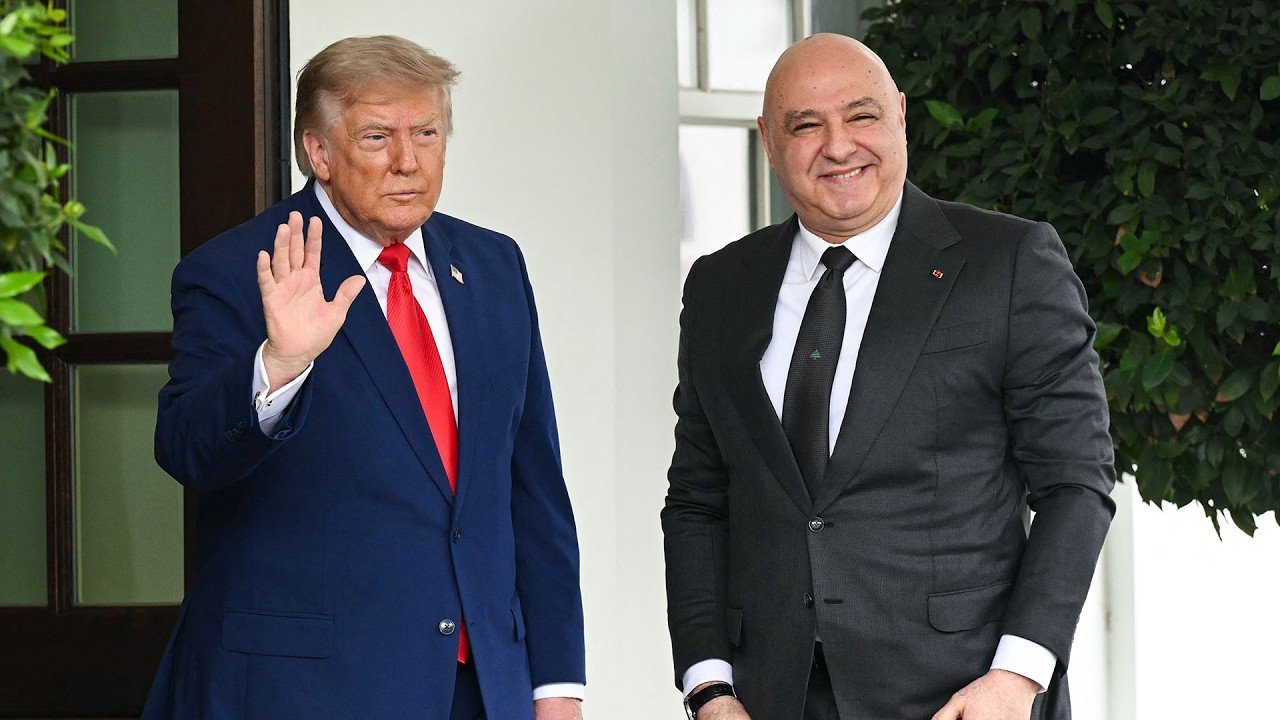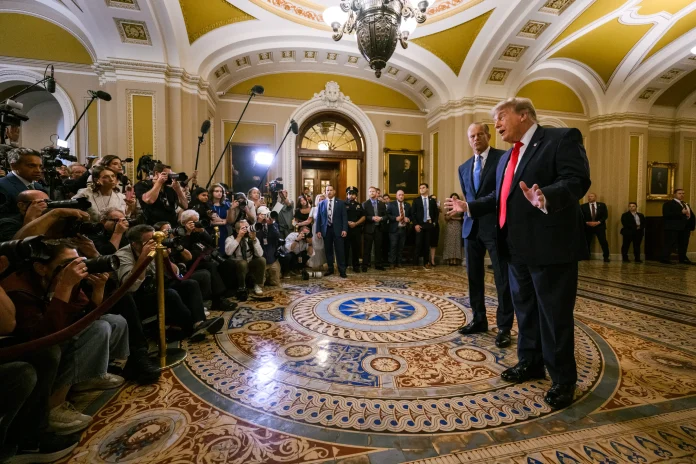

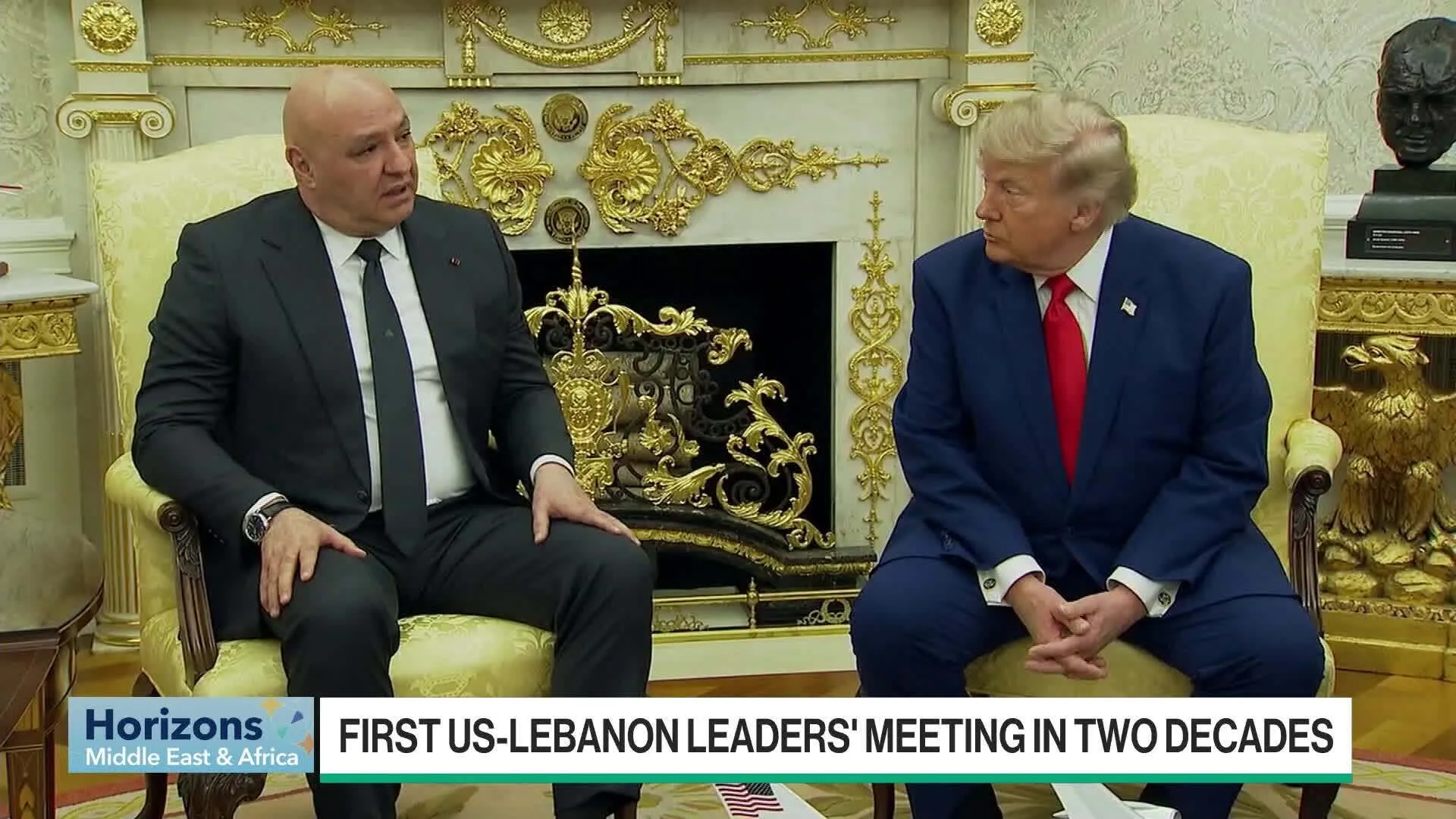
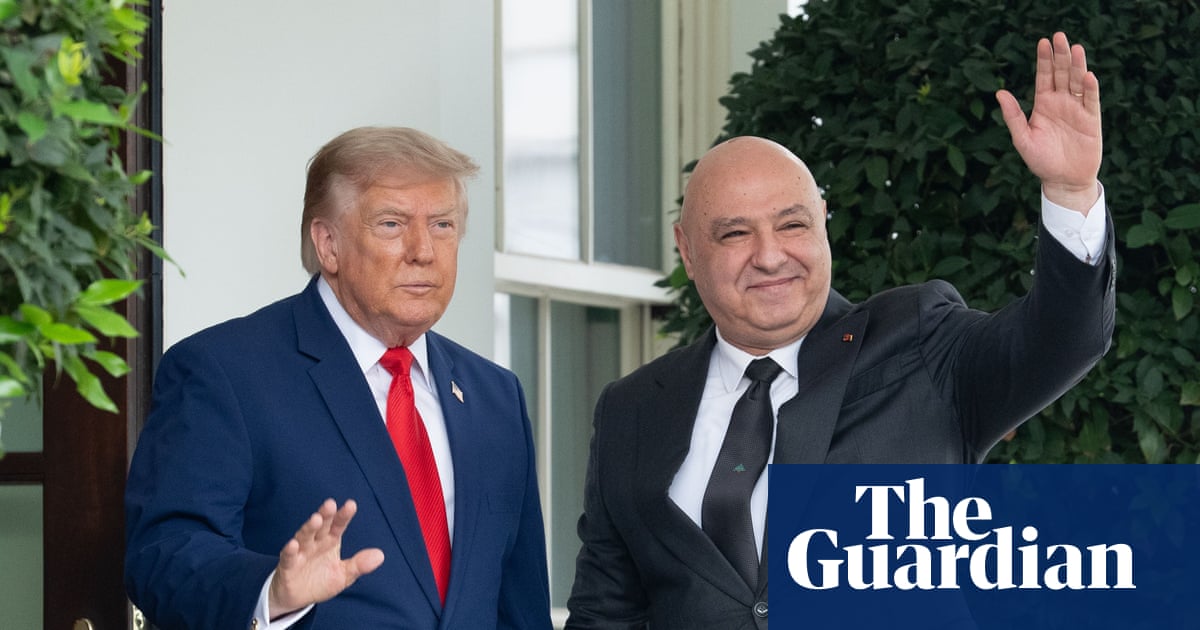

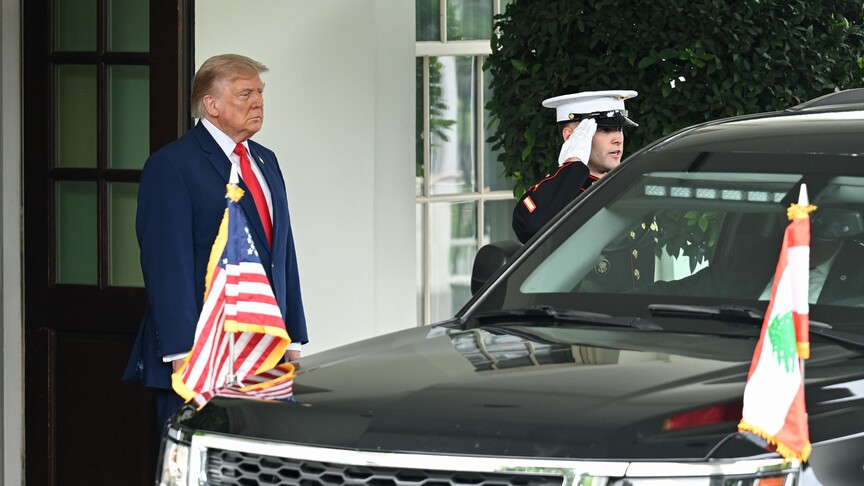


US President Donald Trump hosted Lebanese President Joseph Aoun at the White House on July 21, marking the first visit by a Lebanese head of state to Washington in nearly two decades and signaling renewed diplomatic momentum in the Middle East.
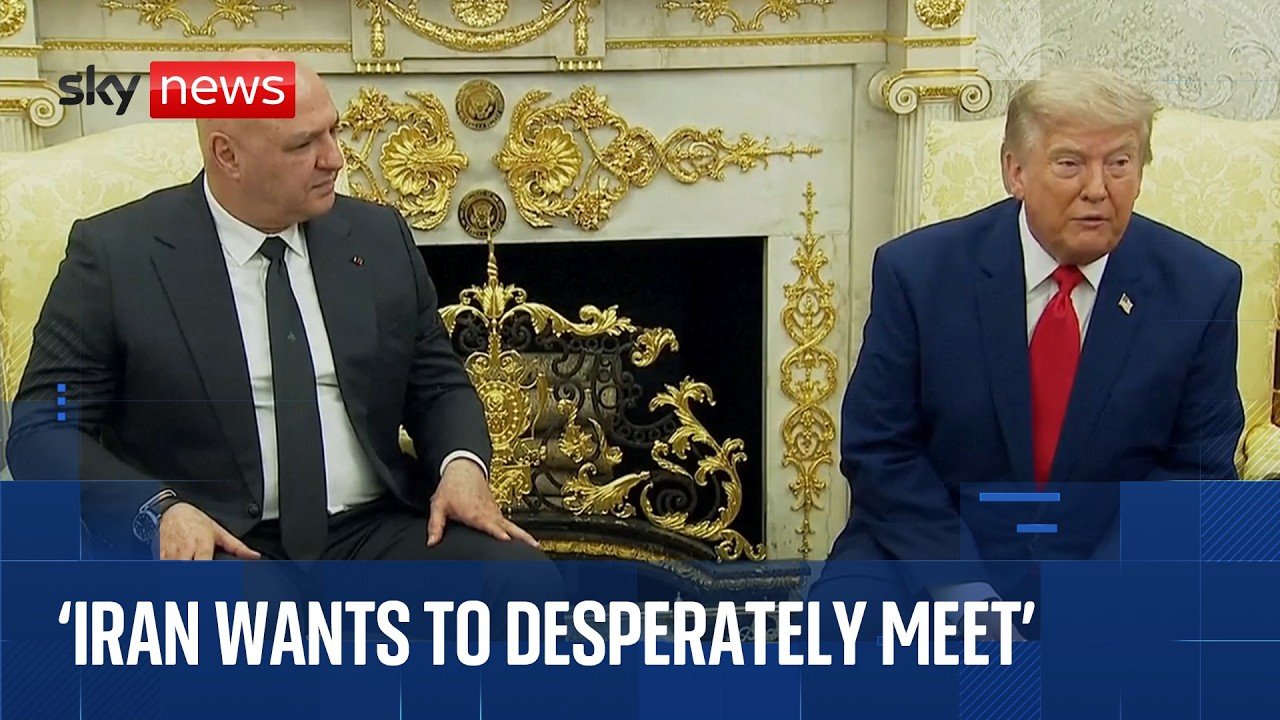
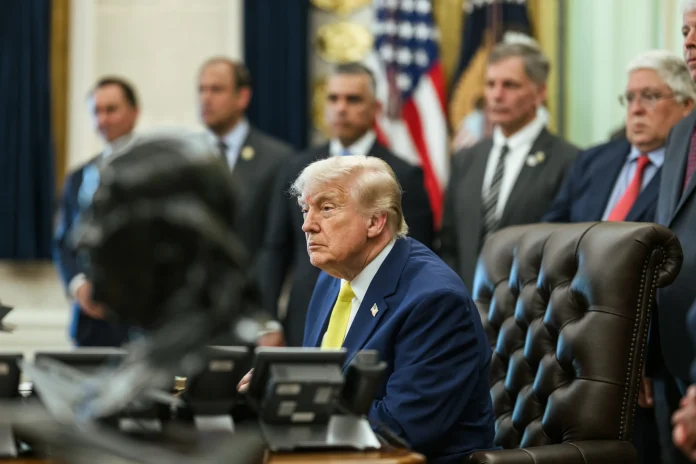
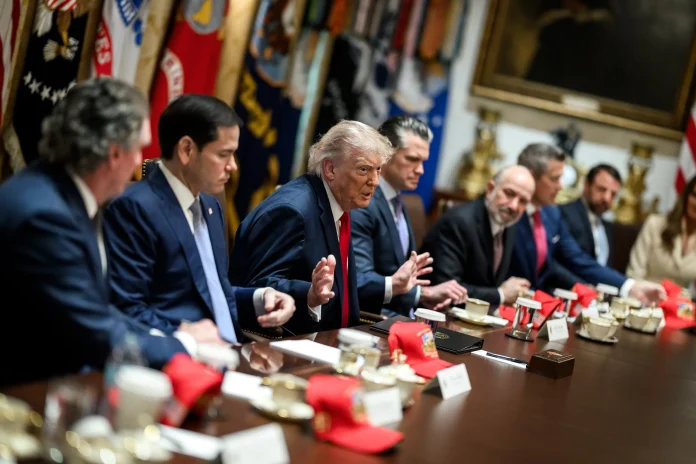
The Oval Office meeting, originally scheduled as a closed-door bilateral session, was opened to reporters at Trump’s unexpected invitation, underscoring the symbolic weight of the encounter. Both leaders framed the talks as a pivotal step toward long-term stability in Lebanon and the broader region.
A historic return to Washington
Aoun’s visit was the first by a Lebanese president to the White House since 2009, reflecting both Lebanon’s fractured political landscape and the deep regional tensions that have long complicated US-Lebanon relations.
A former commander of the US-backed Lebanese Armed Forces (LAF) before being elected president last year, Aoun has positioned himself as a unifying figure capable of restoring state authority in a country still reeling from the aftermath of war with Israel and the powerful influence of Hezbollah.
Trump greeted Aoun as “highly respected” and described Lebanon as a place that had been “very badly treated,” pledging that his administration would help the country recover with “the respect it deserves.”
Framework agreement: Ending hostilities, with conditions
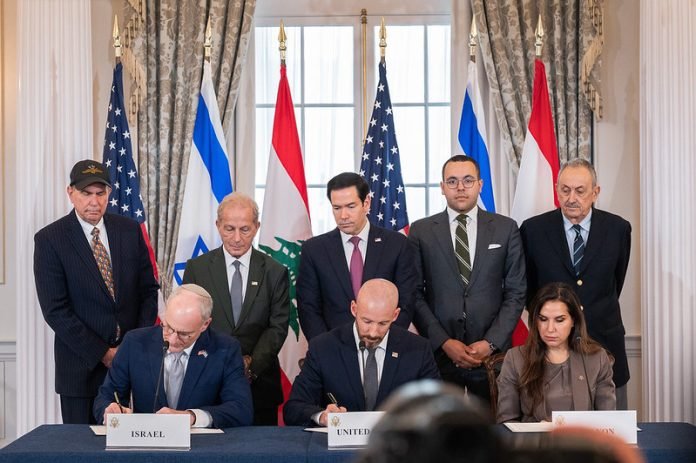
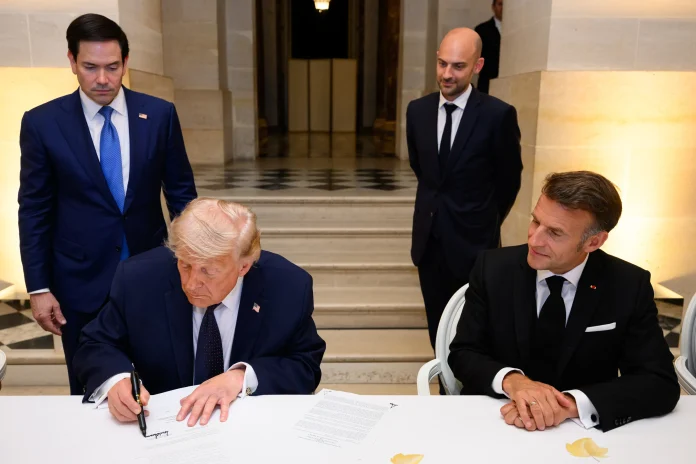
At the heart of the discussions was a US-mediated framework agreement signed on June 26, 2026, between Israel and Lebanon, which aims to end decades of hostilities and lay the groundwork for a comprehensive peace deal.
Key elements of the agreement include:
- Cessation of Hostilities: Both countries affirm they are not at war and commit to direct negotiations toward a permanent security and peace agreement.
- Hezbollah Disarmament: The Lebanese Armed Forces are designated as the sole legitimate armed force in Lebanon, with a mandate to gradually disarm Hezbollah and other non-state armed groups.
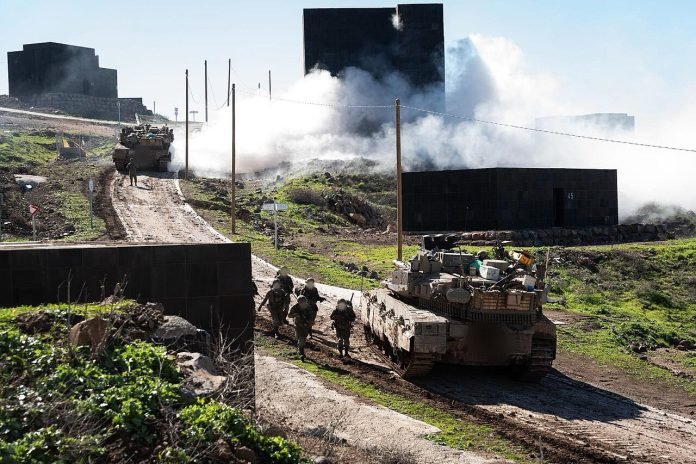
- Israeli Troop Redeployment: Israel will maintain a presence in parts of southern Lebanon until Hezbollah is disarmed and the LAF can assert full sovereignty. Full withdrawal is contingent on security conditions.
- Reconstruction and Investment: The US pledged to rally international partners to support Lebanon’s reconstruction, infrastructure repair, and economic recovery.
Trump stopped short of providing a timeline for Israeli withdrawal, telling reporters only that redeployment was “in the process.” Aoun, however, emphasized that full Israeli withdrawal from Lebanese territory was “essential” to consolidating stability and enabling the state to extend its authority.
Hezbollah: A central dilemma
The future of Hezbollah, the Iran-backed militant and political organization, remains the most contentious issue in the peace process. While the framework agreement calls for its disarmament, the group has rejected the terms, viewing them as a surrender of its sovereignty and resistance credentials.
In a notable development, Trump expressed openness to direct talks with Hezbollah if requested by Aoun—an unusual stance that highlights the complexity of integrating the group into a broader political settlement.
Aoun presented Trump with a written proposal to decommission Hezbollah’s arsenal, stressing that the LAF must remain the sole guarantor of Lebanon’s security. The proposal reflects Beirut’s attempt to balance domestic political realities with international pressure to neutralize Hezbollah’s military wing.
US support for Lebanon’s army and economy
Beyond security arrangements, the two leaders discussed US support for Lebanon’s armed forces, economic recovery, and American investment.
In the White House guest book, Aoun wrote of his “deep appreciation” for US support of Lebanon’s sovereignty, institutions, and military. Trump, in turn, pledged that the US would help Lebanon “a lot”, though he offered few concrete details on aid packages or investment plans.
Reconstruction remains a pressing need after months of conflict that devastated infrastructure and displaced civilians, particularly in southern Lebanon. The framework agreement envisions pilot zones where reconstruction will begin as civilians return, with a US-led coordination group overseeing implementation.
Lifting the flight ban: A symbolic and practical move
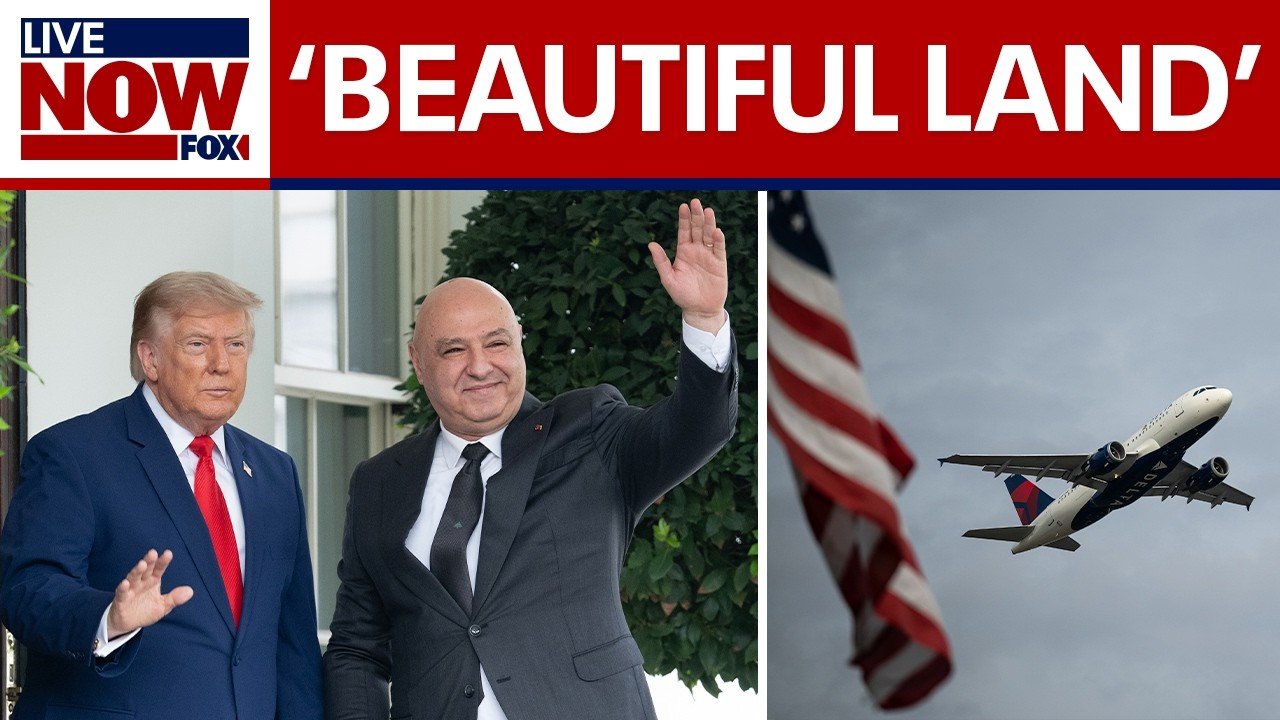
In a separate but significant announcement, Trump directed his administration to lift a 40-year-old ban on direct flights between the United States and Lebanon.
The prohibition, imposed in 1985 following Hezbollah’s hijacking of TWA Flight 847, had long been a symbol of the strained relationship between the two countries.
The FAA said it was ready to work with airlines and government partners to implement the directive safely, though it remains unclear when commercial carriers will begin services to Beirut.
What’s next?
While the White House meeting generated optimism, significant hurdles remain. The framework agreement’s success hinges on Hezbollah’s willingness to disarm, Israel’s eventual withdrawal, and the ability of Lebanon’s fragile institutions to assert sovereignty across its territory.
For now, the Trump administration appears committed to maintaining diplomatic pressure and offering political and economic incentives to keep the process moving. Whether that momentum can translate into lasting peace will depend on the cooperation of all parties—and the evolving dynamics of a region still in flux.