The United States and Iran have signed an interim peace framework, titled the Islamabad Memorandum of Understanding (MoU), intended to halt a months-long war and create a 60-day window for negotiating a comprehensive settlement, according to reporting on the accord and the text sent to the US Congress.
While a highly publicised, in-person formal signing ceremony was originally planned for Friday, June 19, 2026, at the luxury Bürgenstock Resort near Lucerne, the event was completely called off. Technical implementation talks — which US Vice President JD Vance and Iranian Chief Negotiator Mohammad Bagher Ghalibaf were scheduled to attend at Bürgenstock on Friday — were postponed at the last minute. Iran’s delegation refused to travel to Switzerland, citing ongoing Israeli military strikes against Hezbollah in southern Lebanon as a breach of the broader truce framework.
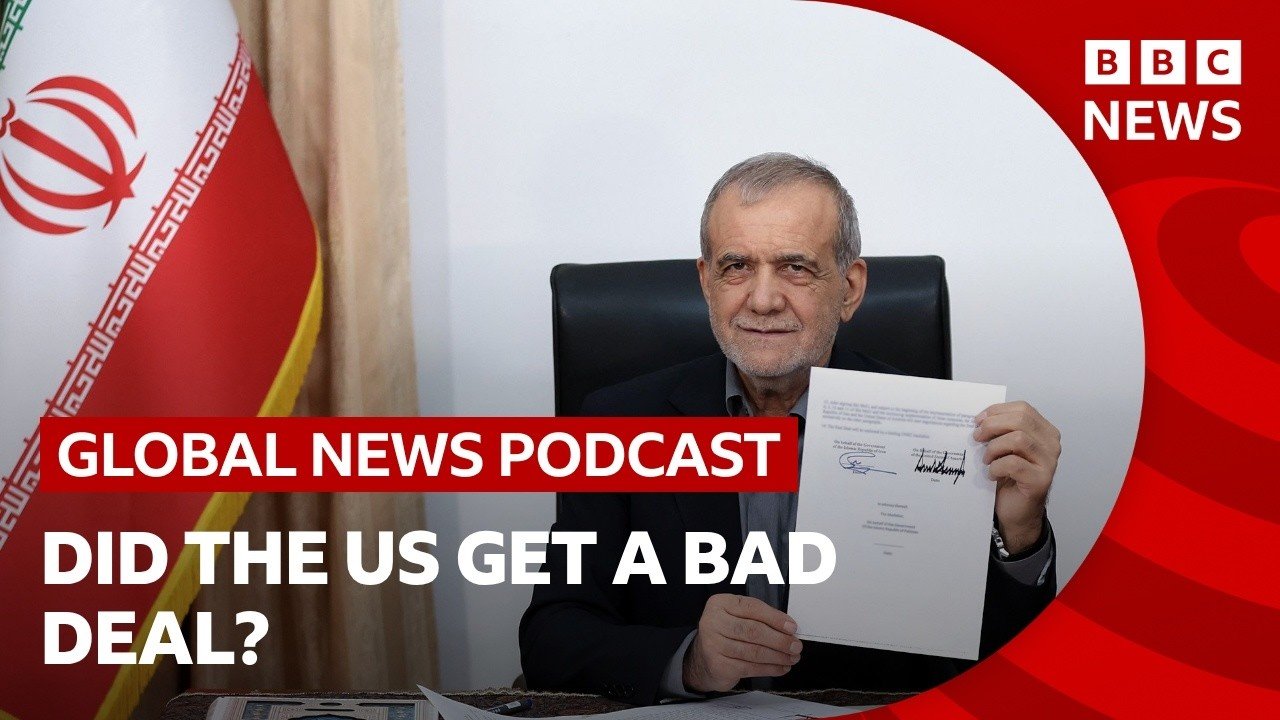
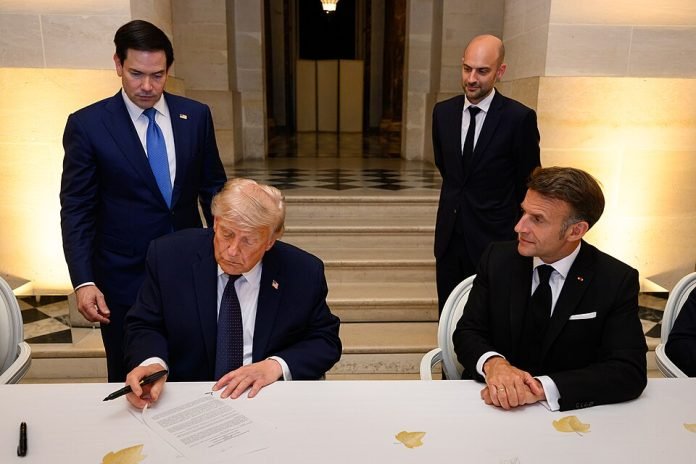
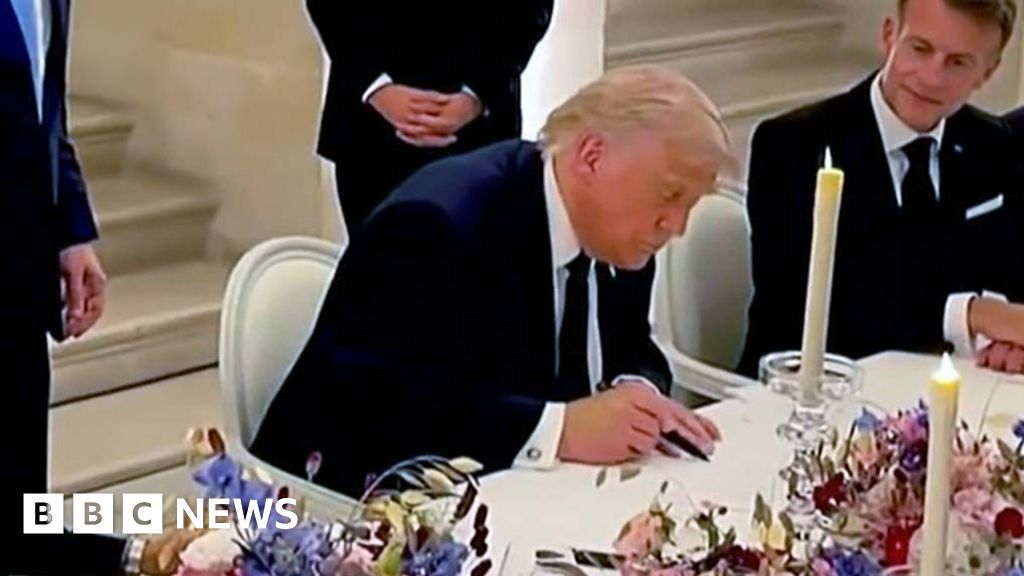
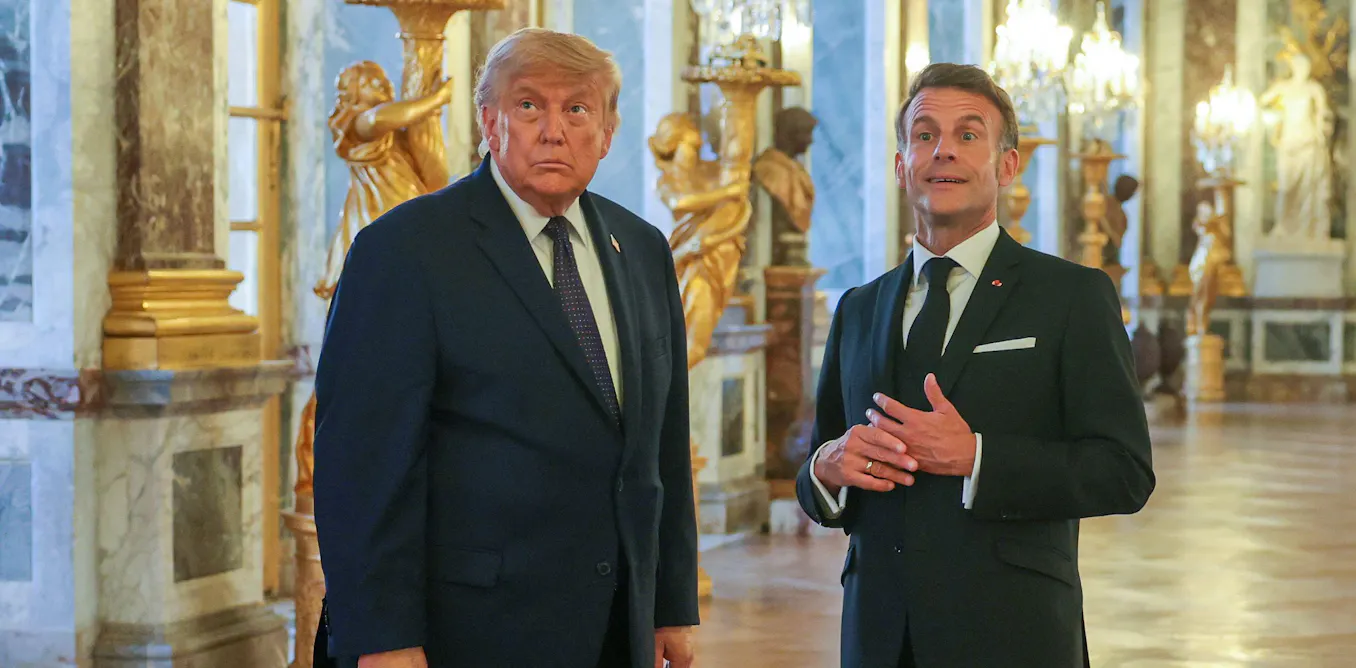
US President Donald Trump then unexpectedly scuttled the Swiss ceremony by physically signing the document during a G7 gala dinner at the Palace of Versailles in France on Wednesday, June 17. Iranian President Masoud Pezeshkian signed it remotely from Tehran, and Pakistani Prime Minister Shehbaz Sharif signed as a mediator in Islamabad.
President Trump signed the Iran Memorandum of Understanding (MOU) while attending a dinner at the Palace of Versailles on Wednesday evening. President Trump emphasized the U.S.-Iran agreement is not a final deal, and he warned the U.S. could resume bombing Iran "if they don't… pic.twitter.com/xPkVw3wkCl
— CBS News (@CBSNews) June 18, 2026
I am honoured to announce that the historic ‘Islamabad Memorandum of Understanding’ has been electronically signed today between the United States of America and the Islamic Republic of Iran. The Memorandum has been signed by honourable Presidents of both the countries and also…
— Shehbaz Sharif (@CMShehbaz) June 18, 2026
این یک سند تاریخی و پیامی از ایران مقتدر است: صلح در سایه احترام متقابل تحقق خواهد یافت.
— Masoud Pezeshkian (@drpezeshkian) June 18, 2026
جمهوری اسلامی ایران به صلح جهانی با حفظ عزت و استقلال، پیشرفت و همکاری منطقهای همواره متعهد و پایبند است. pic.twitter.com/FgbeHSioKX
The memorandum stops short of a final treaty, but it lays out immediate commitments on military de-escalation, maritime access, sanctions relief and the nuclear file. It also arrives amid fresh strains in Lebanon and sharp political backlash in Washington, underscoring how fragile the framework may be even before formal implementation talks fully begin.
Core terms of the 14-Point MoU
The interim deal calls for an immediate end to hostilities and sets a 60-day timetable for negotiators to convert the framework into a broader agreement.
- Termination of Hostilities: An immediate and permanent end to military operations on all fronts, explicitly encompassing the conflict in Lebanon.
- Maritime Reopening: The US has lifted its naval blockade on Iranian ports, and Iran has committed to allowing safe, toll-free commercial passage through the Strait of Hormuz during the 60-day period.
- Immediate Oil Waivers: The US is issuing immediate sanctions waivers allowing Iran to export crude oil, petroleum products, and access associated international banking and shipping services.
- Reconstruction Vehicle: A planned plan with at least $300billion in private-sector funds from global consortiums (including Gulf Arab states) will be created for Iran’s economic development, though the US government will not contribute public funds.
- Nuclear Interim Agreement: Iran has committed not to procure or develop nuclear weapons. Its highly enriched uranium stockpile will be downblended to 3.67% under the supervision of the International Atomic Energy Agency (IAEA).
The Lebanon dilemma
Implementation remains uncertain as ceasefire violations and regional disputes test the memorandum almost immediately. The Lebanon front has emerged as the most immediate challenge to the agreement’s credibility.
Reuters and other reporting indicate the accord includes language tied to Lebanon’s territorial integrity, but Israeli Prime Minister Benjamin Netanyahu had signaled that Israel did not see itself as constrained in its campaign against Hezbollah. That disconnect created an early stress test for the broader ceasefire architecture surrounding the US-Iran deal.
Israel and Hezbollah later agreed to a new, fragile ceasefire on Friday, June 19, 2026.
Read more: Israel and Hezbollah renew ceasefire just as US-Iran deal faces its biggest test
Reactions
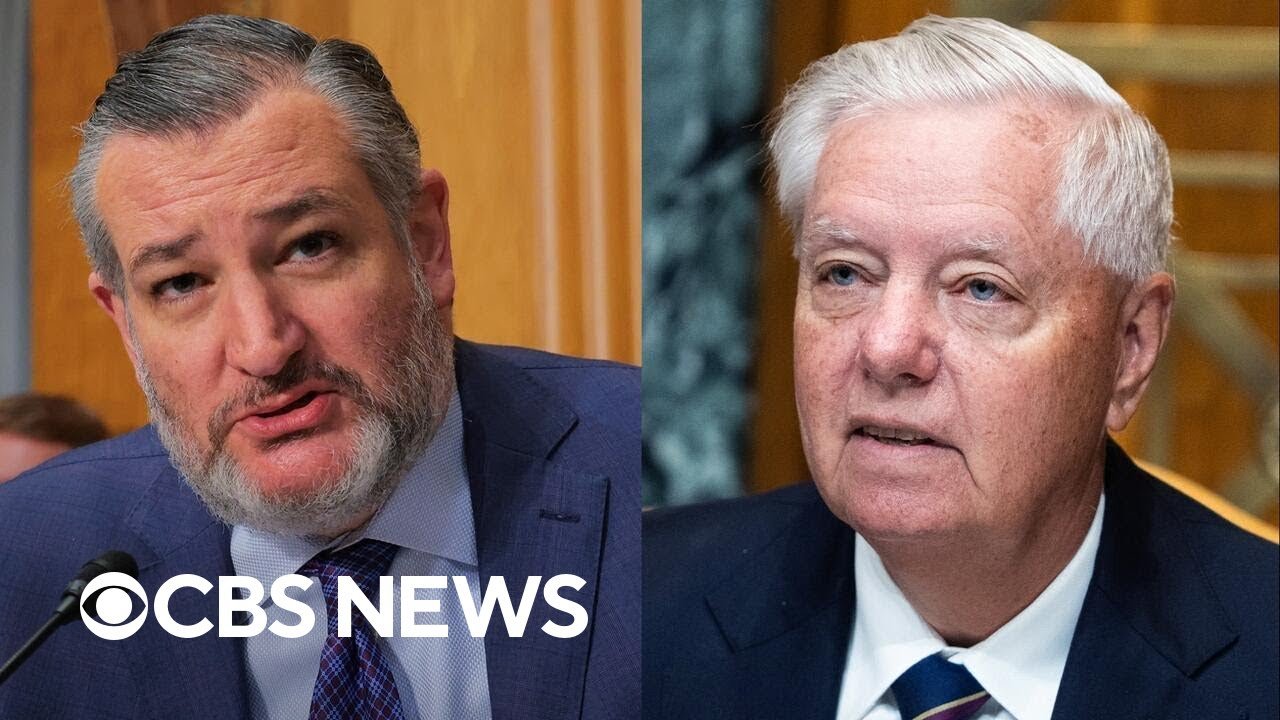
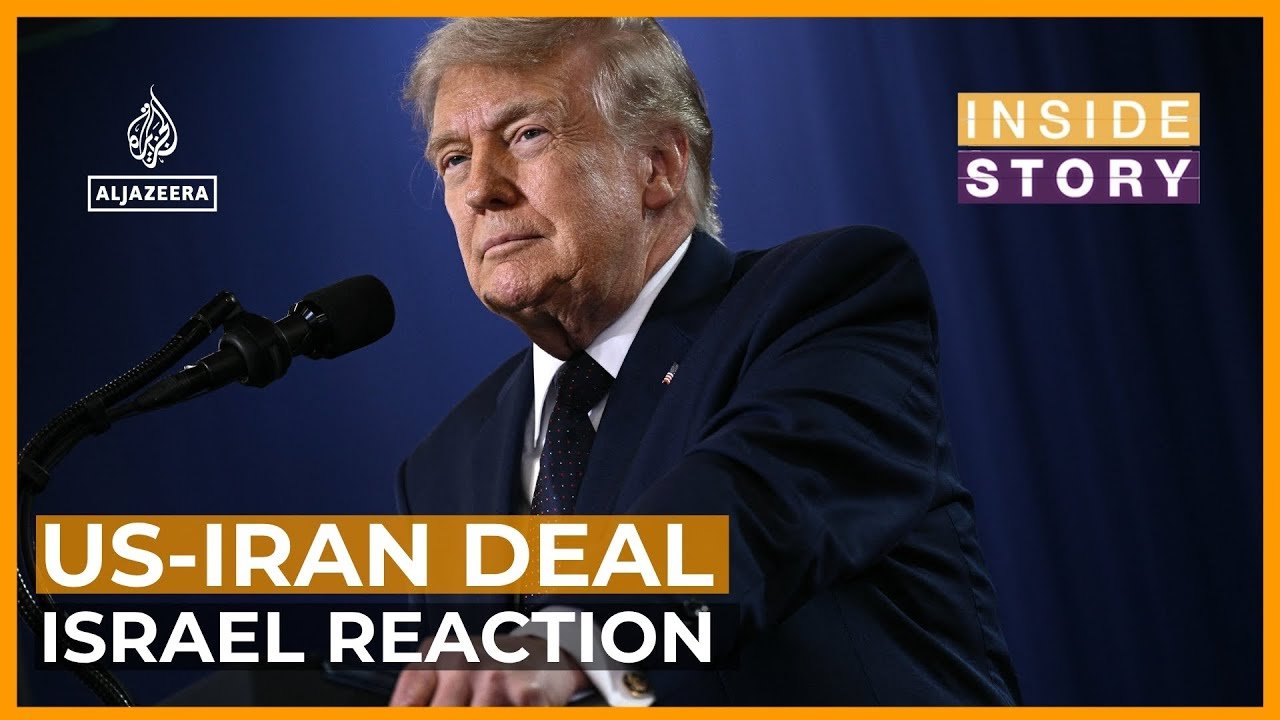
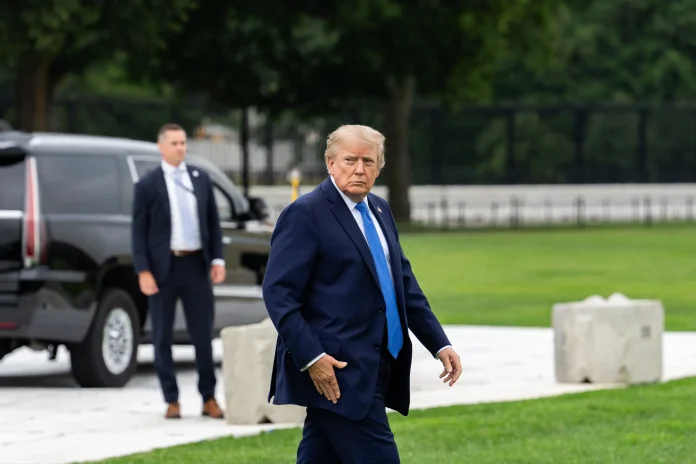
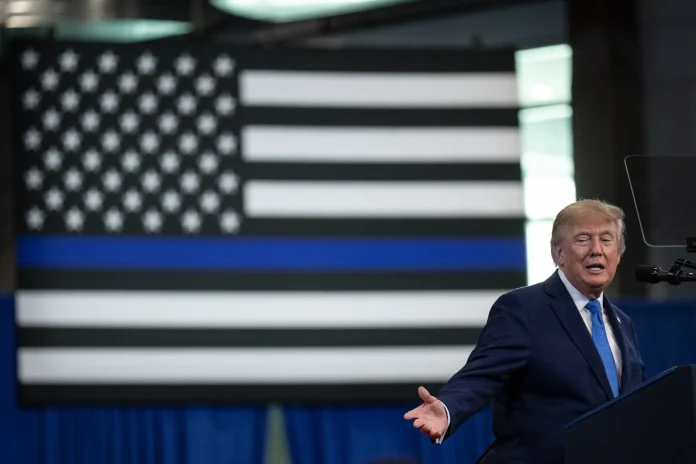
President Trump has characterized the agreement as an “unconditional surrender” by Tehran. However, he faces severe political pushback from congressional defense hawks and conservative factions who label the $300billion framework a massive concession to the Iranian regime.
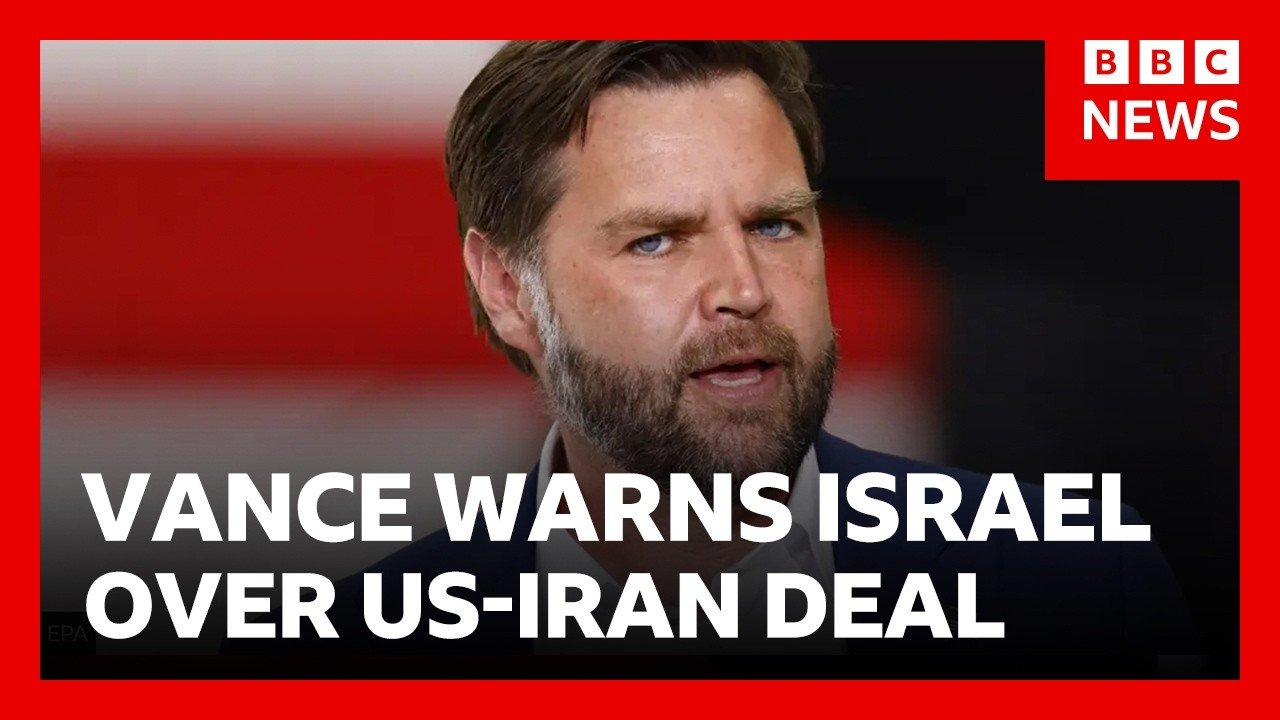
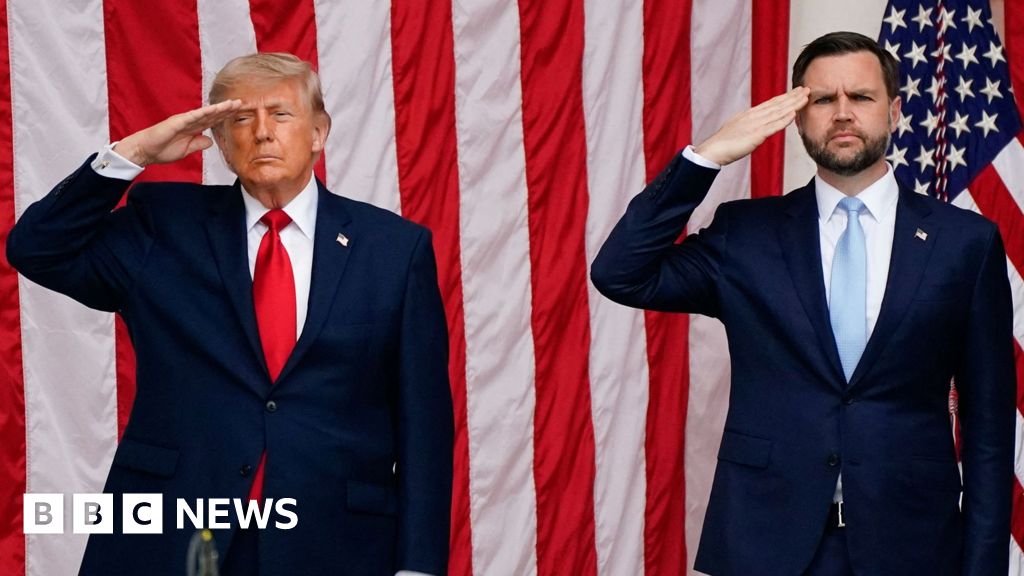
Trump has defended the agreement as necessary to prevent wider economic damage and has publicly framed the deal as a hard-won concession from Tehran. At the same time, Vice President JD Vance has emerged as one of the administration’s most visible defenders of the framework as criticism has intensified in Washington.
In Congress and across conservative foreign policy circles, critics have attacked the agreement as too generous to Iran, focusing particularly on sanctions relief and the scale of the proposed reconstruction package. Regional rivals have also reacted warily, with Reuters reporting that the deal has alarmed some of Iran’s adversaries even as it potentially reshapes the balance of power in the Middle East.
Iran’s Supreme Leader breaks his silence on the US peace deal, saying he initially had “a different view” of the memorandum but ultimately approved it after receiving assurances from President Masoud Pezeshkian and other senior officials that Iran’s interests and the “Resistance Front” would be protected.
The full text of the message of Imam Sayyid Mojtaba Khamenei, the Leader of the Islamic Revolution, addressing the Iranian nation regarding the Memorandum of Understanding between the presidents of Iran and America, June 18, 2026 pic.twitter.com/9nSD2NfkVe
— Ayatollah Mojtaba Khamenei (@MKhamenei_ir) June 18, 2026
Outlook
The next two months will determine whether the Islamabad memorandum becomes the foundation for a durable settlement or a temporary pause in a wider regional conflict. Much will depend on whether the ceasefire holds on peripheral fronts, whether technical talks resume, and whether both sides can translate broad political commitments into enforceable terms.