

Israel, Lebanon sign US-brokered framework

Jump to Timeline

Key Reporting

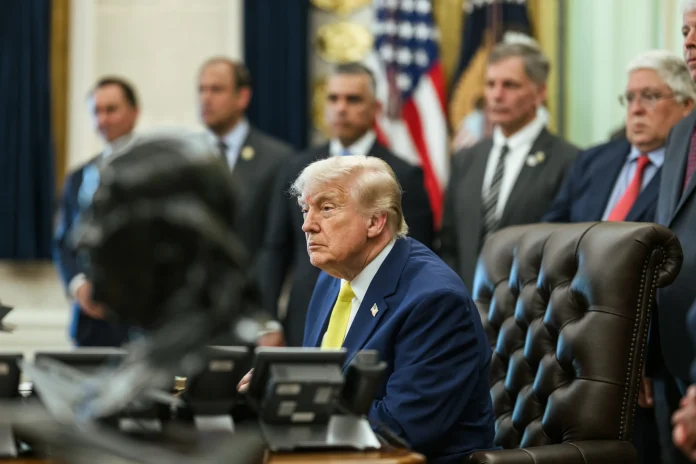
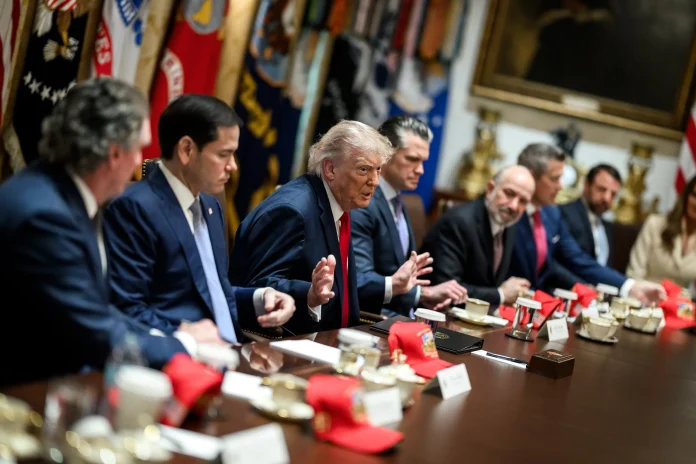
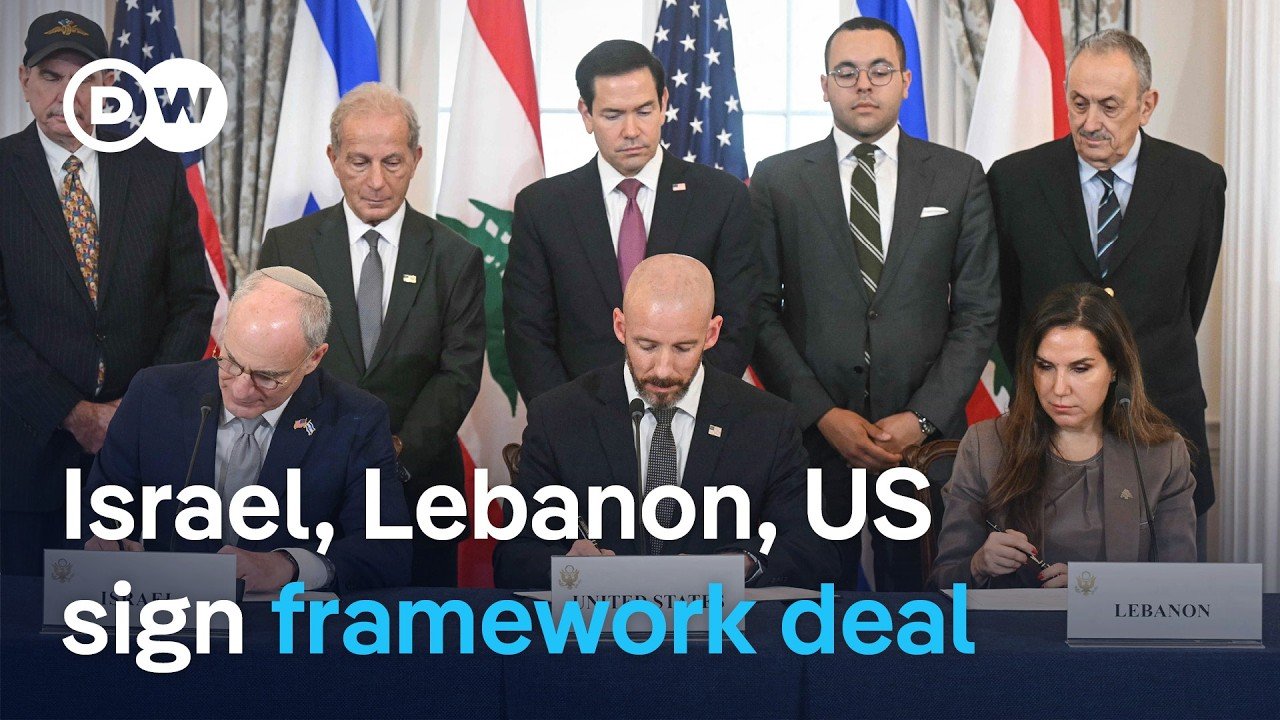
Israel and Lebanon signed a US-brokered framework agreement on June 26 that sets out a sequenced path to end months of fighting, dismantle Hezbollah’s military infrastructure, and move toward restored Lebanese state sovereignty, though the deal’s full text has not been officially published and key details remain contested.

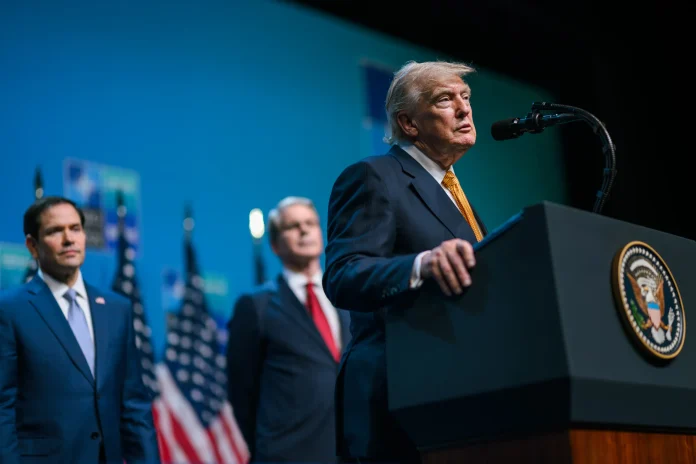
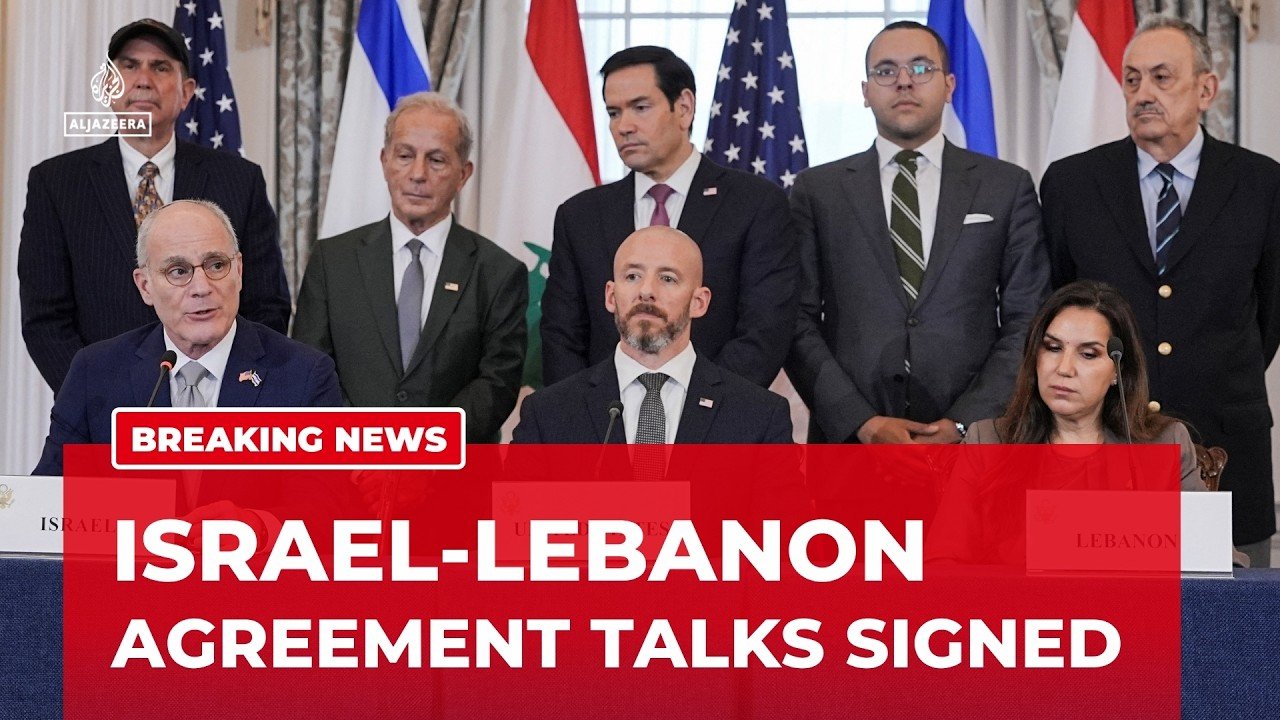
At the State Department in Washington, US Secretary of State Marco Rubio called the accord “the beginning of the beginning,” while representatives from Israel and Lebanon framed it as a first step rather than a final settlement.

The document was signed by Israel’s ambassador to the United States, Yechiel Leiter, and Lebanon’s ambassador, Nada Hamadeh Moawad, under US facilitation.

The agreement emerges from weeks of US-led talks that previously produced a ceasefire understanding in early June and a trilateral statement on June 2 to 3 outlining pilot zones, a role for the Lebanese Armed Forces, and the dismantling of non-state armed groups.

Reuters reported that the new framework builds on that earlier process and is designed as an incremental security roadmap rather than an immediate peace deal.

What the deal says

The framework ties any Israeli withdrawal to verified progress on Hezbollah’s disarmament and dismantlement, making Lebanon’s army central to implementation. It also envisions two initial “pilot zones” in which the Lebanese Armed Forces would assume exclusive control, with one area south of the Litani River and another in a separate section of the south. Reuters said these zones are meant to test whether the Lebanese military can expand authority on the ground before broader redeployments follow.

Netanyahu said Israel would keep its 10-kilometer “security zone” along the border for now, and that displaced Lebanese civilians would not immediately be allowed back into that buffer area. He also linked further Israeli pullbacks to the Lebanese army’s ability to take control of territory and to Hezbollah’s disarmament. In parallel, the agreement reportedly includes commitments to avoid hostile actions in international legal and political forums, and to address detainees and human remains.

US role and funding

The White House and State Department positioned the deal as a trilateral implementation effort backed by a new Military Coordination Group for Lebanon.

Rubio said Washington would provide $100million in humanitarian assistance, coordinated through the United Nations, and more than $30million to strengthen the Lebanese Armed Forces under existing US authorities and appropriations.

Those funds are intended to bolster the Lebanese military’s ability to assert state control, a requirement many analysts say is far easier to promise than to enforce.

Hezbollah’s rejection

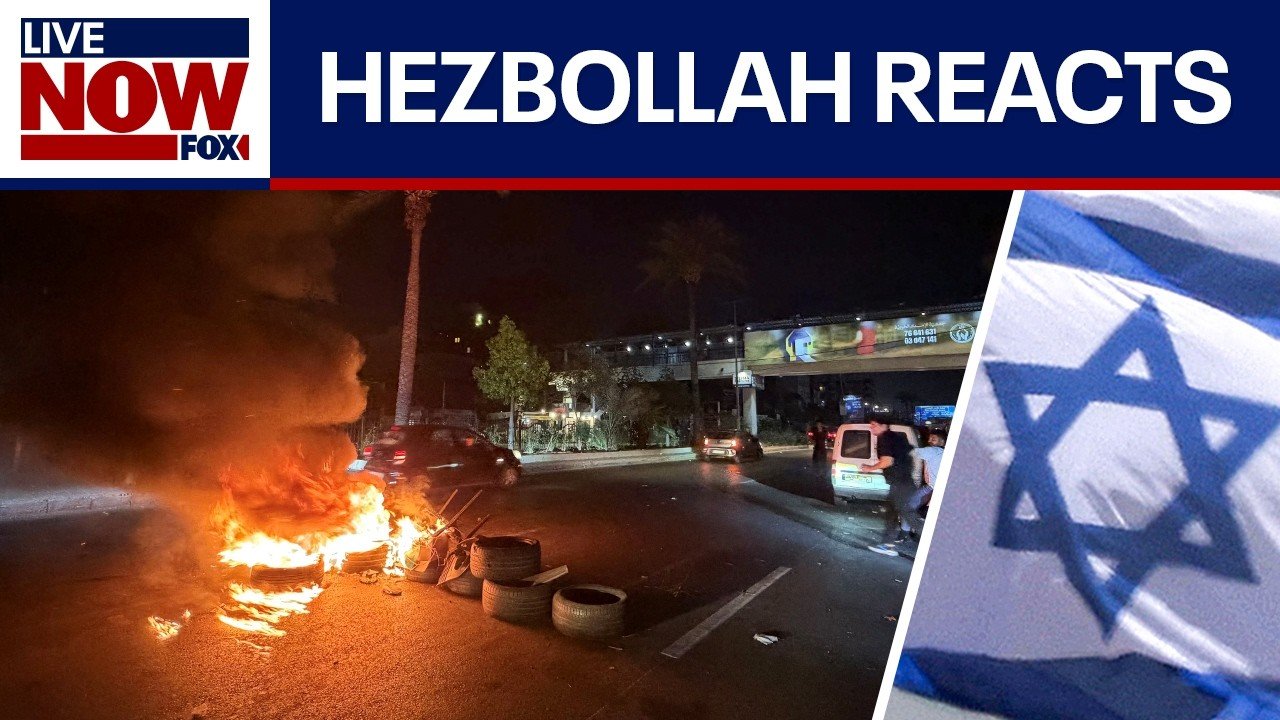
Hezbollah was not part of the Washington negotiations and has rejected the framework’s terms. The group has insisted Israel must withdraw unconditionally and has warned against any effort to link Lebanese military enforcement to a US-backed disarmament roadmap.

Hezbollah lawmaker Hassan Fadlallah said attempts to impose such a plan could trigger civil war, underscoring the risk that the deal could deepen internal Lebanese tensions rather than resolve them.

Fragile path ahead

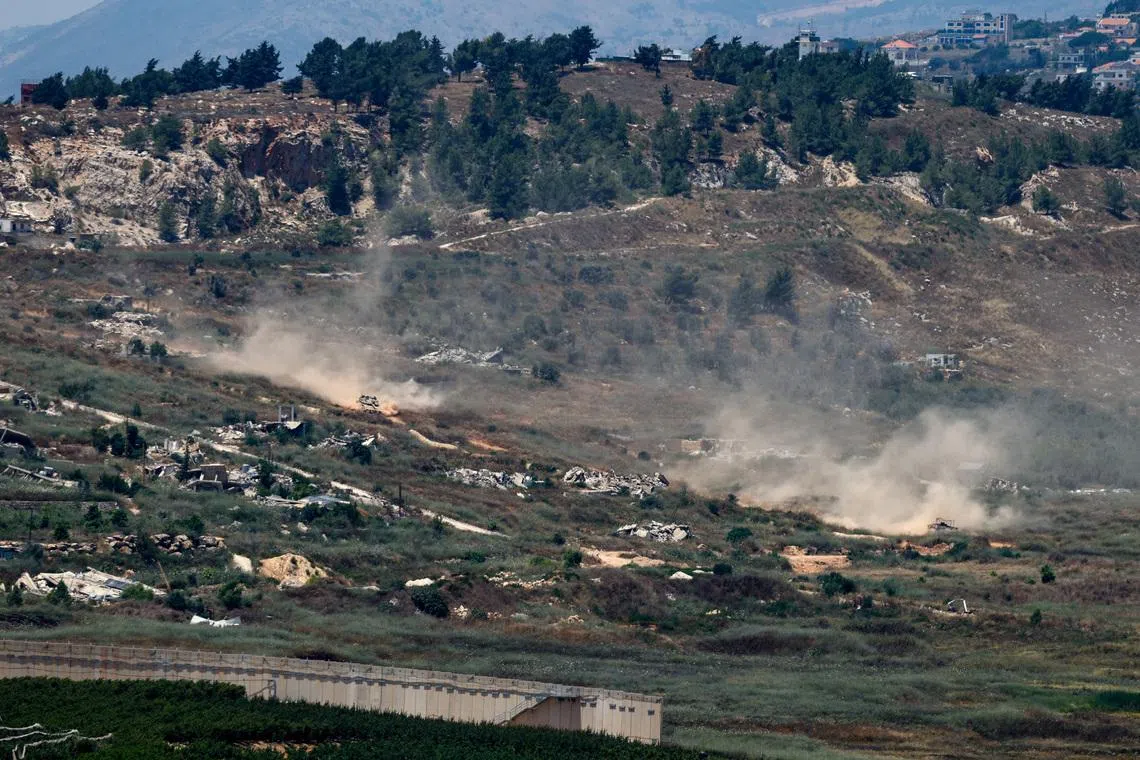
Despite the diplomatic ceremony, violence on the ground has not fully stopped. Reporting on June 26 said Israeli forces continued targeted strikes against Hezbollah-linked positions and dropped evacuation leaflets in parts of southern Lebanon, illustrating how unstable the arrangement remains in its early hours.

BBC and Reuters both noted that the agreement’s durability is uncertain, especially because Hezbollah is not bound to the framework and the Lebanese military may lack the capacity to disarm it by force.

Lebanese President Joseph Aoun said the deal should help restore sovereignty over all Lebanese territory and allow displaced residents to return to “liberated” towns, while Israeli officials described the framework as the path to a secured border once the threat from Hezbollah is removed.

For now, the agreement is best understood as a managed test of whether a US-led security architecture can translate diplomatic language into a durable shift on the ground.
youtube placeholder image

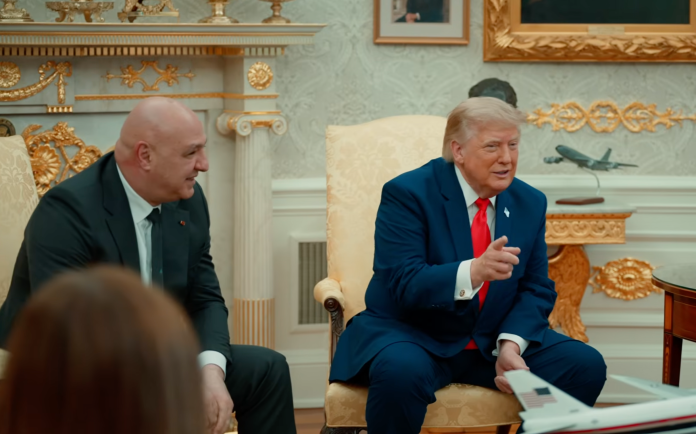
Trump, Lebanon’s Aoun hold historic White House talks as US pushes regional deal

It is the first visit by a Lebanese head of state to Washington in nearly two decades and signaling renewed diplomatic momentum in the Middle East.
Read more

US–Iran ceasefire collapses as strikes resume, but talks continue

President Trump declared the truce “over” following a rapid exchange of military strikes, yet signaled diplomatic channels remain open through intermediaries.
Read more

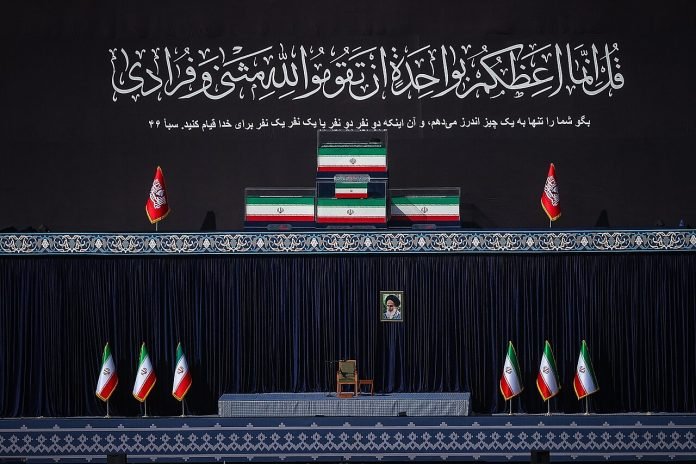
Iran buries Khamenei after week of mass funeral rites

Iran has completed the burial of its late Supreme Leader Ayatollah Ali Khamenei in the holy city of Mashhad.
Read more

US and Iran agree to pause strikes after weekend escalation, may resume talks in Qatar

The United States and Iran have tentatively agreed to pause their latest exchange of strikes for fresh talks in Qatar on Tuesday.
Read more

First round of US-Iran talks in Switzerland yield fragile roadmap

High-level talks between the United States and Iran in Switzerland ended with a 60-day roadmap toward a broader settlement.
Read more

Israel and Hezbollah renew ceasefire just as US-Iran deal faces its biggest test

Israel and Hezbollah agreed to a renewed ceasefire on June 19, 2026, in a fragile truce brokered by US and Qatari mediators with diplomatic backing from Iran.
Read more

US and Iran sign interim peace framework, setting 60-day clock for final deal

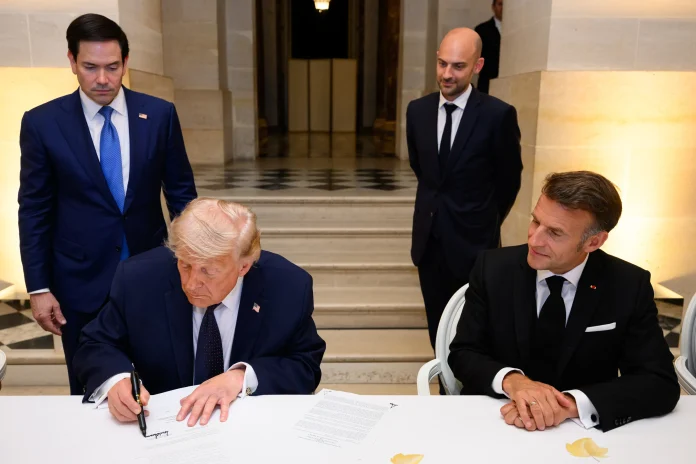
US President Donald Trump signed the agreement during a G7 gala dinner at the Palace of Versailles in France on Wednesday, June 17.
Read more

US and Iran agree framework deal to end war, set signing in Switzerland

The United States and Iran have electronically signed a preliminary MoU to end the conflict and are expected to formally sign an agreement in Switzerland on Friday.
Read more

Trump warns Iran “Will Pay the Price” after Apache Downing

This incident has shifted the diplomatic calculus: Tehran is now reconsidering peace talks while Washington signals that delays will be punished militarily.
Read more

Iran and Israel agree to temporary military pause after Trump intervention

Iran and Israel have agreed to pause direct military operations following first direct attacks since an April 2026 ceasefire.
Read more
Timeline

Oct 8, 2023: Hezbollah fires missiles across the border in “solidarity” with the Hamas-led attacks on Israel, sparking a persistent, low-level border war.

2023 to 2024: Constant cross-border rocket salvos and artillery fire force the evacuation of approximately 60,000 Israeli residents from northern border towns and tens of thousands of Lebanese civilians from southern villages.

Sep 17 to 18, 2024: Israel launches a major intelligence operation, remotely detonating explosive-laden pagers and walkie-talkies issued to Hezbollah members.

Sep 27, 2024: A massive Israeli airstrike in Beirut’s southern suburbs assassinates long-time Hezbollah Secretary-General Hassan Nasrallah.

Oct 1, 2024: The Israel Defense Forces (IDF) launch a ground invasion into southern Lebanon to dismantle border infrastructure.

Nov 27, 2024: A US-brokered ceasefire agreement goes into effect. The deal nominally mandates the deployment of the Lebanese Armed Forces (LAF) to the south and the gradual withdrawal of Israeli forces.

2025: The truce quickly proves fragile. Israel carries out near-daily airstrikes targeting alleged Hezbollah rearmament attempts. Concurrently, Hezbollah refuses to completely disarm or evacuate operatives, citing continuous Israeli presence at border installations.

Feb 28, 2026: A massive regional escalation occurs when joint US-Israeli strikes target Iran, resulting in the assassination of Iranian Supreme Leader Ali Khamenei.

Mar 2, 2026: Hezbollah fires a massive retaliatory drone and rocket salvo into northern Israel, officially breaking the 2024 truce and triggering the 2026 Lebanon War.

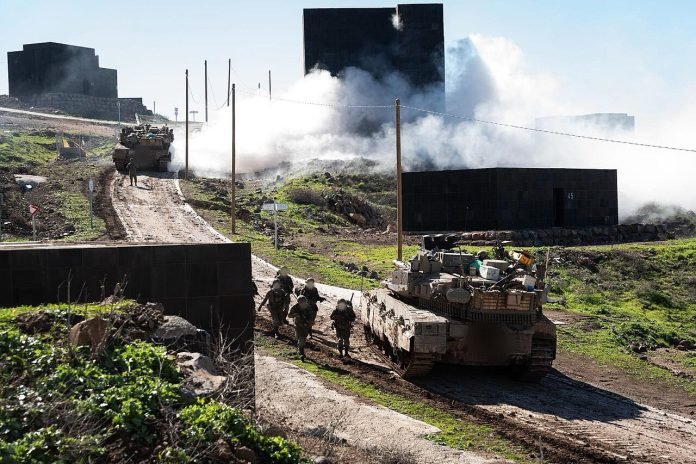
Mar 24, 2026: Israel’s Defence Ministry orders an expanded ground operation, stating the IDF will occupy and control all security zones and strategic infrastructure up to the Litani River.

Apr to May 2026: Heavy warfare destroys dozens of southern Lebanese villages and displaces over 1.2million people — nearly one-fifth of Lebanon’s total population.

Jun 3, 2026: Amid soaring casualties, the governments of Israel and Lebanon negotiate an initial cessation of hostilities, laying the diplomatic groundwork for more formal terms.

Jun 14 to 18: Intensive, closed-door negotiations take place at the State Department in Washington D.C., mediated heavily by US officials.

Jun 19: Pre-agreement friction spikes. Israeli forces conduct a major military sweep in the town of Khiam in southern Lebanon, highlighting the high stakes ahead of the proposed deal.

Jun 23: The legal scope of the deal becomes clearer as Israel’s Attorney General Gali Baharav-Miara approves a request by Prime Minister Benjamin Netanyahu’s government to sign the framework without requiring a mandatory Knesset vote.

Jun 24: The diplomatic breakthrough is formalized. US President Donald Trump and Secretary of State Marco Rubio officially announce that Israel and Lebanon have agreed to a trilateral framework roadmap.

You may also be interested in

LEAVE A REPLY

Please enter your comment!
Please enter your name here