

Iran buries Khamenei after week of mass funeral rites

In this story
Jump to Timeline

Key Reporting

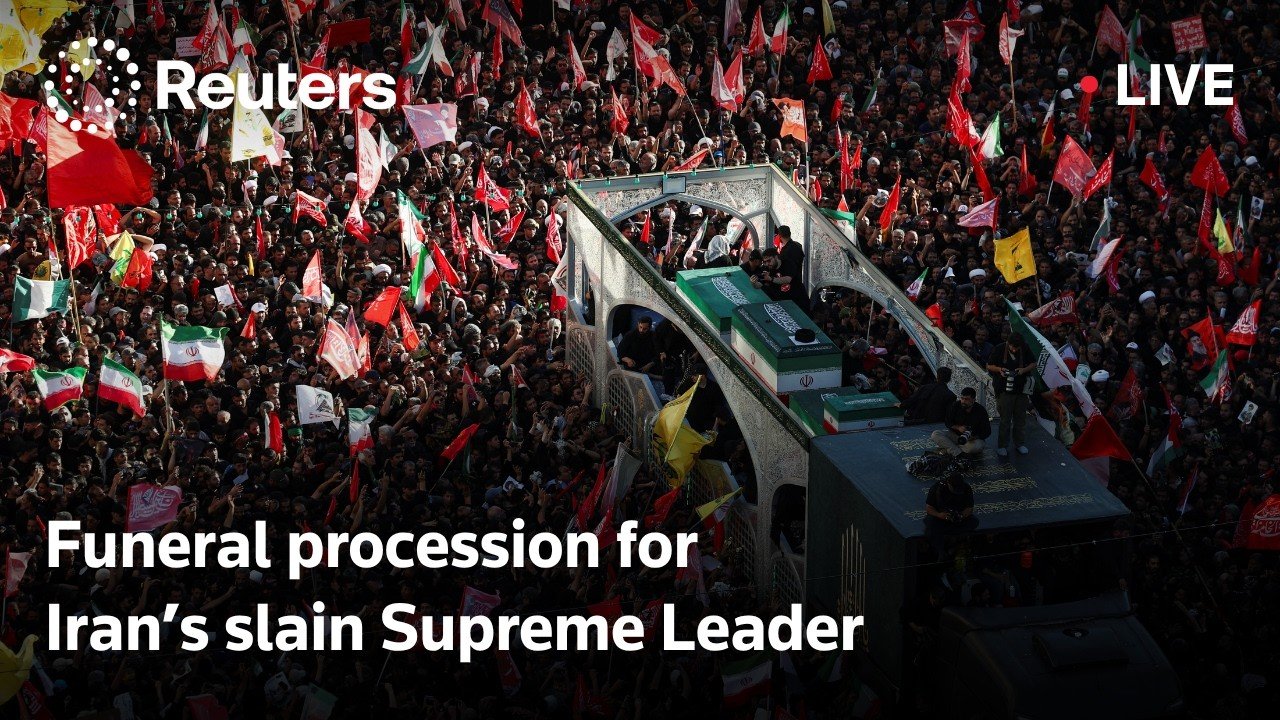
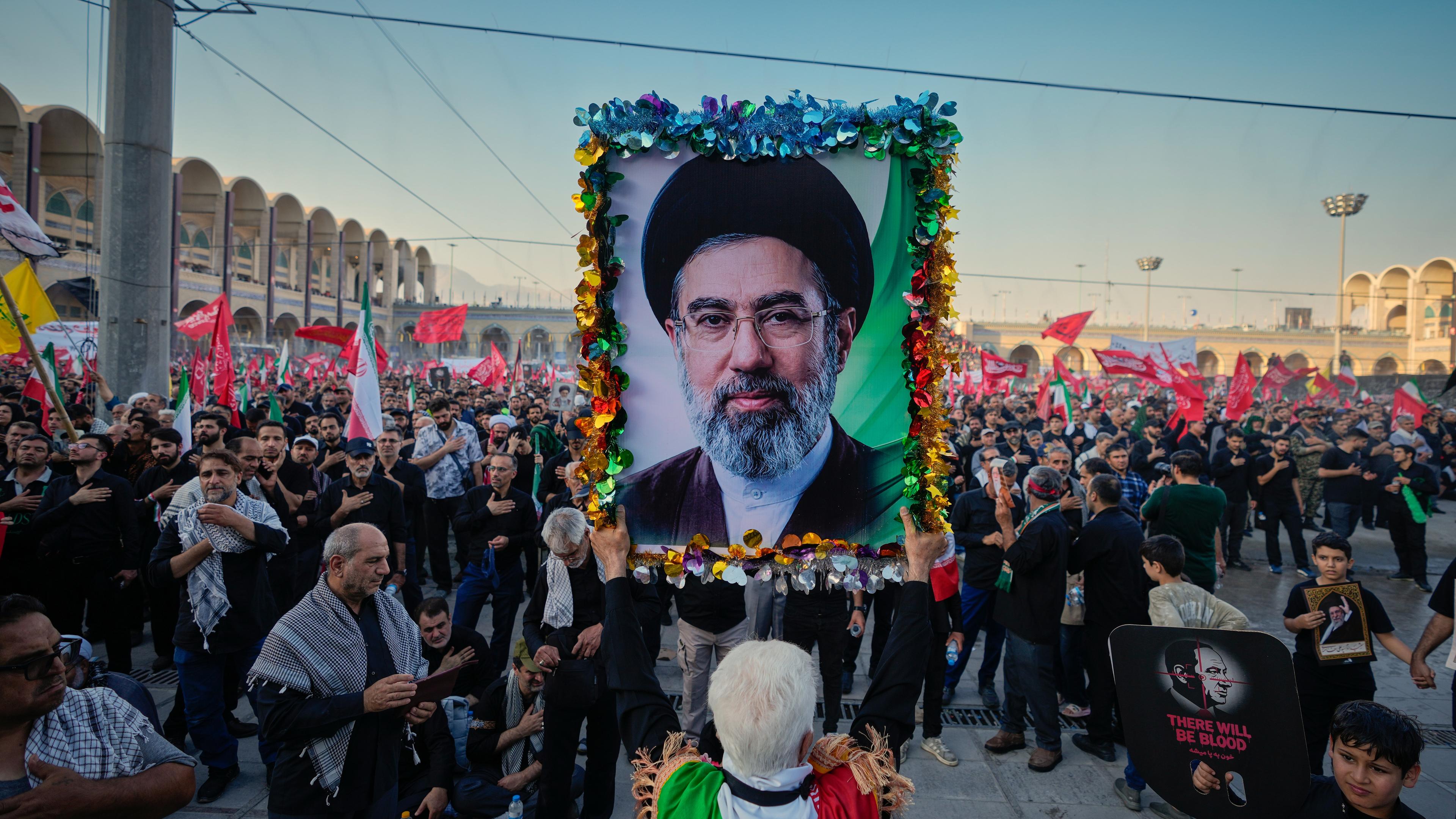
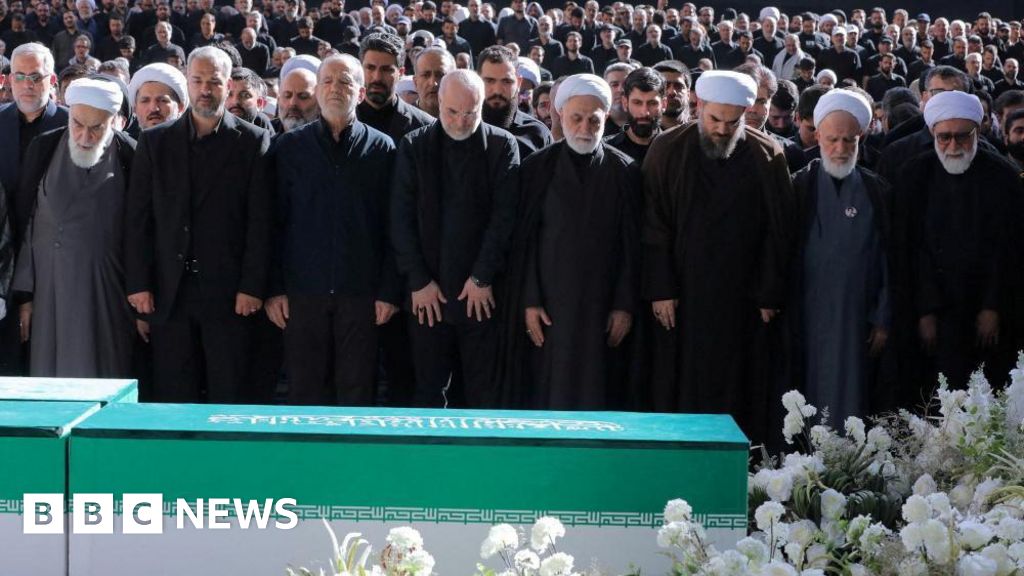
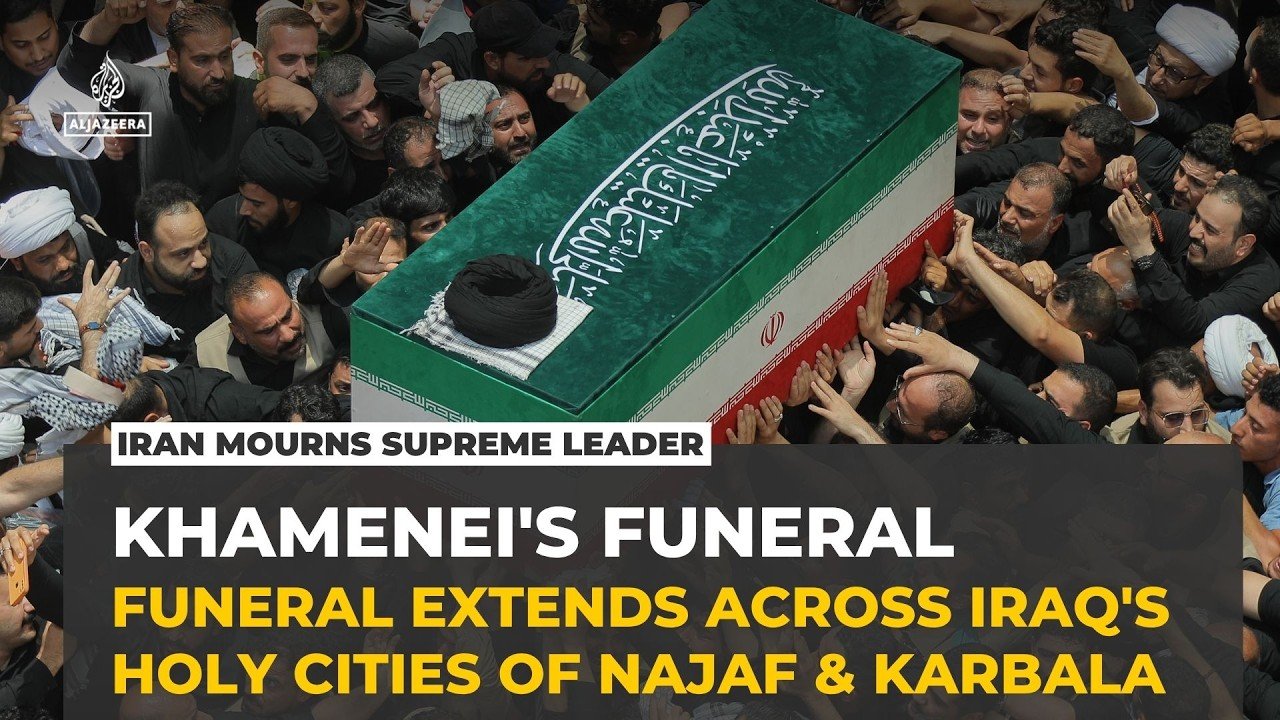
Iran has completed the burial of its late Supreme Leader Ayatollah Ali Khamenei in the holy city of Mashhad, ending a week of funeral ceremonies that began in Tehran on July 4 and included stops in Qom and Iraq’s Shiite holy cities of Najaf and Karbala. The rites were organized as a major state event meant to project continuity and resilience after Khamenei was killed in US-Israeli airstrikes in February.

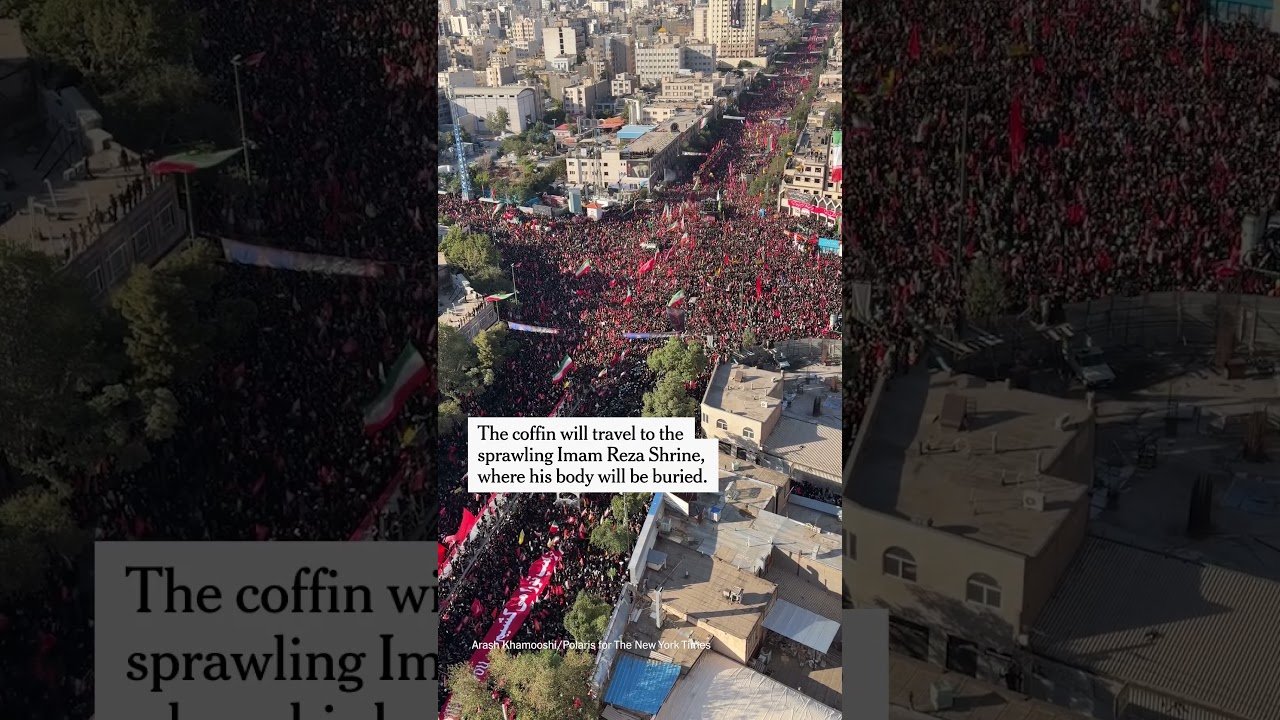
The final burial took place near the shrine of Imam Reza, which Khamenei had requested as his resting place, according to Iranian officials cited by Al Jazeera.

From Tehran to the Holy Cities

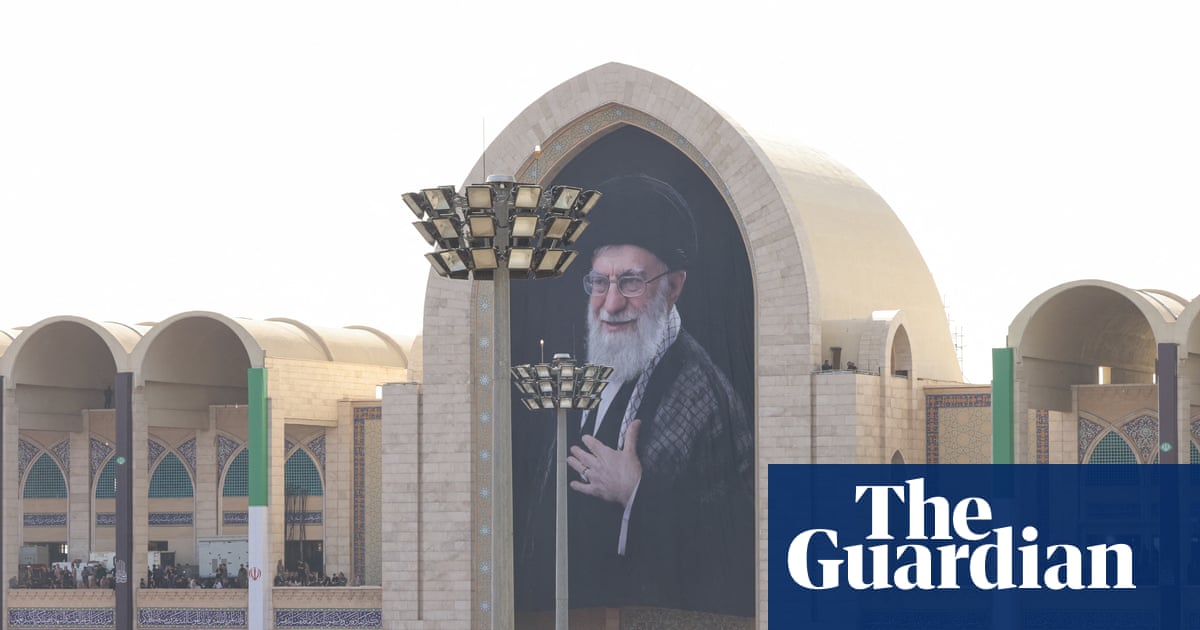
According to Reuters, the funeral began on July 4 at Tehran’s Grand Mosalla prayer complex, where Khamenei’s coffin lay in state before being carried through the capital in a large public procession. The procession then continued to Qom, before moving across the border into Iraq for ceremonies in Najaf and Karbala.

Al Jazeera reported that the Mashhad burial was delayed by heavy crowds, and Iranian state television said the ceremony was scheduled for the afternoon of July 9 local time. Reuters also said the body was ultimately laid to rest in Mashhad on Thursday, concluding the multi-day mourning period.

Iranian authorities framed the multi-city route as part of Khamenei’s religious and political legacy, linking his burial to some of Shiite Islam’s most sacred sites. The final interment in Mashhad, near the shrine of Imam Reza, underscored that symbolism.

A funeral becomes a political stage

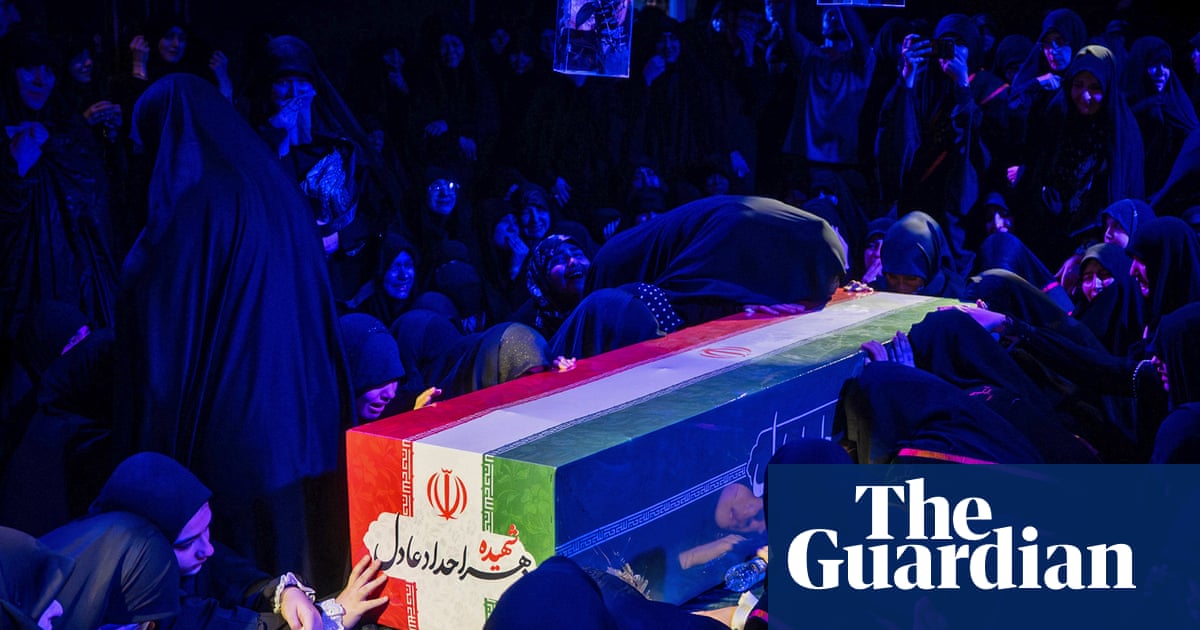
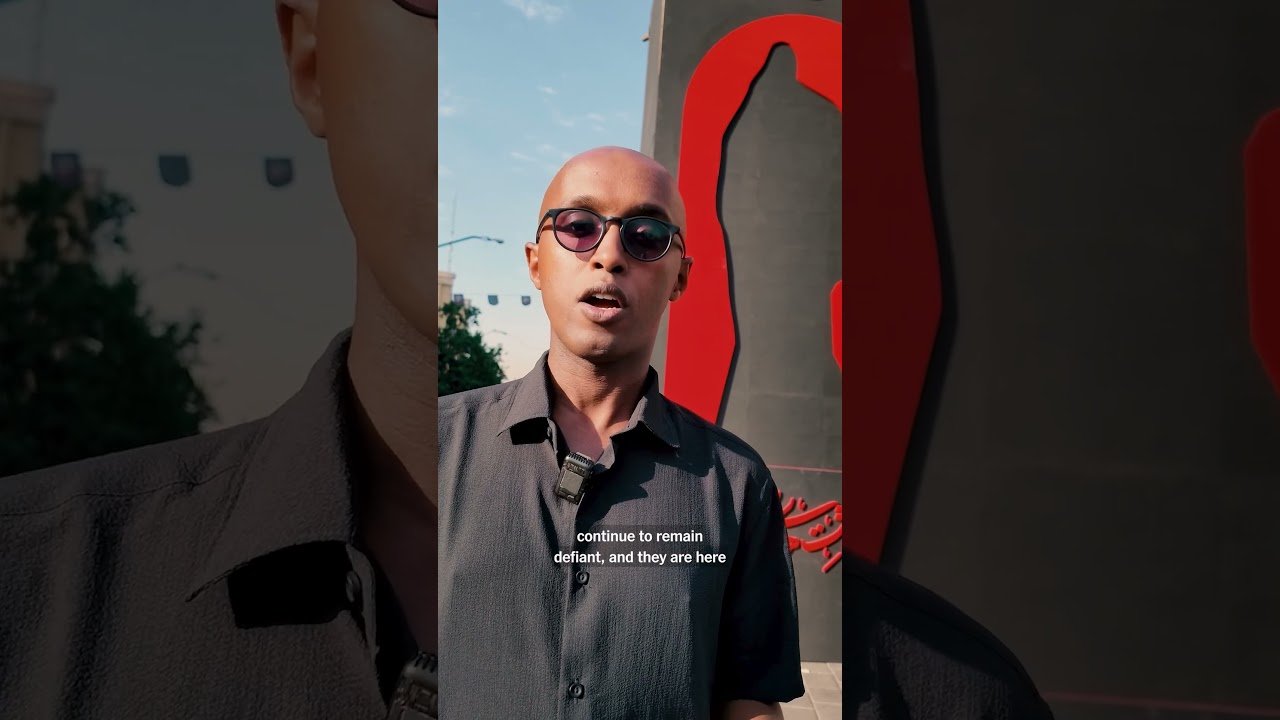
The mourning processions quickly became a display of political defiance. Reuters and Al Jazeera reported that crowds chanted anti-US and anti-Israel slogans throughout the week, with many mourners also calling for revenge over Khamenei’s killing.

In several footage reports, participants were seen chanting against Donald Trump as well, reflecting the anger directed at Washington and its allies. That rhetoric gave the funeral a sharper geopolitical edge, turning it into both a religious ritual and a public message of retaliation.

Reported scale

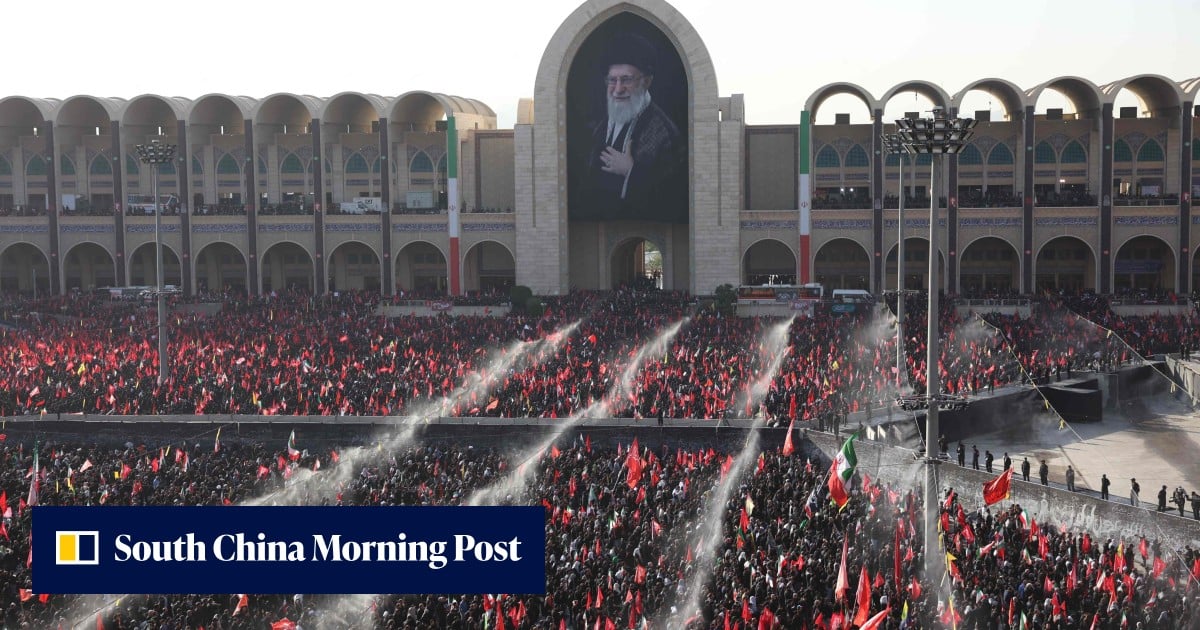
Iranian authorities and state media described the rites as exceptionally large, with millions of mourners expected or reported across the week.

Reuters said the Tehran procession drew vast crowds, while Al Jazeera reported that emergency services treated more than 34,000 participants during the ceremonies, with no fatalities recorded.

Claims of specific crowd totals in the tens of millions should be treated cautiously unless independently verified, since the available mainstream reports emphasize enormous turnout without confirming those exact figures.

Political signal

The funeral was also a political show of force. Reuters said Iranian officials used the ceremonies to signal that the Islamic Republic remained intact despite the killing of its longtime leader, while crowds chanted anti-US and anti-Israel slogans during the processions.

The event also drew foreign delegations, with Al Jazeera reporting attendance or representation from more than 100 countries and Reuters noting the presence of senior figures from Pakistan, China, Russia, Afghanistan and others.

Mojtaba’s absence

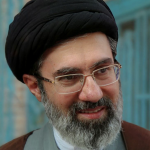
One of the most closely watched details was the absence of Mojtaba Khamenei, who Reuters said had succeeded his father as supreme leader but had not been seen publicly during the funeral period. Reuters and Al Jazeera both reported that his absence was linked to security concerns after he was wounded in the February strike that killed Khamenei.

That absence added intrigue to an already politically charged event, feeding speculation about succession, security, and the future balance of power inside Iran’s ruling establishment.
youtube placeholder image

US launches “Operation Economic Outcast,” widening Iran sanctions to five new sectors

The US launched Operation Economic Outcast against Iran that expands secondary sanctions risk across five critical sectors and targets nearly 60 entities.
Read more

Trump declares ‘Economic D-Day’ on Iran in unprecedented sanctions escalation

US President Donald Trump has launched what he calls an “Economic D-Day” against Iran, vowing the “most crushing economic operation ever taken against any country”.
Read more

Trump threatens to bomb Oman as US-Iran ceasefire collapses

Trump posted an AI-generated image on his Truth Social platform labeling the Strait of Hormuz as "NEW US TERRITORY."
Read more

US-Iran peace deal collapses as 60-day deadline expires

Both Washington and Tehran have ruled out extending the deal, with President Donald Trump declaring that Iran must "put up the white flag of surrender".
Read more

Trump and Iran trade claims over Strait of Hormuz as shipping traffic collapses

Washington says its naval blockade has secured the strategic waterway while Tehran insists no vessel may pass without its approval.
Read more

“Deeply Duplicitous”: Trump issues ‘last chance’ warning to Iran

After Iran denied holding talks, Trump publicly lashed out, calling the Iranian leadership "unbelievably duplicitous" and insists talks are ongoing.
Read more

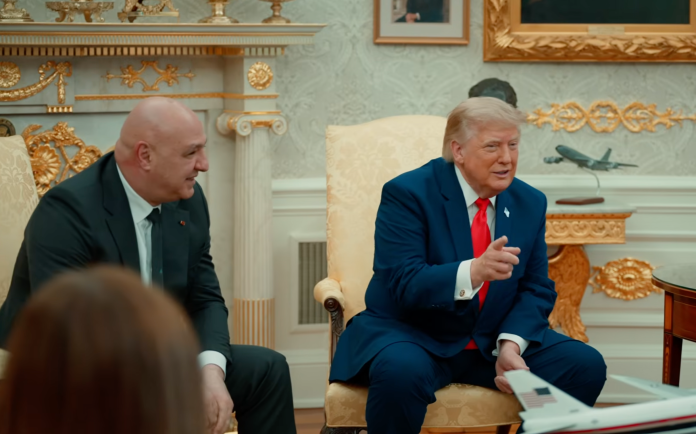
Trump meets Zelenskyy and Netanyahu before Lindsey Graham funeral

The overlap highlighted Graham’s standing as a longtime foreign-policy hawk, bringing together leaders tied to two of the world’s most consequential conflicts.
Read more

House votes to curb Trump’s Iran war powers, but Senate blocks the move

Trump framed the war powers vote as an attack on ongoing diplomacy, while critics said Congress was overdue to reassert its constitutional role over war-making decisions.
Read more

Trump threatens major strike as Red Sea conflict widens

Trump signaled that he sees little room for compromise at this stage, saying Iran is “not ready” and has not “received enough pain yet”.
Read more

Trump, Lebanon’s Aoun hold historic White House talks as US pushes regional deal

It is the first visit by a Lebanese head of state to Washington in nearly two decades and signaling renewed diplomatic momentum in the Middle East.
Read more
Timeline

28 Feb 2026: A joint U.S.–Israeli targeted airstrike hits the Supreme Leader’s compound in central Tehran. Khamenei, his daughter, granddaughter, son-in-law, and daughter-in-law are killed instantly. His second son, Mojtaba, suffers debilitating facial and limb injuries.

1 Mar: The Iranian government officially confirms Khamenei’s death. An Interim Leadership Council—comprising President Masoud Pezeshkian, Chief Justice Ejei, and cleric Alireza Arafi—takes temporary charge.

3 to 8 Mar: The Assembly of Experts fast-tracks the selection process. On 8 March, Mojtaba Khamenei is officially proclaimed the new Supreme Leader of Iran. He remains completely out of the public eye due to ongoing recovery and security risks.

9 Apr: The state holds the 40-day religious commemoration (Arba’in) milestone. Processions begin across Iran at 9:30 AM to mark the exact time of the strike. International media highlights the absence of a proper burial or physical appearance by the new Supreme Leader.

Jun: Following months of devastating fighting that throttled global energy markets, the United States and Iran agree to a truce. The pause in active hostilities allows the clerical establishment to prepare the massive, logistically complex funeral rites.

4 to 5 Jul: The multi-day funeral officially begins. Khamenei’s casket is put on public display at the Imam Khomeini Grand Mosalla. High-profile diplomatic delegations from over 30 countries arrive.

6 Jul (Tehran): A massive 10-kilometre procession moves from Imam Hossein Square to Azadi Square. State media claims roughly 12 million people flood the capital’s streets.

7 Jul (Qom): The body is moved to the clerical city of Qom. Hundreds of thousands gather for prayers at the Jamkaran Mosque.

8 Jul (Iraq Leg): In an unprecedented cross-border procession, the caskets are flown to Iraq. Millions of Iraqi Shia Muslims escort the coffins through the holy shrines of Najaf and Karbala.

9 Jul (Mashhad): The body arrives in Khamenei’s birthplace of Mashhad. Due to immovable crowds blocking the transport truck, a military helicopter lifts the casket into the inner sanctum of the Shrine of Imam Reza.

10 Jul (Burial & Resumed Hostilities): Official state media confirms the final burials are completed early Friday morning. Simultaneously, the delicate truce shatters as Iran launches retaliatory missile strikes against U.S. military bases in the Persian Gulf.

You may also be interested in

LEAVE A REPLY

Please enter your comment!
Please enter your name here