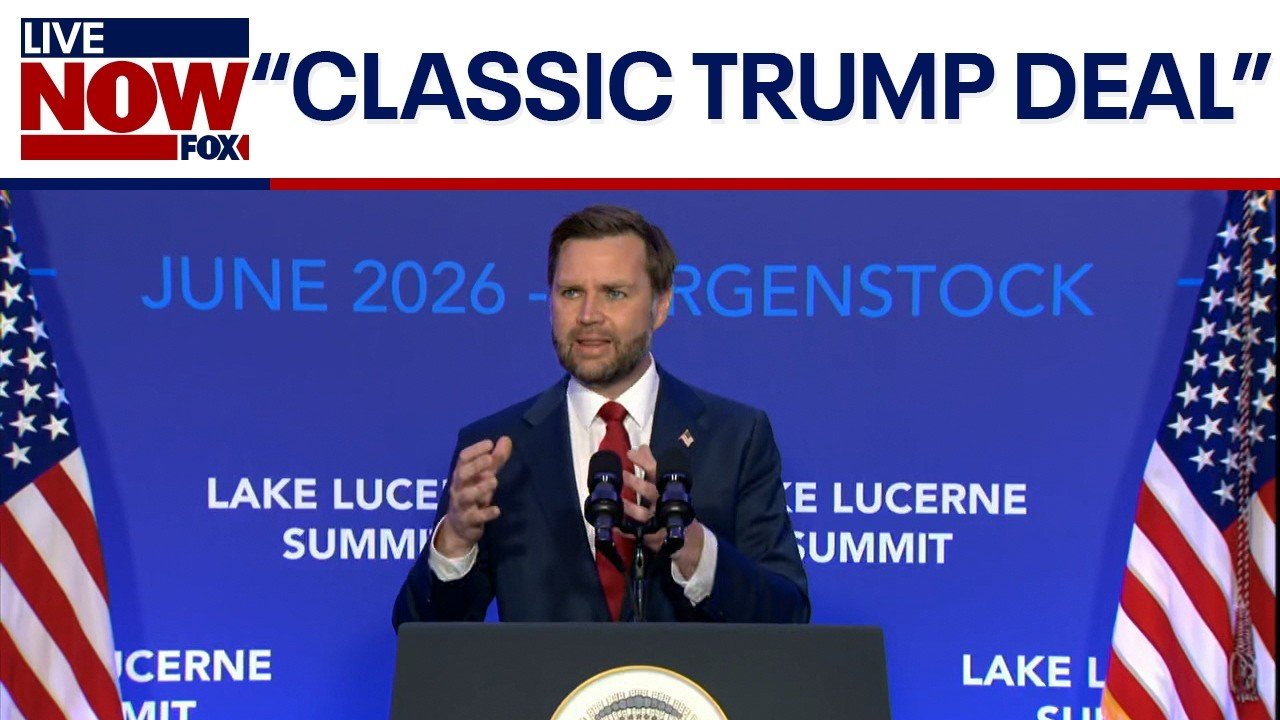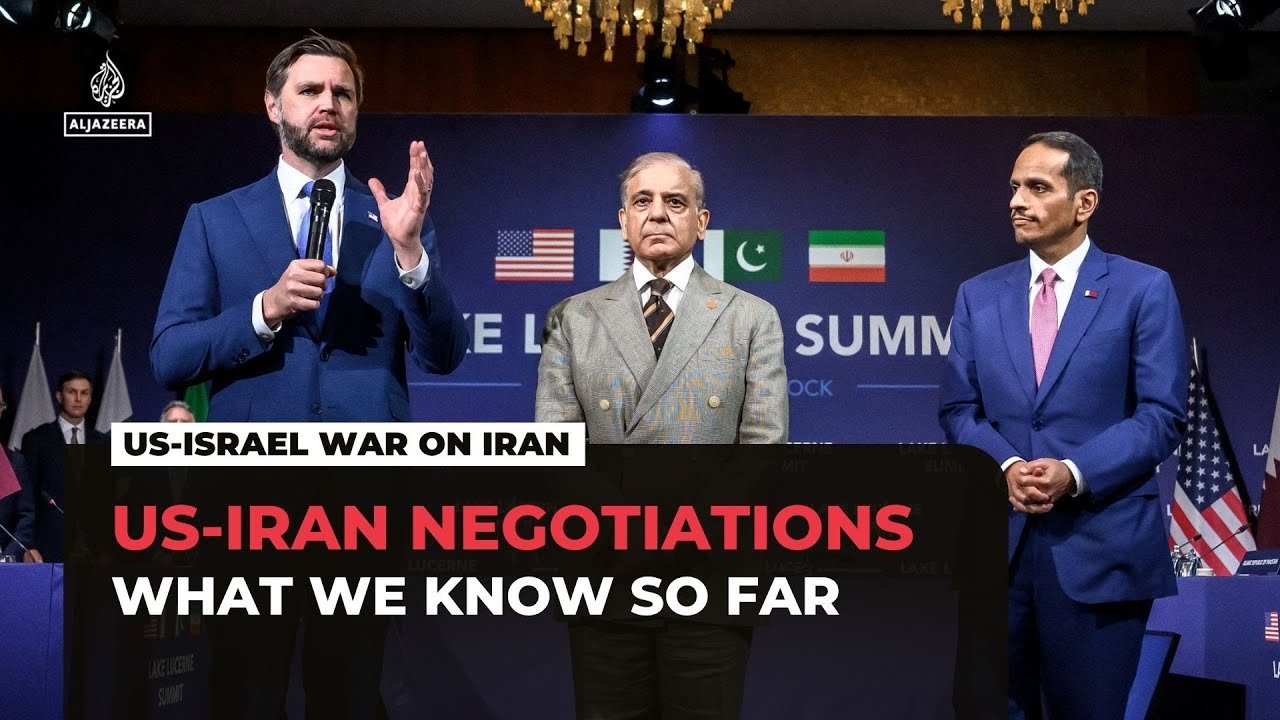






High-level talks between the United States and Iran in Switzerland ended with both sides agreeing to a 60-day roadmap toward a broader settlement, but the outcome quickly came under pressure as fresh violence flared in the Gulf. The negotiations were held at the Bürgenstock resort overlooking Lake Lucerne and brought together US, Iranian, Pakistani, and Qatari officials in an 18-hour session that mediators described as making “encouraging progress”.
The talks did not amount to a final peace agreement. Instead, the mediators said they had established a framework for further technical discussions, with the parties committing to continue working toward a final deal over the next two months. That distinction matters because the agreement remained a memorandum-style process rather than a fully ratified settlement.
Who was involved
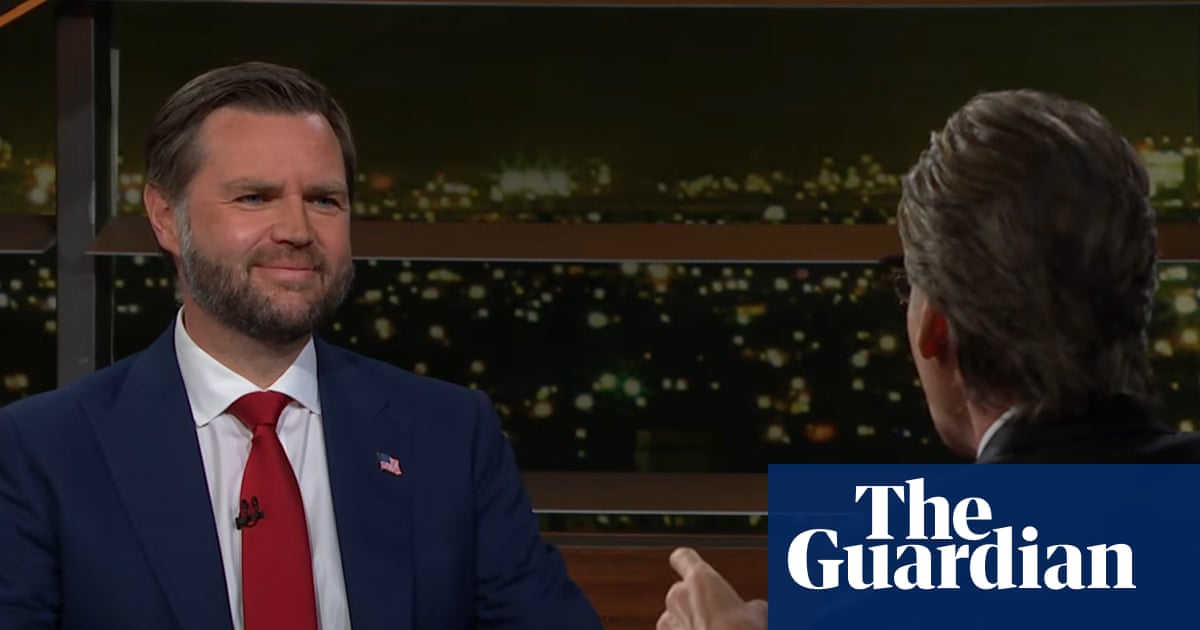
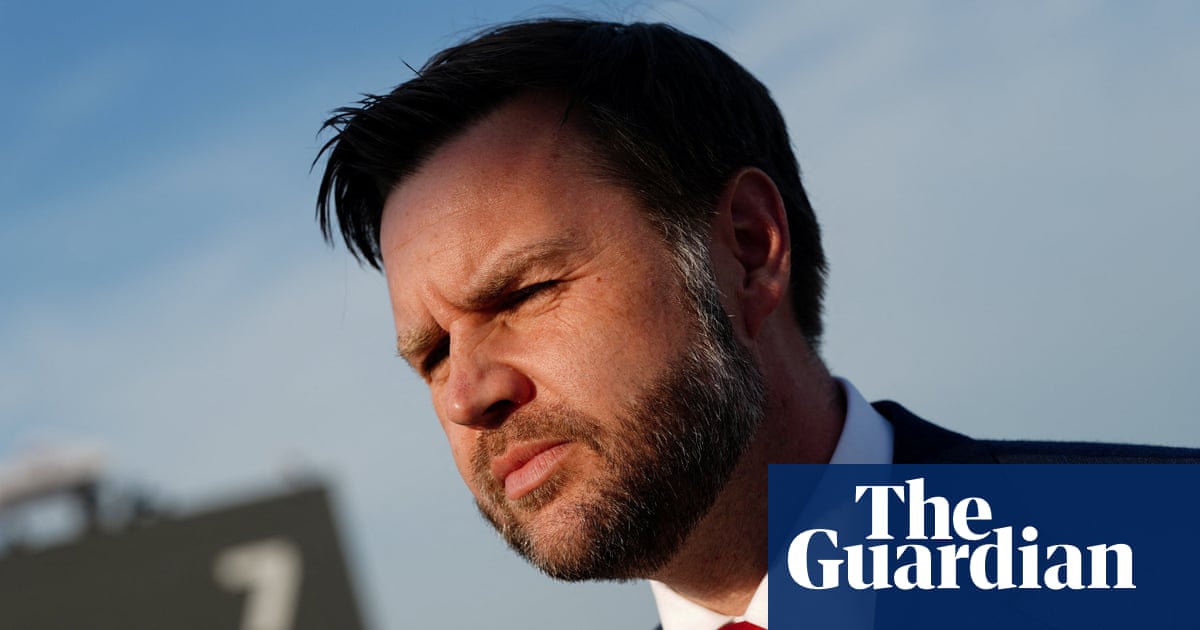
The US delegation was led by Vice President JD Vance, with special envoy Steve Witkoff also involved, while Iran was represented by Foreign Minister Abbas Araghchi and other senior officials. Pakistan and Qatar served as mediators and helped shuttle between the two sides during moments of tension.
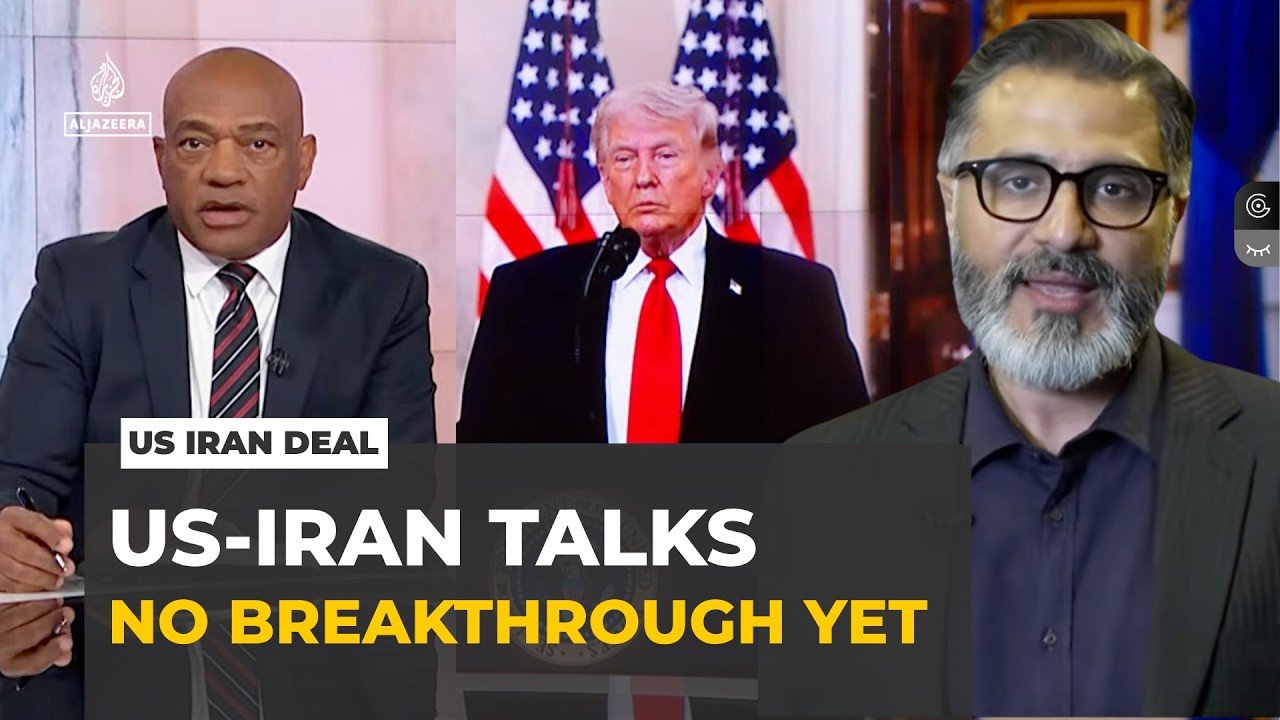
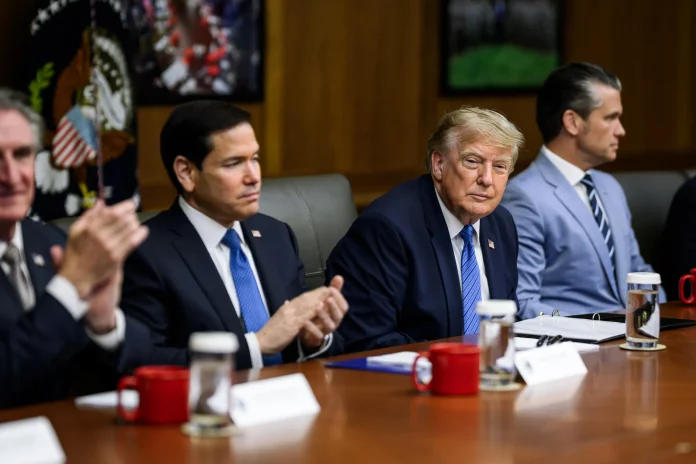
The talks took place against a volatile political backdrop, with President Donald Trump publicly warning Iran and linking the negotiations to regional escalation, especially around the Strait of Hormuz and Iran-backed armed groups. Despite that pressure, the Swiss meeting was treated by mediators as the first serious opening for structured follow-up discussions in weeks.
Trump’s threat almost derailed talks
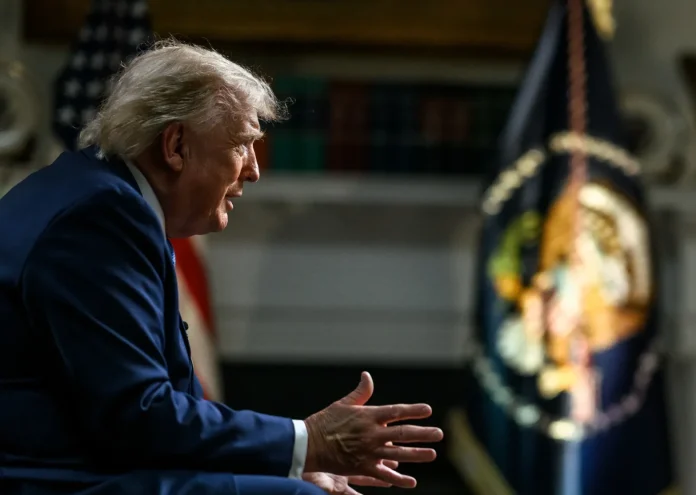
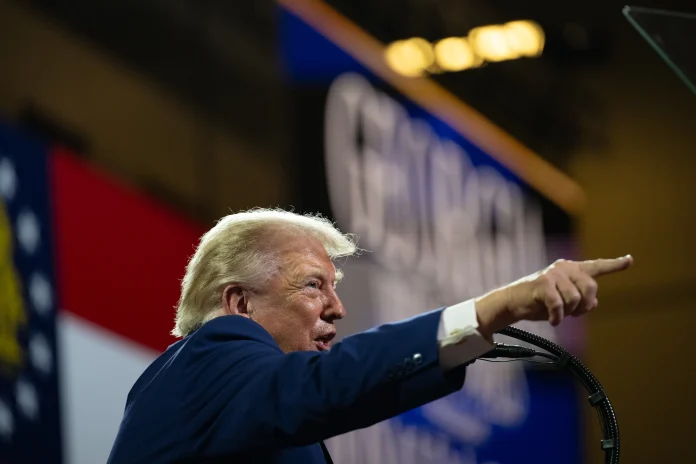
The opening session was overshadowed by President Donald Trump’s televised threats during an interview with Fox News, including a warning that the United States could “take over” the Strait of Hormuz if Iran moved to close it and a pledge to strike harder unless Tehran reined in its proxies in Lebanon.
Iranian negotiators left the room after roughly 80 minutes, forcing Qatar and Pakistan into emergency shuttle diplomacy before the talks could resume.
What the talks achieved
The clearest outcome was a roadmap for continued dialogue, including further technical talks and a mechanism intended to reduce the risk of military miscalculation. Reporting also indicated that the sides were trying to keep maritime trade through the Strait of Hormuz open and safe, reflecting the central role of shipping security in the negotiations.
Nuclear inspections were reportedly also included in the framework, with US officials saying Iran had agreed in principle to allow the IAEA back in, though Tehran insisted access to bombed sites would still depend on a final agreement and further technical talks.
The United States also eased oil sanctions for 60 days, issuing a temporary Treasury license that allows the production, transport, delivery and sale of Iranian-origin crude, petrochemicals and petroleum products through August 21. The waiver reportedly covers related shipping and insurance services, making it easier for commercial trade to resume in the short term, though broader US sanctions on Iran remain in place outside the authorized transactions.
Later reporting suggested the parties had also agreed in principle to create a direct deconfliction channel involving US Central Command and Iran’s Revolutionary Guard, a notable step given the two militaries’ long-standing hostility. That said, the mechanism was still fragile and vulnerable to political pushback on both sides.
Lebanon de-confliction mechanism
One of the most closely watched outcomes was the reported agreement to establish a Lebanon de-confliction cell involving representatives of the United States, Iran and Lebanon, with support from the mediating states.
The purpose of the mechanism was to help prevent local incidents from escalating into a wider confrontation, particularly at a time when fighting between Israel and Hezbollah remained one of the region’s most dangerous flashpoints. Reporting on the talks described the cell as a practical crisis-management tool rather than a comprehensive political settlement.
In effect, it would create a structured channel for responding to incidents, reducing the chance of accidental escalation, and monitoring whether commitments to curb military hostilities in Lebanon were being followed. That made Lebanon a test case for whether the wider US-Iran track could survive pressure on the ground.
Hormuz security and maritime communications
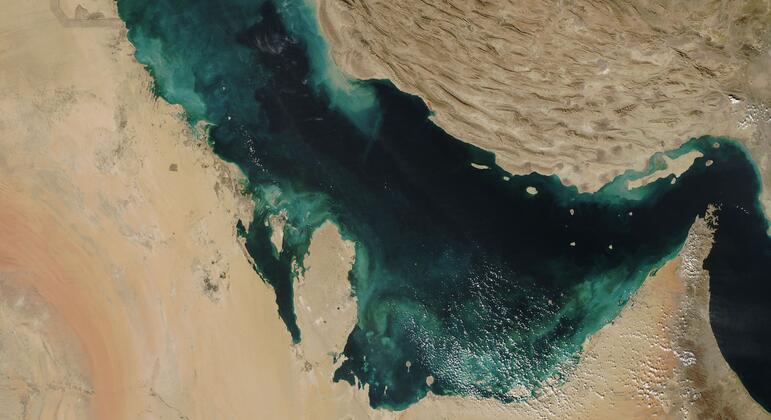
The Strait of Hormuz emerged as the other major pressure point in the discussions.
Mediators said the sides agreed to establish a communication line to avoid incidents and miscommunication in the waterway, with the stated aim of keeping commercial shipping moving safely through one of the world’s most strategic choke points.
The arrangement was presented as temporary and tied to the 60-day framework under discussion, rather than as a permanent legal regime.
That matters because the strait is not only a shipping lane but also a live military flashpoint. Iran’s negotiators publicly framed the waterway as remaining under Tehran’s control, while mediator summaries focused on deconfliction and safe passage for commercial vessels.
The practical purpose was to lower the risk of misunderstandings at sea, especially after repeated warnings, route changes and maritime incidents in recent days.
CENTCOM and IRGC contact channel
The most striking military development to emerge from the talks was the reported agreement to create a direct de-escalation channel between US Central Command and Iran’s Revolutionary Guard Corps, based in Doha. Vice President JD Vance later described the arrangement in unusually plain language, saying Iranian officials had effectively agreed to send an IRGC representative to Doha to speak with CENTCOM counterparts directly.
That reported channel is significant because it crosses a line that has long been politically taboo, given Washington’s designation of the IRGC as a foreign terrorist organization.
Supporters of the mechanism framed it as a necessary emergency line for crisis containment, especially in the Gulf, where a small maritime or aerial incident can escalate within hours. The report also shows how seriously both sides viewed the risk of miscalculation, even while publicly denying any normalization of ties.
Sanctions relief and asset access
The talks also reportedly touched on limited sanctions relief and access to frozen Iranian assets, but this area should be understood as conditional and phased rather than fully implemented. Reporting suggested that any relief would depend on continued compliance and further technical work, rather than an immediate broad lifting of restrictions. The economic side of the discussions was closely tied to whether Iran would keep the Strait of Hormuz open and refrain from further escalation.
Some reporting also suggested that restricted trade and humanitarian access, including agricultural goods, could be part of the early implementation track. In article form, it is safer to describe this as phased economic easing under oversight, not as a completed sanctions rollback. That gives the audience the substance without overstating what had actually been finalized.
Why the framework is fragile
Even as the diplomacy advanced, events in the Gulf quickly showed how exposed the process remained. Reporting on June 26 and 27 said a commercial vessel was attacked in the Strait of Hormuz, prompting US retaliation against Iranian targets and widening the military exchange.
Iran then responded with drone and missile strikes on Bahrain and Kuwait, escalating the conflict beyond the maritime corridor and into the broader Gulf region.
The fact that these incidents happened so soon after the Swiss talks highlights the narrowness of the diplomatic window. The de-confliction mechanisms in Lebanon and Hormuz, along with the CENTCOM-IRGC line, are meant precisely to prevent this kind of escalation, but the latest attacks show that their credibility will depend on whether both sides can restrain field commanders and proxy actors.
Why this matters
The Switzerland talks were important because they showed that the US and Iran were willing to establish at least a basic framework for contact after months of confrontation. But the latest round of attacks suggests that the agreement’s survival depends less on the text of the roadmap than on whether both sides can stop treating vessels and Gulf infrastructure as legitimate targets.
For now, the most significant takeaway is not that peace has been achieved, but that diplomacy has become tightly entangled with active conflict.