


The United States and Iran have tentatively agreed to pause their latest exchange of strikes after a weekend of military escalation brought their June 17 ceasefire agreement close to collapse, according to US officials and multiple reports. The pause is meant to create space for negotiations to continue, even as both sides keep blaming one another for violating the truce.
President Donald Trump said fresh US-Iran talks would take place in Doha on Tuesday, claiming on Truth Social that “Iran has requested a meeting,” and White House officials said envoys were due to travel for the session.
However, Iranian officials have not publicly confirmed that version of events, with Al Jazeera reporting that Tehran had not commented on a halt to fighting and was still insisting on its authority over the Strait of Hormuz. That leaves the planned Qatar meeting in a state of uncertainty even as both sides say the ceasefire pause remains in effect.
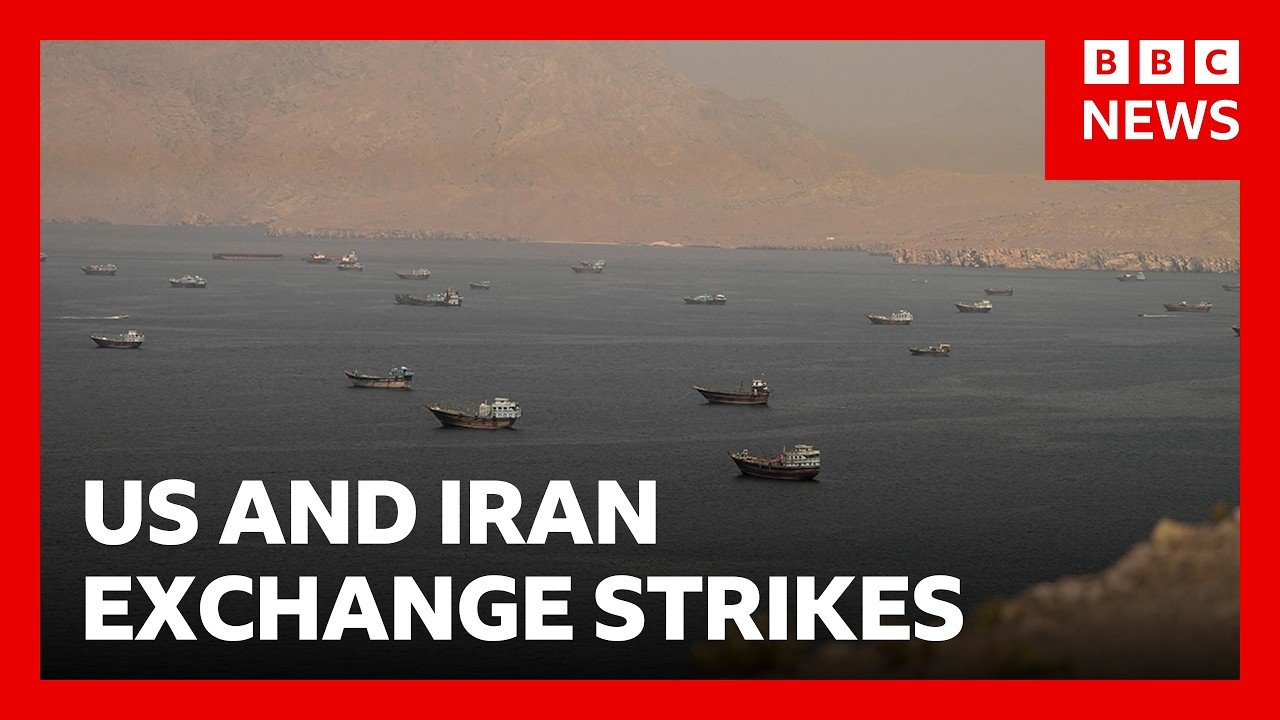
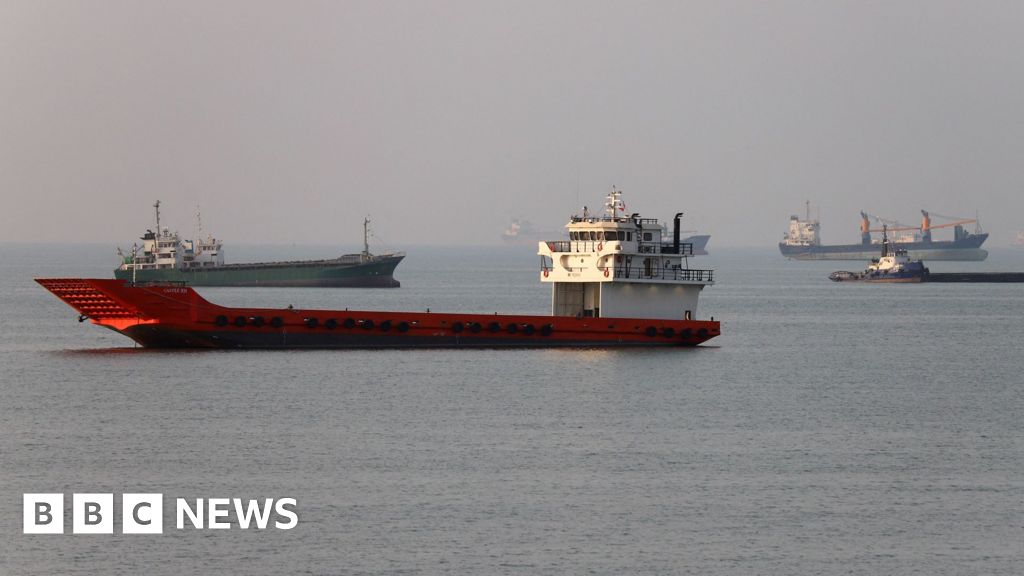
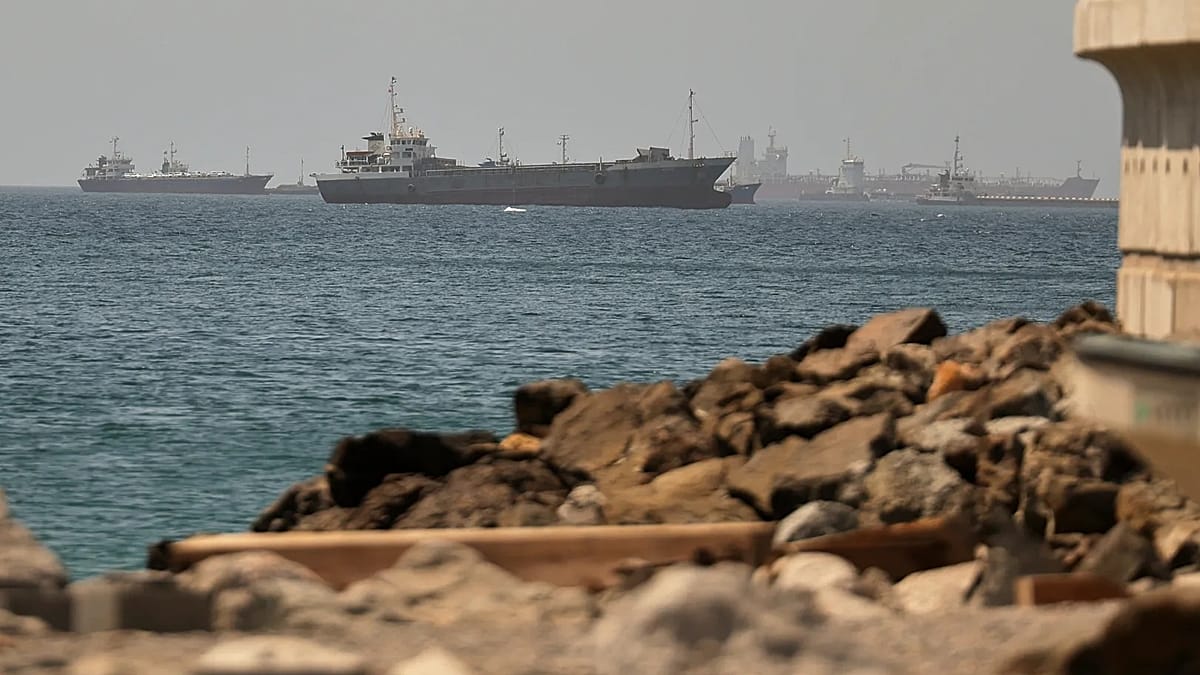
The latest crisis centers on the Strait of Hormuz, where attacks on commercial shipping triggered US retaliation, Iranian counterstrikes, and renewed uncertainty over whether the two sides can preserve the 14-point memorandum of understanding signed earlier this month.
Weekend escalation
The immediate spiral began on Thursday, June 25, when the Singapore-flagged container ship Ever Lovely was struck near Oman in the Strait of Hormuz, with no injuries reported. British and maritime reporting cited the incident as a projectile or drone strike, and the attack disrupted efforts to stabilize shipping in the waterway.
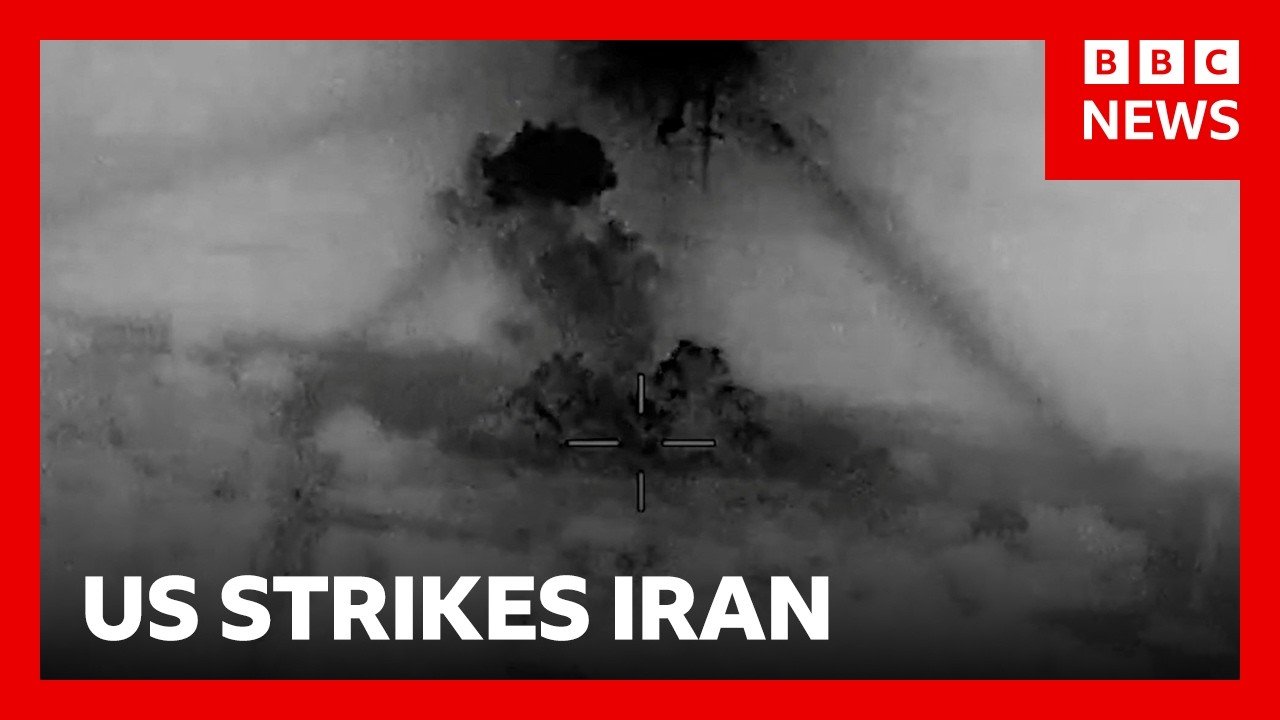
On Friday, June 26, President Donald Trump called the attack a violation of the ceasefire, and US Central Command launched retaliatory strikes on Iranian missile and drone locations as well as coastal radar sites. US officials described the operation as a response to what they said was continuing aggression against commercial shipping.
Iran signed a ceasefire agreement. We have honored it. If they have disagreements about how the MOU is being applied, they can pick up the phone.
— JD Vance (@JDVance) June 26, 2026
But violence will be met with violence. https://t.co/VWnBS1PWaV
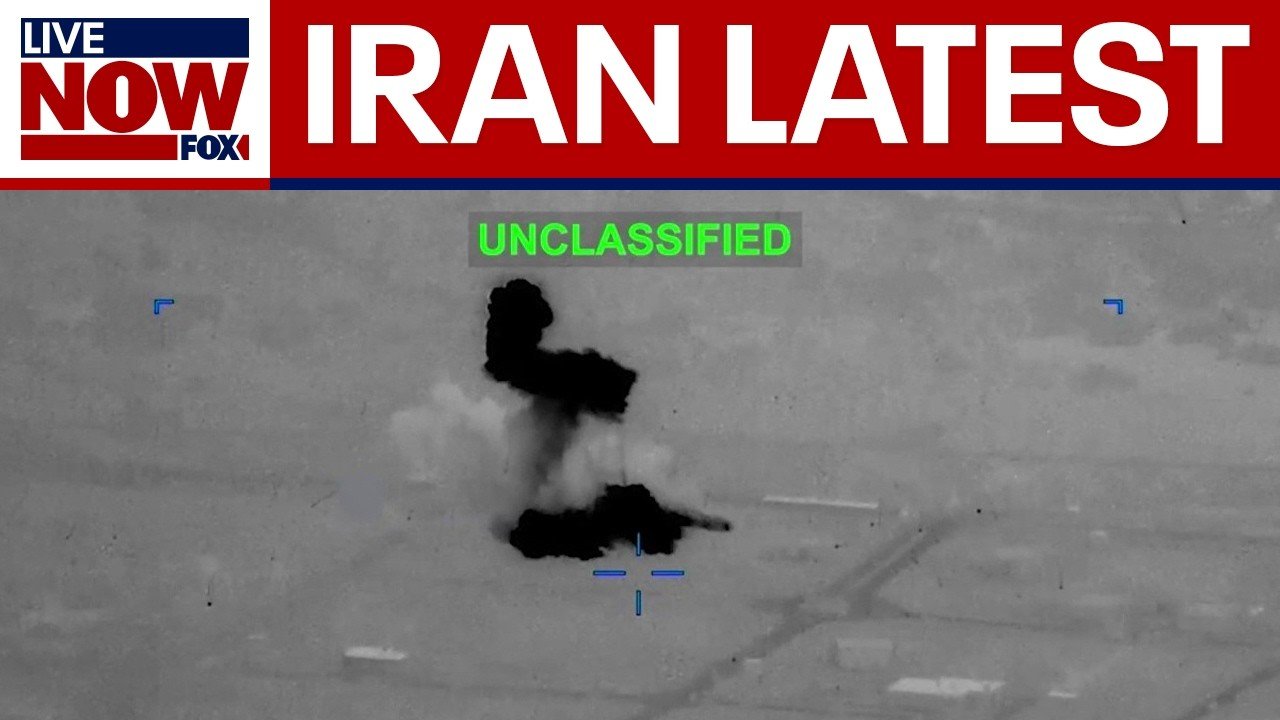
On Saturday, June 27, a second commercial vessel, identified in reporting as a tanker, was hit in the Strait of Hormuz, prompting a second round of heavier US strikes on targets in southern Iran. Reports said the new attacks included military positions linked to Iran’s coastal posture after the second vessel strike deepened fears that shipping lanes were again becoming a battlefield.
On Sunday, June 28, Iran retaliated by striking at sites linked to US forces in Kuwait and Bahrain, further straining the ceasefire framework. US reporting said none of those strikes reached their intended targets and there were no casualties or damage, while Kuwaiti defenses were reported to have intercepted incoming missiles.
Ceasefire dispute
The broader dispute traces back to the 14-point memorandum of understanding signed on June 17, which called for an immediate halt to military operations and for Iran to make its “best efforts” to ensure the safe passage of commercial vessels for 60 days. The agreement was designed as a framework to extend the ceasefire, reopen shipping through the Strait of Hormuz, and keep diplomacy alive.
The main disagreement is over who has authority to regulate passage through the strait. Iran has argued that shipping moving through the waterway must comply with its rules and authorization requirements, while the United States maintains that commercial vessels using southern routes near Omani waters do not require Iranian clearance.
That legal and operational dispute has turned the Strait of Hormuz into the central fault line of the current crisis, because each side claims it is defending the terms of the understanding rather than breaking them.
Diplomatic fallout
The military escalation quickly spilled into the diplomatic track. Trump publicly warned that the United States could escalate further if Iran failed to comply, while Iranian officials threatened to halt or suspend the 60-day negotiating process altogether.
Even so, the diplomatic channel has not fully broken down. Reports on June 29 said the two sides had agreed to “stand down for now,” with talks still expected to continue as mediators try to keep the ceasefire from unraveling completely.
Current status
As of June 29, the immediate fighting appears to be in a temporary pause rather than a settled de-escalation. A US official said ships would be able to move through the strait more freely again, but Iran had not publicly confirmed all elements of the reported arrangement at the time of publication
Commercial traffic through the Strait of Hormuz remains below normal even though the waterway is still operating, reflecting continued caution among shipping operators after the attacks of the past several days. That means the ceasefire is still formally alive, but its survival now depends on whether technical talks can outpace the next military incident.
Financial and political signals
In a sign that parts of the June 17 framework are still moving, Iranian President Masoud Pezeshkian said that $6billion in frozen Iranian assets held in Qatar is to be released. The announcement suggested that, despite the exchange of strikes, at least some political and financial provisions linked to the broader understanding remain active.