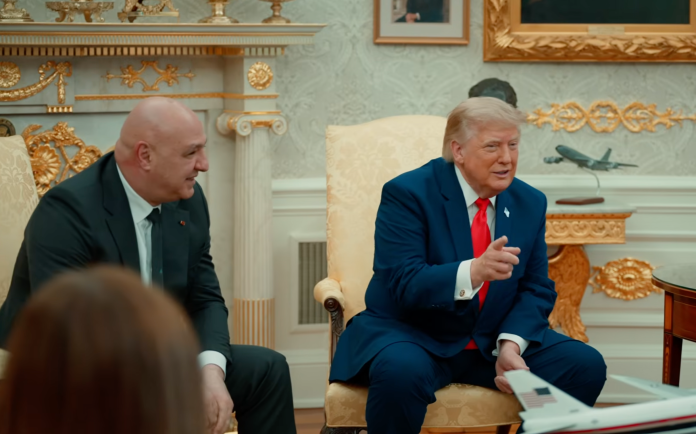
Israel and Hezbollah renew ceasefire just as US-Iran deal faces its biggest test

Jump to Timeline

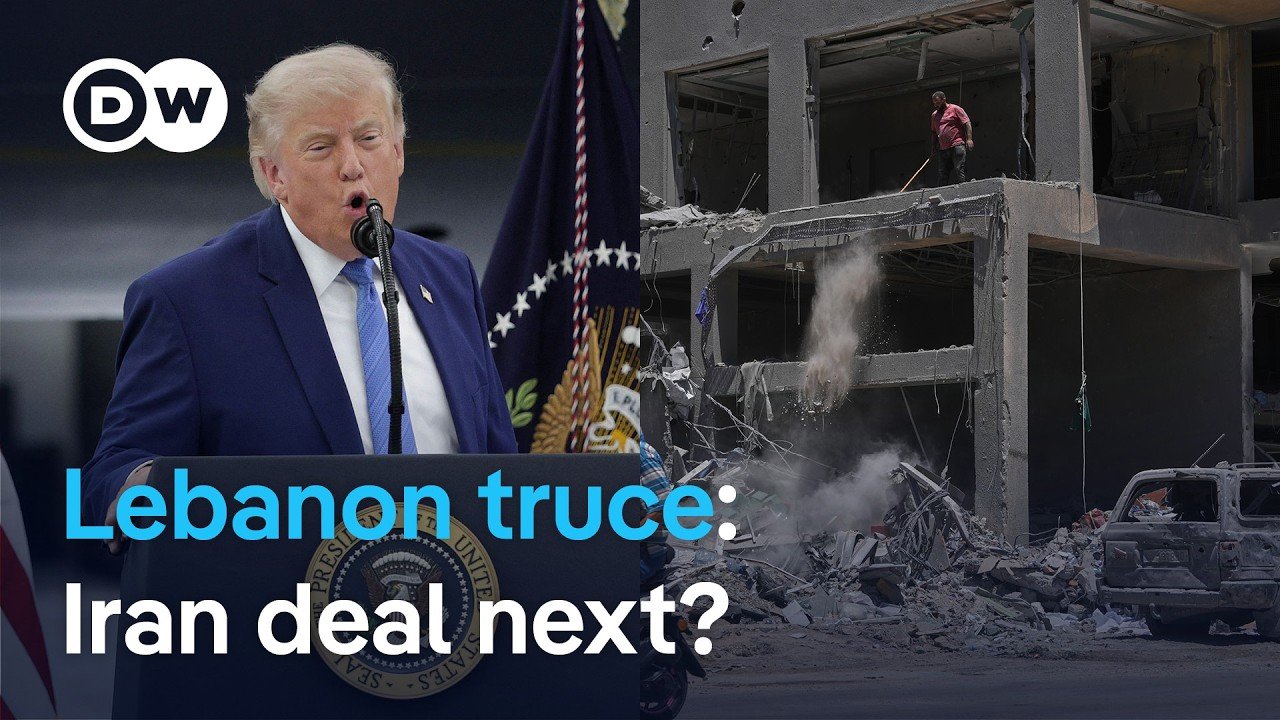
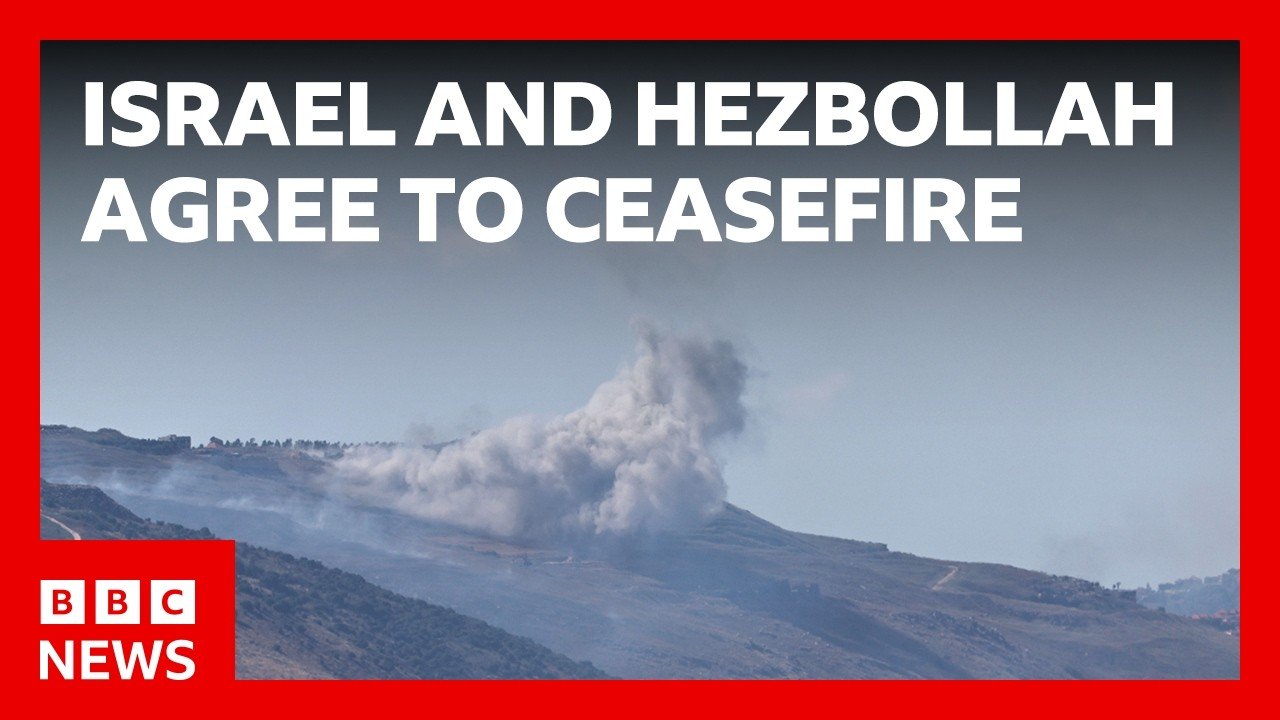
Israel and Hezbollah agreed to a renewed ceasefire on Friday, June 19, 2026, in a fragile truce brokered by US and Qatari mediators with diplomatic backing from Iran. The ceasefire was put in place after a massive 24-hour surge in violence that threatened to collapse the broader US-Iran peace framework, the Islamabad Memorandum of Understanding (MoU).

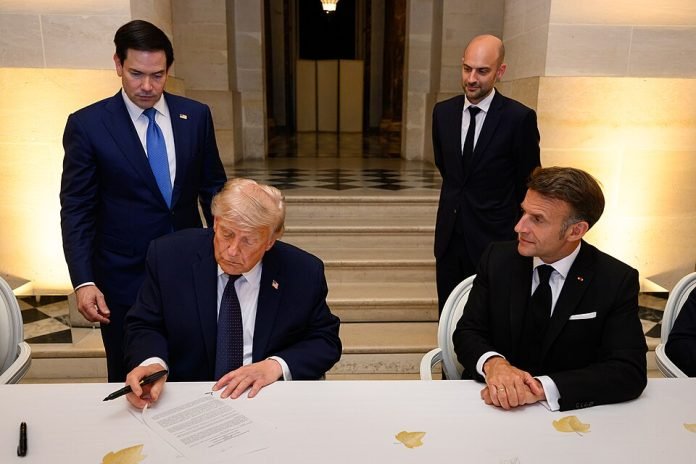
The deal comes less than a week after President Donald Trump and Iranian President Masoud Pezeshkian signed the interim MoU, which established a 60-day window to negotiate a final treaty. The renewed Lebanon truce is now a critical condition for whether that window can be used to defuse a broader regional war or whether fighting will simply resume.

Deadly escalation in 24 hours

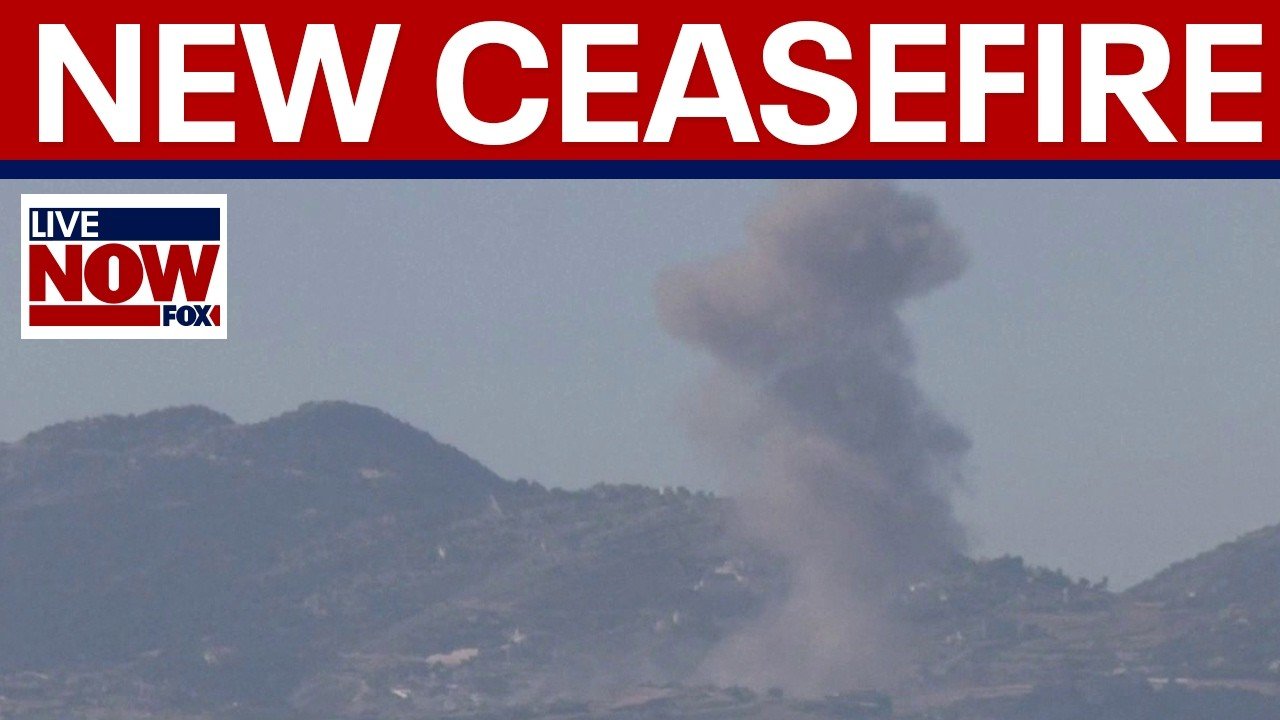
The ceasefire became an urgent priority after intense combat on Friday morning shattered previous local truces. Hezbollah killed four Israeli soldiers, including a battalion commander, in an explosive tank attack in the southern Lebanese village of Kfar Tebnit.

Israel responded with massive airstrikes across southern and eastern Lebanon, hitting more than 80 targets. The Lebanese Health Ministry reported at least 47 people killed and 97 wounded in the blitz. The flare-up forced US and Iranian delegations to cancel their planned face-to-face technical implementation talks at Bürgenstock, Switzerland, and put the entire MoU at risk.

Ceasefire terms and fragile conditions

While both sides have entered the truce, conditions on the ground remain highly volatile. Unlike past agreements, Israel has refused to withdraw its troops from southern Lebanon. An Israeli military spokesperson confirmed that forces will remain active in their occupied security zone to neutralize threats.

Israel’s Ambassador to the US, Yechiel Leiter, said Israel is firmly committed to the ceasefire but warned that if Hezbollah honors the agreement and stops hostilities, it will be met with quiet. Two Hezbollah sources confirmed fighters were ordered to stand down immediately upon receiving the 4PM deadline.

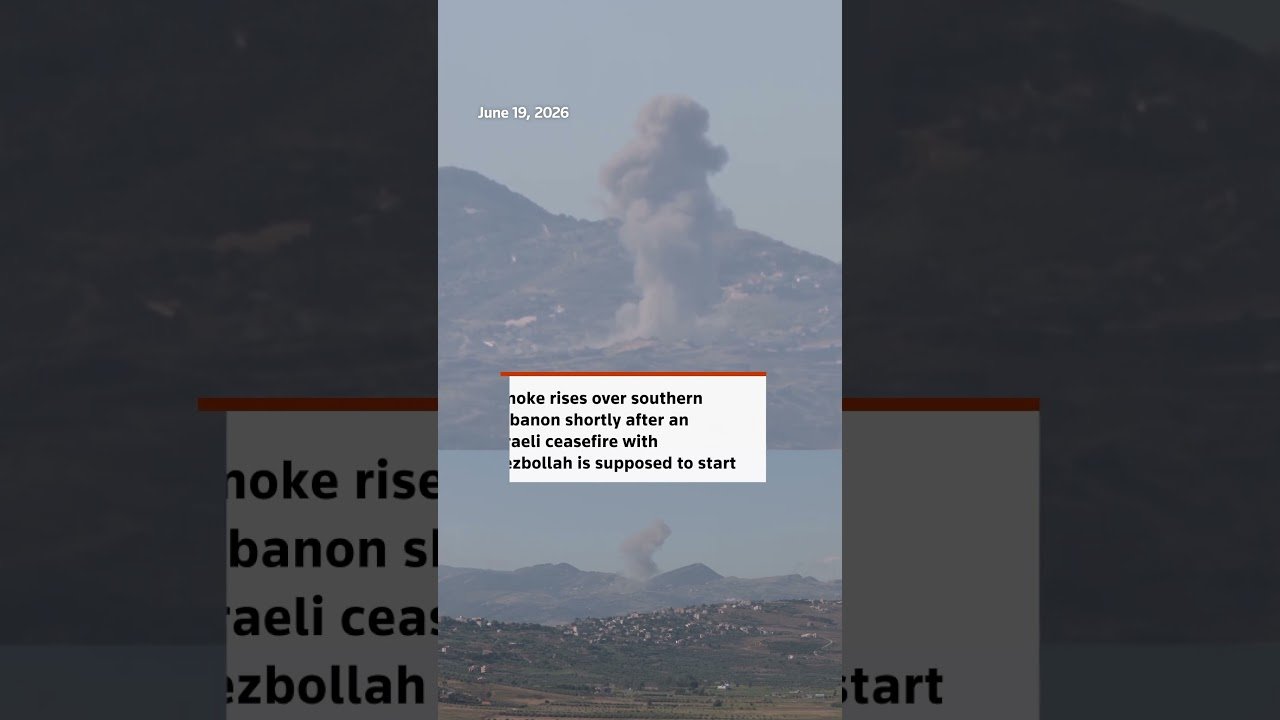
Rescue officials in Nabatieh reported at least 12 distinct Israeli airstrikes after the deadline, and local state media noted strikes in the Jezzine region, suggesting the truce is already under pressure.

Reactions and diplomatic fallout

The diplomatic impact is immediate. Friday’s escalation forced delegations to cancel the Switzerland talks that were meant to begin technical implementation of the MoU, deepening uncertainty over whether the 60-day negotiation window can be used effectively.

US Secretary of State Marco Rubio and Lebanese President Joseph Aoun held an emergency call to discuss moving the region toward a permanent settlement. Formal negotiations between sovereign governments are now being rescheduled to June 23 to 25 in Washington, where the US is continuing to press for Hezbollah’s disarmament.

Iran’s role as a backer of the truce reinforces its interest in preserving the broader US–Iran framework, but the episode also shows how easily regional actors can undermine the ceasefire through local fighting.

Why this matters for the Iran deal

The Lebanon ceasefire is now a test of whether the Islamabad MoU can hold when combat continues on the ground. If fighting stops and the June 23 talks proceed, the process could move toward a more durable settlement. If not, the MoU may be remembered as a temporary pause rather than a path to a final treaty.

For now, the renewed truce is in place, but its fragility means the US–Iran deal remains at risk as long as Israel and Hezbollah exchange fire.
youtube placeholder image

Key widely reported facts from verified sources including BBC, Reuters, Al Jazeera, The Washington Post, The Guardian, The Times of Israel, NBC News, WSJ, PBS, DW, TIME, CNN

US launches “Operation Economic Outcast,” widening Iran sanctions to five new sectors

The US launched Operation Economic Outcast against Iran that expands secondary sanctions risk across five critical sectors and targets nearly 60 entities.
Read more

Trump declares ‘Economic D-Day’ on Iran in unprecedented sanctions escalation

US President Donald Trump has launched what he calls an “Economic D-Day” against Iran, vowing the “most crushing economic operation ever taken against any country”.
Read more

Trump threatens to bomb Oman as US-Iran ceasefire collapses

Trump posted an AI-generated image on his Truth Social platform labeling the Strait of Hormuz as "NEW US TERRITORY."
Read more

US-Iran peace deal collapses as 60-day deadline expires

Both Washington and Tehran have ruled out extending the deal, with President Donald Trump declaring that Iran must "put up the white flag of surrender".
Read more

Trump and Iran trade claims over Strait of Hormuz as shipping traffic collapses

Washington says its naval blockade has secured the strategic waterway while Tehran insists no vessel may pass without its approval.
Read more

“Deeply Duplicitous”: Trump issues ‘last chance’ warning to Iran

After Iran denied holding talks, Trump publicly lashed out, calling the Iranian leadership "unbelievably duplicitous" and insists talks are ongoing.
Read more

Trump meets Zelenskyy and Netanyahu before Lindsey Graham funeral

The overlap highlighted Graham’s standing as a longtime foreign-policy hawk, bringing together leaders tied to two of the world’s most consequential conflicts.
Read more

House votes to curb Trump’s Iran war powers, but Senate blocks the move

Trump framed the war powers vote as an attack on ongoing diplomacy, while critics said Congress was overdue to reassert its constitutional role over war-making decisions.
Read more

Trump threatens major strike as Red Sea conflict widens

Trump signaled that he sees little room for compromise at this stage, saying Iran is “not ready” and has not “received enough pain yet”.
Read more

Trump, Lebanon’s Aoun hold historic White House talks as US pushes regional deal

It is the first visit by a Lebanese head of state to Washington in nearly two decades and signaling renewed diplomatic momentum in the Middle East.
Read more
Timeline

Apr 7 to 8: The United States and Iran agree to a fragile, two-week ceasefire framework mediated by Pakistan.

Apr 8: Just hours after the announcement, the Israel Defense Forces (IDF) conduct a massive blitz across Lebanon, killing over 300 people in Beirut. The attack tests the limits of the US-Iran truce.

Apr 14: The US hosts high-level, direct diplomatic talks between Israeli and Lebanese officials in Washington to de-escalate the border conflict.

Apr 17: US President Donald Trump announces a 10-day ceasefire specifically between Israel and Lebanon. Iran simultaneously announces it will temporarily open the blockaded Strait of Hormuz to commercial vessels.

Apr 21: Citing progress in ongoing negotiations, President Trump extends the US-Iran ceasefire indefinitely.

Late Apr to Mid-May: Despite commitments to the truce, Israel and Hezbollah trade frequent, low-intensity cross-border fire. The US maintains enforcement of its strict naval blockades on Iranian ports to keep pressure on Tehran.

May 5: The United States officially concludes the operational phase of Operation Epic Fury — the code name for its joint combat operations with Israel against Iran.

May 27: Tensions spike dramatically as intense Israeli airstrikes kill 31 people in Lebanon amidst widening domestic displacement.

May 30: Frustrated by continuous proxy friction, IDF ground forces push north of the Litani River into Lebanon for the first time in 20 years.

May 31: The Israeli ground invasion advances to its deepest point in a quarter-century, effectively shattering the operational constraints of the April ceasefire.

1 to 3 Jun: Israel drastically accelerates its ground operations against Hezbollah in Lebanon. Iran and the IRGC warn that there will be “no calm in the region” if Israel does not withdraw, viewing the Lebanon campaign as an indirect violation of the U.S.-led truce.

7 Jun: Ending a two-month lull, Iran fires a barrage of ballistic missiles directly at Israel in response to the Lebanon invasion, prompting instant Israeli retaliatory airstrikes.

8 Jun: An Iranian Shahed attack drone collides with a U.S. Army AH-64 Apache helicopter over the Gulf of Oman, causing it to crash. The pilots are rescued by an autonomous Navy vessel.

9 to 10 Jun: U.S. CENTCOM launches widespread airstrikes targeting 20 coastal military, radar, and air-defense nodes inside Iran. Iran responds immediately by launching waves of missiles and drones at U.S. bases in Kuwait, Bahrain, and Jordan.

Jun 11: Pakistani officials say a U.S.-Iran peace deal could be finalized within 24 hours, with preparations under way for an electronic signing followed by technical talks.

Jun 12: Pakistani Prime Minister Shehbaz Sharif says a “final, agreed upon text” of the deal has been reached, while Pakistan and Switzerland discuss arrangements for a possible signing ceremony.

Jun 13: Trump says the agreement is expected to be signed within days, though Iranian officials cast doubt on the precise timing and continue to signal that details remain under discussion.

Jun 14: Pakistani and Iranian officials say the memorandum text has been finalized, with Switzerland still expected to host a formal signing ceremony later in the week.

Jun 15: The US and Iran announce a preliminary framework deal to end the war, extend the April ceasefire by 60 days, and reopen the Strait of Hormuz, though officials say details will be released later and a permanent truce still has to be negotiated.

US officials say the memorandum has already been signed electronically by Trump, Vice President JD Vance and Iranian representatives, even as a formal in-person ceremony in Switzerland remains under discussion.

Jun 17: Trump and Pezeshkian sign the interim ceasefire agreement, the Islamabad Memorandum of Understanding, formally launching a 60-day period for talks on Iran’s nuclear programme and a broader final settlement.

Jun 18: The White House sends the text of the agreement to Congress, revealing provisions for an immediate end to hostilities on all fronts, sanctions relief, oil-export waivers and a $300 billion reconstruction framework.

Jun 19: Planned technical talks in Switzerland are postponed after renewed clashes in Lebanon, and Israel and Hezbollah move into a separate ceasefire as diplomats try to stop the Lebanon front from derailing the wider U.S.-Iran accord.

Opinion & Analysis

You may also be interested in

LEAVE A REPLY

Please enter your comment!
Please enter your name here