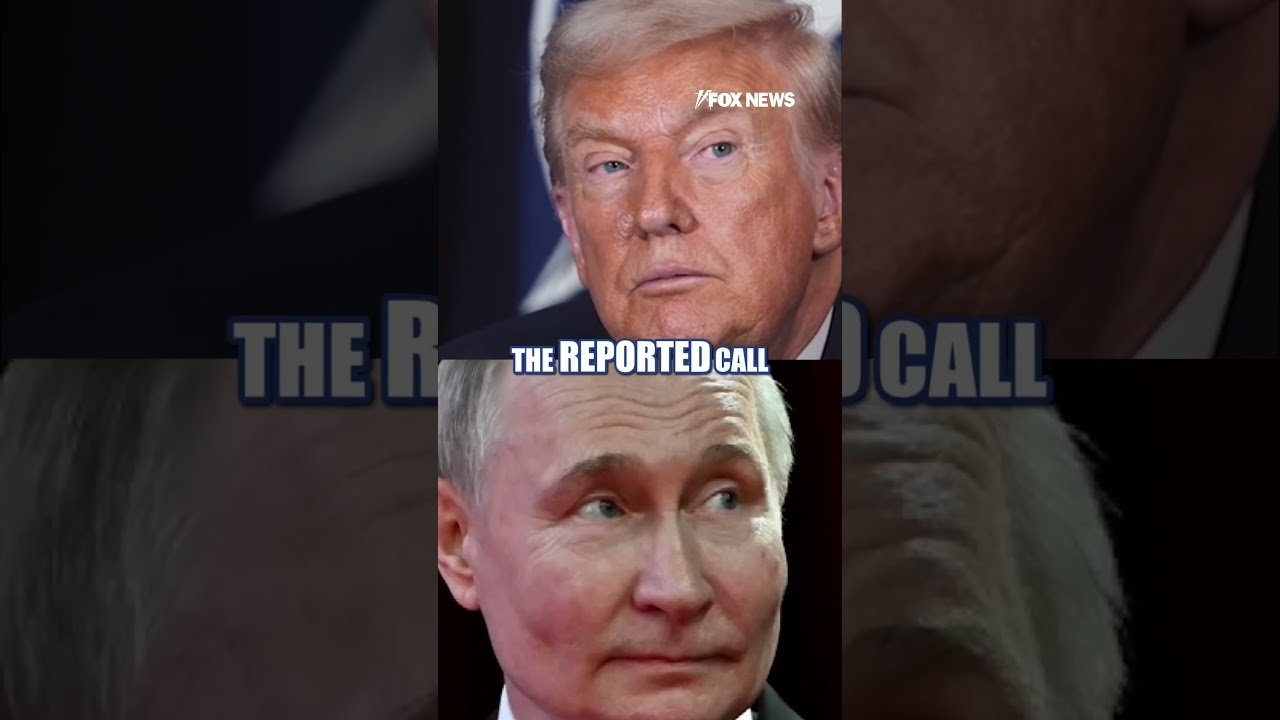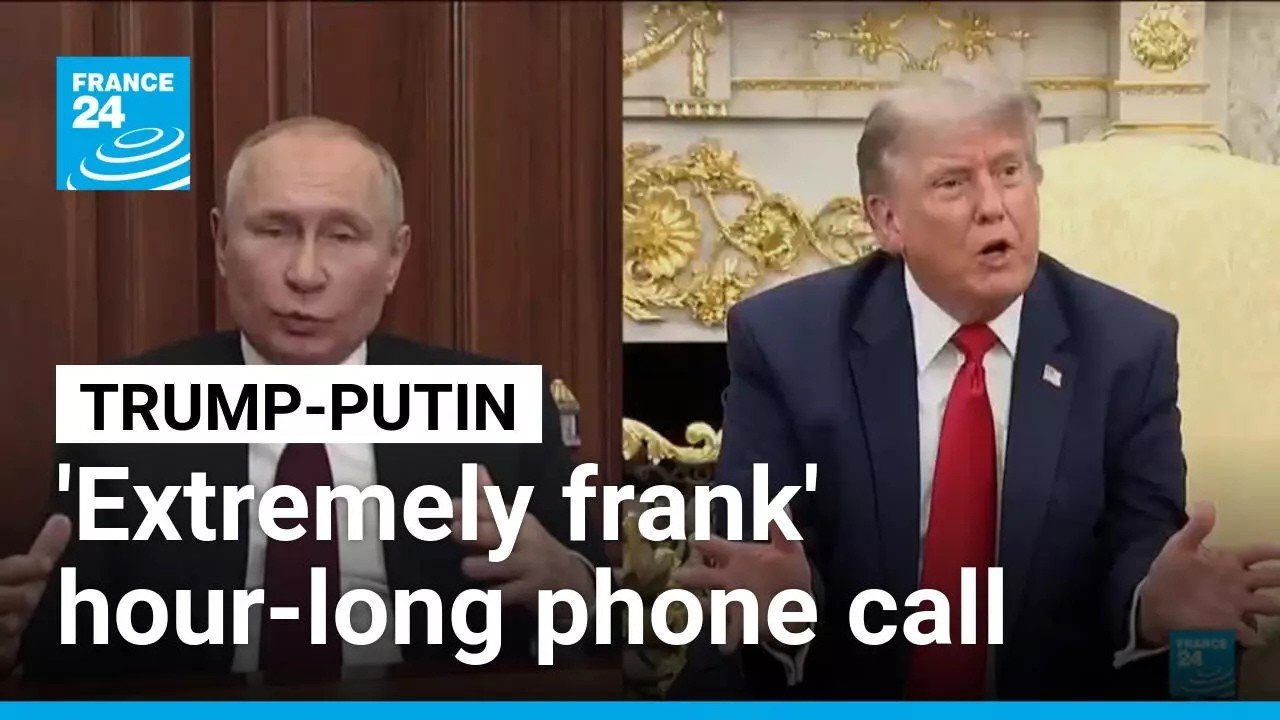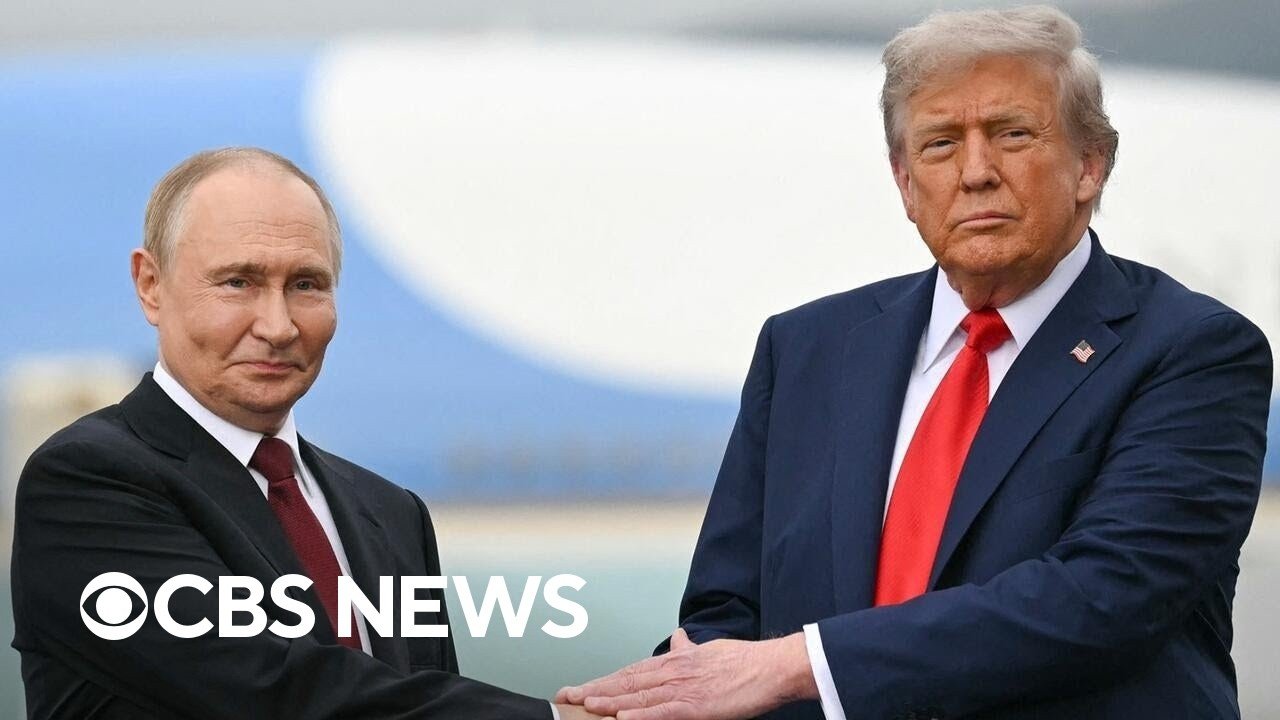


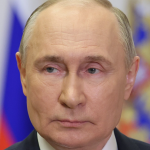

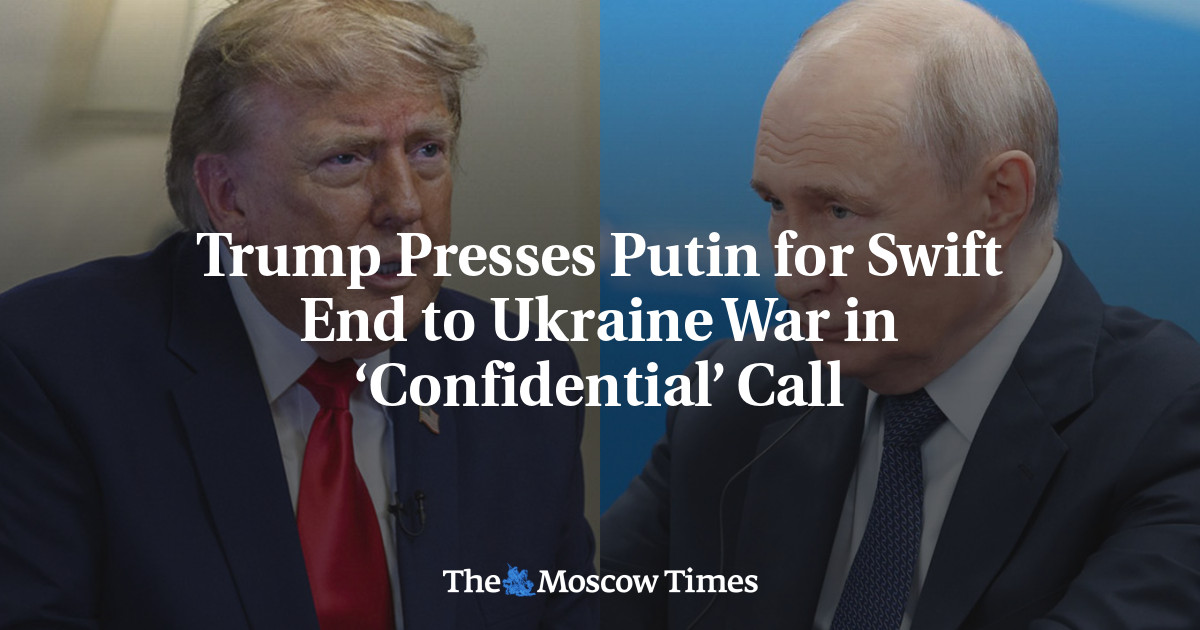
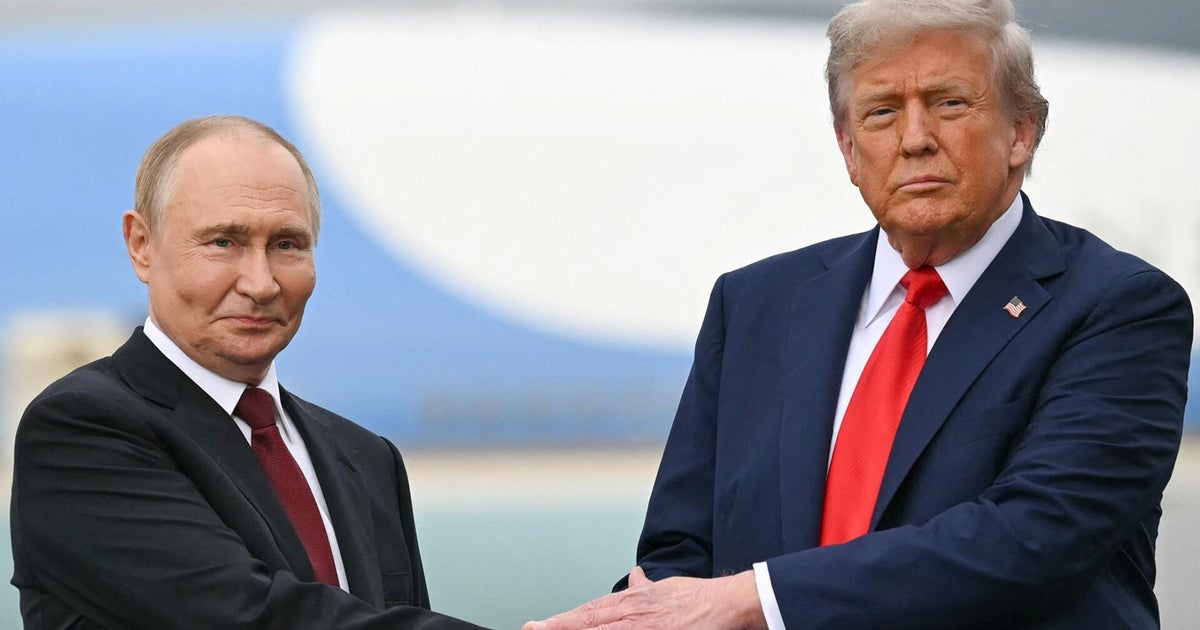








US President Donald Trump and Russian President Vladimir Putin have agreed to launch direct bilateral negotiations aimed at ending the Ukraine war, following an hour-long phone call on September 8, 2026, and a high-stakes weekend shuttle mission by Trump’s special envoys to Moscow and Kyiv.
The call, described by the Kremlin as “extremely frank” and “constructive,” focused squarely on a settlement in Ukraine, with Trump pressing for a swift end to hostilities and Putin offering what Kremlin aide Yuri Ushakov called an “objective and detailed analysis” of the front-line situation.
Key points from the conversation, according to Russian and US accounts:
- Direct bilateral talks: Trump announced on Truth Social that Washington and Moscow would immediately begin direct negotiations, with teams starting work “right away”.
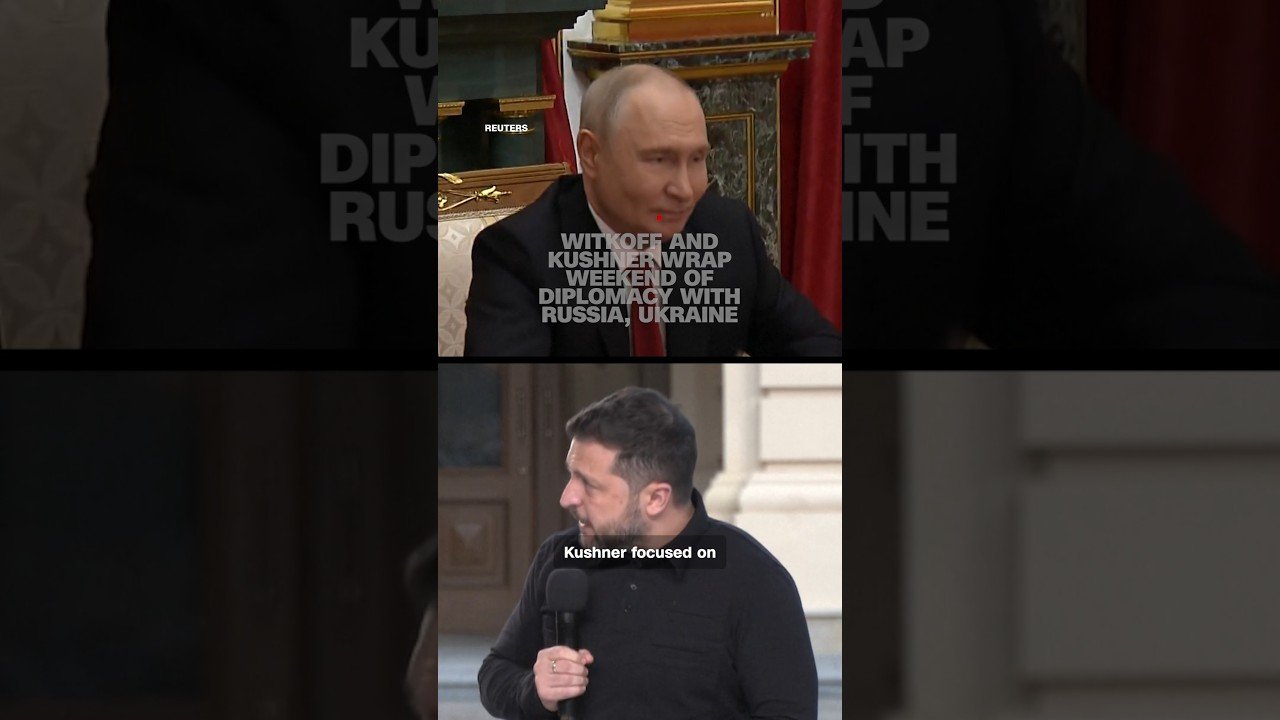
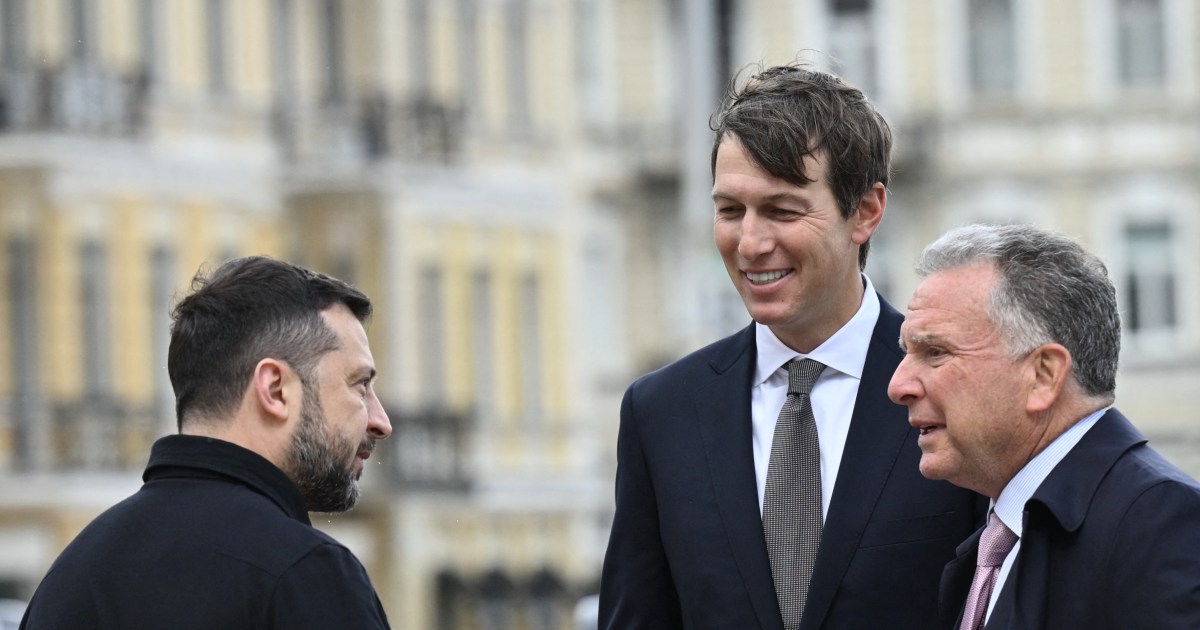
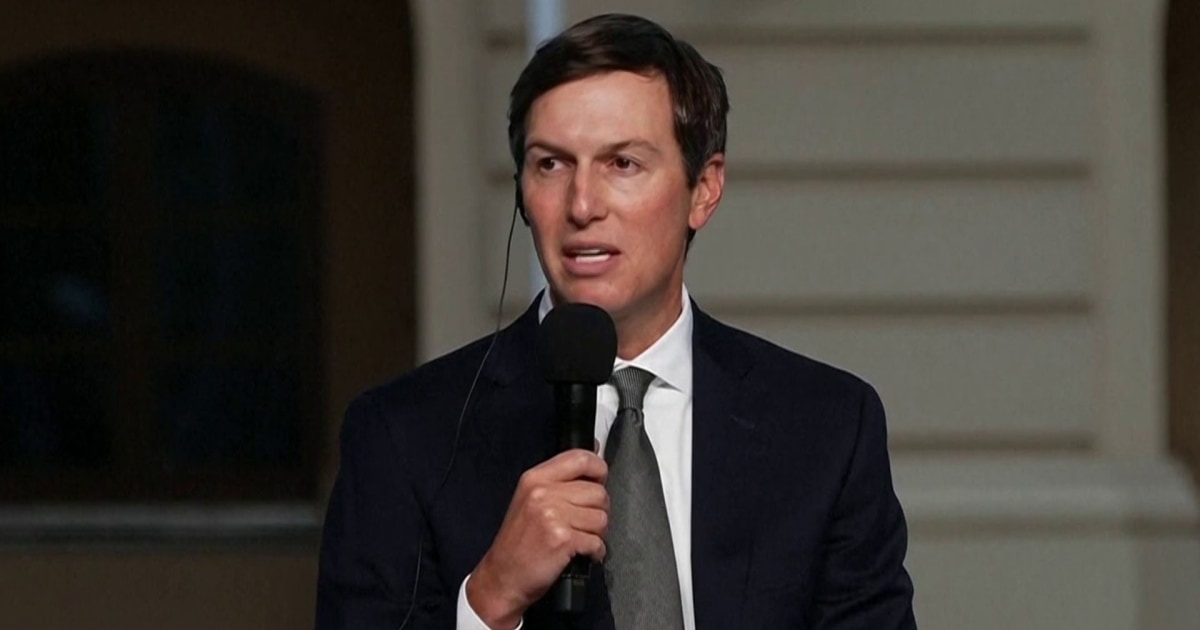
- Envoy debrief: Both leaders extensively reviewed the September 5–6 visits by Trump’s envoys—business ally Steve Witkoff and son-in-law Jared Kushner—who met Putin in Moscow and then Zelenskyy in Kyiv.
- Trilateral meeting “could happen”: Trump said a US–Russia–Ukraine trilateral summit was possible, while noting the personal animosity between Putin and Zelenskyy as a major obstacle; he called Zelenskyy immediately after the Putin call to brief him.
- Security assurances to Europe: Putin explicitly told Trump that Moscow has “no aggressive plans whatsoever towards Europe,” pushing back against fears of future Russian attacks on NATO states.
The Envoy Mission: Moscow Then Kyiv
The phone call capped a tightly choreographed diplomatic sprint that underscored both the urgency of the US push and the depth of the divide between Moscow and Kyiv.
Moscow: A Long Wait, Hard Talks, No Breakthrough
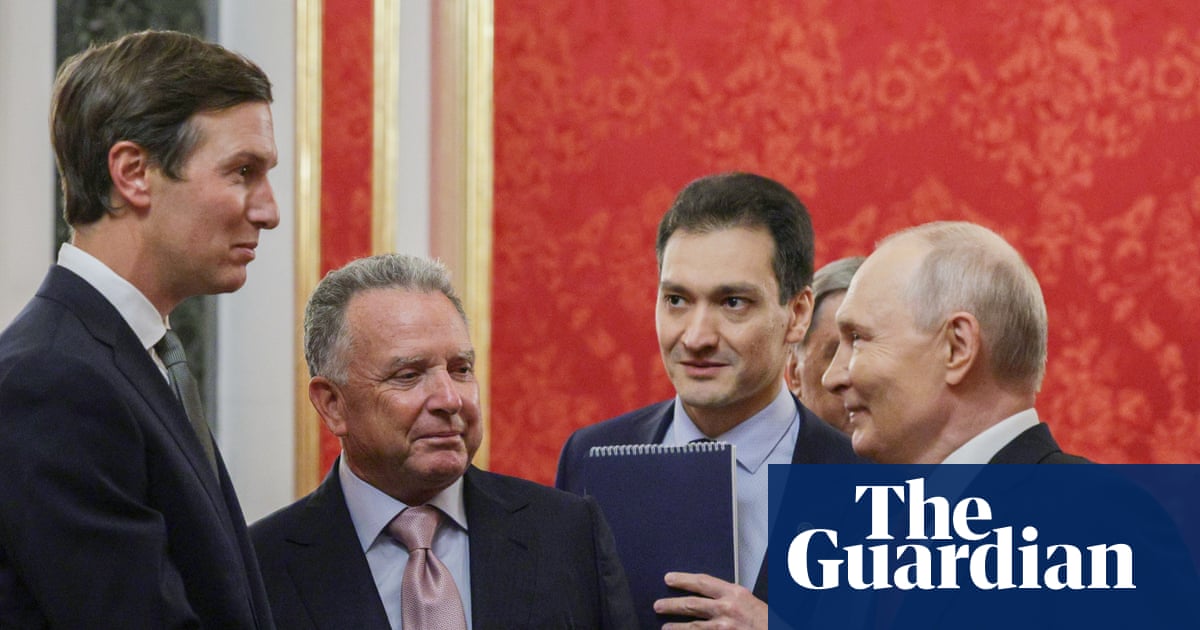
On September 5, Witkoff and Kushner were kept waiting for about three hours before meeting Putin at the Kremlin, then held more than three hours of closed-door talks (some reports say over five hours including dinner).
Kremlin aide Yuri Ushakov called the discussions “highly useful” and said the Americans “outlined a number of ideas regarding possible avenues for a settlement,” but gave no indication of any agreement.
Putin, according to Ushakov, stressed the need to address “all the root causes of the conflict” and said Russia was making “real progress” on the battlefield, while rejecting core elements of the US/European framing—especially around occupied territories and long-term security guarantees—as “absolutely unacceptable”.
Kyiv: The “Peace Express” and a Cautiously Warm Reception
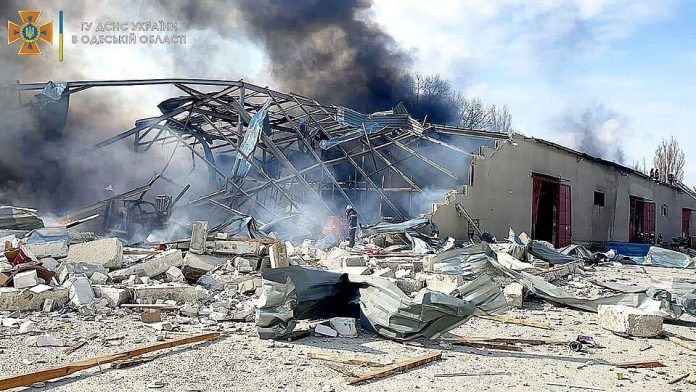
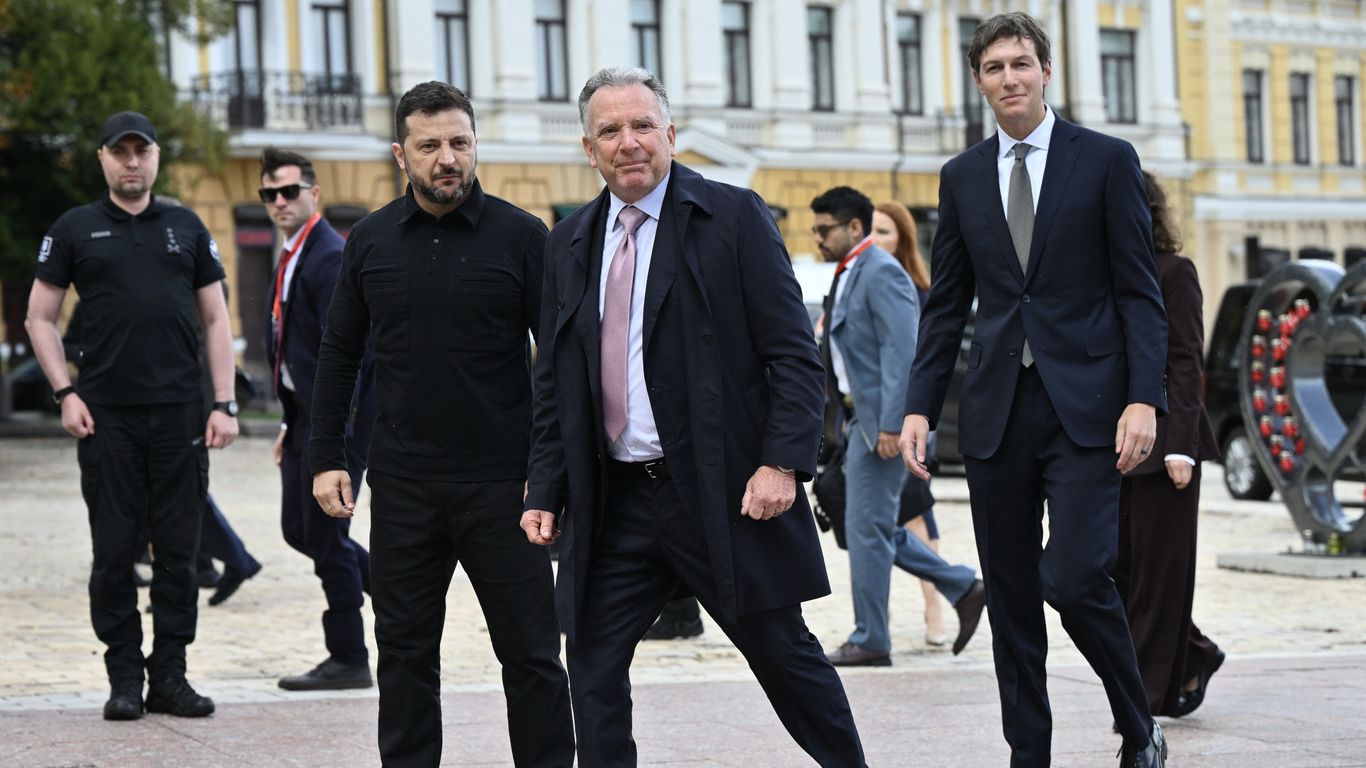
With Russian strikes having damaged Kyiv’s main airports just before the envoys’ arrival, Witkoff and Kushner traveled into Ukraine on a heavily secured train nicknamed the “Peace Express”. To enable the visit, Moscow and Kyiv agreed to suspend air strikes on each other’s capitals for the duration of the envoys’ presence, though reports differ on whether this was a fixed 72-hour window or simply “for as long as the visit lasts”.
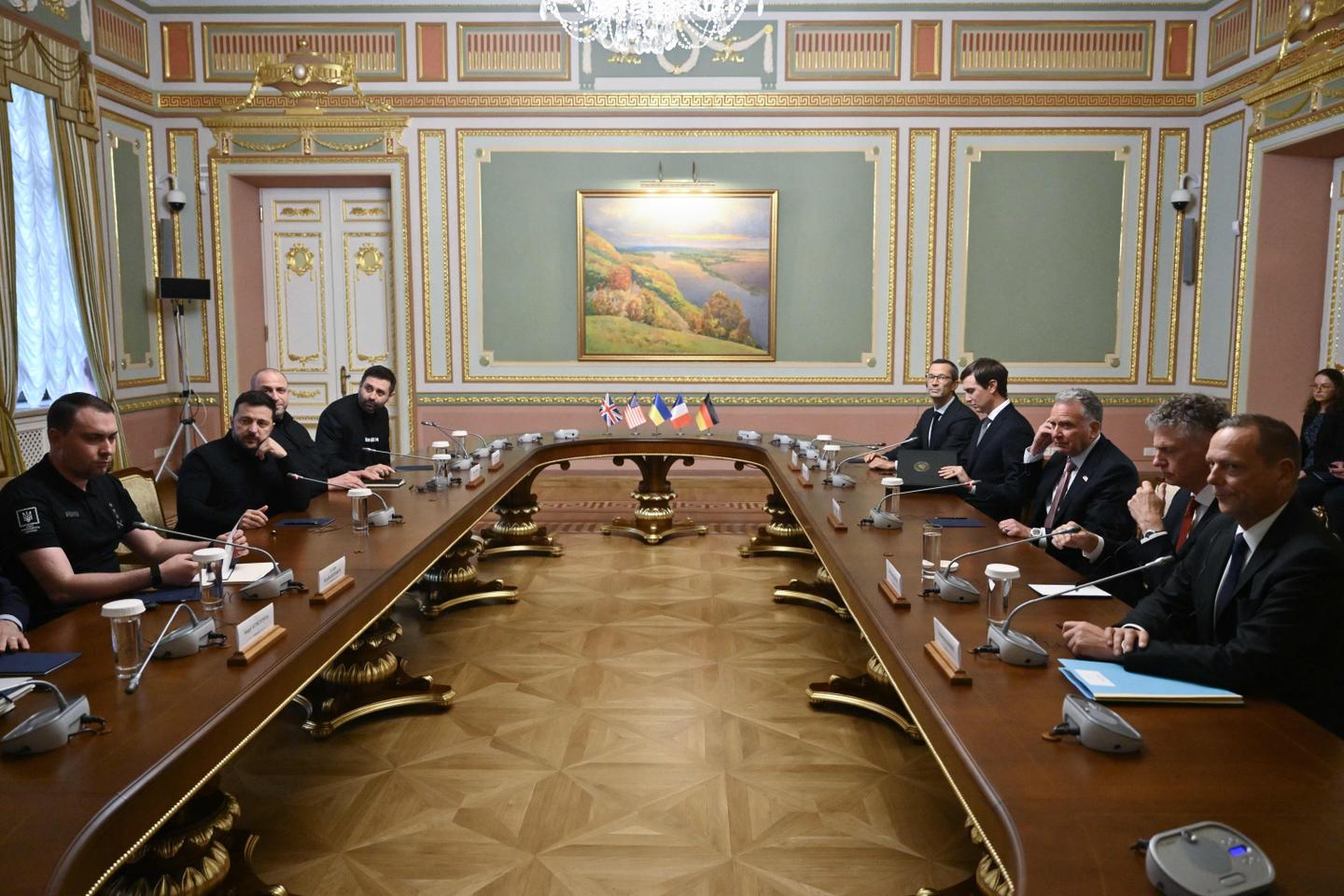
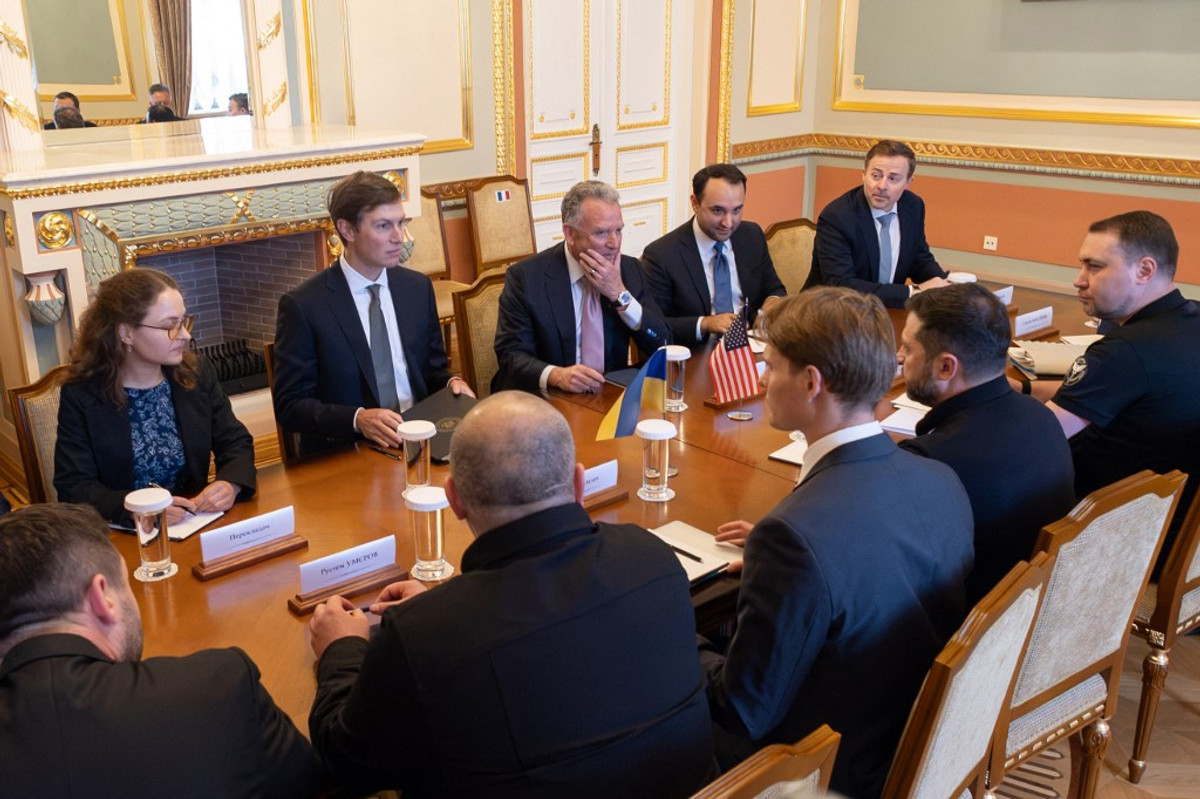
On September 6, the delegation met Zelenskyy in Sophia Square for about an hour, joined in part by national security advisers from the UK, France, and Germany. Zelenskyy called the talks “substantive” and said some draft ideas—particularly on protecting energy infrastructure and grain shipments—were “very good” and “worthy,” but insisted any deal must guarantee Ukraine’s sovereignty and a “dignified post-war peace”.
In a moment that mixed gallows humor with diplomatic signaling, Zelenskyy joked that the presence of Trump’s inner circle in Kyiv had done “more than any Patriot air defense system” to secure a quiet afternoon without air-raid sirens, telling the envoys to “come more often so our people can live a little”.
The Peace Proposal: What’s Known (and What Isn’t)
While Trump has repeatedly said the envoys were carrying “a proposal to end the war,” neither Washington nor the capitals have publicly released the full text. From available reporting, several contours emerge:
- Territorial concessions: Multiple outlets report the US plan reportedly requires Ukraine to cede remaining territory in the eastern Donbas, a point that Kyiv has not accepted and Moscow still finds insufficient.
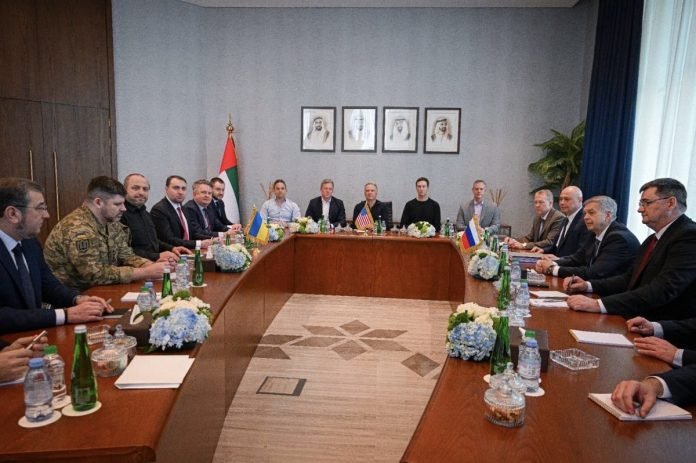
- Security and economic guarantees: Zelenskyy’s team emphasized that any settlement must include robust security guarantees and economic support for post-war reconstruction; these were discussed in multilateral sessions with European partners.
- Moscow’s red lines: The Kremlin made clear that parts of the US/European framework—especially those touching on occupied territories and long-term security architecture—remain “absolutely unacceptable,” even as it kept the door open to further talks.
The result is a proposal that appears to have won cautious, partial interest from Kyiv on humanitarian and economic measures, but has not bridged the fundamental gap over land and security that has stalled negotiations for years.
Reactions and next steps
Kyiv: Hopeful but realistic
Zelenskyy has said he is under “no illusions” and expects the war to continue through the coming winter and potentially into 2027, even as he called some de-escalation measures “very good.”
Ukrainian officials have stressed that any peace must be “just” and must not leave room for renewed Russian aggression.
A meeting with the negotiating team following our talks with the U.S. President’s envoys in Kyiv. We held three rounds of negotiations. Representatives of the E3 – France, the UK, and Germany – joined us too. Yesterday, I also had a separate tête-à-tête with Steve and Jared to… pic.twitter.com/2BeIxtdYLy
— Volodymyr Zelenskyy / Володимир Зеленський (@ZelenskyyUa) September 7, 2026
Moscow: Confident, Uncompromising
Putin used the call with Trump to reiterate Russia’s battlefield confidence and to push back against Western narratives about Russian intentions in Europe, while maintaining that the “root causes” of the war must be resolved on Moscow’s terms.
Washington: Pushing for momentum
After the envoys returned to the US, the White House hosted Ukraine’s senior negotiator, Rustem Umerov, in Florida for further closed-door discussions, signaling an attempt to keep momentum despite the lack of a breakthrough.
Trump’s public framing—emphasizing direct US–Russia talks and the possibility of a trilateral meeting—suggests a strategy of bypassing some of the multilateral complexity that has characterized previous negotiation rounds.
What this means for the war’s trajectory
The agreement to open direct US–Russia negotiations marks a notable shift in diplomacy, effectively elevating Washington and Moscow as the primary dealmakers, with Ukraine and European partners in a secondary, though still critical, role.
However, the absence of any territorial compromise, the unresolved security architecture, and Zelenskyy’s own expectation of a prolonged conflict all point to a difficult path ahead.
For now, the diplomatic calendar includes:
- Immediate US–Russia bilateral talks, with teams beginning work “right away”.
- Follow-on meetings with Ukrainian negotiators, including the Florida session with Umerov.
- A possible trilateral summit, which Trump says “could happen” but which remains contingent on bridging deep personal and strategic divides.