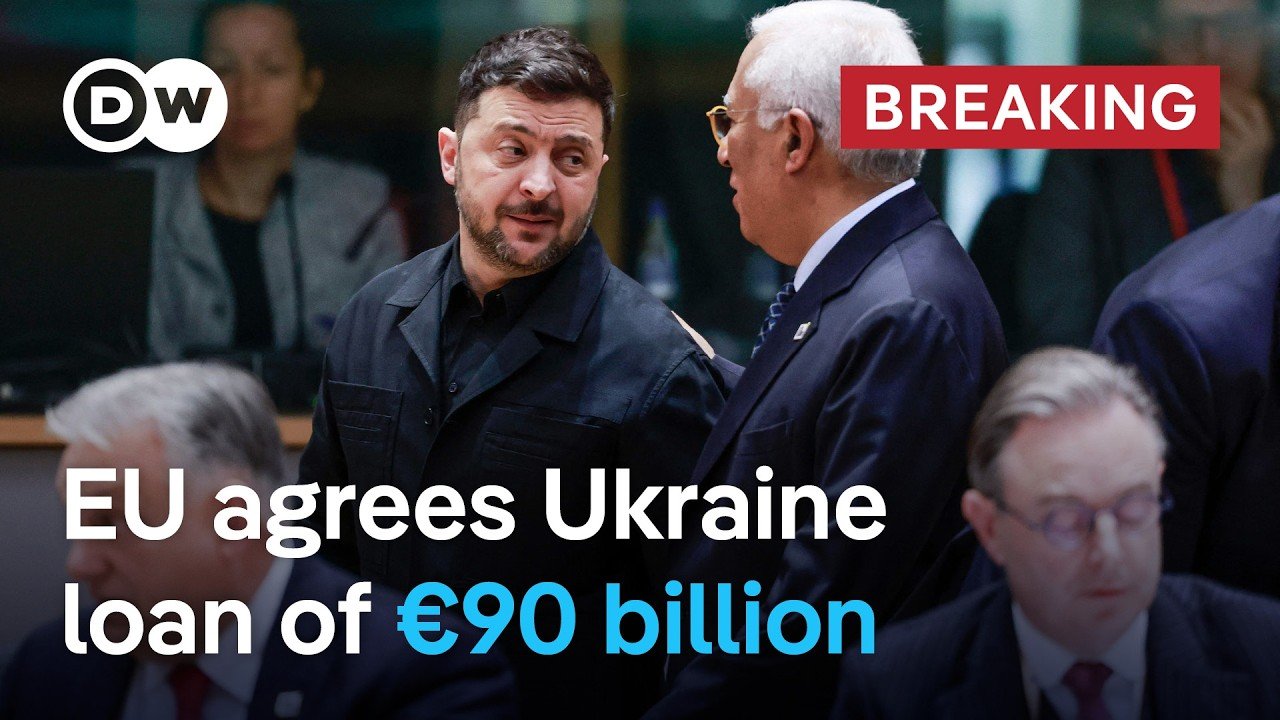
The European Parliament has approved a landmark €90 billion loan package to support Ukraine’s budgetary and military needs in 2026 and 2027, covering roughly two-thirds of the country’s estimated financing requirement over that period. The package was designed as a long-term lifeline for Kyiv, with funding split between defence support and broader budget assistance.
How the package works
Under the plan, €60 billion will go toward defence, including military procurement and industrial cooperation, while €30 billion will provide macro-financial budget support through the Ukraine Facility. Procurement is expected to prioritize suppliers in Ukraine, the EU and the EEA/EFTA area, though countries including the UK, Canada, Japan and South Korea can also take part if they help cover interest repayments.
The money will be raised through common EU borrowing on capital markets and backed by the EU budget. Ukraine would only repay the principal once it receives war reparations from Russia, while interest costs would be covered by the EU to keep the debt sustainable. The measure passed 458 votes to 140, with 44 abstentions, and moved forward under an enhanced cooperation procedure after Czechia, Hungary and Slovakia opted out.
Political divide in Europe
The vote exposed sharp divisions inside the bloc even as most member states backed the plan. While 24 nations supported the measure, Hungary, Slovakia, and Czechia notably opted out of the financial guarantees, forcing the EU to use an “enhanced cooperation” procedure to bypass their veto.
Hungary’s Viktor Orbán called the package “lost money,” Slovakia’s Robert Fico argued it would prolong the war, and Czechia’s Andrej Babiš shifted toward a more nationalist line, saying Prague should avoid fiscal risks.
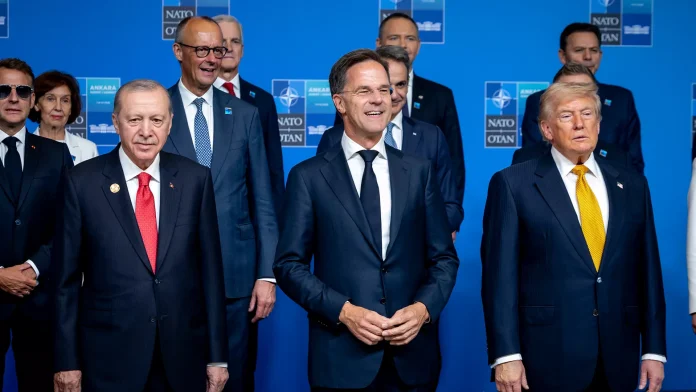
EU leaders defended the decision as both a security measure and a political signal. Commission President Ursula von der Leyen said a strong Ukraine makes Europe safer, while foreign policy chief Kaja Kallas thanked lawmakers for moving quickly and said the funds would help Kyiv meet urgent defence needs and accelerate military innovation.
Ukraine: A “Financial Security Guarantee”
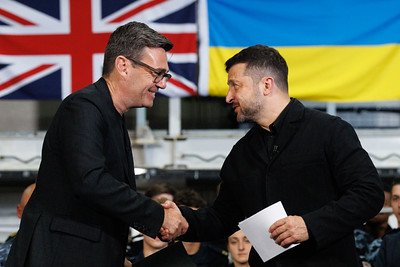
President Volodymyr Zelenskyy hailed the decision as a decisive signal to the aggressor that “Ukraine will endure”. He described the package as a vital “financial security guarantee” that strengthens Ukraine’s position both on the battlefield and at the negotiating table.
Zelenskyy specifically welcomed the condition that Ukraine only repays the loan principal once it receives war reparations from Russia, effectively shifting the long-term bill toward Moscow. He noted that without this “lifeline,” Ukraine’s domestic drone production would have faced a “several-fold” reduction by spring 2026.
Russia: “Money Can’t Buy Victory”
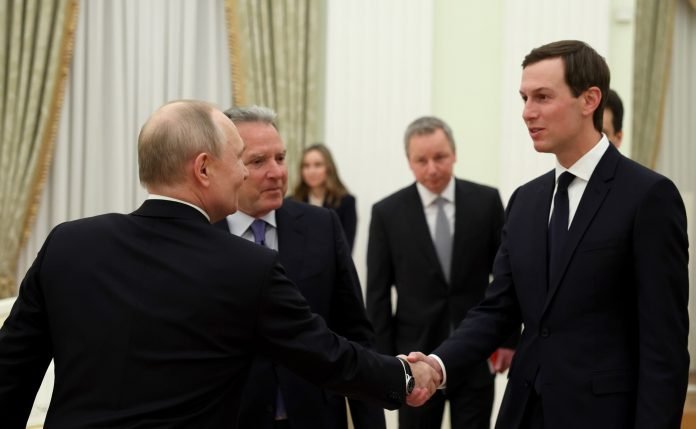
The Kremlin reacted with hostility, mocking the move as an act of desperation by “warmongers”. President Vladimir Putin called the broader intent to use Russian funds “open robbery” and “theft,” warning that such actions undermine trust in the Eurozone.
Russian officials and media dismissed the loan as insufficient to change the “battlefield reality,” claiming that cash alone cannot stop Russia’s military progress.
Reactions from Kyiv and Moscow
President Volodymyr Zelenskyy welcomed the package as a “financial security guarantee” that strengthens Ukraine both on the battlefield and in negotiations. He also praised the repayment structure, saying it shifts the long-term burden toward Russia, and warned that without the support Ukraine’s domestic drone production would have been sharply reduced by spring 2026.
Moscow dismissed the measure as futile and hostile. Russian officials called the move “open robbery” and “theft,” arguing that money alone will not change battlefield realities. The Kremlin portrayed the package as an escalation by European “warmongers” rather than a meaningful shift in the war.
EU Leadership: “We Committed and Delivered”
EU leaders said the bloc had followed through on its promise to support Ukraine. Ursula von der Leyen said that a stronger Ukraine means a safer Europe, while Kaja Kallas thanked lawmakers for moving quickly and said the funding’s flexibility is vital for Ukraine’s urgent defence needs and military priorities.
I welcome this important step in providing €90 billion in financing to Ukraine, just three weeks after we put forward our proposal.
— Ursula von der Leyen (@vonderleyen) February 4, 2026
I’m now looking forward to the @Europarl_EN’s position as well.
It is a powerful symbol of our ironclad solidarity with Ukraine as we approach… https://t.co/Y9r0bvNq5G
Next steps
The package still needs formal adoption by the Council before disbursements can begin, with first payments expected in April 2026. If finalized on schedule, the plan would become one of the EU’s most ambitious efforts yet to keep Ukraine funded through the next phase of the war.
Read also:
Zelenskyy meets “Coalition of the Willing” in Paris
Ukraine and US agreed on post-war security guarantees at Davos