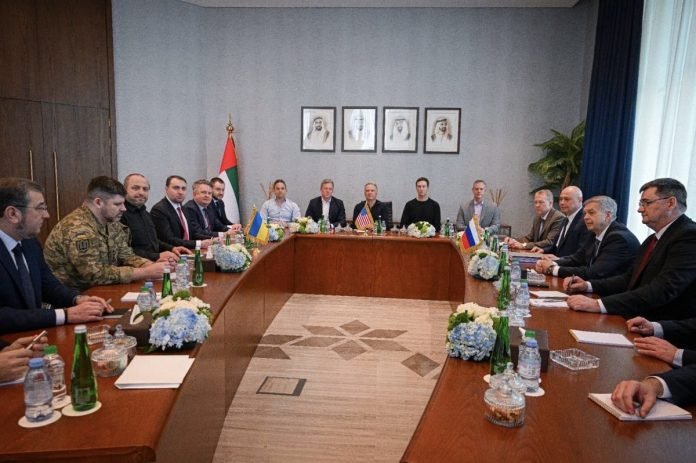


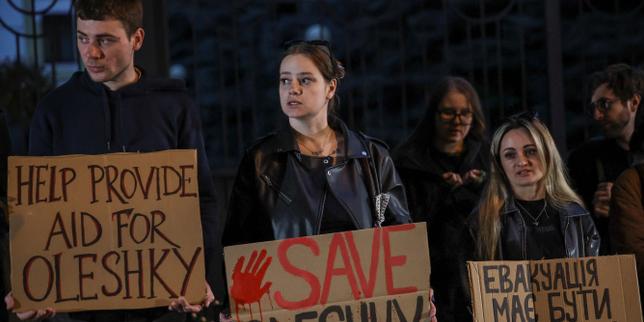




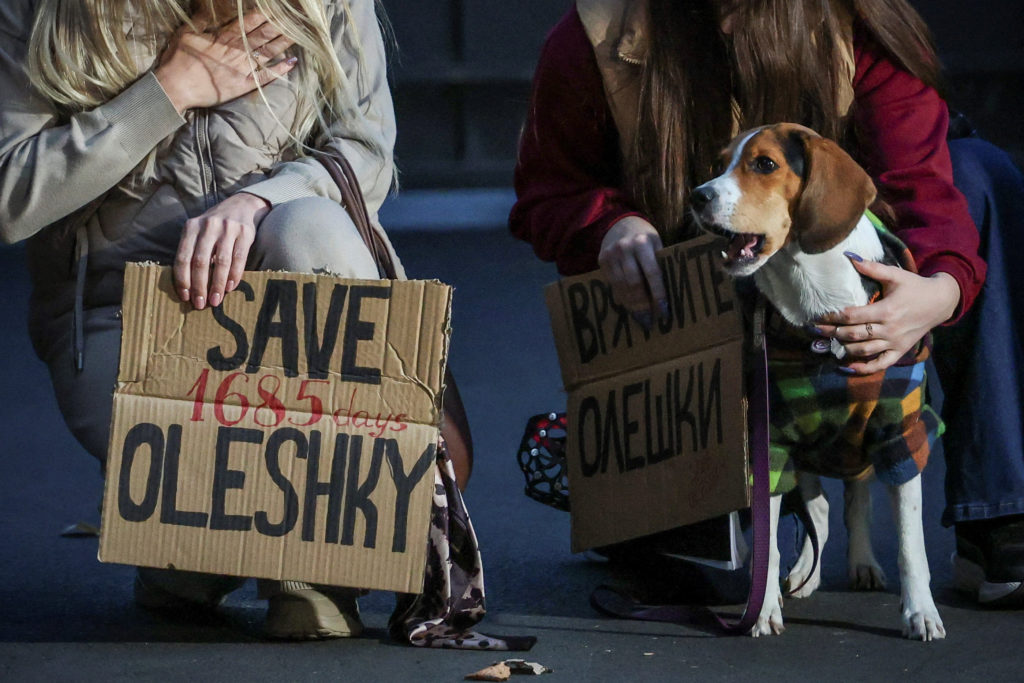




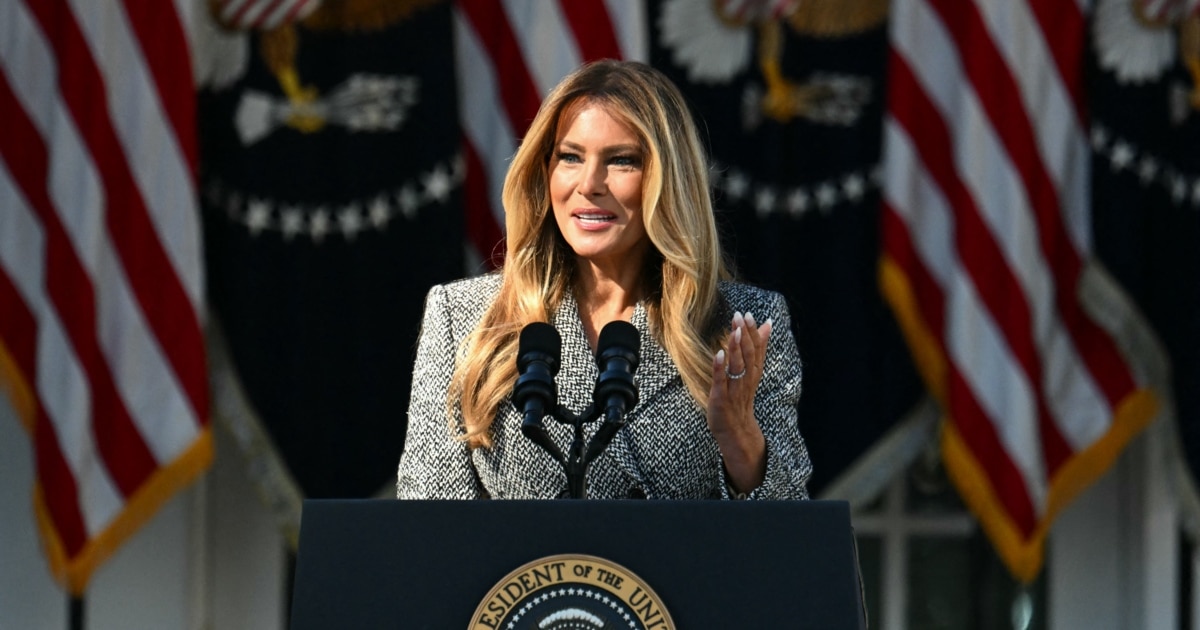
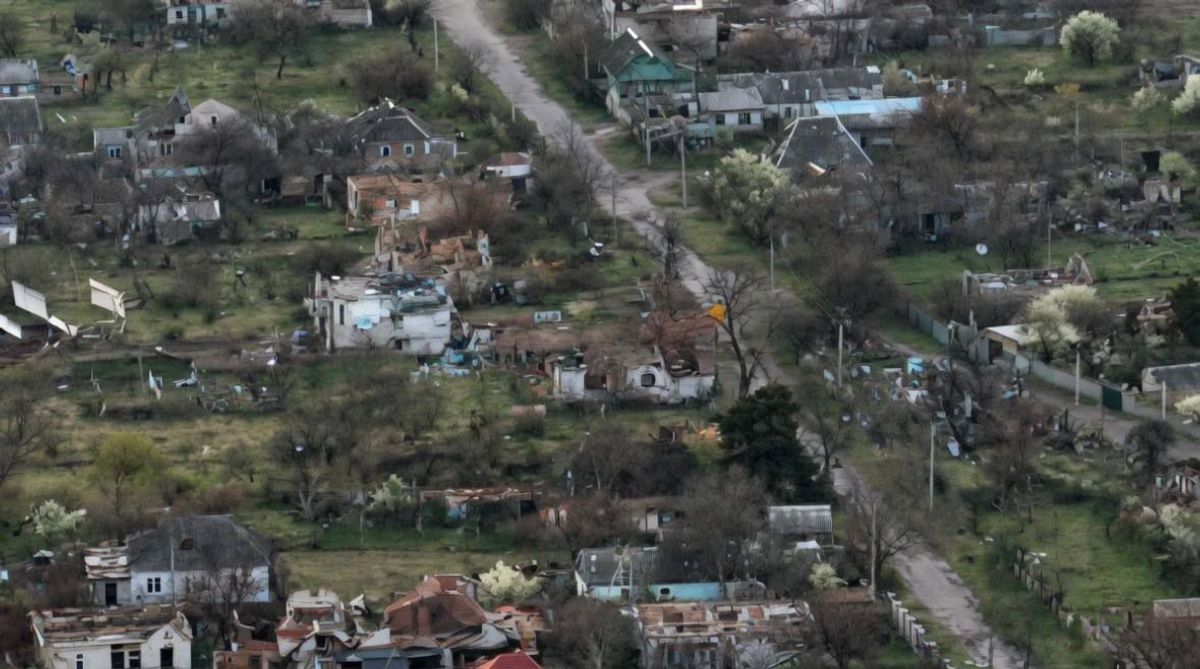


Russia and Ukraine have agreed to a localized ceasefire to allow aid deliveries and civilian evacuations from Oleshky, a Russian-occupied city in southern Ukraine where residents face severe shortages of food, water and medicine.
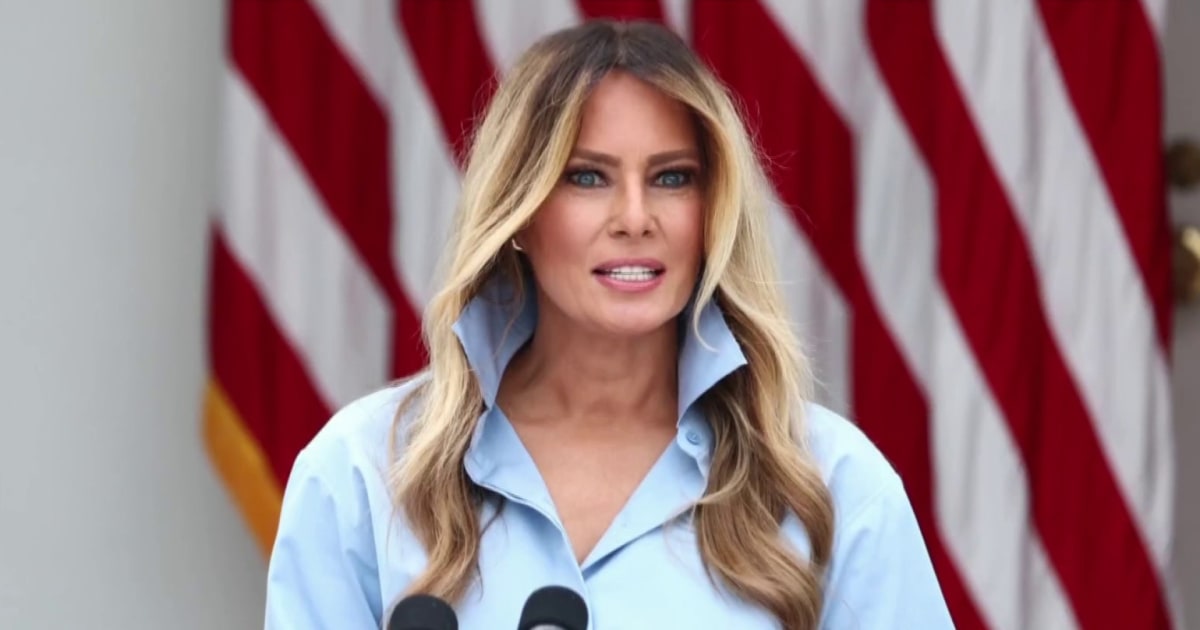
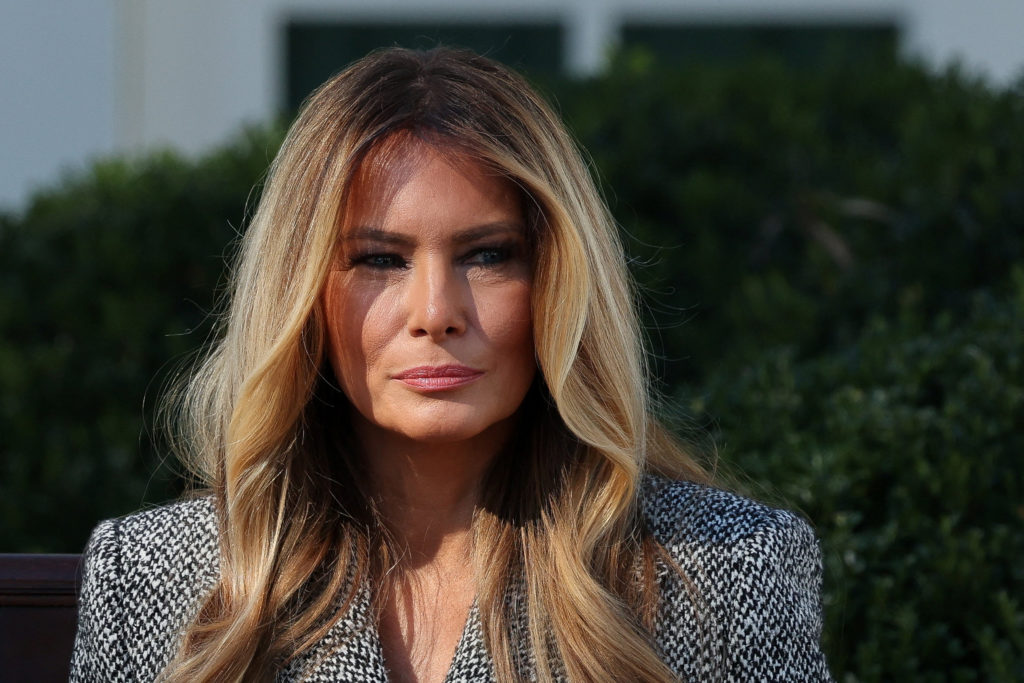
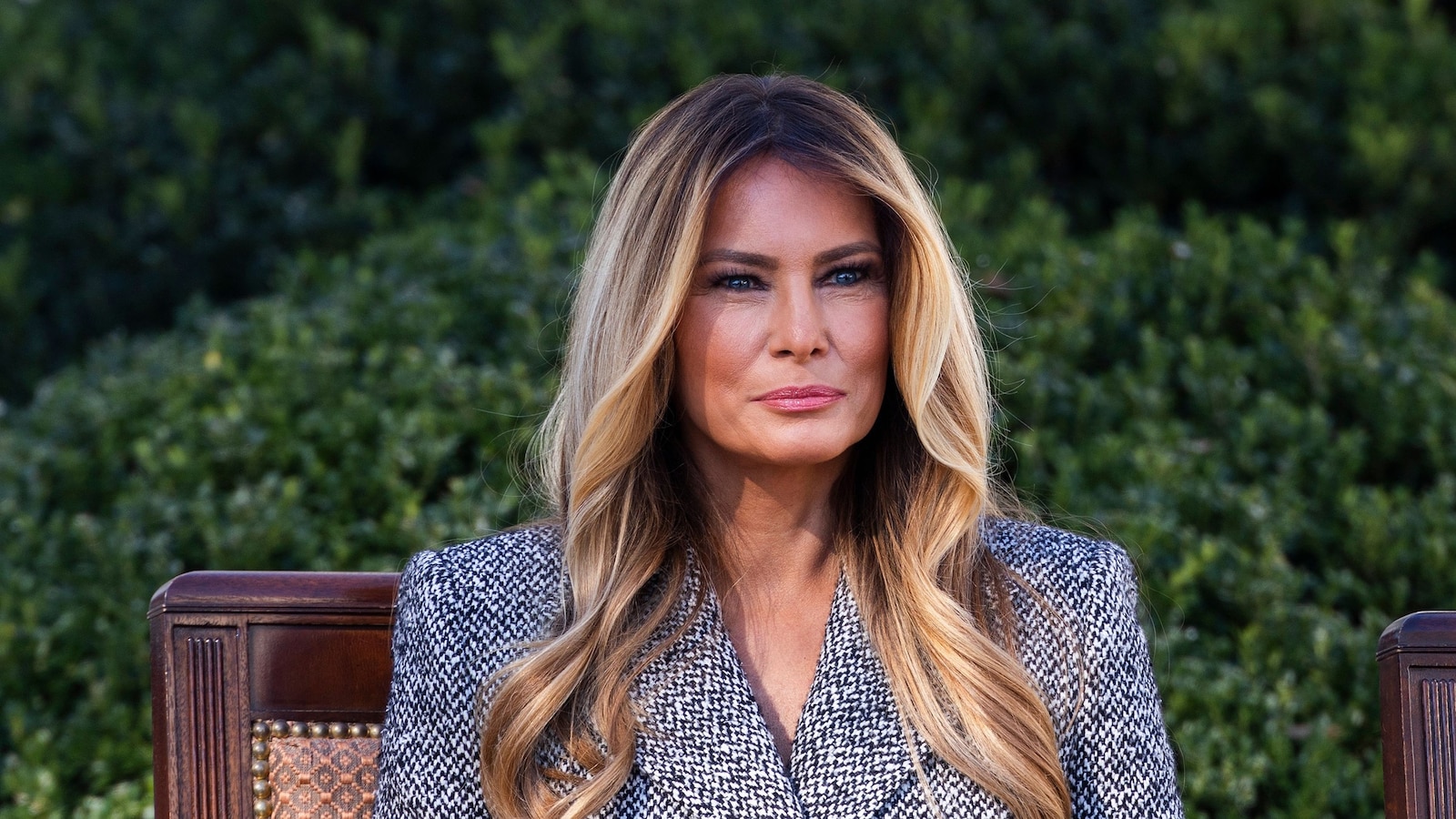
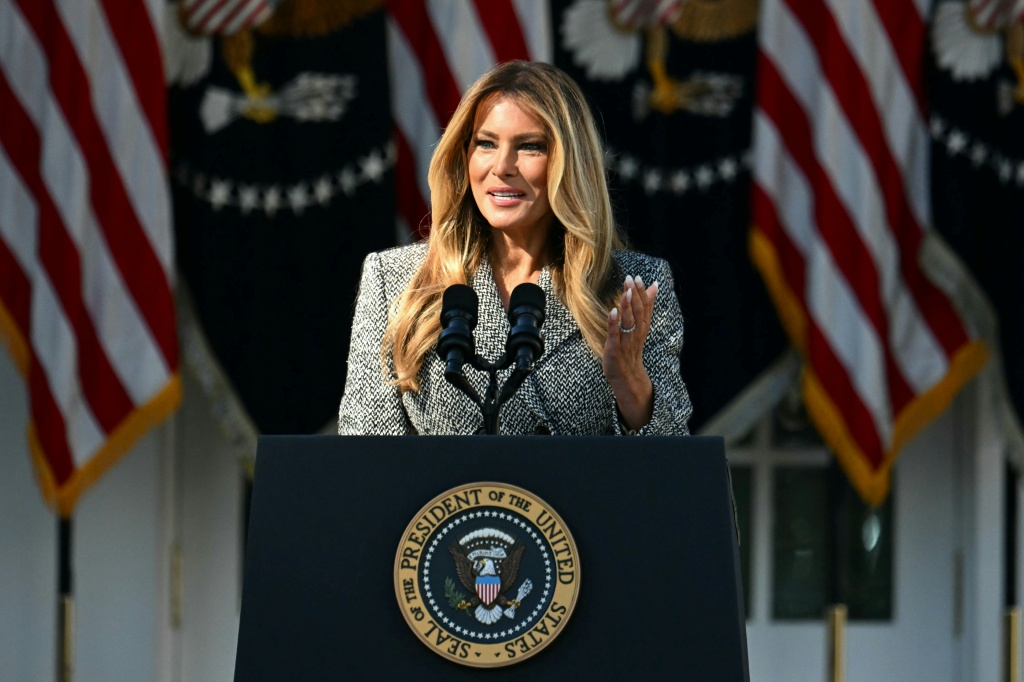
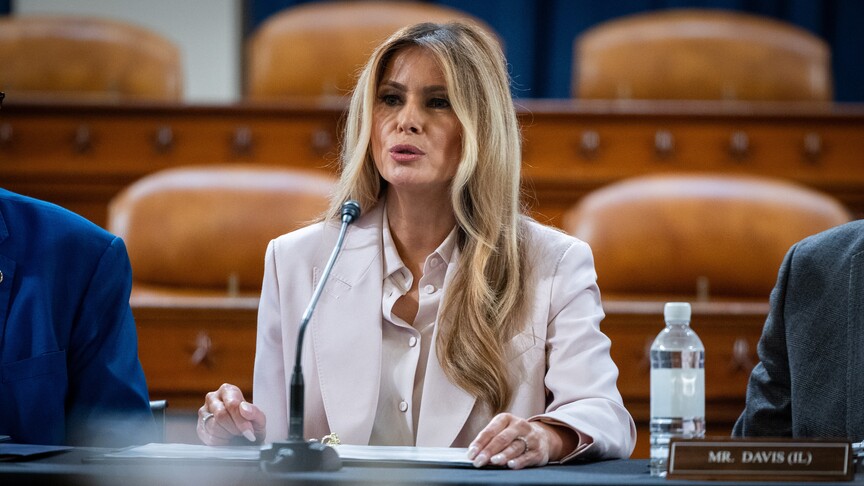
The White House announced the agreement on October 23, crediting US First Lady Melania Trump with coordinating the negotiations. Russian and Ukrainian officials also confirmed the deal.
Our incredible @FLOTUS Melania Trump has forged a ceasefire in war-torn Oleshky. Peace through strength. https://t.co/wgkEXrAhar
— The White House (@WhiteHouse) October 23, 2026
Military preparations are expected to begin before the main humanitarian mission. Both sides said firing would stop at 01:00 GMT on October 27, while the White House identified October 29 as the start of the localized ceasefire and relief operation. Ukrainian ombudsman Dmytro Lubinets told The Associated Press that the earlier pause would allow preparations, including mine clearance, before the mission begins two days later.
The agreement is a humanitarian arrangement focused on Oleshky, not a nationwide ceasefire or a settlement of the war. Its immediate purpose is to establish safe access to civilians who have remained in a frontline city largely cut off from reliable supplies and services.
Mine clearance comes before aid and evacuations
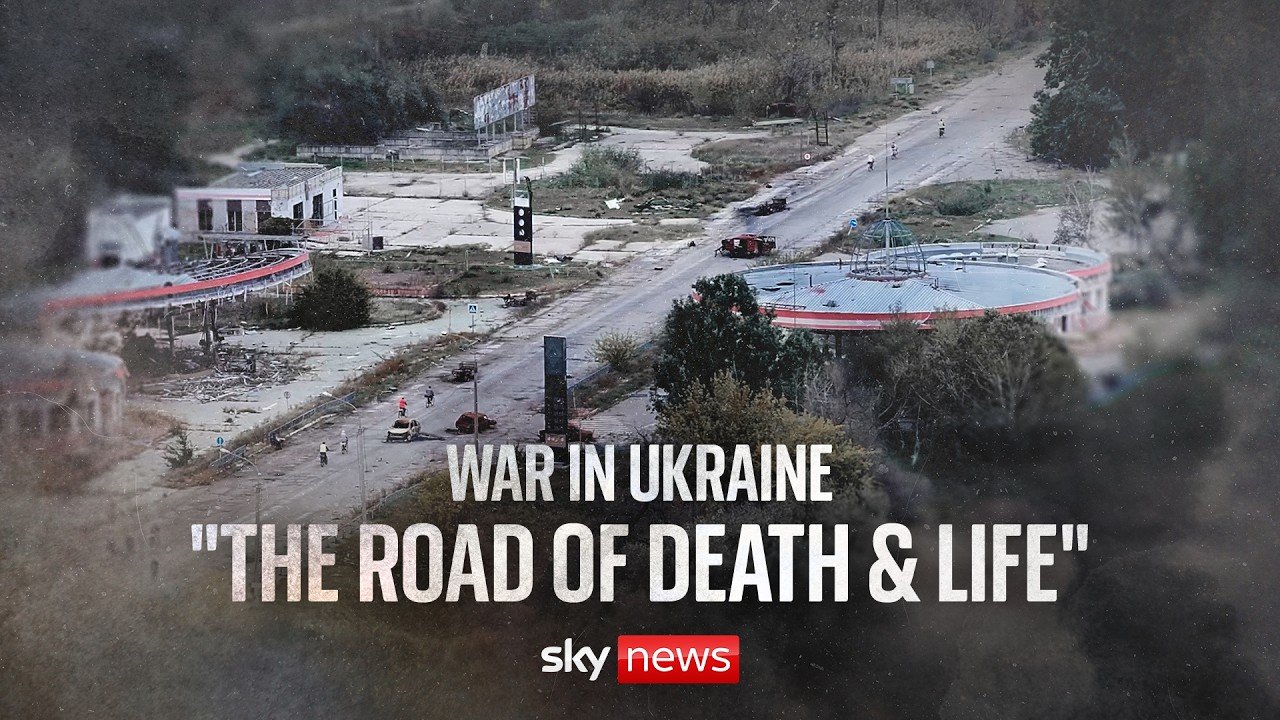
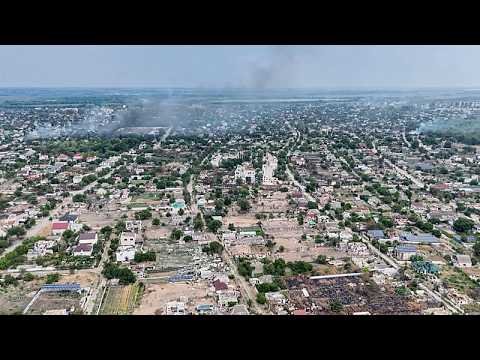
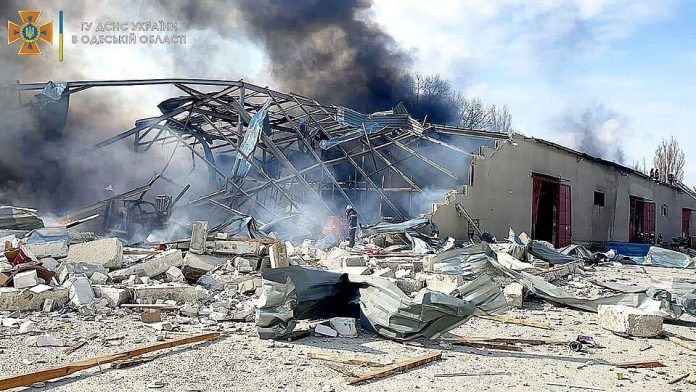
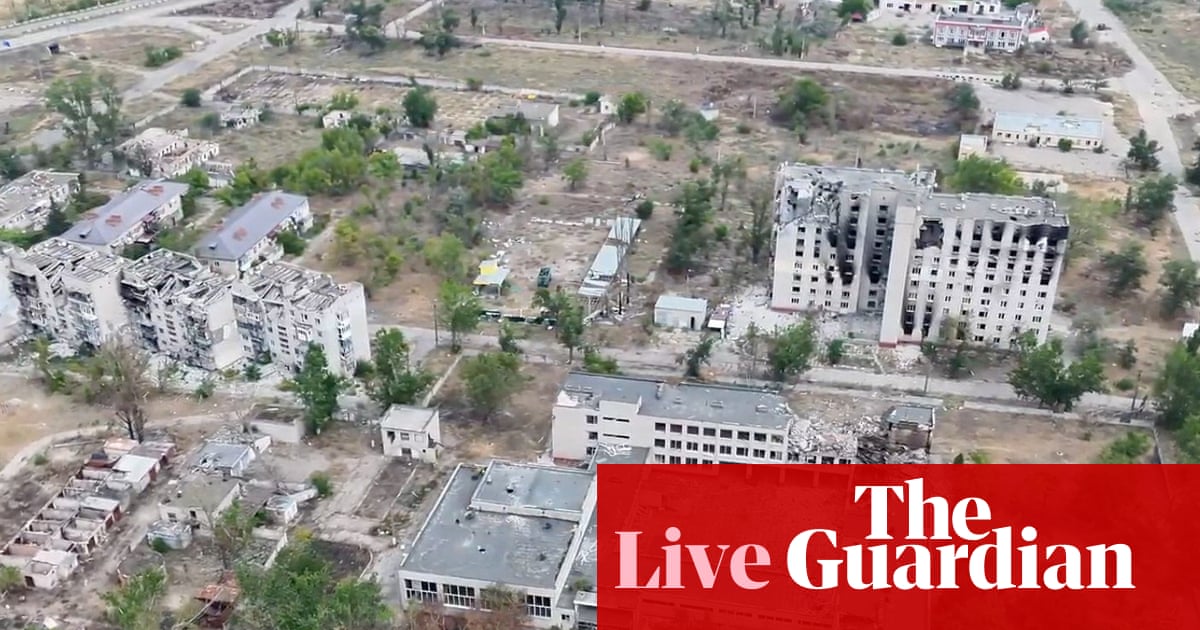
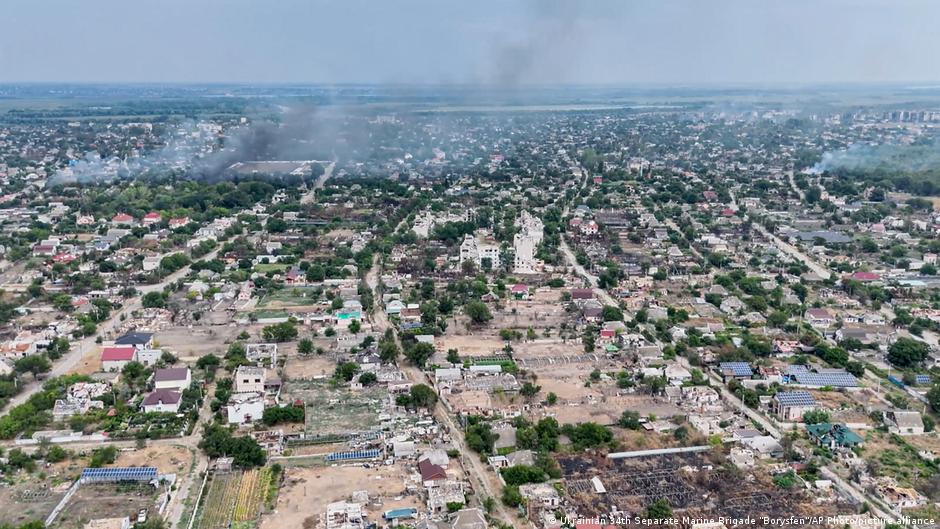
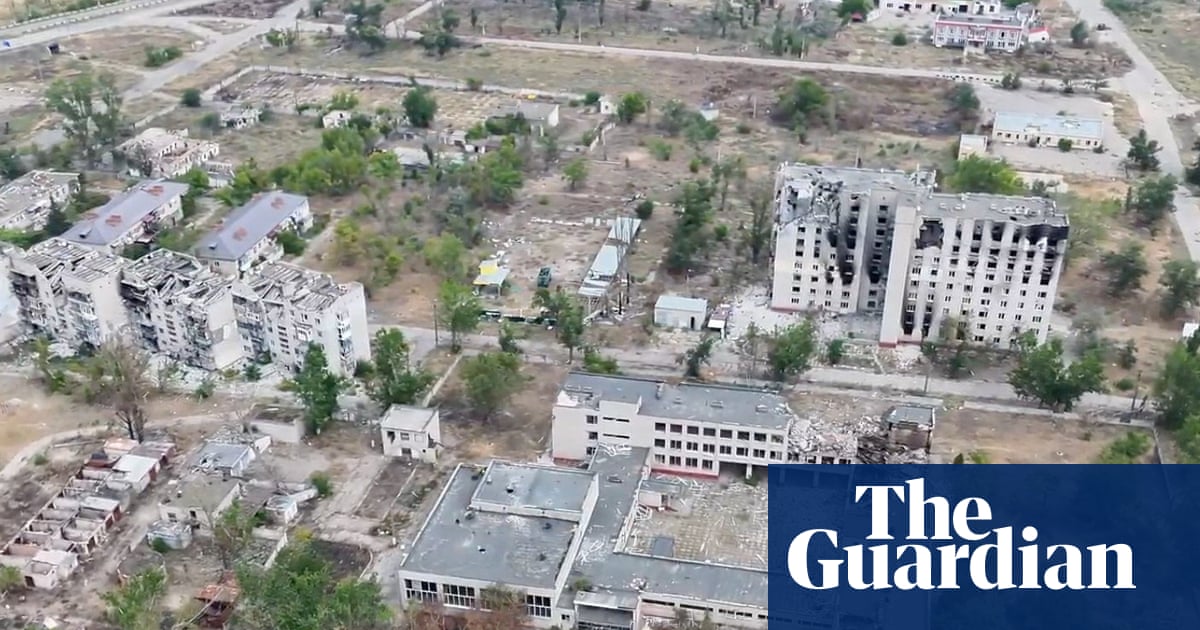
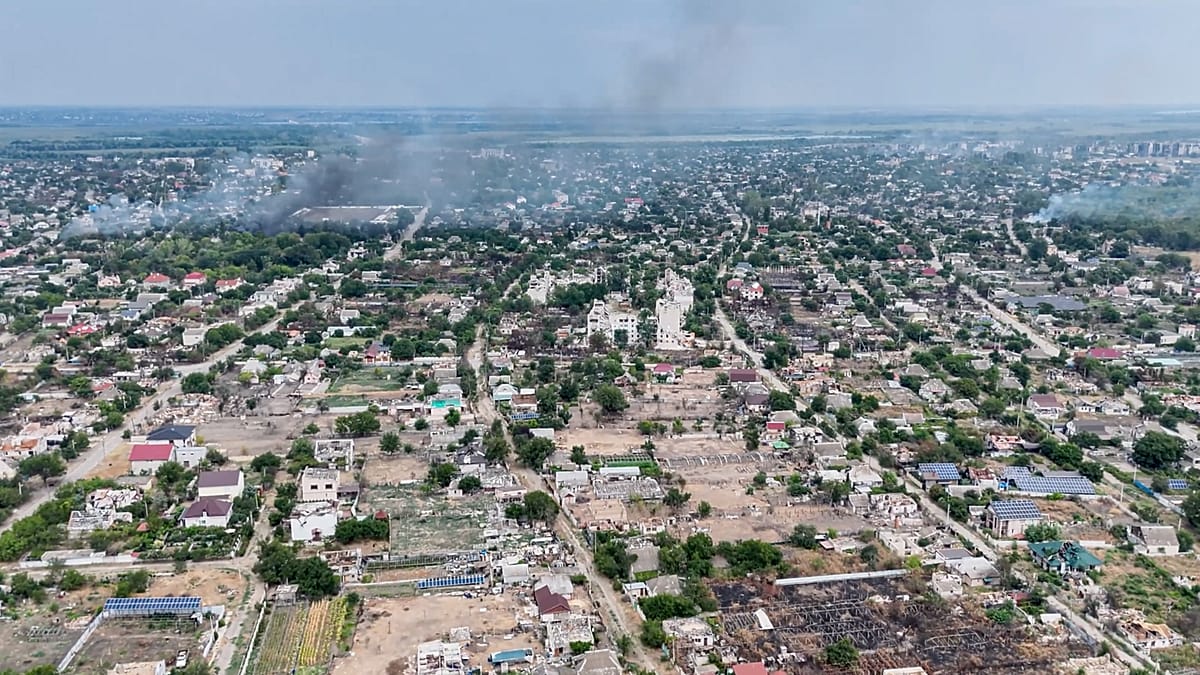
Oleshky lies across the Dnipro River from Ukrainian-held Kherson and has been under Russian occupation since the opening days of Russia’s full-scale invasion in February 2022. Mined roads and continued military activity have made both deliveries and departures dangerous.
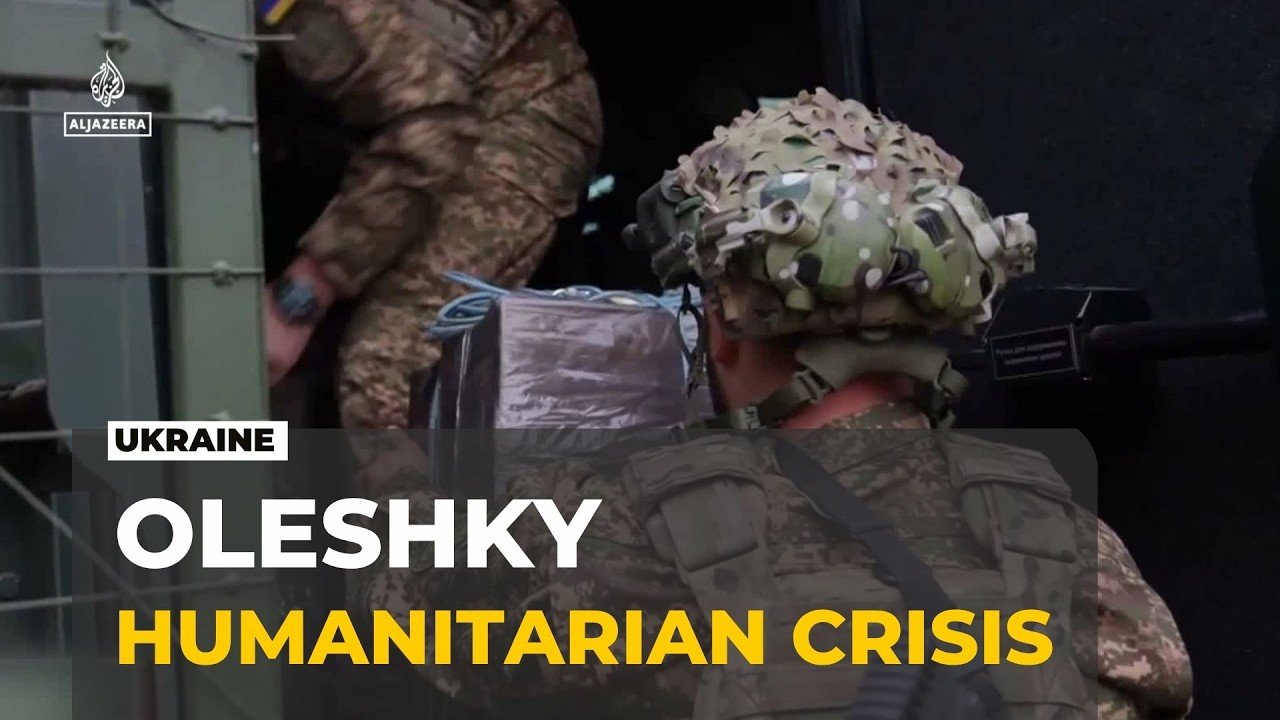
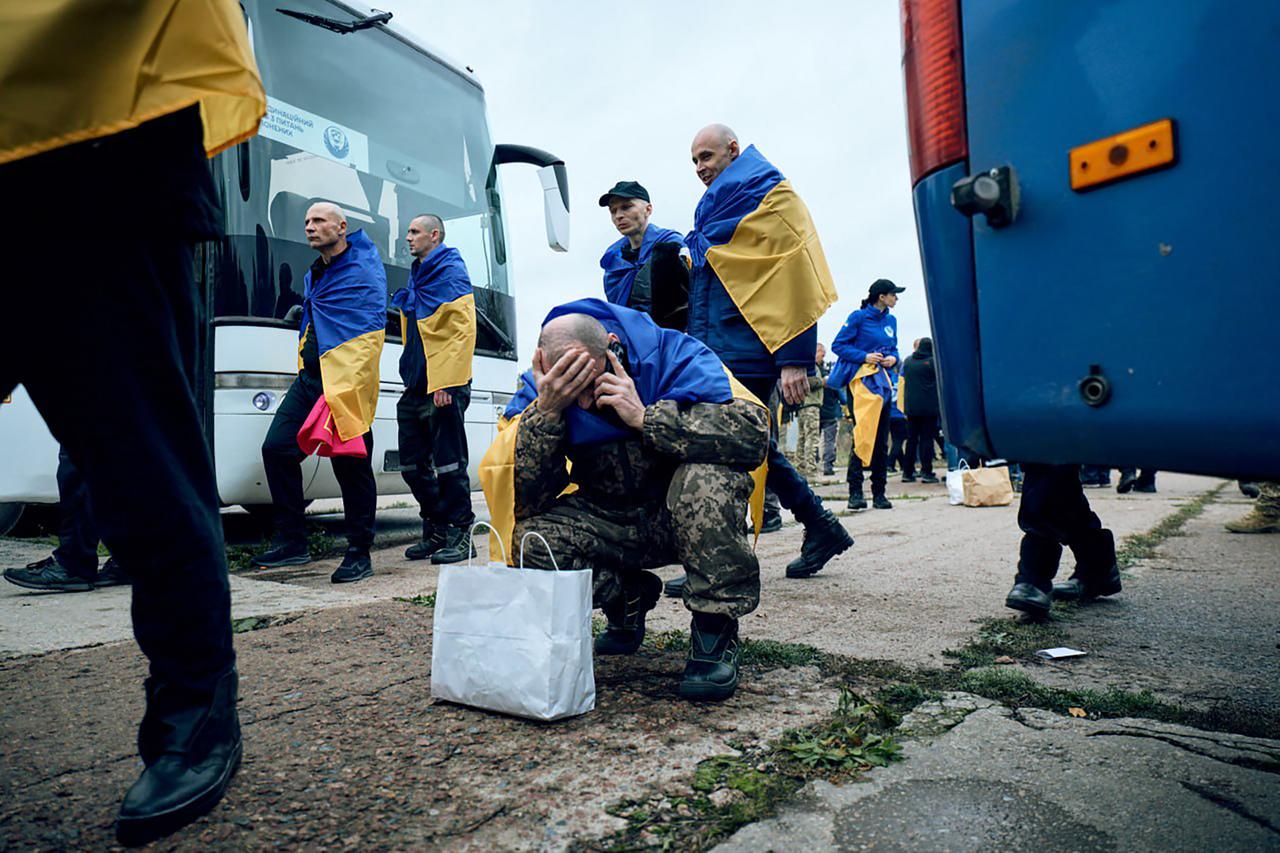
Under the planned operation, access routes will first be cleared of mines, followed by the delivery of humanitarian supplies and the evacuation of residents who want to leave. Russia’s chief of the general staff, Gen. Valery Gerasimov, said Russian forces would cease fire on the Kherson axis and conduct engineering reconnaissance to support the convoy’s safe movement.
Lubinets said the pause would cover the Kherson region and neighboring areas necessary for the operation. He described the agreement as difficult to put into practice, with assistance to be delivered in stages.
❗️Attention! Information Regarding a Humanitarian Mission to Assist the People of Oleshky US @FLOTUS has issued a statement announcing the launch of a humanitarian mission to rescue people currently in the city of Oleshky. I confirm this statement and would like to personally thank Melania Trump and her team for their efforts, leadership, and coordination between the Ukrainian and Russian negotiating teams in reaching an agreement. On the Ukrainian side, I conducted the negotiations in my capacity as Ukraine’s Ombudsman, while Yana Lantratova, Commissioner for Human Rights, represented the Russian side. Under our agreement: 📌a ceasefire will be established; 📌humanitarian aid will be delivered to Oleshky; 📌the safe passage of civilians out of Oleshky will be ensured. I ask for your understanding regarding the public disclosure of information about this critical humanitarian mission. The whole world knows about Oleshky today, and we are doing everything possible to rescue our citizens who are currently there. The operation is extremely complex and will be carried out in stages. ‼️I will keep you updated and continue to inform the Ukrainian public and share the results. As of today, the Ukrainian side has done — and continues to do —everything in its power to rescue the citizens currently in Oleshky.
— Dmytro Lubinets (@lubinetzs) October 23, 2026
According to the White House, civilian teams from Russia and Ukraine will visit residents at home to assess their needs. Those wishing to evacuate will receive coordinated transport to their preferred destination. Melania Trump said she expected some residents to choose Russia and others to choose Ukrainian-held territory.
Important operational details remain unclear. The White House did not specify how long the ceasefire would last, and Lubinets declined to disclose how the ceasefire and aid mission would be monitored or implemented, citing the sensitivity of the negotiations. Ukrainian and Russian officials indicated the operation could take several days.
A city depleted by war and flooding
Before the invasion, Oleshky had roughly 24,000 residents. The White House estimates that between 1,700 and 2,000 remain in the city, mostly older people, alongside approximately 50 children. It also acknowledged that no formal demographic count has taken place there since 2022.
Other population figures cover a wider area. The BBC reported Ukrainian estimates of about 6,000 people, including 200 children, in Oleshky and its surrounding communities. Those figures are not directly comparable with the White House’s estimate for the city itself.
The humanitarian emergency follows years of fighting and the destruction of the Kakhovka Dam in June 2023. According to the White House, approximately 90 percent of Oleshky’s territory was flooded after the dam’s destruction.
Residents have since endured severely damaged infrastructure and prolonged disruption to essential services. The Associated Press reported a lack of electricity, heating and running water, while residents interviewed by the BBC described surviving on garden weeds amid worsening food shortages.
Medical care has also been sharply reduced. Residents told the BBC that only one hospital remained partly operational, opening a few days a week to perform critical amputations. Families described children suffering from malnutrition, inadequate medical care and a lack of education.
Ukraine has accused Russian forces of imposing a “full blockade” on the area and said attempts to deliver supplies had failed in recent months. The Kremlin acknowledged in September that Oleshky faced a critical shortage of food and medicine, but blamed Kyiv and said Russian forces were working to address the situation.
Negotiations built on an existing channel
The White House said Melania Trump learned about Oleshky’s conditions during a private discussion at her Fostering the Future Together event in New York during September’s United Nations General Assembly. She and a representative then approached Russian and Ukrainian officials using communication channels previously established for family reunifications.
According to the White House, those earlier efforts had involved six reunifications bringing together 34 children and their families. It described the first lady as the Oleshky negotiations’ “Exclusive Intermediary,” saying she helped coordinate the agreement’s objectives, procedures and timing.
Ukrainian officials also acknowledged Pope Leo XIV’s involvement. David Arakhamia, a senior Ukrainian negotiator, described the agreement as the result of a lengthy process involving both the first lady and the pope. The Kremlin said President Vladimir Putin had discussed cooperation on Oleshky with the pontiff, and that Putin and US President Donald Trump had also discussed the humanitarian effort.
Kremlin spokesperson Dmitry Peskov welcomed the agreement and credited Melania Trump’s contribution. Lubinets likewise thanked her and said the initiative could provide a model for future humanitarian missions.
Newsmax to document the operation
Melania Trump said an American media organization would accompany the Russian and Ukrainian teams to document their work, arguing that its presence would help ensure families’ wishes were respected. The White House statement did not identify the outlet.
Newsmax, the right-leaning US news organization, subsequently said its cameras would have “exclusive access to document the effort,” Reuters reported. That media access is separate from ceasefire monitoring, arrangements for which were not publicly detailed in the reporting.
UN welcomes the agreement
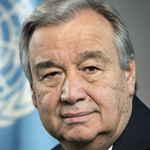
UN Secretary-General António Guterres welcomed the announcement through spokesperson Stéphane Dujarric, expressing hope that the local pause could contribute to “an immediate, full and unconditional ceasefire” and a comprehensive, just and lasting peace consistent with international law.
For Oleshky’s remaining residents, the immediate test is narrower: whether the promised halt in fighting allows teams to clear access roads, deliver essential supplies and help people leave safely. As of October 25, those operations were still scheduled to begin in the coming days.