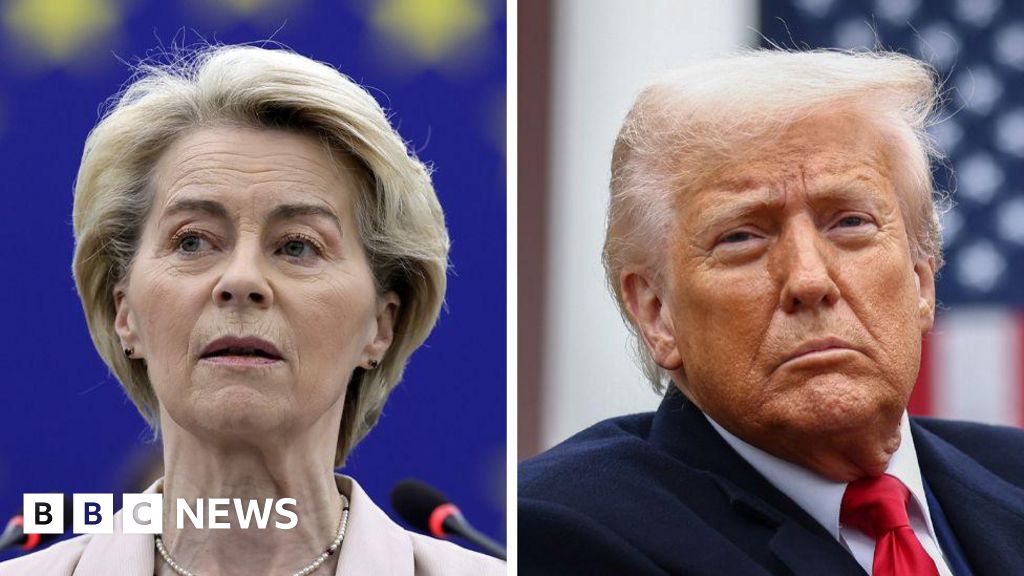
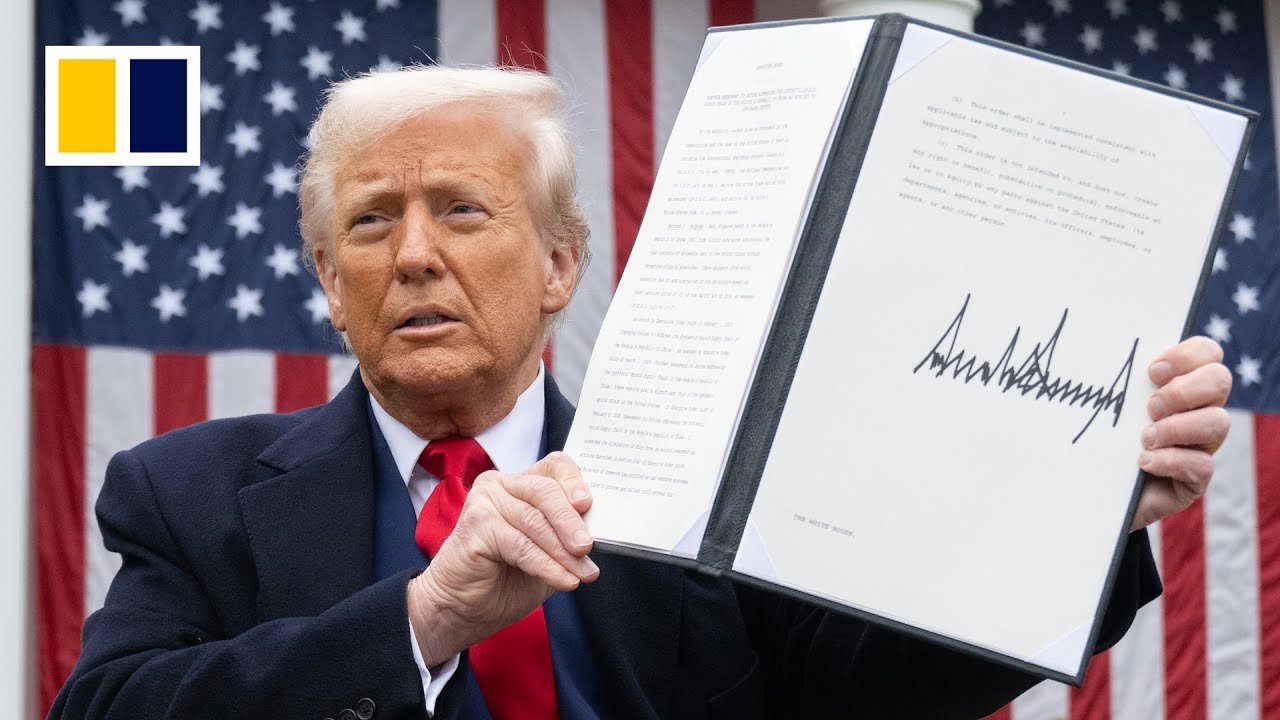
On April 2, 2025, President Trump announced a sweeping new tariff package he called “Liberation Day”, setting off a wave of market turmoil, trade retaliation and legal challenges. Using the International Emergency Economic Powers Act (IEEPA), the administration imposed a 10 percent baseline tariff on nearly all imports followed by higher “reciprocal tariffs”.
The administration imposed the baseline tariff starting April 5 and then rolled out country-specific tariffs on 57 trading partners from April 9. The higher rates were calculated using bilateral trade deficits and hit countries such as China, Vietnam and Cambodia especially hard.
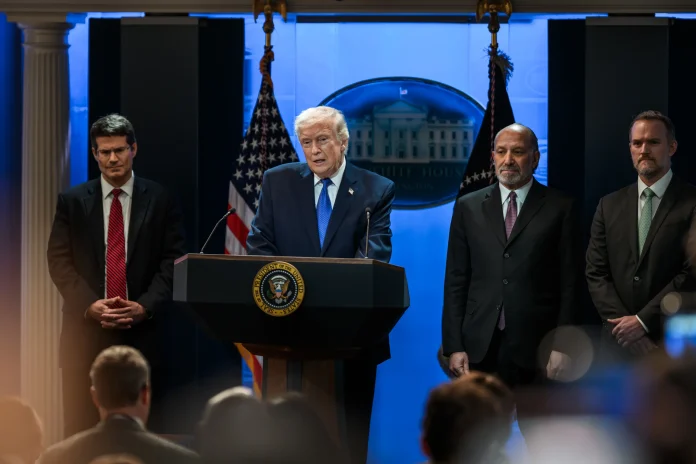
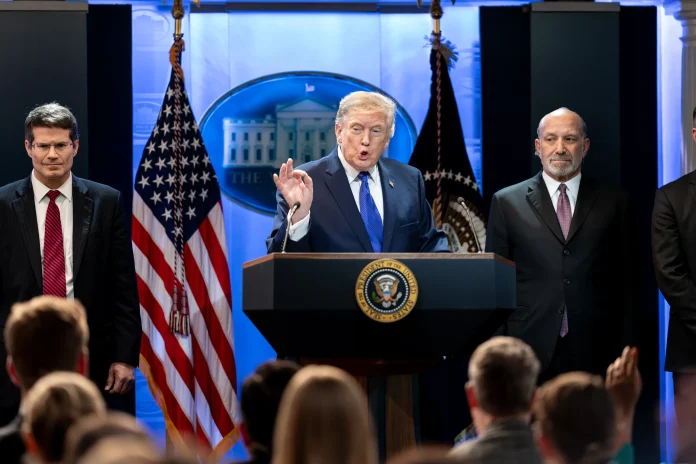
This is one of the most important days, in my opinion, in American history. It’s our declaration of economic independence.
US President Donald Trump
The European Union faced a 20 percent tariff, while some countries, including Lesotho, were hit with rates as high as 50 percent. Certain products, including some pharmaceuticals, semiconductors and energy resources, were exempted, and imports from Canada and Mexico received temporary relief under USMCA rules.
Some Chinese goods faced a cumulative tariff burden nearing 80% when combined with previous tariffs.
Market and political fallout
The announcement rattled global markets and raised fears of a broader trade war. Trump later announced a 90-day pause for negotiations with some countries, which helped calm investors somewhat, but the policy still marked a sharp break with previous trade practice.
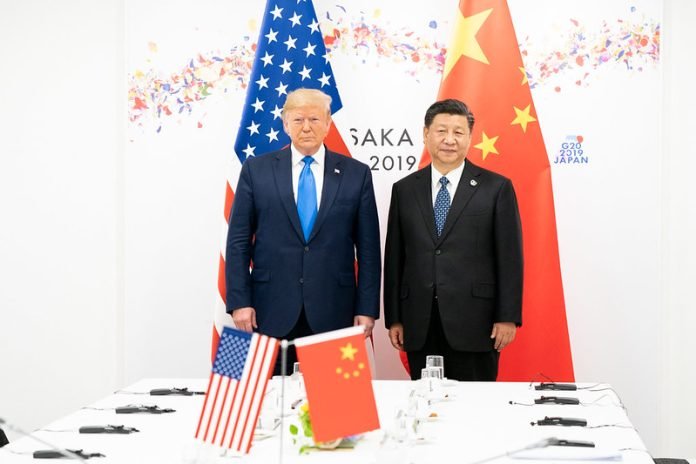
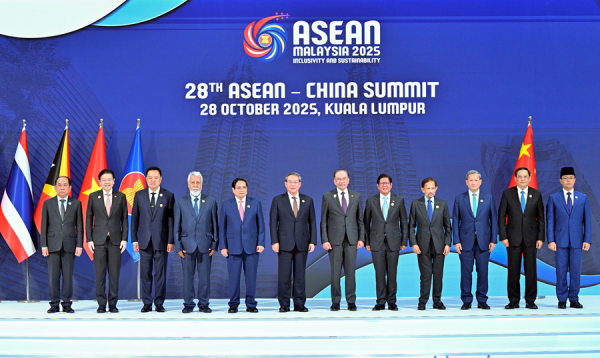
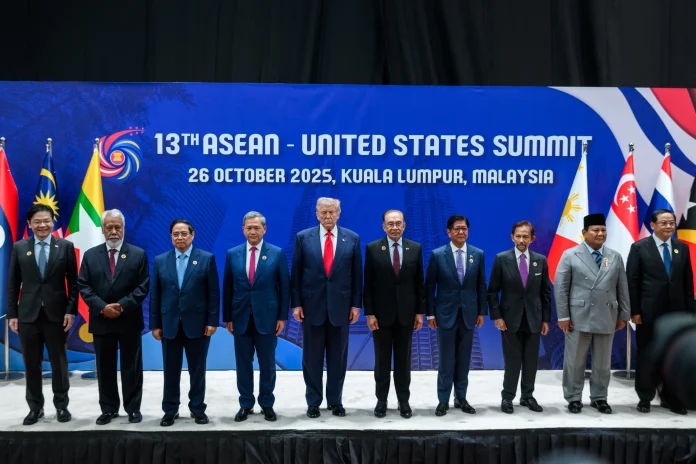
China retaliated with 125% tariffs on US goods after US rates escalated further to 145%, while the European Union prepared countermeasures and pushed for talks. Other regions responded more unevenly, with some ASEAN countries moving toward retaliation and others taking a more cautious diplomatic approach.
Legal challenge
In May 2025, the US Court of International Trade ruled that Trump had exceeded his authority by using emergency powers to impose the tariffs without clear congressional approval. That decision briefly blocked the tariffs, but a federal appeals court stayed the ruling, allowing them to remain in effect.
The US Court of Appeals for the Federal Circuit later affirmed the lower court’s reasoning in August 2025 but again temporarily stayed the ruling, pending an appeal to the US Supreme Court
Why it mattered
The tariff plan was framed by Trump as a declaration of economic independence, but critics said it injected uncertainty into global commerce and strained alliances.
European leaders warned that the policy would hit consumers and businesses across the continent, while African nations feared the damage would fall hardest on jobs in textiles, agriculture and manufacturing.
If you take on one of us, you take on all of us. So we will stand together and stand up for each other. Our unity is our strength. Europe has the largest Single Market in the world – 450 million consumers – that is our safe harbour in tumultuous times. And Europe will stand at the side of those directly impacted.
European Commission President von der Leyen
Read also:
US-China trade war reaches one-year truce
The EU reaches deal with US, averting tariffs
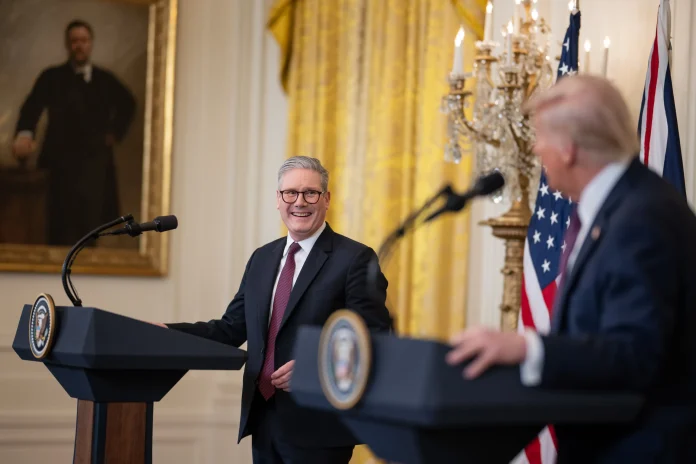
The US-UK’s Economic Prosperity Deal