The 2025 BRICS summit in Rio de Janeiro focused on cementing the bloc’s role as a Global South governance powerhouse, with leaders adopting 126 commitments on AI rules, climate finance, health equity and gradual de-dollarisation.
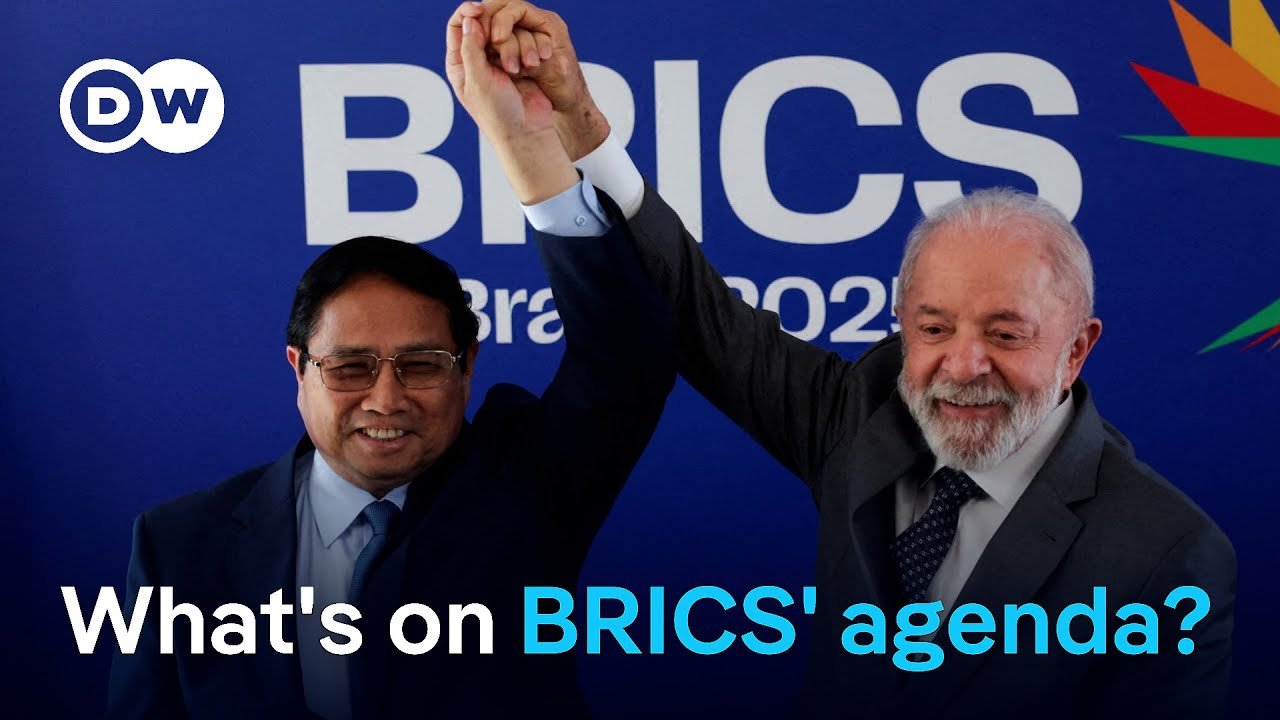
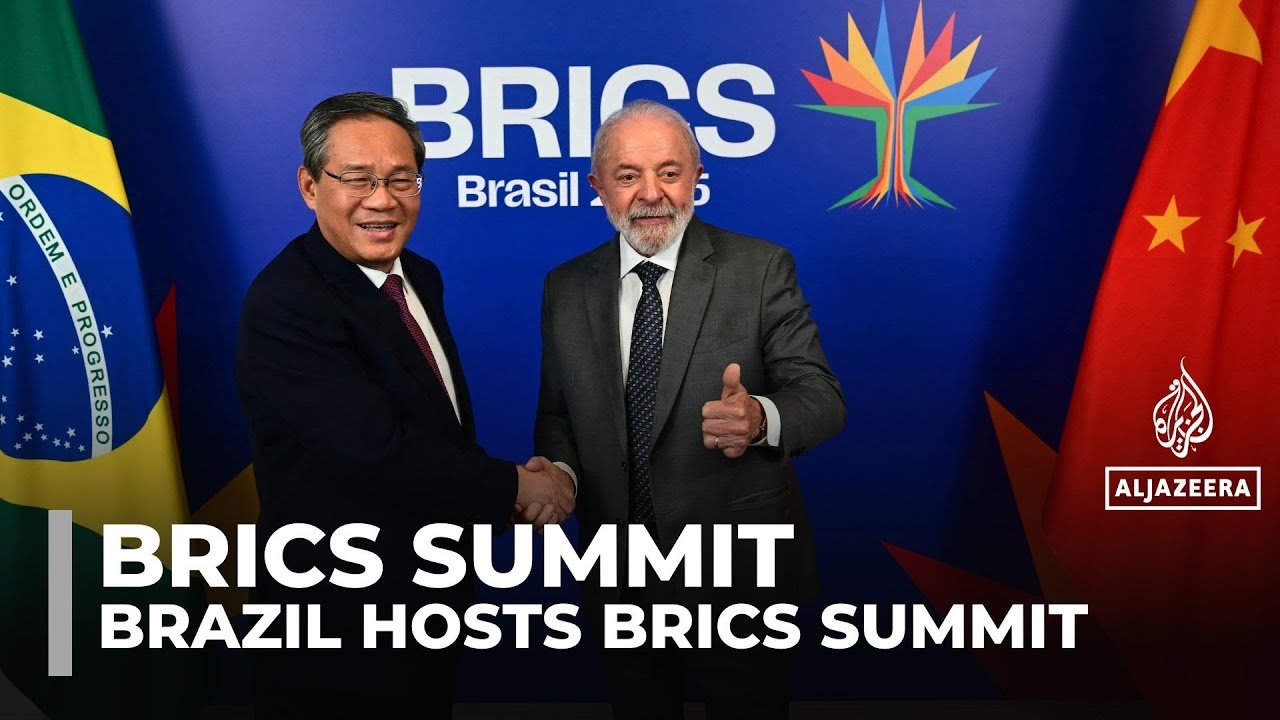
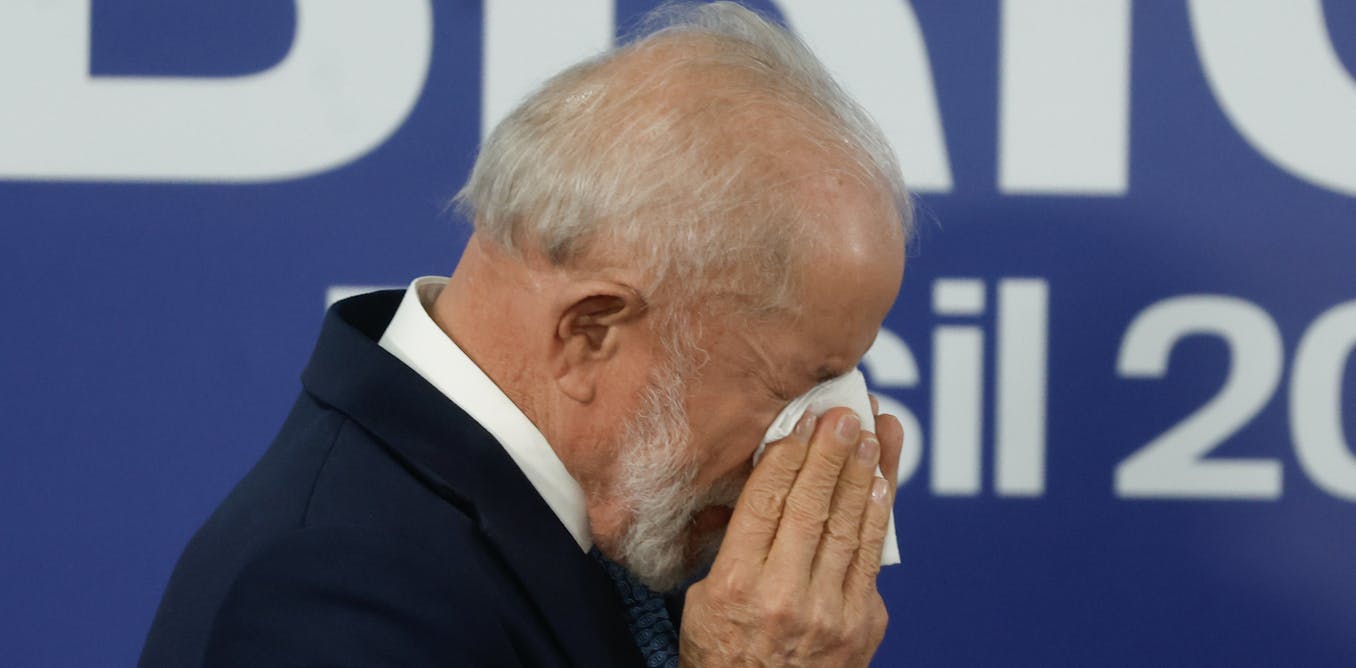
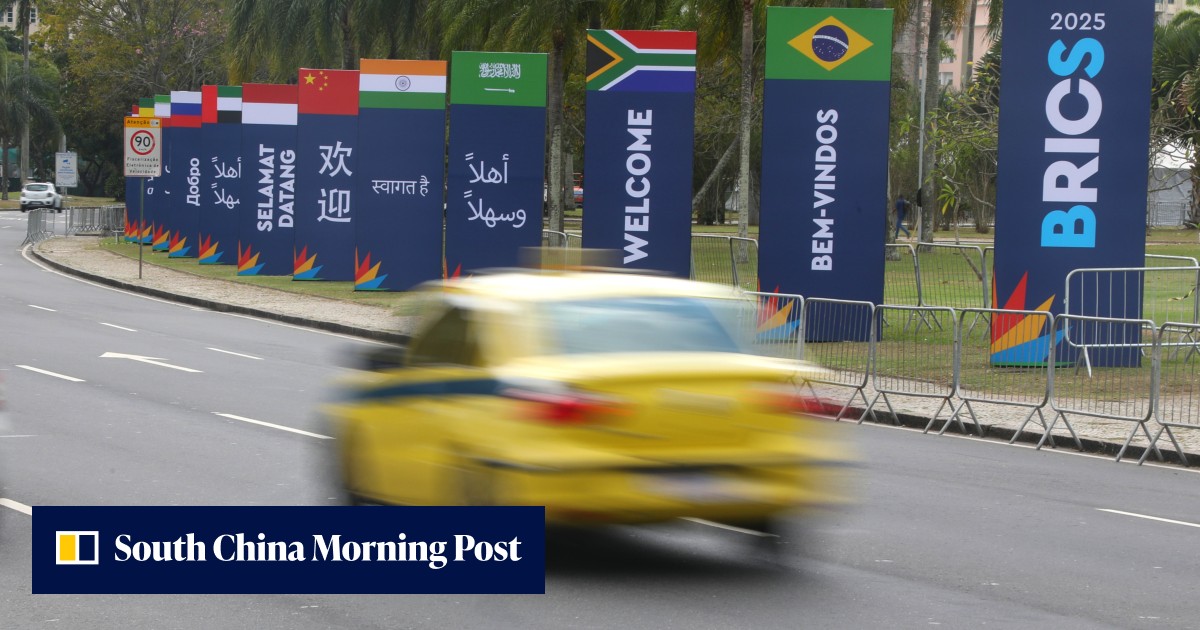
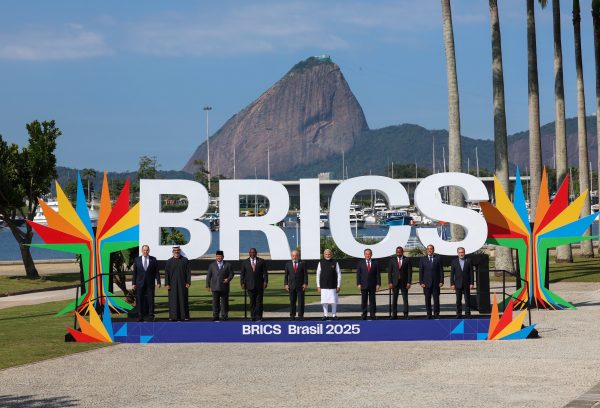
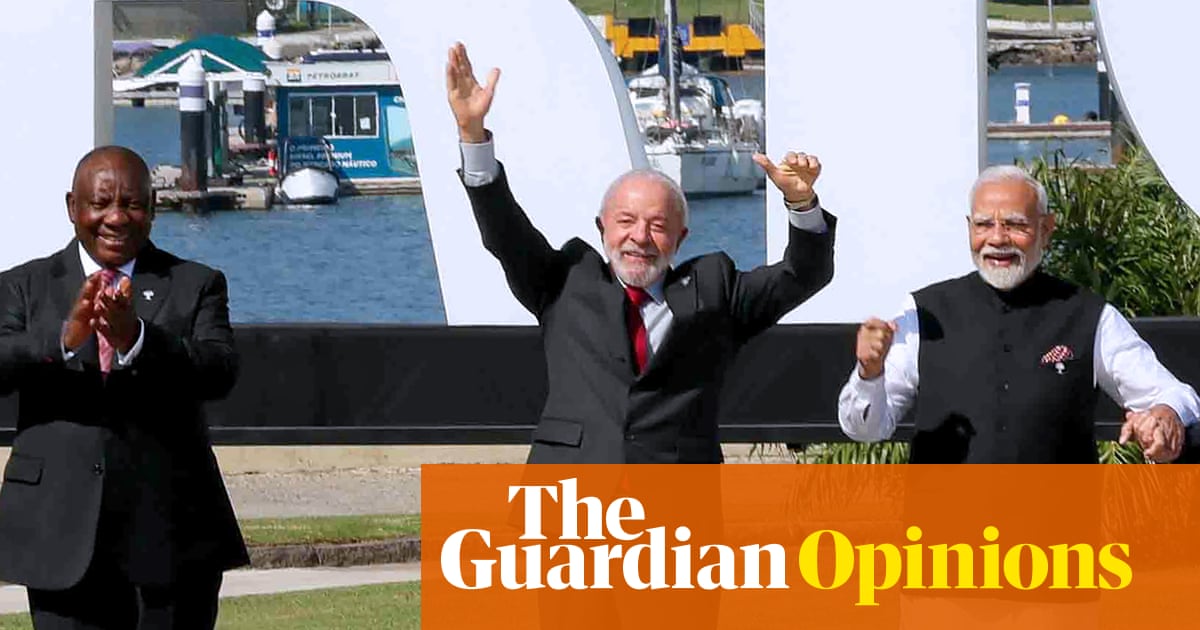
The 17th BRICS Summit took place in Rio de Janeiro from 6 to 7 July 2025, hosted by Brazilian President Luiz Inácio Lula da Silva under the theme Strengthening Global South Cooperation for a More Inclusive and Sustainable Governance.
Indonesia officially attended its first summit as the 11th full member. The bloc also welcomed 11 new partner countries: Belarus, Bolivia, Kazakhstan, Cuba, Nigeria, Malaysia, Thailand, Vietnam, Uganda, Uzbekistan and Algeria.
Current full members now include Brazil, Russia, India, China, South Africa, Egypt, Ethiopia, Iran, UAE, Saudi Arabia and Indonesia.
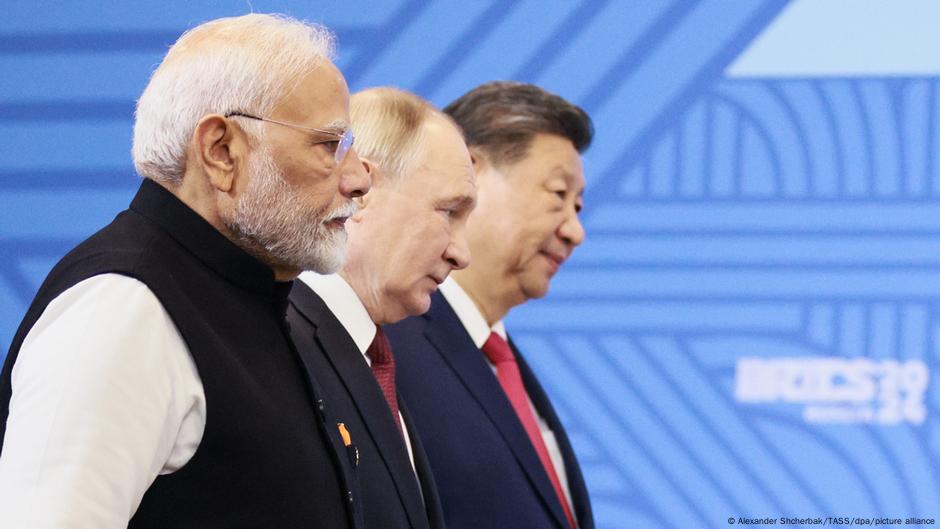
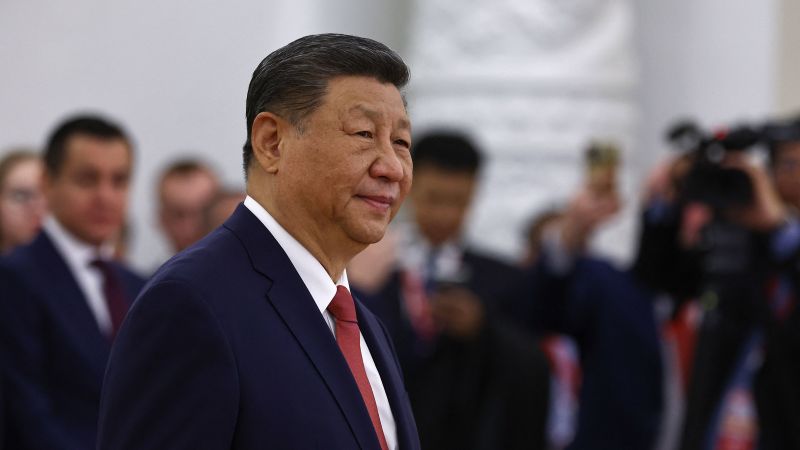
Notably, Chinese President Xi Jinping did not attend for the first time since 2012. Russian President Vladimir Putin participated only via video link due to an ICC arrest warrant.
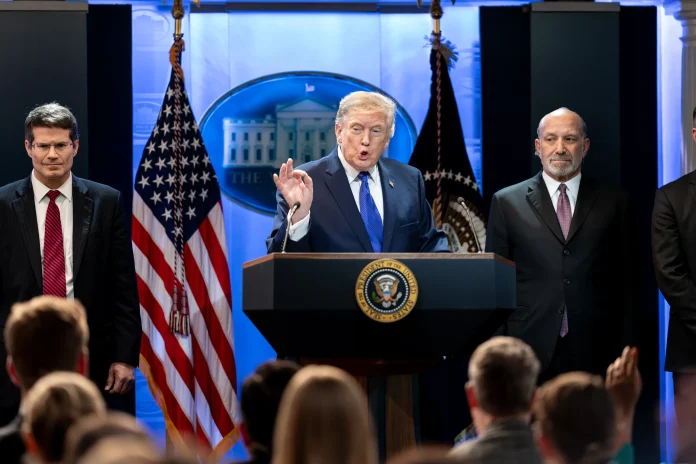
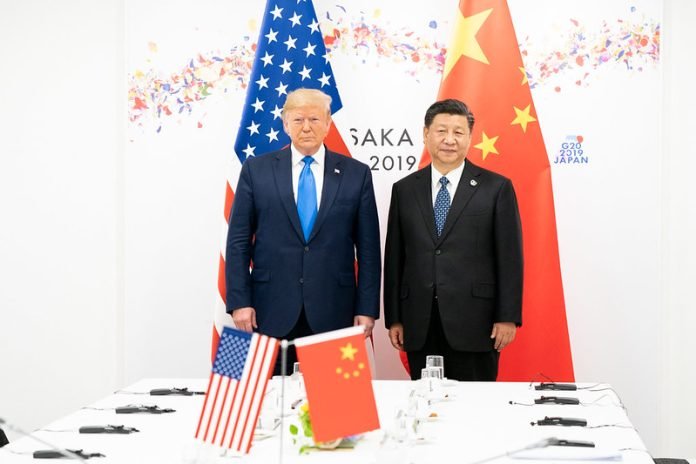
The summit occurred amid threats from the Trump administration to impose 100 percent tariffs on BRICS nations if they actively replaced the US dollar. India will assume the rotating BRICS presidency and host the 18th BRICS Summit in 2026.
The Rio de Janeiro Declaration
Leaders adopted the Rio de Janeiro Declaration, which included 126 commitments focused on global governance, finance and health.
BRICS leaders unanimously condemned US strikes on Iranian nuclear sites as a blatant violation of international law and the UN Charter. The bloc expressed grave concern over deliberate attacks on peaceful nuclear facilities and civilian infrastructure. While the declaration was a major diplomatic victory for Iran, the text avoided naming the US or Israel directly to prevent further trade provocation from the Trump administration.
Members adopted the BRICS Leaders’ Framework on Climate Finance, focused on mobilising resources for green development and renewable energy. Strong political backing was noted for initiatives like Brazil’s Tropical Forest Forever Fund, though with limited detail on capitalisation.
Leaders approved a dedicated BRICS Leaders’ Declaration on Global Governance of Artificial Intelligence, the bloc’s first joint AI governance text. It emphasises data sovereignty, equitable access to AI, transparency and support for developing countries, positioning BRICS as an alternative to US-EU-led AI norms.
The summit also launched the BRICS Partnership for the Elimination of Socially Determined Diseases.
De-dollarisation and financial reforms
The summit pushed for de-dollarisation by promoting local currency settlements for trade. A new Multilateral Guarantee Mechanism was introduced via the New Development Bank to de-risk infrastructure investments in developing countries.
BRICS de-dollarisation strategy has shifted from the ambitious goal of a single BRICS currency toward a more pragmatic focus on local currency settlement and digital payment infrastructure. The most significant progress has occurred in bilateral trade, particularly involving Russia and China.
Putin announced during the summit that 90 percent of transactions between BRICS members are now settled in local currencies. Bilateral agreements in 2024 to 2025 have increasingly seen energy transactions between Russia, Brazil and China bypass the dollar entirely. India remains cautious, explicitly opposing a common BRICS currency to avoid US trade reprisals while simultaneously promoting the internationalisation of the rupee for specific trade corridors.
Digital payment infrastructure
The bloc is building decentralised alternatives to the Western-led SWIFT messaging system. BRICS Pay, a decentralised payment messaging system, entered advanced technical testing in 2025. It aims to link existing national systems like China’s CIPS, India’s UPI and Brazil’s Pix into a unified multilateral framework.
The mBridge multi-central bank digital currency platform processed over $55billion in transactions by early 2026. Although the Bank for International Settlements exited the project in late 2024 to maintain neutrality, member nations continue to use it, with the Digital Yuan accounting for roughly 95 percent of its volume.
A pilot settlement instrument called The Unit was launched in late 2025. It is not a currency but a tool backed 40 percent by gold and 60 percent by a basket of BRICS currencies, used for specific intra-bloc trade settlements.
Reserve diversification and gold
BRICS nations are leading a global trend of shifting central bank reserves away from US Treasuries. Central banks, led by BRICS, purchased over 1,100 tons of gold in 2025, the largest increase in 70 years.
In 2025, for the first time in nearly 30 years, the collective value of foreign central banks’ gold holdings surpassed their holdings of US Treasuries. The US dollar’s share of global foreign exchange reserves has declined to approximately 54 percent as of 2025, down from 73 percent in 2001.
Internal challenges and Trump’s tariff threats
Additional sources: BBC, Reuters, Al Jazeera, Bloomberg, SCMP
Internal divergence remains a barrier. China seeks to internationalise the renminbi, while India and South Africa fear that de-dollarisation may provoke US sanctions or lead to Chinese economic dominance.
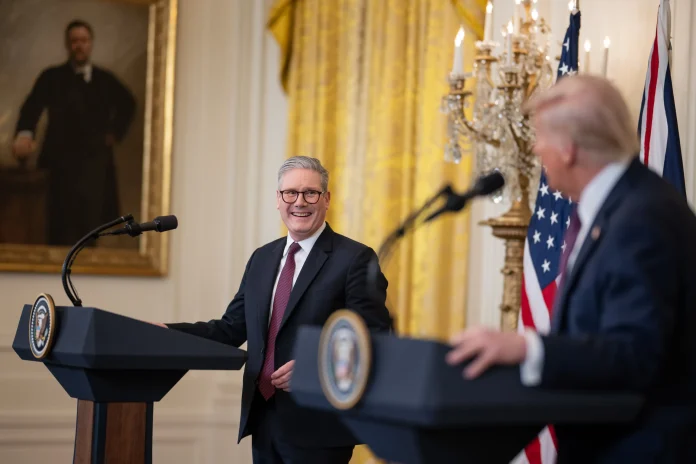
External threats intensified as the Trump administration warned of 100 percent tariffs on any BRICS nation actively pursuing a replacement for the US dollar. Trump also threatened an additional 10 percent tariff on any country aligning with what he termed Anti-American policies of BRICS.
Lula da Silva called the threats irresponsible and stated the world doesn’t want an emperor. Cyril Ramaphosa urged appreciation of various centers of power rather than viewing them negatively. India largely steered clear of anti-dollar rhetoric during the summit to avoid friction. Indonesia, upon joining as a full member, reportedly distanced itself from de-dollarisation to protect its US trade relations.
The final Rio Declaration avoided naming Trump or the US directly but condemned unilateral protectionist measures and tariffs as a threat to global supply chains.
Liquidity limits
Outside of the renminbi, most BRICS currencies lack the deep capital markets and liquidity required to serve as true global reserve alternatives, limiting the bloc’s ability to rapidly displace the dollar in global trade.