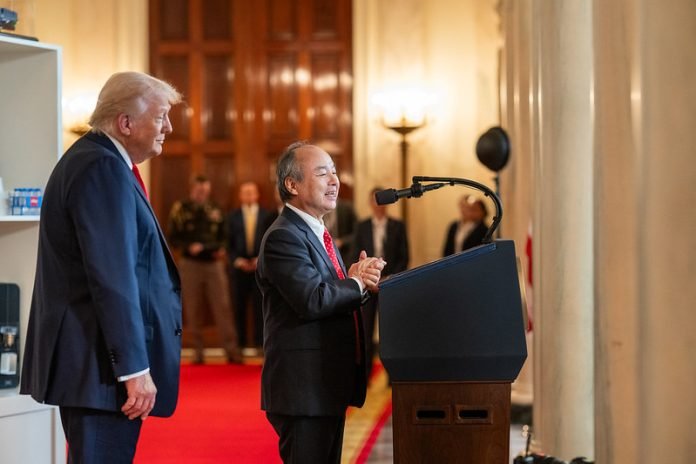
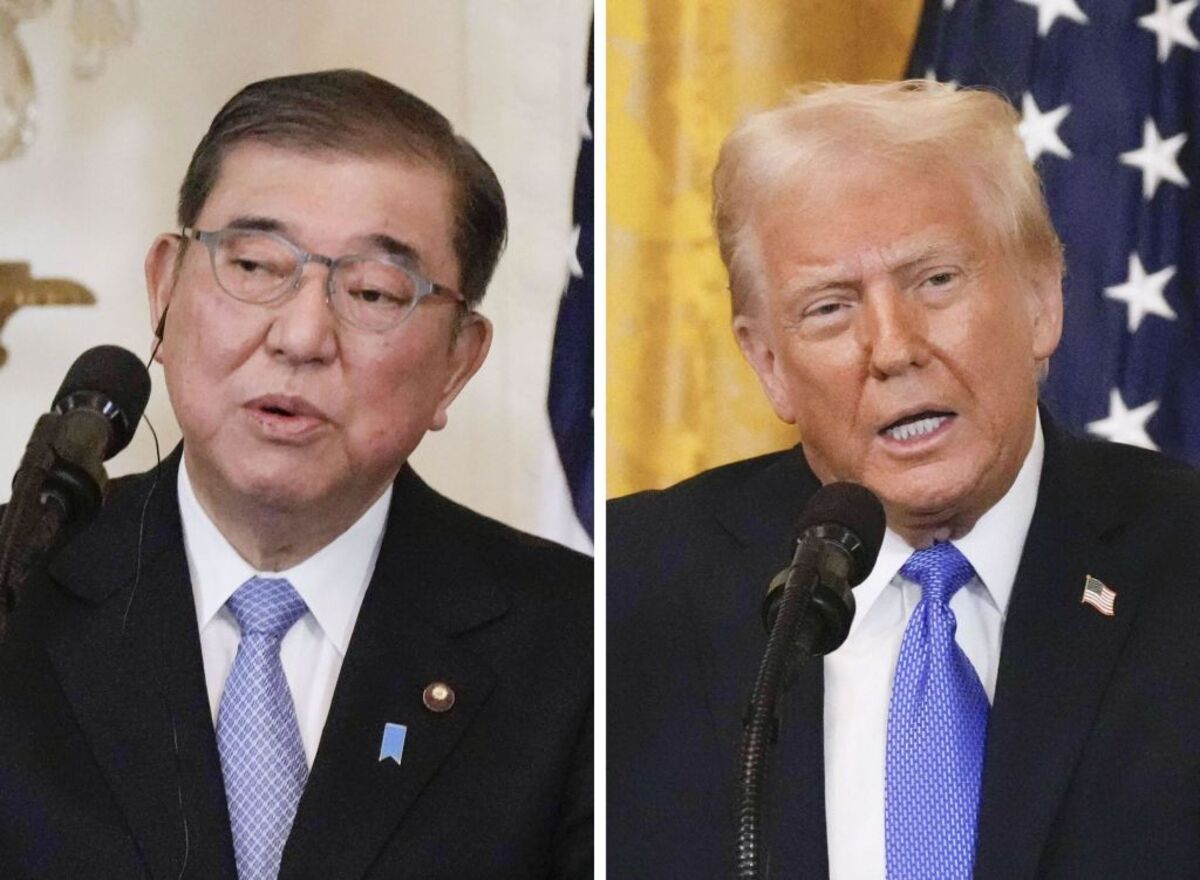
The United States and Japan reached a major bilateral trade agreement in 2025, easing economic tensions that had built up amid broad US tariff actions and strengthening the strategic alliance between the two powers.
In July 2025, President Donald Trump announced an agreement that would reduce tariffs on Japanese exports to the United States from 25 percent to 15 percent. Japan committed to investing approximately $550billion in American industries, with a focus on energy and manufacturing.
The deal included specific provisions for a major expansion of US energy exports to Japan, estimated at around $7billion annually, as well as subsidies promoting US clean energy vehicles. President Trump signed an executive order on 5 September 2025 to officially implement the framework.
“New Golden Age”
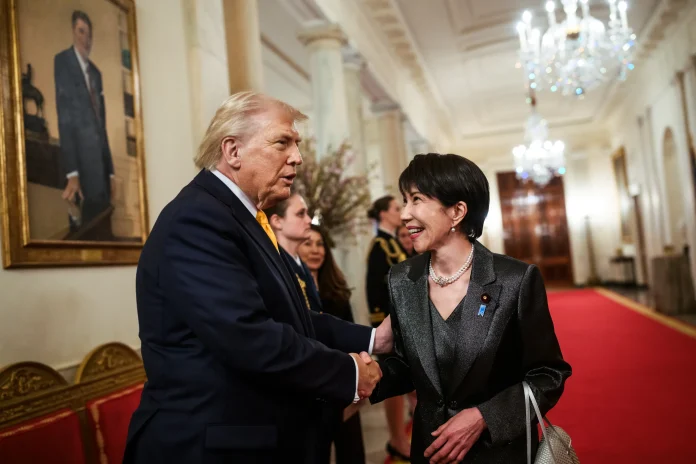
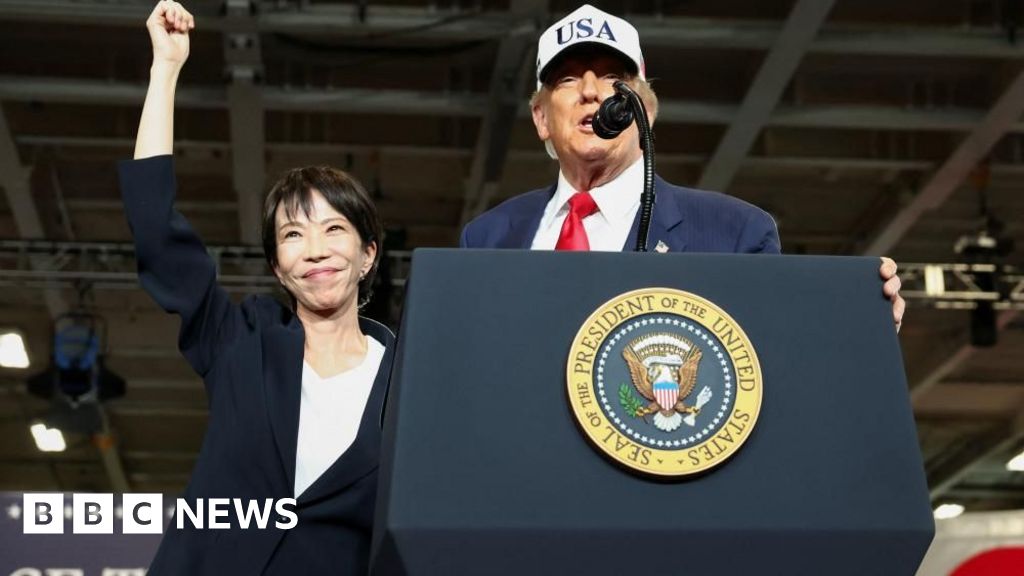
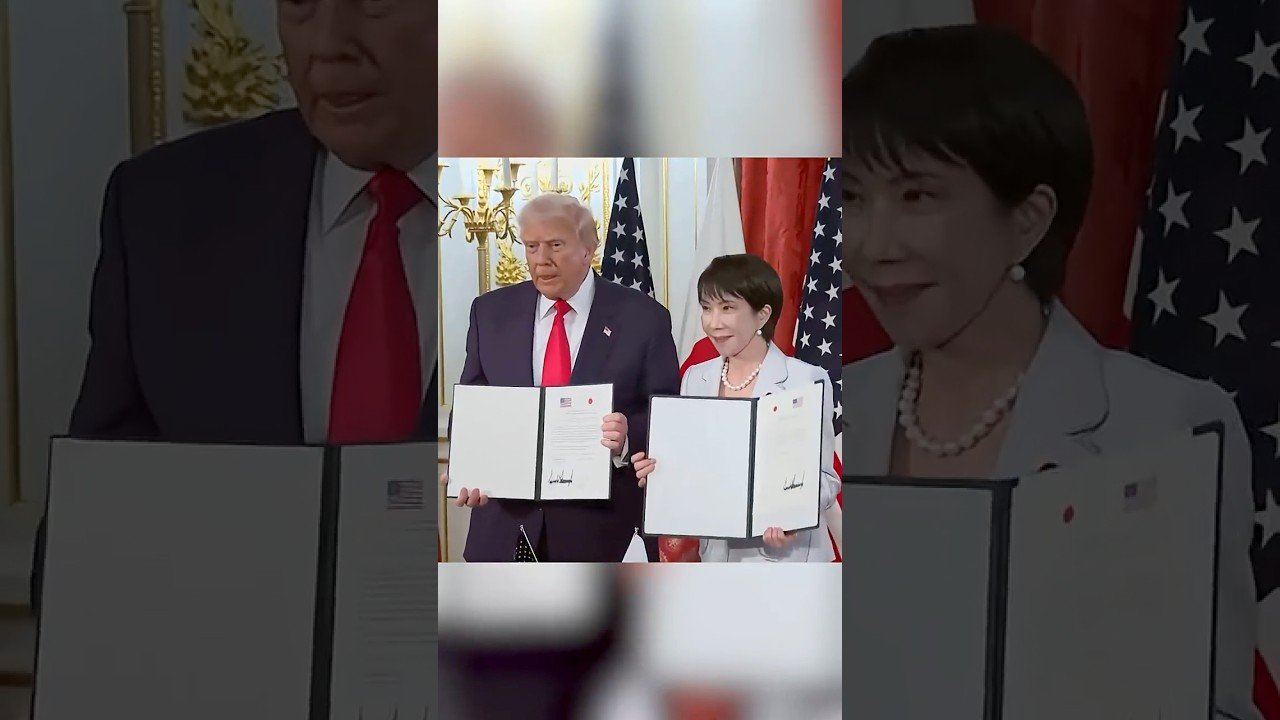
On 28 October, President Trump and Japanese Prime Minister Sanae Takaichi met at the Tokyo Summit at Akasaka Palace during Trump’s visit to Japan. The meeting was described as a meticulously staged affirmation of the US–Japan alliance, centred on the theme of a New Golden Age.
The leaders issued a formal document reconfirming the July 2025 trade framework, which capped reciprocal tariffs at 15 percent and outlined the $550billion Japanese investment package into the United States.
The summit also produced a framework to diversify critical minerals and rare earth supply chains and reduce reliance on Chinese processing, with a commitment to hold a ministerial meeting within 180 days.
A Technology Prosperity memorandum of cooperation was signed covering AI, quantum computing, 6G, and fusion energy. A new working group was established to modernise and expand US shipbuilding capacity using Japanese technology.
A fact sheet highlighting around $400billion in potential projects listed roughly 20 companies interested in initiatives spanning energy and AI, with specific mentions of Westinghouse and GE Vernova for nuclear reactor construction.
Symbolic and economic gestures
Japan agreed to purchase more US soybeans and Ford F-150 pickup trucks, with the latter symbolically parked at the palace, to help balance the trade surplus. Discussions also included expanding US liquefied natural gas imports, particularly from the proposed Alaska LNG project.
In a notable ceremonial event, Trump and Takaichi delivered joint speeches on the deck of the USS George Washington at the Yokosuka naval base. The two leaders also met with families of Japanese citizens abducted by North Korea, a gesture of high symbolic importance in Japan.
Takaichi presented Trump with a putter used by the late Shinzo Abe and a golf bag signed by Hideki Matsuyama, invoking the close bond between the former Japanese leader and Trump.
Broader implications
The agreement reflects a broader effort to stabilise US–Japan economic relations while reinforcing strategic cooperation in technology, energy, and supply chain security.
By combining tariff reductions, large-scale investment commitments, and symbolic gestures, the deal aims to deepen the alliance at a time of heightened global economic and geopolitical uncertainty.
Read also:
Sanae Takaichi becomes Japan’s first female PM
Japan-China Diplomatic Crisis 2025