The economic collapse of IranIran’s economic collapse in 2025 and 2026 was driven by a perfect storm of military conflict, renewed sanctions, currency collapse, and entrenched inflation that pushed ordinary households into crisis.
The downturn intensified after a 12-day military conflict with Israel and the reimposition of UN snapback sanctions, both of which added pressure to an economy already weakened by years of mismanagement and external isolation.
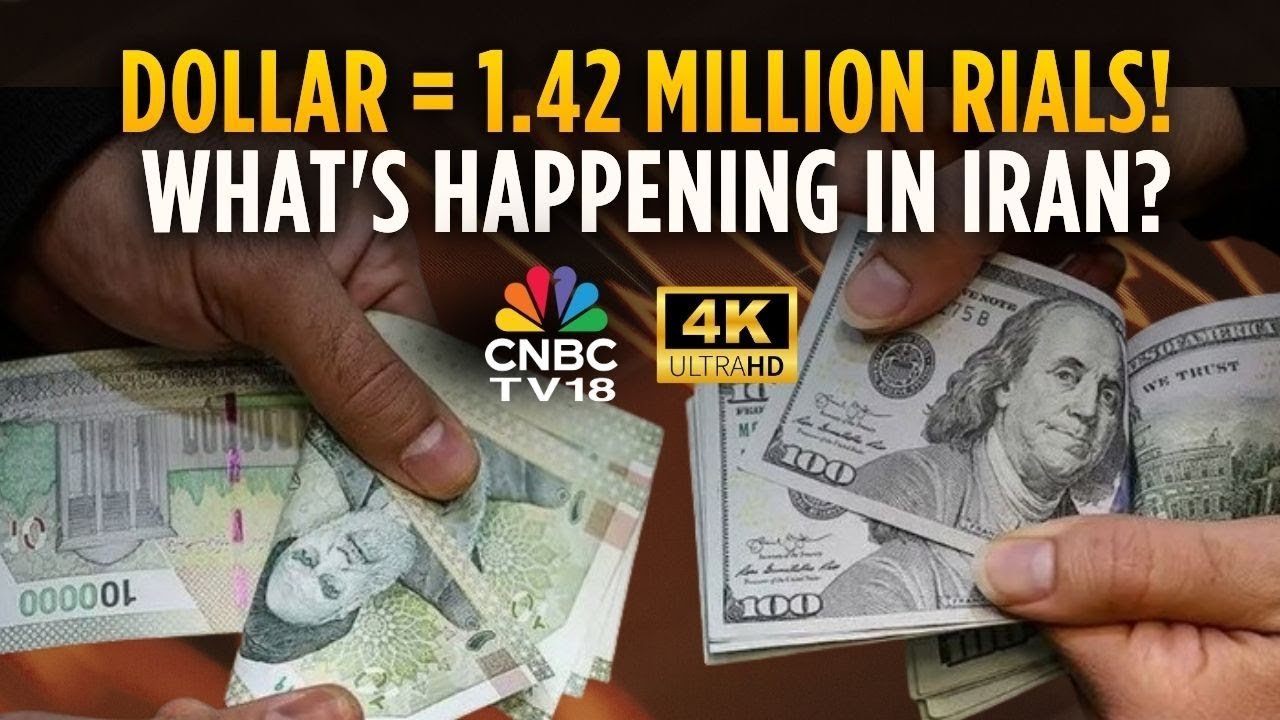
By late December 2025, the rial had fallen to a historic low of about 1.45million to the US dollar, wiping out purchasing power and making imported goods increasingly unaffordable. Over the previous six months, the currency is estimated to have lost roughly 40% to 56% of its value.
Prices that kept climbing
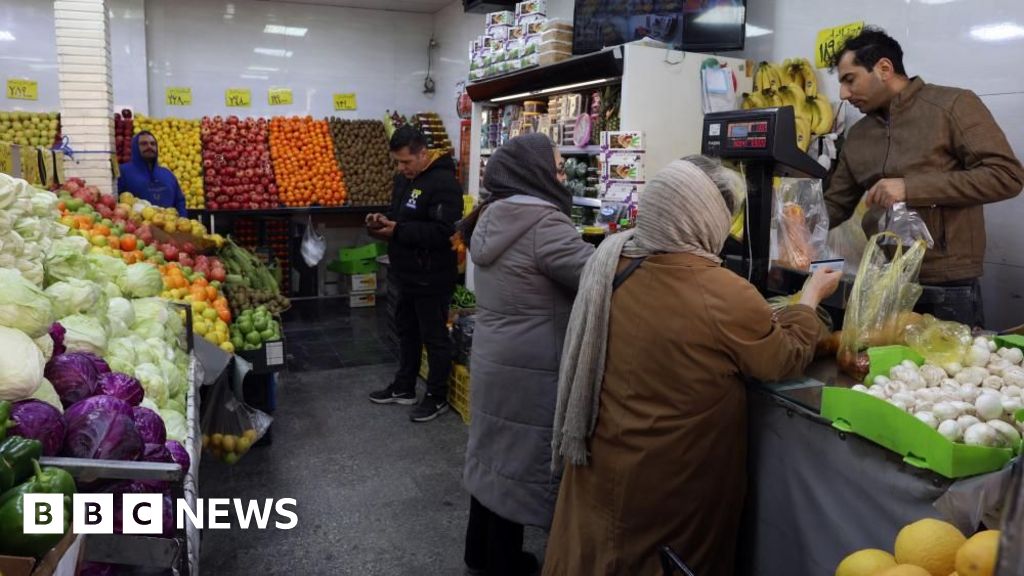
Inflation quickly became impossible to ignore. Food prices rose sharply, with staples such as vegetable oil tripling in price in a matter of weeks and meat, dairy, rice, and other essentials becoming dramatically more expensive. Annual food inflation was reported in the 72% to 90% range, while broader inflation remained above 50%, leaving wages far behind the cost of living. For many families, even basic groceries became a weekly struggle rather than a routine purchase.
Survival economics
The crisis changed how people bought food and paid for necessities. Supermarkets and vendors increasingly offered installment plans for basic items, while informal “buy now, pay later” arrangements became common in a country now described by some residents as living through a “silent famine.” Government food subsidies were expanded through electronic credit systems, but critics argued that these measures only masked deeper collapse. Reports also noted that more than half of Iranians were consuming fewer than 2,100 calories a day, underscoring the depth of the hardship.
Everyday life under strain
The economic damage extended beyond food. Water shortages and daily electricity blackouts disrupted schools and businesses throughout 2025, reinforcing the public perception that the state was failing at basic governance.
According to reporting on household conditions, some workers and students were forced to sleep on rooftops or in makeshift arrangements because they could no longer afford normal housing. That combination of rent pressure, wage erosion, and food insecurity accelerated the collapse of the middle class.
Budget choices and public anger
President Masoud Pezeshkian’s 2026 budget further fueled frustration. It proposed a large increase in security spending while offering wage increases that lagged far behind inflation, deepening the sense that the government was prioritizing coercive power over household relief.
Authorities also ended preferential exchange rates for most goods, keeping them only for medicine and wheat, a move that immediately pushed up prices for items such as chicken and cooking oil. Critics said the policy shifts only intensified the burden on ordinary people.
Protests and policy responses
The economic crisis helped trigger protests when shopkeepers and merchants in Tehran’s Grand Bazaar shut their stores because the rial had become too volatile to price goods reliably. In response, the government relied on a patchwork of emergency measures, including cash withdrawal restrictions, subsidy adjustments, currency redenomination plans, and unconventional attempts to stabilize markets.
The central bank also drew scrutiny for using multiple exchange rates and, according to some reports, buying cryptocurrency in an effort to manage pressure on the rial.
Leadership fallout
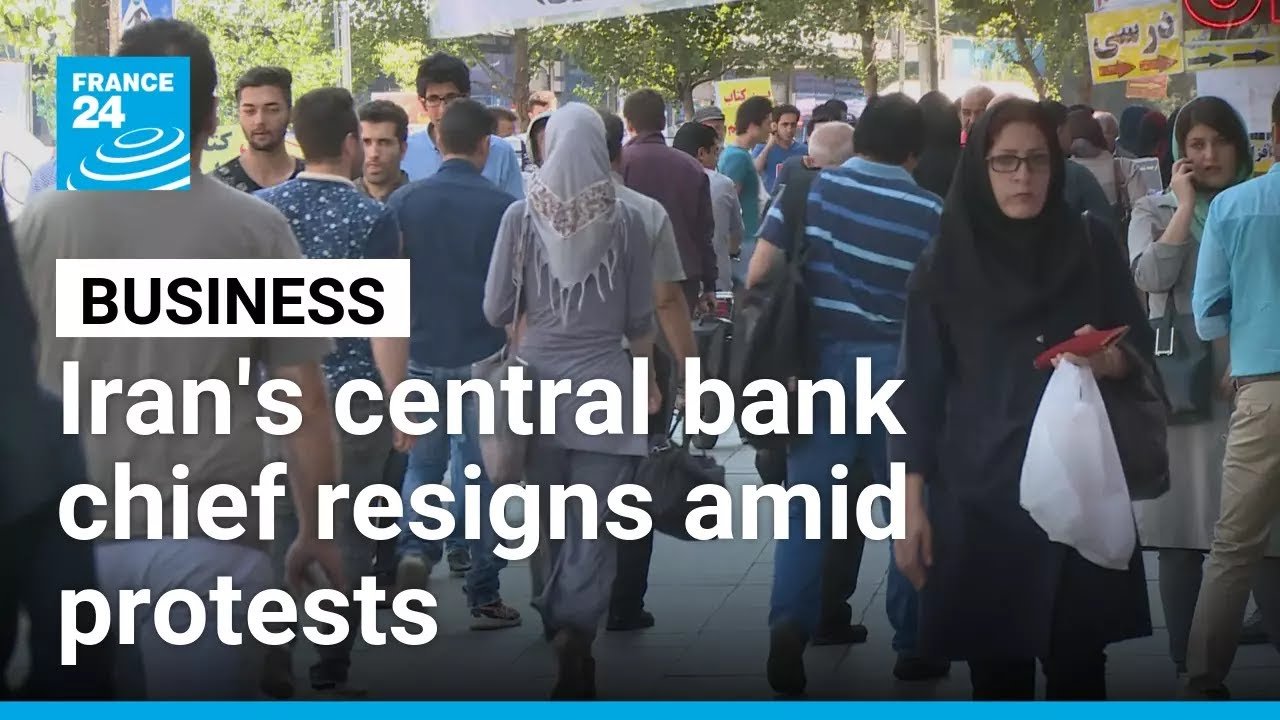
The currency collapse also shook Iran’s financial leadership. The central bank governor resigned in late December 2025 after the crash, and Abdolnasser Hemmati was reappointed on 31 December 2025 as authorities tried to restore confidence. But the leadership changes did little to change the broader picture: a collapsing currency, soaring prices, and a public increasingly convinced that the crisis was structural rather than temporary.
The bigger picture
Taken together, the crisis exposed a wider economic model under severe strain. Military conflict, sanctions, inflation, subsidy distortions, and policy missteps combined to erode trust in the state’s ability to manage daily life.
For millions of Iranians, the result was not just macroeconomic instability, but a grinding fight to afford food, housing, and basic dignity.