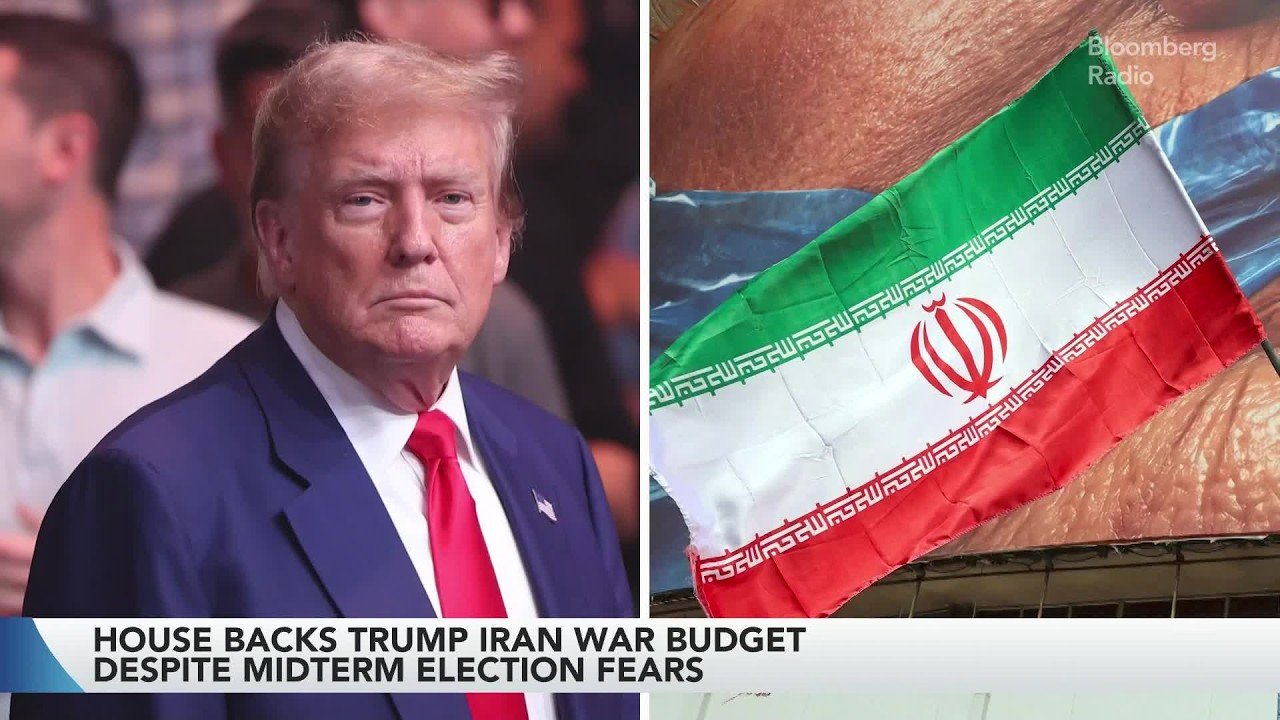


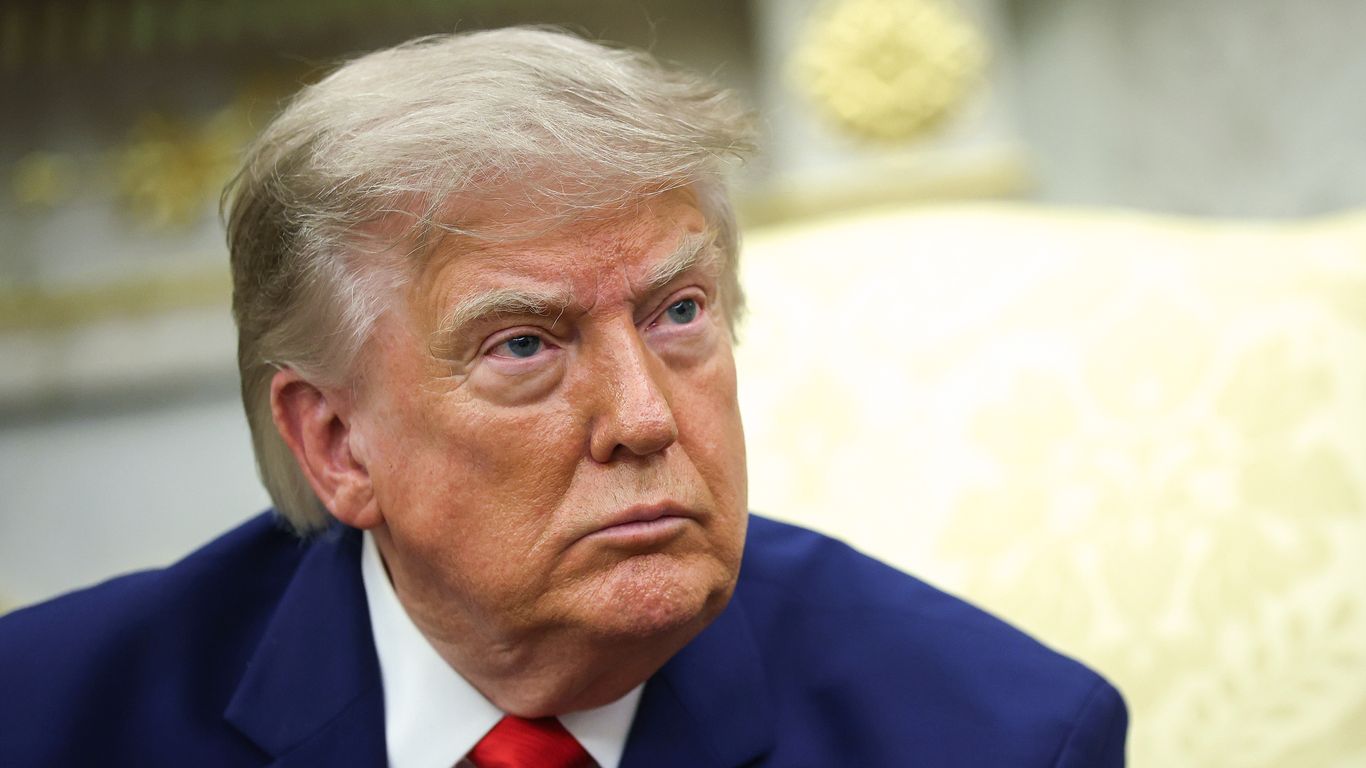




US President Donald Trump is threatening a major military response after Houthi attacks on Saudi-linked oil tankers in the Red Sea, escalating a conflict that is already rattling shipping routes, oil markets and diplomatic efforts to contain the fighting.
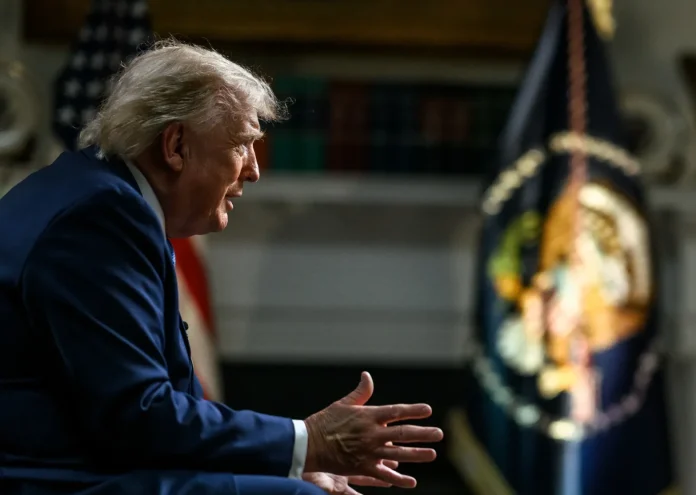
Trump told Axios he is “close to making a decision” on a “massive attack,” while also warning that Iran could be held responsible for the actions of the Yemen-based group. He also signaled that he sees little room for compromise at this stage, saying Iran is “not ready” and has not “received enough pain yet”.
Houthi attacks at sea
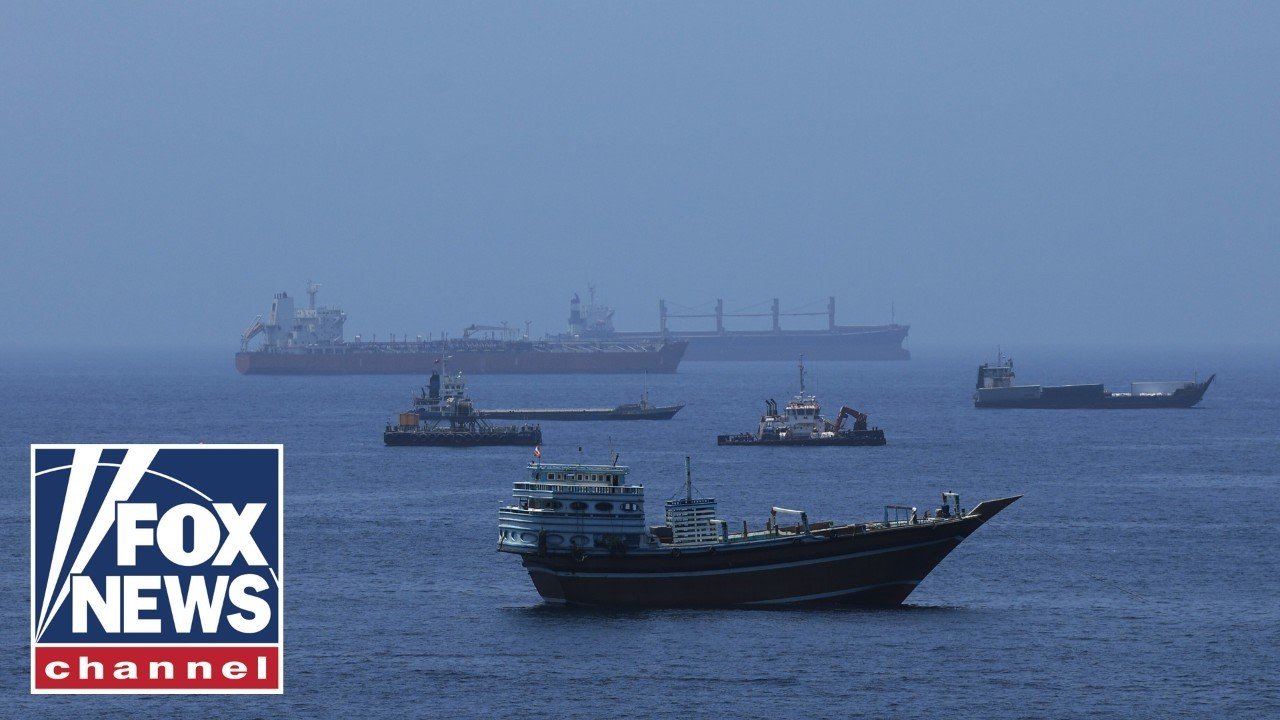
The latest escalation began after the Houthis claimed responsibility for striking two Saudi oil tankers in the Red Sea and warned commercial vessels to avoid sailing to Saudi ports.
Reuters reported that the attacks have already changed shipping behavior, with vessels rerouting and altering course in response to the threat. The group’s declaration has raised fresh concerns about the safety of one of the world’s most important energy corridors, especially as traffic through the Bab el-Mandeb strait remains vulnerable.
Trump’s threat
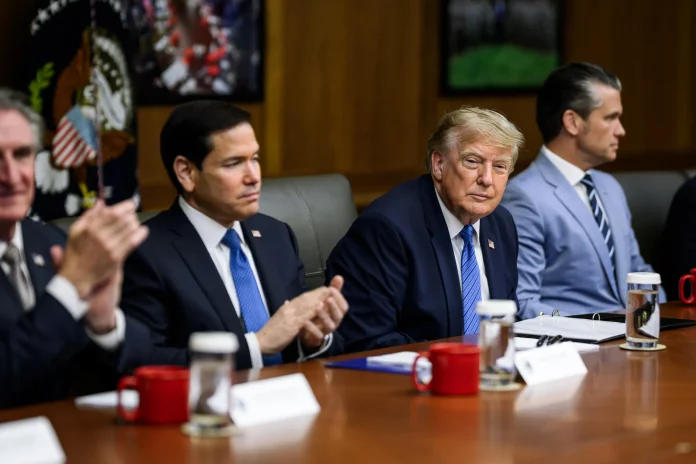
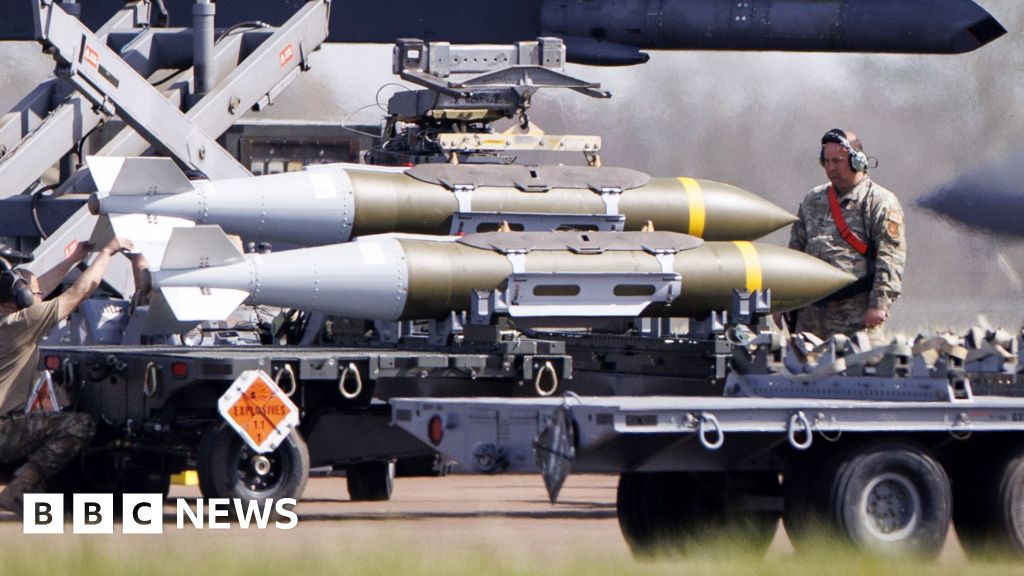
Trump said US forces were ready to act and suggested Israel could join almost immediately if needed, although he framed the decision as one Washington could carry out on its own. In press remarks and on social media, Trump said Iran would be blamed for further Houthi attacks, reflecting the administration’s view that the Houthis operate as an Iranian proxy.
Iraq-mediated diplomacy
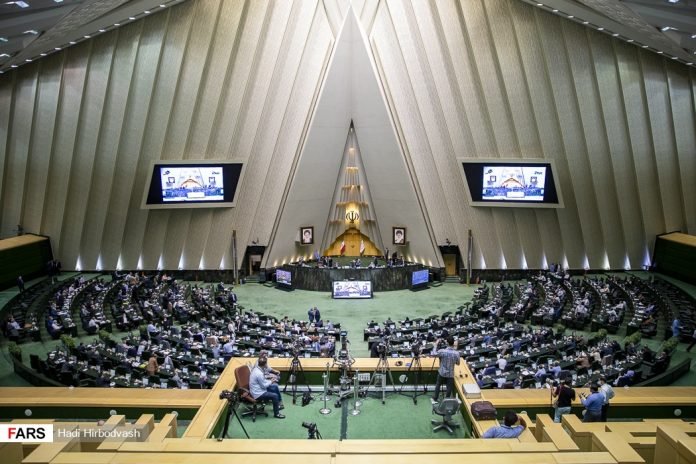
The military threats come as diplomatic efforts appear to be unraveling. The New York Times reported that Iran rejected a ceasefire proposal delivered through Iraqi mediation, with Tehran objecting to the terms of the offer.
Iranian officials reportedly dismissed the arrangement because it did not meet their conditions for a broader and more durable settlement, underscoring how far apart the two sides remain.
The ceasefire reporting was quickly challenged on both sides: Iranian officials rejected the New York Times account as misleading, and a US official also disputed elements of it, according to CNN.
Oil and shipping risk
The conflict is now feeding directly into market fears. Brent crude moved back above $100 a barrel as the confrontation intensified, reflecting concern over possible disruption to global oil flows. Shipping data also showed multiple tankers changing course after the Houthi threat, a sign that commercial operators are already treating the Red Sea route as high risk.
Wider regional stakes
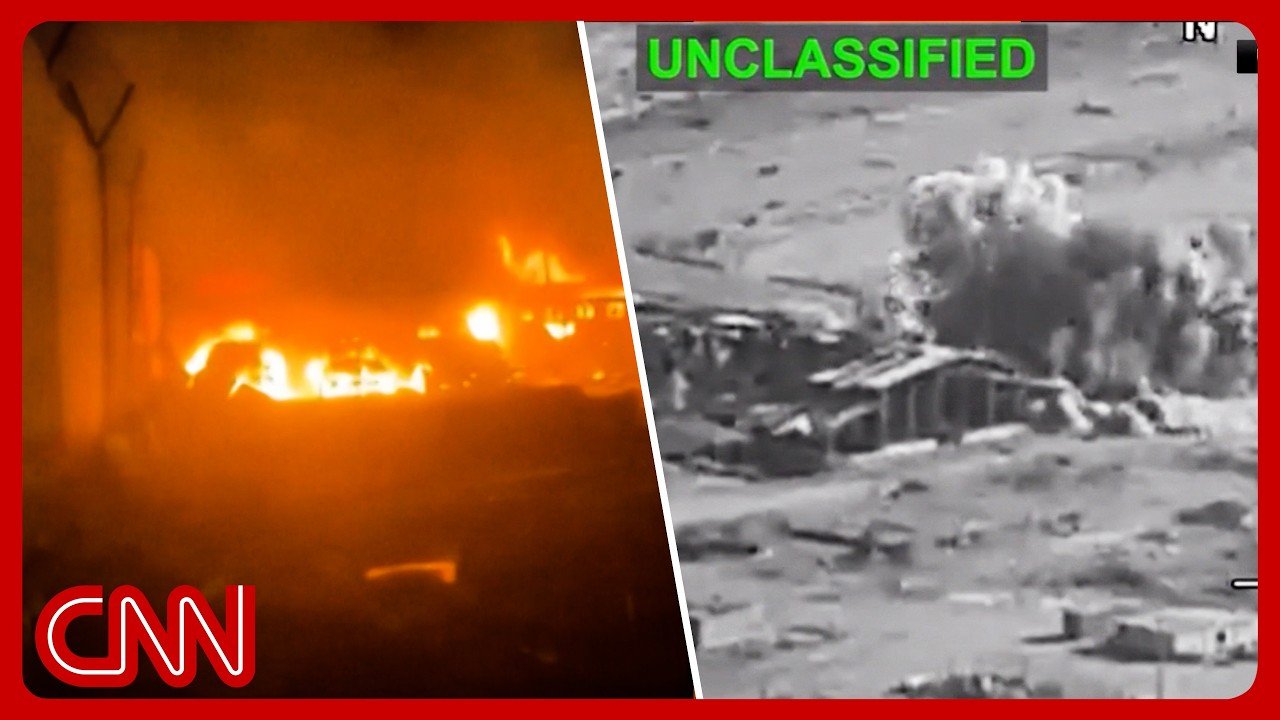
The confrontation has widened beyond Yemen and the Red Sea into a larger US-Iran standoff. Reuters reporting indicates the conflict is unfolding alongside US strikes and rising regional tension, with fears that any further escalation could pull in additional actors and deepen instability across the Middle East.