

Former Iranian President rejects allegations of Israeli Plot

In this story
Jump to Timeline

Key Reporting

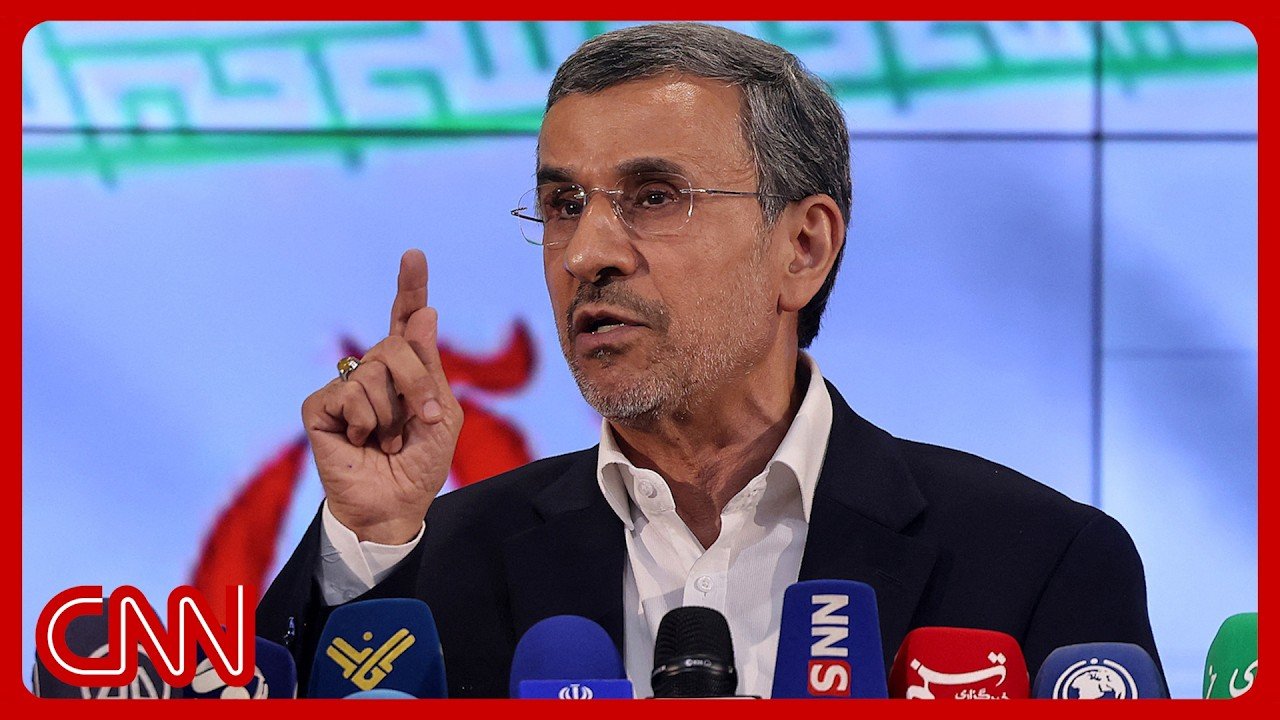
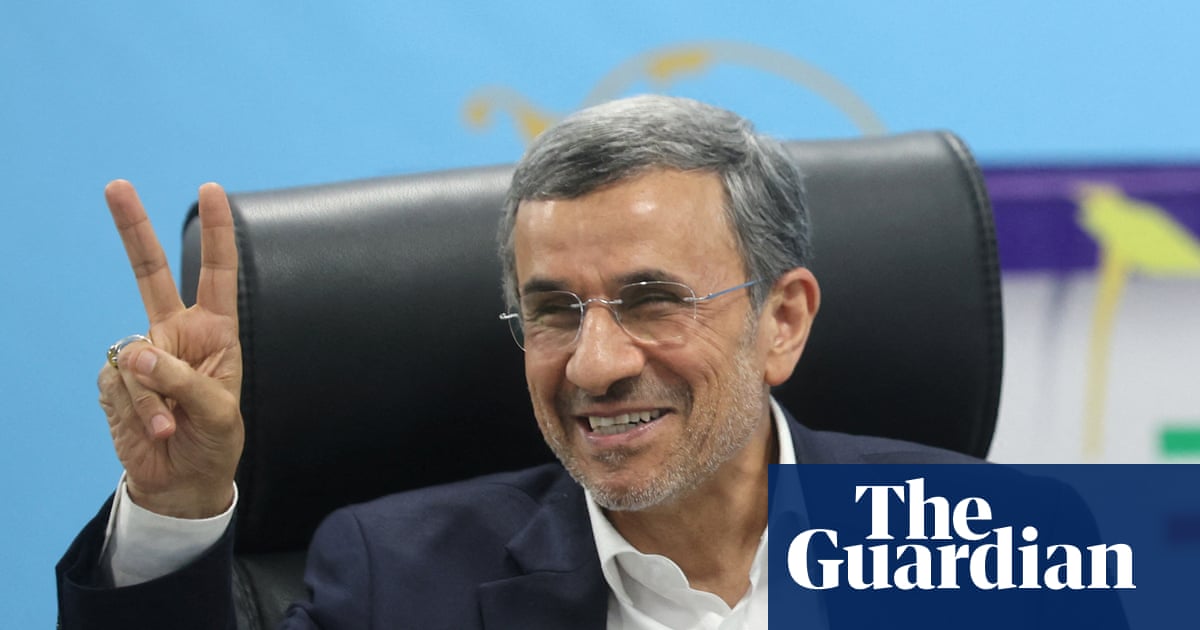
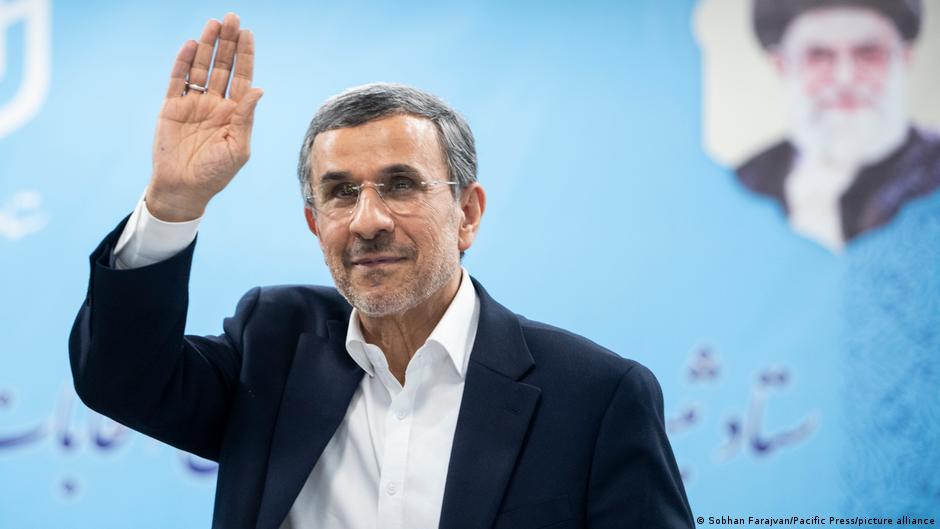
Former Iranian President Mahmoud Ahmadinejad has denied allegations that he was recruited by Israeli intelligence as part of a regime-change plot, rejecting claims published by The New York Times as “fabricated” and politically motivated.

In a statement issued by his office, Ahmadinejad dismissed reports that Israel’s Mossad cultivated him over several years and positioned him as a potential successor in the event of regime collapse in Tehran. The claims were described as “Hollywood-style” fabrications intended to mislead public opinion and deepen internal divisions within Iran.

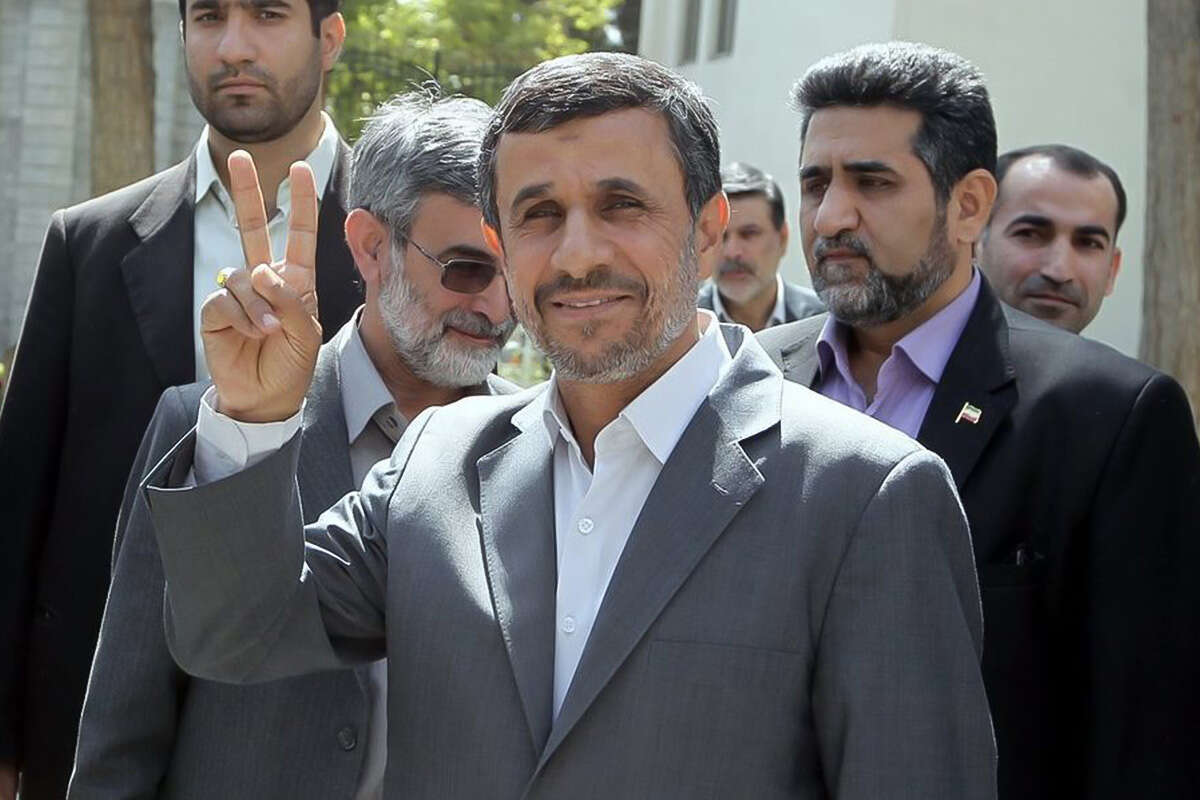
His representatives also denied assertions that he had been placed under house arrest, stating that he continues to move freely and engage in public life. As evidence, they pointed to recent footage of Ahmadinejad appearing in public, including attendance at a state funeral in Tehran and meetings with officials.

Allegations outline covert contacts

The New York Times investigation alleged that Mossad operatives initiated contact with Ahmadinejad during overseas trips, including meetings in Budapest under the cover of academic events. The report claimed that Israeli intelligence sought to leverage his political repositioning following his fallout with Supreme Leader Ali Khamenei.

According to the report, the plan evolved into a broader regime-change strategy during escalating tensions between Iran, Israel, and the United States in early 2026. Ahmadinejad was reportedly seen as a potential transitional figure who could appeal to segments of Iran’s working class while presenting a more pragmatic face to the West.

The investigation further alleged that during the early stages of conflict, Israeli forces targeted Ahmadinejad’s Tehran residence to extract him from surveillance by the Islamic Revolutionary Guard Corps (IRGC), relocating him to a secure location. However, the report claims he ultimately distanced himself from the plan, contributing to its collapse.

Background: “Operation Puss in Boots”

The allegations build on earlier reporting about a joint U.S.-Israeli effort—codenamed “Operation Puss in Boots”—first revealed in May 2026. That reporting described a multi-phase strategy aimed at exploiting internal fractures within Iran’s political system.

According to those accounts, the operation included:

  • Long-term cultivation of Ahmadinejad following his political break with Iran’s leadership.
  • Coordination with regional actors, including potential militia activity along Iran’s western borders.
  • Contingency planning to install an alternative leadership figure in the event of regime destabilization.

Western intelligence agencies were said to view Ahmadinejad as uniquely positioned for such a role due to his enduring support among lower-income Iranians and his increasingly critical stance toward the country’s ruling elite.

Competing narratives, limited verification

The conflicting accounts highlight the difficulty of verifying intelligence-related claims, particularly those involving covert operations and geopolitical rivalries. While the New York Times report cites intelligence sources and investigative findings, Ahmadinejad’s denial underscores the absence of independently verifiable evidence in the public domain.

The episode adds another layer of complexity to an already volatile regional landscape, where information warfare and competing narratives often accompany military and political confrontation.

As of now, there has been no official confirmation from Iranian authorities beyond Ahmadinejad’s own statements, nor direct response from Israeli officials regarding the specific allegations.

youtube placeholder image

US launches “Operation Economic Outcast,” widening Iran sanctions to five new sectors

The US launched Operation Economic Outcast against Iran that expands secondary sanctions risk across five critical sectors and targets nearly 60 entities.
Read more

Trump declares ‘Economic D-Day’ on Iran in unprecedented sanctions escalation

US President Donald Trump has launched what he calls an “Economic D-Day” against Iran, vowing the “most crushing economic operation ever taken against any country”.
Read more

Trump threatens to bomb Oman as US-Iran ceasefire collapses

Trump posted an AI-generated image on his Truth Social platform labeling the Strait of Hormuz as "NEW US TERRITORY."
Read more

US-Iran peace deal collapses as 60-day deadline expires

Both Washington and Tehran have ruled out extending the deal, with President Donald Trump declaring that Iran must "put up the white flag of surrender".
Read more

Trump and Iran trade claims over Strait of Hormuz as shipping traffic collapses

Washington says its naval blockade has secured the strategic waterway while Tehran insists no vessel may pass without its approval.
Read more

“Deeply Duplicitous”: Trump issues ‘last chance’ warning to Iran

After Iran denied holding talks, Trump publicly lashed out, calling the Iranian leadership "unbelievably duplicitous" and insists talks are ongoing.
Read more

Trump meets Zelenskyy and Netanyahu before Lindsey Graham funeral

The overlap highlighted Graham’s standing as a longtime foreign-policy hawk, bringing together leaders tied to two of the world’s most consequential conflicts.
Read more

House votes to curb Trump’s Iran war powers, but Senate blocks the move

Trump framed the war powers vote as an attack on ongoing diplomacy, while critics said Congress was overdue to reassert its constitutional role over war-making decisions.
Read more

Trump threatens major strike as Red Sea conflict widens

Trump signaled that he sees little room for compromise at this stage, saying Iran is “not ready” and has not “received enough pain yet”.
Read more

Iran parliament ousts hardline critics of US talks as Hormuz security bill tabled

The move signals a strategic consolidation by the pragmatic coalition around Parliament Speaker Mohammad Bagher Ghalibaf and President Masoud Pezeshkian.
Read more
Timeline

2022: Following years of escalating friction with Supreme Leader Ali Khamenei and being repeatedly disqualified from running for president, Ahmadinejad alters his public persona.

He tones down anti-Western rhetoric, alters his appearance, and heavily criticizes the corruption of the Iranian ruling elite. Mossad intelligence notices this shift.

Oct 7, 2023: Even as the Hamas attacks break out, a specialized Mossad team deployed abroad continues its active espionage operation tracking and communicating with Ahmadinejad.

Early 2024: Operatives establish formal, direct contact. Under the cover of a climate change and academic conference in Budapest, Hungary, then-Mossad Chief David Barnea personally meets with Ahmadinejad to solidify his role in the post-regime layout.

Dec 28, 2025: Widespread domestic protests erupt inside Iran, prompting Israeli Defense Minister Israel Katz to accelerate the timeline for a planned joint military strike with the U.S..

Mid-Jan 2026: David Barnea presents the regime-change playbook — combining leadership decapitation, a Kurdish militia assault from Iraq, and installing Ahmadinejad — to Prime Minister Benjamin Netanyahu and senior Trump administration officials. Trump officials express optimism despite viability concerns.

Feb 13, 2026: U.S. President Donald Trump publicly announces support for regime change in Iran, stating “there are people” he wants to see take over the country.

Feb 28, 2026: Coordinated U.S.-Israeli strikes hit Iran, successfully killing Supreme Leader Ayatollah Ali Khamenei. Concurrently, an Israeli airstrike targets Ahmadinejad’s Tehran compound, deliberately destroying the quarters of his IRGC minders and his armored vehicle to “free” him from state surveillance.

Early Mar 2026: Extracted amid the chaos, Ahmadinejad is moved into an Israeli intelligence safe house. However, the plan collapses when Ahmadinejad becomes disillusioned by the immense destruction of the war and walks out of Mossad custody, returning to Iranian state circles.

May 2026: Former IDF intelligence chief Tamir Hayman hints at a sequence of “very unique special operations” during a public broadcast following initial media whispers.

Jul 13–14, 2026: The New York Times publishes its full, exhaustive investigation. Ahmadinejad’s office vehemently denies the reports as “Hollywood-style” fiction.

Jul 2026 (Current Status): Intelligence reports indicate the Islamic Revolutionary Guard Corps (IRGC) has placed Ahmadinejad under formal house arrest after discovering his ties to Israel.

His only recent public appearance was standing under heavy guard at Ayatollah Khamenei’s state funeral.

You may also be interested in

LEAVE A REPLY

Please enter your comment!
Please enter your name here