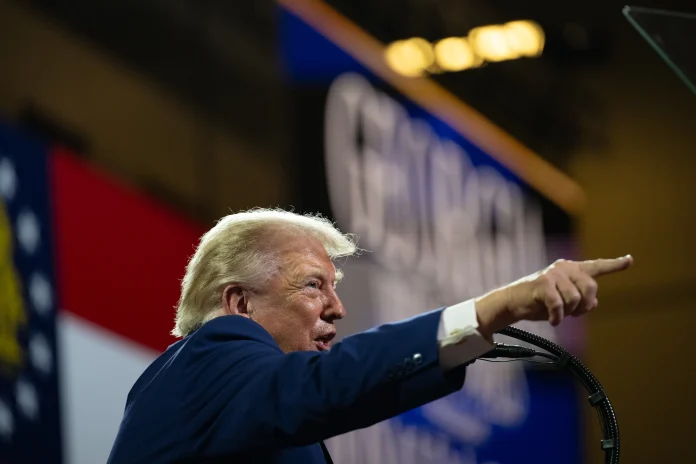
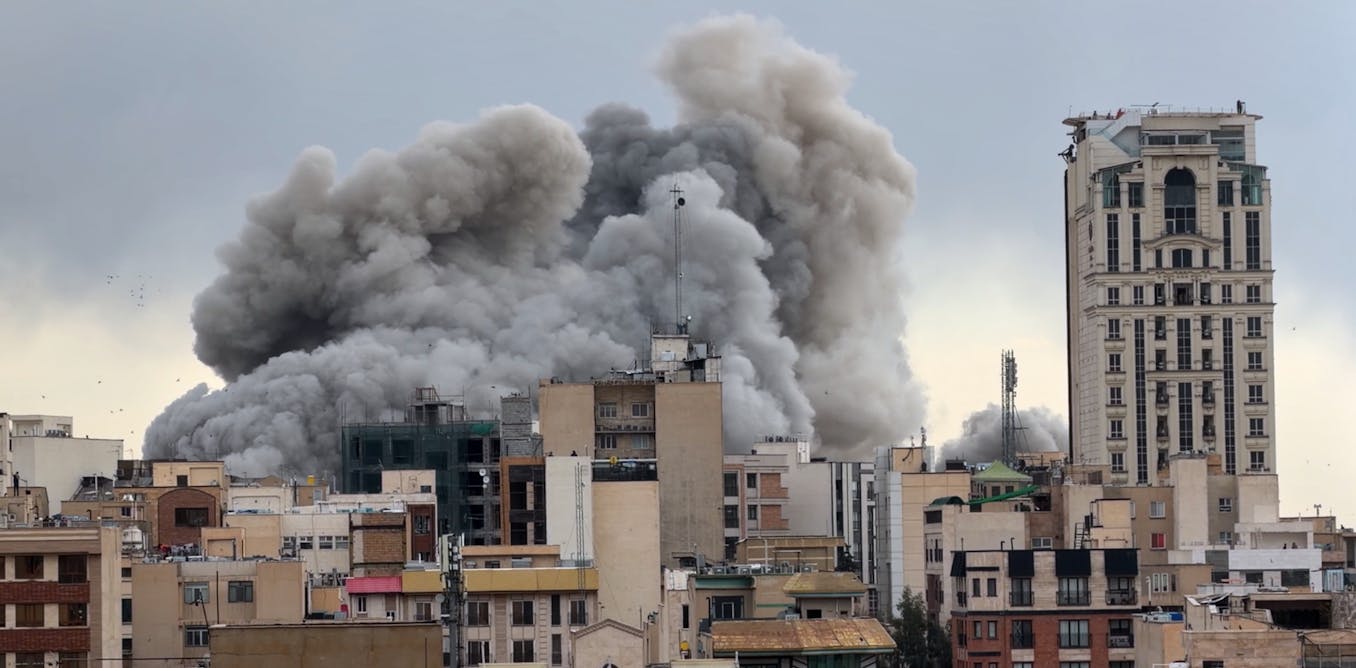
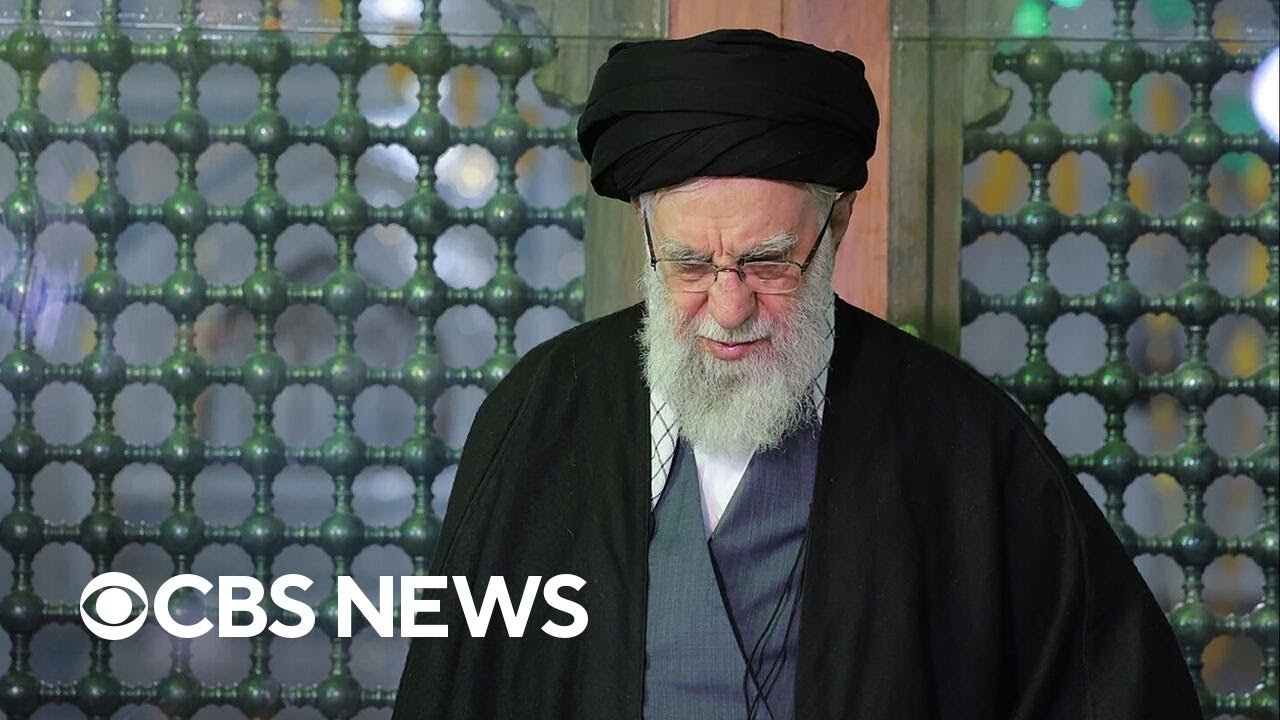
On March 1 2026, Iran’s official news agency, IRNA, confirmed the formation of a temporary three-member An interim leadership council has been formed to govern Iran following the death of Supreme Leader Ayatollah Ali Khamenei in a joint US-Israel strike.
In accordance with Article 111 of the Iranian Constitution, a temporary three-member council has been established to assume the Supreme Leader’s duties until a permanent successor is elected.
The council members are Masoud Pezeshkian, the sitting President of Iran; Gholam-Hossein Mohseni-Eje’i, the Supreme Court Chief Justice; and Ayatollah Alireza Arafi, a senior cleric from the Guardian Council.
The Assembly of Experts, an 88-member body of clerics, is constitutionally mandated to choose a new permanent Supreme Leader.
While the council holds formal authority, day-to-day management and security operations are reportedly concentrated within the Supreme National Security Council, led by Ali Larijani.
Exiled Crown Prince proposes Democratic transition
Exiled Crown Prince Reza Pahlavi has positioned himself as a transitional leader, proposing a complete replacement of the Islamic Republic with a secular democracy.
Pahlavi’s “Emergency Phase Booklet” outlines a six-month roadmap focusing on economic stability, ending corruption and ensuring essential services.
The plan emphasizes territorial integrity, the separation of religion and state, and equality under the law.
A national referendum would be held to allow Iranians to choose between a constitutional monarchy or a democratic republic, followed by free elections.
Pahlavi has urged members of the Iranian military and police to defect from the current regime and join the transition.
NCRI announces Provisional Government
Maryam Rajavi, President-elect of the National Council of Resistance of Iran, formally announced the formation of a Provisional Government on February 28.
This move aims to provide an immediate political alternative to the current clerical regime and manage a transition to a democratic republic.
The provisional government is built upon Rajavi’s established Ten-Point Plan and follows a strict timeline.
Designed to last for a maximum of six months, its primary task is to organize free and fair elections for a National Legislative and Constituent Assembly. This Assembly will then draft a new constitution and form a permanent government, at which point the provisional body will resign.
The NCRI’s plan outlines a radical restructuring of the Iranian state, including immediate dissolution of the IRGC, the Quds Force, the Basij and the Ministry of Intelligence.
Legal reforms would abolish Sharia law and the death penalty, replaced by an independent judiciary following international standards.
Governance would feature separation of religion and state, absolute gender equality and autonomy for ethnic minorities such as Iranian Kurdistan.
The plan also commits to a non-nuclear Iran and regional peaceful coexistence.
“Neither Shah nor Mullahs” – NCRI’s Third Way
Rajavi explicitly rejects both the current theocracy and a return to the monarchy led by Reza Pahlavi, positioning the NCRI as a “third way” democratic alternative.
The NCRI has activated “Resistance Units” within Iran to distribute posters and banners in major cities like Tehran and Shiraz to signal the government-in-exile’s readiness to return.
Several former international officials, including former US Secretary of State Mike Pompeo and former Canadian Prime Minister Stephen Harper, have voiced support for the NCRI’s readiness to lead a transition.
Critical challenges for opposition groups
Critics, including former US diplomats, question the NCRI’s actual support base within Iran, suggesting that its long exile and historical baggage linked to the MEK may limit its domestic appeal.
The NCRI faces direct competition from Reza Pahlavi, who has proposed his own transitional plan and claims significant support among both the diaspora and segments of the Iranian public.
Permanent succession process underway
While the council governs in the interim, the Assembly of Experts is constitutionally mandated to select a new Supreme Leader “as soon as possible.”
Reports indicate that the ongoing military conflict with Israel has made it difficult for the full Assembly to convene safely to name a successor.
Despite the formal process, potential permanent successors frequently mentioned include Mojtaba Khamenei, the late leader’s son; Alireza Arafi, a senior cleric and member of both the Guardian Council and the Assembly of Experts; Ali Larijani, a veteran politician and former IRGC commander; Hassan Khomeini, the grandson of the Islamic Republic’s founder Ruhollah Khomeini; and Sadiq Larijani, former Chief Justice and current chairman of the Expediency Discernment Council.
US Intelligence doubts regime collapse
US intelligence assessments shared with the White House indicate a high degree of doubt that the current strikes will trigger a systemic collapse.
Analysts believe the Islamic Revolutionary Guard Corps and conservative clerical networks are likely to maintain control rather than capitulate.
Intelligence officials describe the internal opposition as “battered” and “fragmented,” doubting its ability to consolidate power even if the top leadership is removed.
Mass defections from security forces, a key prerequisite for regime change, have not yet materialized.
Mixed signals from Trump Administration
The Trump administration has sent mixed signals, creating what observers call an “off-ramp” if the regime survives.
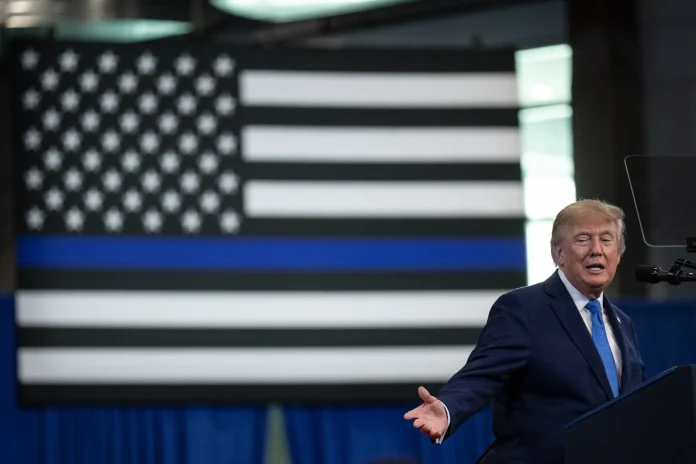
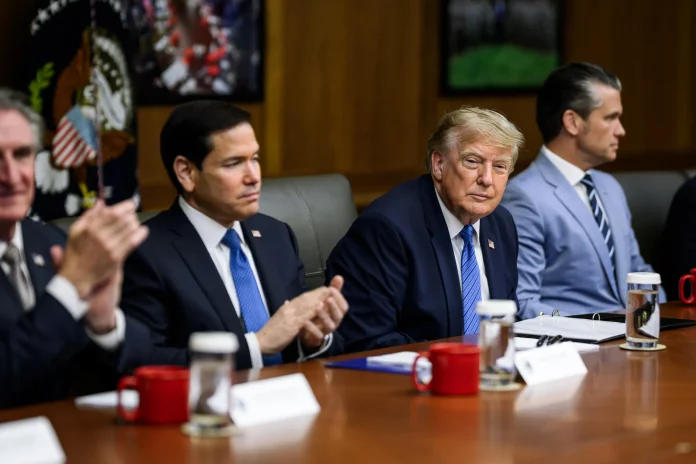
In recent public remarks, President Trump listed four primary goals — destroying missiles, annihilating the navy, stopping nuclear progress and ending terror funding — notably omitting “regime change” from the list.
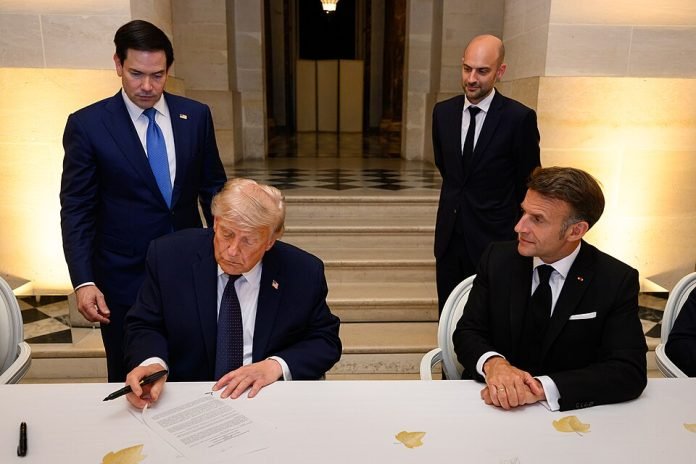
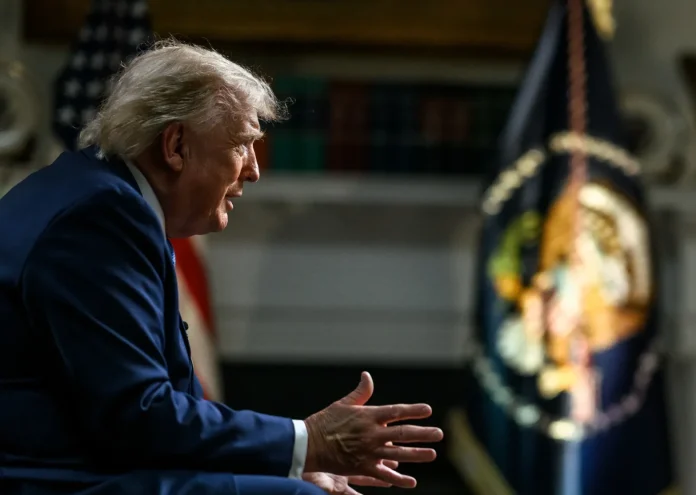
President Trump presented contradictory visions for post-Khamenei Iran in an interview with the New York Times, ranging from a “Venezuela scenario” where existing elites cooperate with the US to a total grassroots takeover by the Iranian populace. He simultaneously suggested negotiating with potential successors while urging the IRGC to surrender, leaving it unclear if the aim was regime replacement or reformation.
On March 2, House Speaker Mike Johnson characterized the strikes as a “defensive operation” rather than a war for regime change.
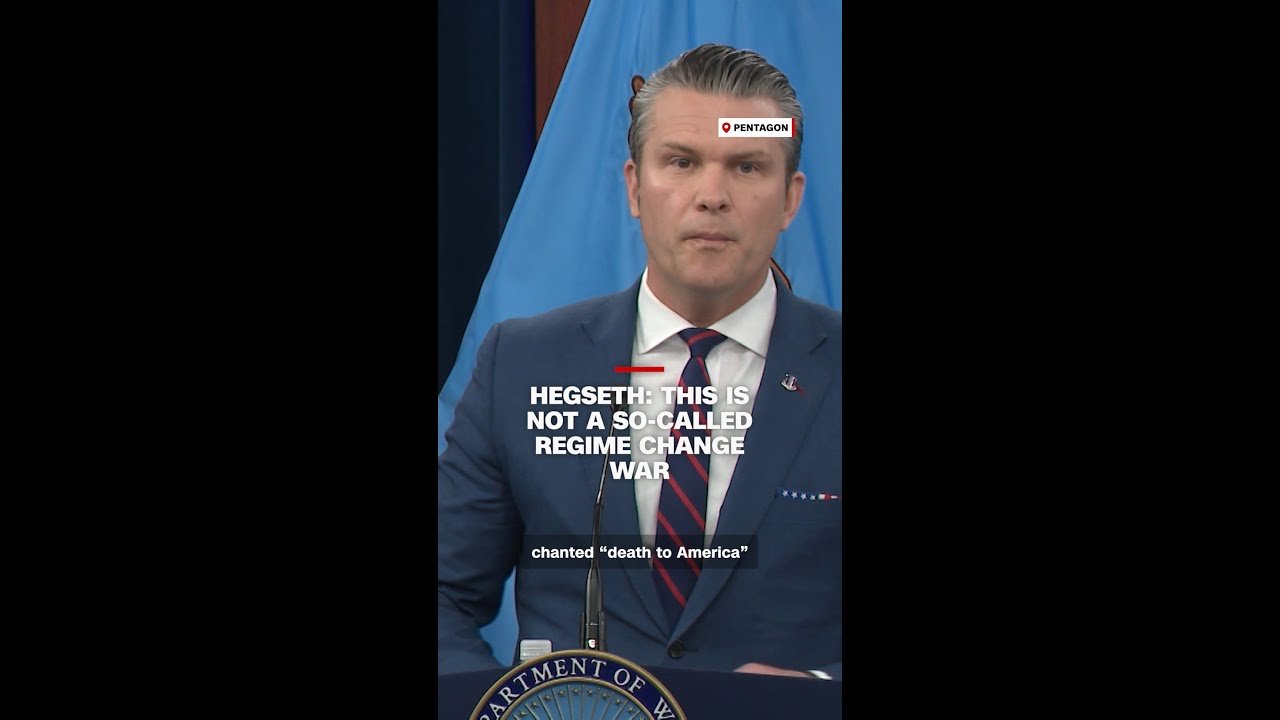
Secretary of Defense Pete Hegseth explicitly stated, “This is not a so-called regime change war,” focusing instead on eliminating “imminent threats.”
Strategic and historical concerns
Policymakers and analysts highlight several risks that fuel this skepticism.
Critics point to past interventions in Iraq and Libya as warnings that removing a dictator often leads to power vacuums and prolonged civil war rather than stable democracy.
Despite these internal doubts, Israeli Prime Minister Benjamin Netanyahu continues to press for a sustained operation to deliver a decisive blow to clerical rule, leading to a growing divergence in US and Israeli strategic interests.
There is concern that foreign military strikes may inadvertently unite the Iranian population behind the regime out of nationalism, even among those who despise the leadership.
Concerns over rising oil prices and the multibillion-dollar cost of a prolonged conflict have led some “America First” advocates to oppose a regime change agenda.
Read also:
US–Israel launch coordinated strikes on Iran, killing supreme leader
Exiled crown prince Reza Pahlavi urges action to topple Iran’s government