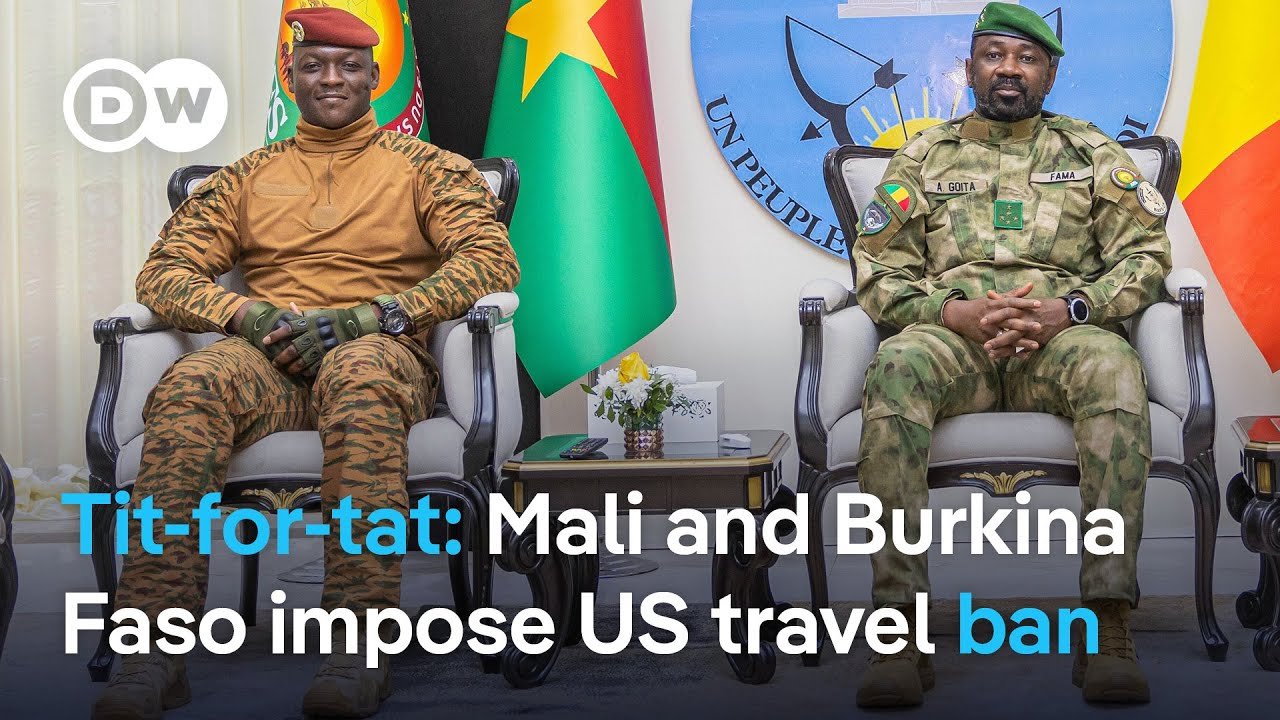
Mali and Burkina Faso moved to bar US citizens from entering their countries from January 1, 2026, after Washington expanded restrictions on their nationals. The two military-led governments framed the move as a matter of reciprocity, saying they were applying the same treatment US citizens receive when trying to enter the United States.
Mali’s foreign ministry said it regretted the US decision, arguing that it was taken without prior consultation and failed to reflect “actual developments on the ground.” Burkina Faso took a similar line, saying its foreign policy is guided by “sovereign equality” and “mutual respect.”
Wider Sahel shift
The restrictions also highlight the wider shift in the Sahel, where Mali, Burkina Faso and Niger have steadily distanced themselves from Western partners. All three are ruled by military juntas and have increasingly turned toward Russia, while also exploring broader ties beyond traditional Western alliances.
The US State Department confirmed that Mali had suspended visas for American citizens beginning January 1, 2026. In Burkina Faso, the US Embassy continued to warn against all travel, saying entry remains subject to the discretion of local authorities and citing persistent security risks.
Reaction on the ground
The move drew a mixed reaction on the ground. Some citizens backed their leaders and treated the ban as a show of defiance, while others said it would complicate business ties, humanitarian work and ordinary travel.
Civil society groups and some African commentators criticized the original US restrictions as discriminatory, warning that they risk isolating communities that have long-standing personal, commercial and educational links to the United States.
Geopolitical read
Analysts say the reciprocal bans are another sign that the Alliance of Sahel States is moving further away from Western influence and deeper into alignment with Russia and, increasingly, China. In that reading, the travel restrictions are not just about visas — they are part of a broader geopolitical realignment in the Sahel.
First, the three AES governments have already broken with Western security structures by expelling or sidelining French and US forces and building their own regional bloc. That makes a reciprocal visa fight more than a diplomatic spat: it signals that they are willing to absorb economic and travel costs to show they are no longer taking policy cues from Washington.
Second, the reciprocity argument turns the US restrictions into a political symbol. Mali and Burkina Faso are saying, in effect, that if their citizens face tighter entry rules in America, American citizens will face the same barriers at home. That kind of tit-for-tat policy is common when governments want to demonstrate sovereignty and avoid appearing weak in front of domestic audiences.
Why Russia benefits
The bans also fit the larger pattern of the AES looking for partners that do not tie cooperation to governance conditions, human-rights criticism, or alignment with Western security policy.
Russia has been the clearest winner in that environment because it offers military support, training and political backing without the same pressure Western governments often attach to aid. In practical terms, the more the AES governments clash with Washington, the easier it becomes for Moscow to present itself as the steadier partner.
China also benefits indirectly because it can expand economic ties in a region where governments are trying to diversify away from the West.
Why this is bigger than visas
The travel bans are not just about who can cross a border; they are a public marker of who these governments think they answer to. They show that the AES states are willing to turn policy disputes into identity politics: sovereignty, reciprocity, and anti-Western positioning become part of the same message.
That is why analysts read the move as evidence of a deeper geopolitical realignment. The visas are the surface-level issue. The underlying story is the Sahel’s shift away from a Western-led order and toward a bloc that wants more room to maneuver with Russia, China and other non-Western partners.
Read also:
US expands travel ban to 39 countries
Trump issues travel ban for 12 countries
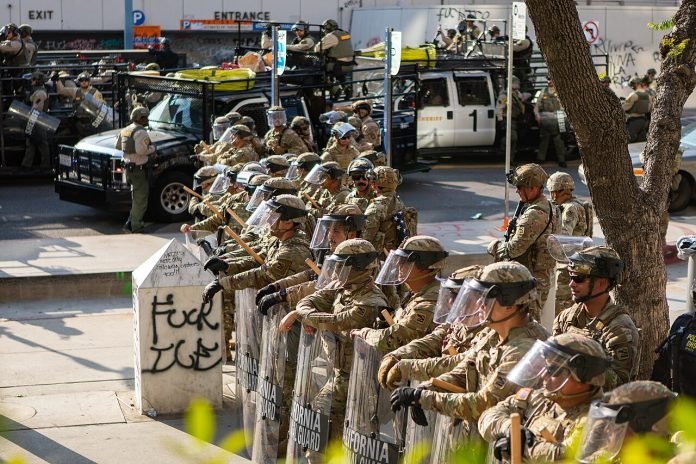
US President Trump deploys National Guard across cities