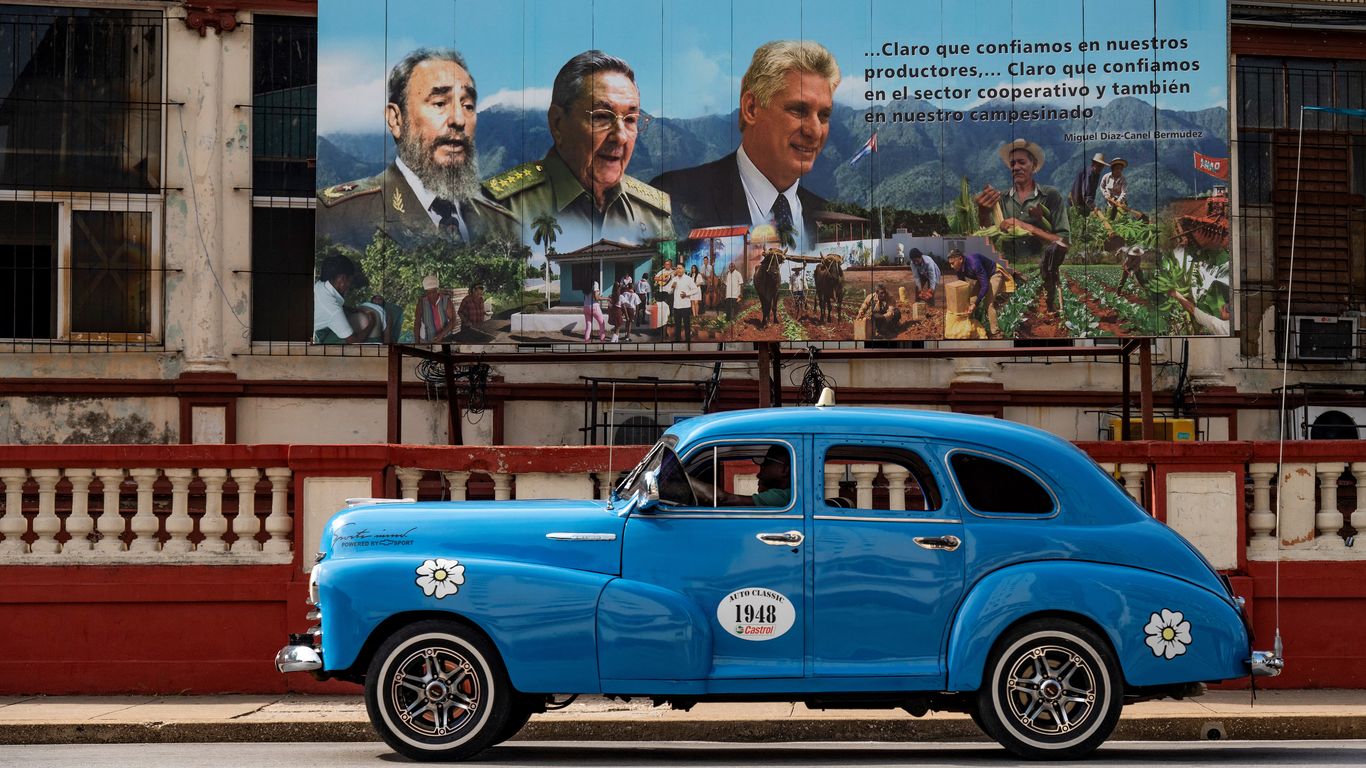
Cuba suffers nationwide blackout; Trump says it would be “an honor to take Cuba”

Jump to Timeline

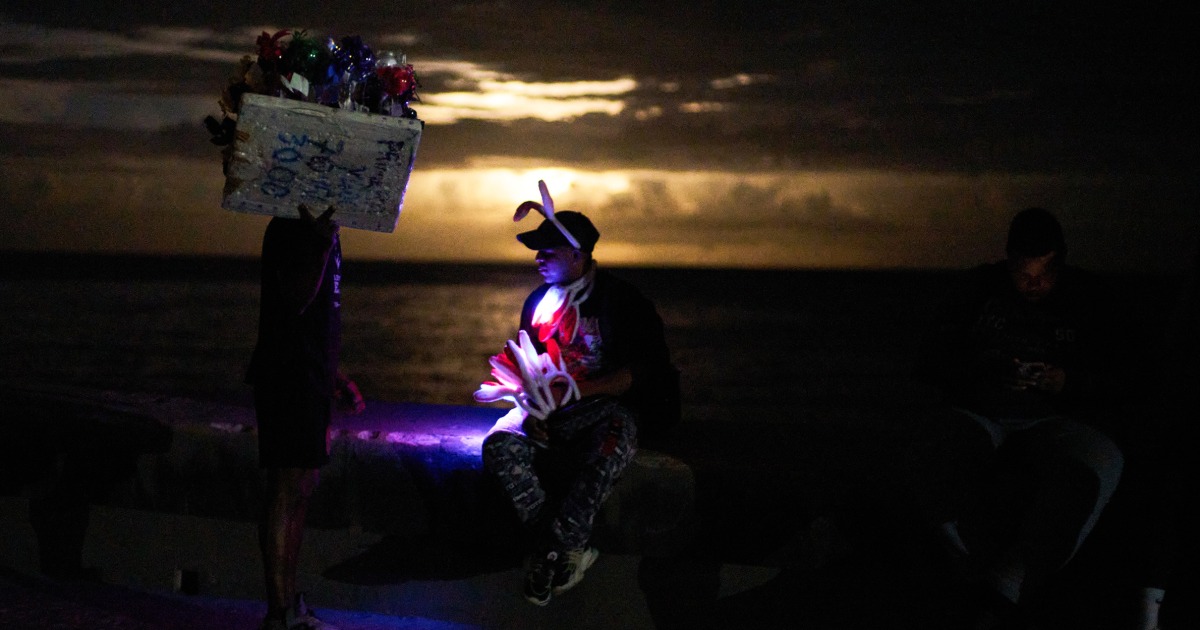
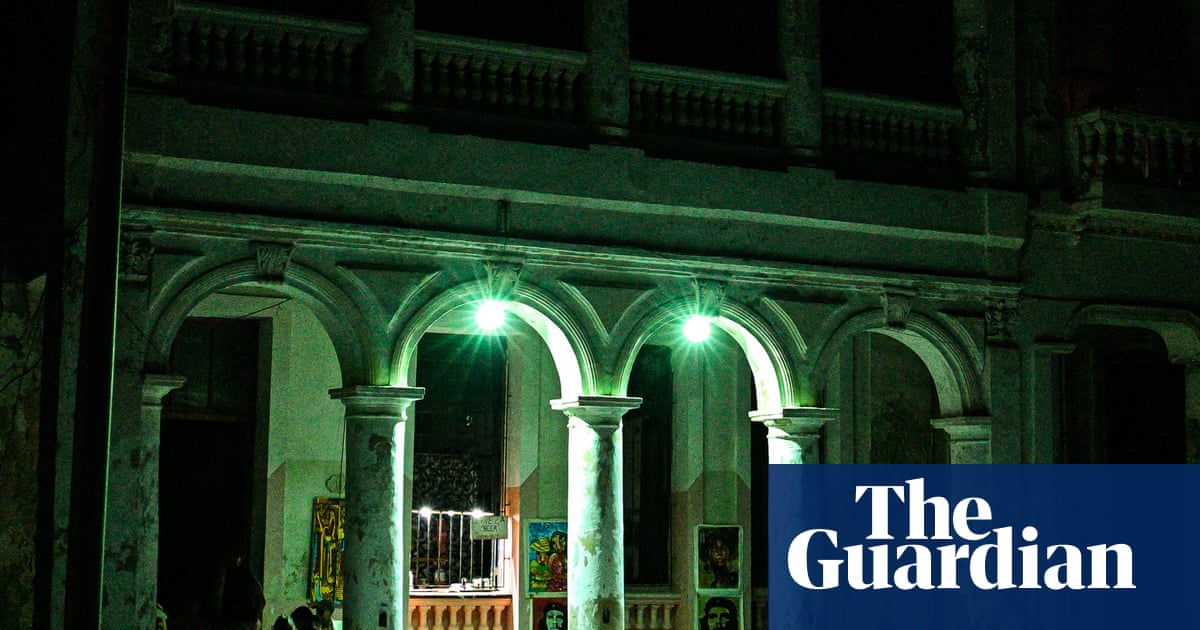
On March 16, 2026, Cuba suffered a total disconnection of its electrical system, plunging all 10 million inhabitants into darkness.

The grid operator, Unión Eléctrica (UNE), attributed the failure to a “complete shutdown” linked to the ongoing US oil blockade, which has left thermal plants “running on fumes” or entirely without fuel.

By March 17, power was partially restored to two-thirds of the country, though officials warned that generation capacity remained critically low.

What led up to this?

The blackout triggered rare violent protests over the preceding weekend. In the town of Morón, residents vandalized a local Communist Party office following a 26-hour outage. In Havana, protesters held cacerolazos (banging pots and pans) to express frustration over food and medicine shortages.

Blackouts have become part of daily life for Cubans, who have experienced outages in recent months lasting beyond 20 hours a day in some regions. These outages are caused by daily service interruptions due to the obsolete Soviet‑era thermoelectric plants.

The backbone of Cuba’s energy system consists of eight major thermoelectric plants. Most are over 40 years old, far exceeding their intended design life.

As the island’s largest and most critical plant, the Antonio Guiteras Thermal Power Plant is a frequent single point of failure. Its unexpected shutdowns, often due to boiler leaks or pipe failures, frequently trigger cascading collapses of the entire national grid.

Long-term underinvestment and difficulty procuring specialized components due to the US embargo have forced engineers to rely on “improvisational engineering”. 

Trump’s “Takeover” Comments

Earlier in late February and early March, Trump floated the idea of a “friendly takeover,” suggesting that the Cuban government is “in a big deal of trouble” and is currently negotiating with Secretary of State Marco Rubio.

Trump linked the crisis directly to his administration’s success in cutting off Venezuelan oil exports and threatening third-party suppliers with tariffs, stating that Cuba “sees the end” and wants to make a deal. 

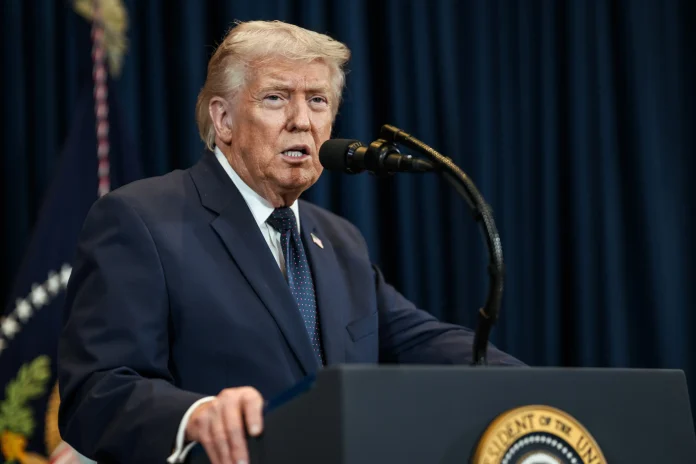
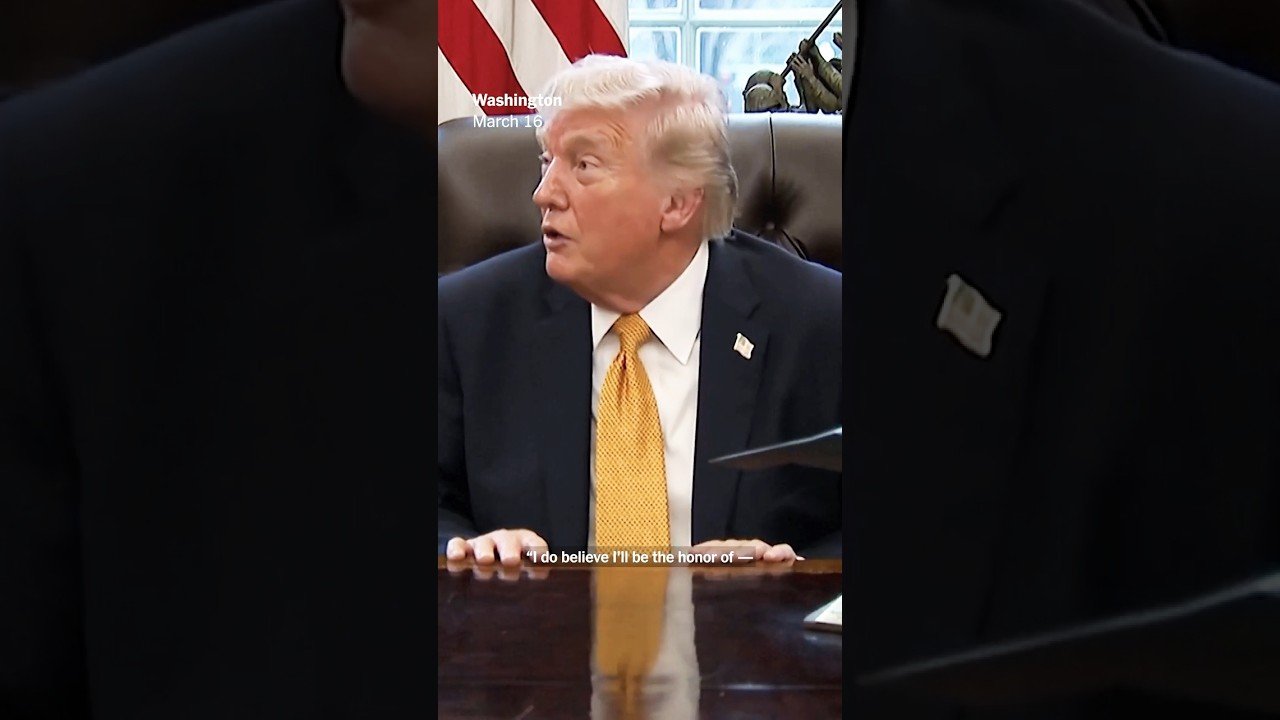
On March 17, President Trump made a series of high-profile remarks suggesting the US might soon control the island.

Speaking to reporters at the White House, Trump stated, “I do believe I’ll be having the honor of taking Cuba.” He described Cuba as a “very weakened nation” and claimed, “I could do anything I want with it.”
youtube placeholder image

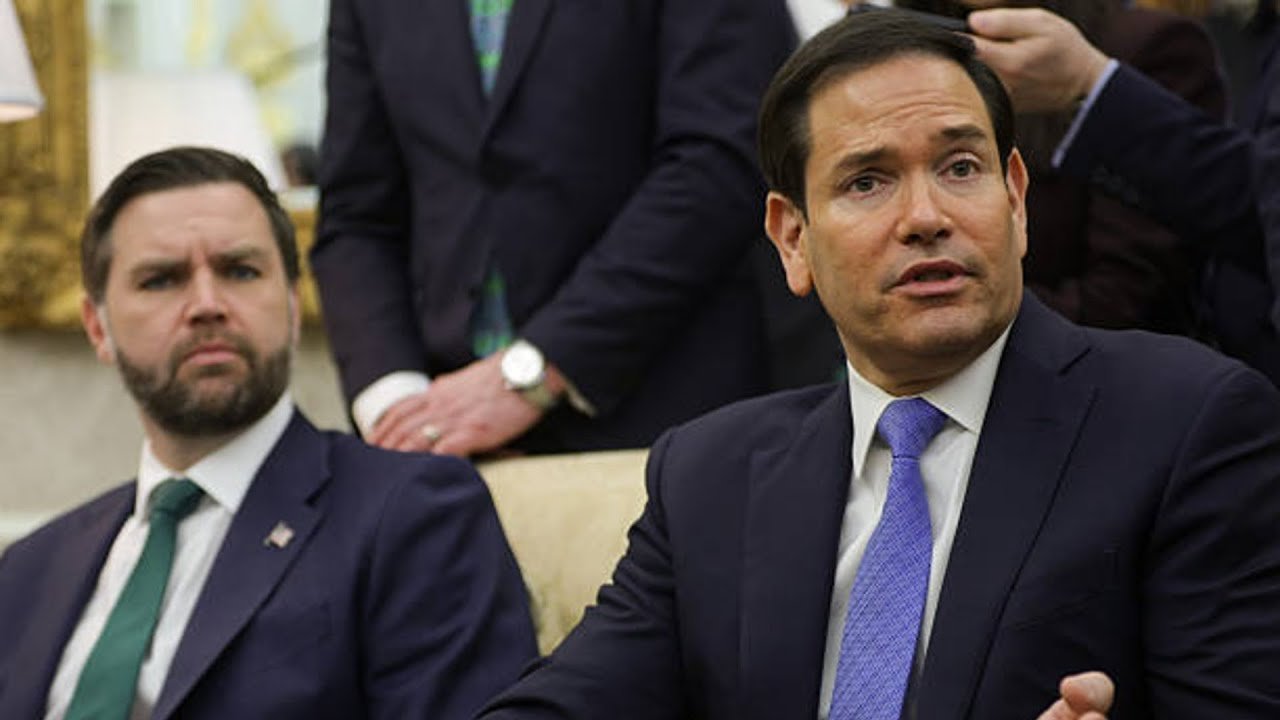
US Secretary of State Rubio stated that Cuba “has to get new people in charge” and that the current leadership is incapable of fixing the island’s problems.

Rubio, a son of Cuban exiles, has repeatedly argued that the island’s economic and political system simply does not work and has never worked anywhere in the world.

He dismissed the Cuban government’s recent announcements of economic reforms, including allowing some private investment, as “not dramatic enough”.

Rubio has echoed President Trump’s “make a deal” strategy, framing the energy crisis as a result of “socialist incompetence” rather than US policy, despite the clear impact of the oil blockade. 

He has clarified that the goal of the current pressure campaign is the complete removal of the communist leadership to ensure the region is no longer a “safe haven” for hostile actors like Russia or China.
youtube placeholder image

Despite the aggressive rhetoric, both US and Cuban officials have confirmed that “serious and sensitive” talks are underway. These discussions reportedly involve potential sanctions relief in exchange for significant economic or political reforms, though neither side has finalized an agreement.

Read also:
U.S declares national emergency and imposes tariffs on oil suppliers to Cuba
2026 Shield of the Americas Summit: A pivot to ‘Hard Power’
Key widely reported facts from verified sources including NYTimes, The Washington Post, APNews, The Guardian, Reuters, DW.com, WSJ, PBS, Al Jazeera, Financial Times, France 24, Bloomberg

Trump sets ultimatum on reopening Strait and claims ongoing negotiations

Trump later announced a five-day moratorium on the planned strikes to allow time for ongoing negotiations.
Read more

Israel hits South Pars gas field; Iran attacks Qatar, UAE energy facilities

Israeli airstrikes on Iran’s South Pars gas field and others triggered retaliatory Iranian attacks that severely disrupted regional energy infrastructure.
Read more

NATO rules out sending warships to Strait; Iran denies ceasefire request

NATO and several key member nations have currently ruled out a collective military mission to the Strait of Hormuz.
Read more

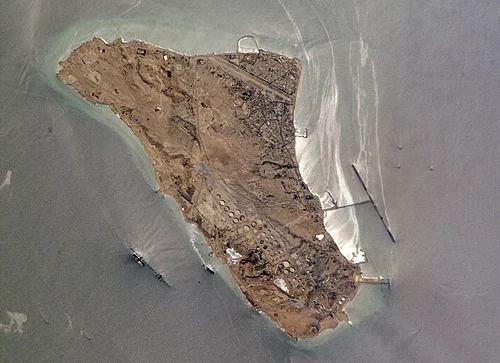
US bombs Kharg Island; threatens to target oil infrastructure if Strait is blocked

President Trump said the strike "totally obliterated every military target" on the island but intentionally spared its critical oil infrastructure.
Read more

Axios: Trump claims Iran nearing surrender in G7 call; Pezeshkian proposes war off-ramp

Just 24 hours after Trump's claim, Mojtaba Khamenei, vowed to continue fighting and maintain the blockade of the Strait of Hormuz.
Read more

IEA to release record oil reserves amid Iran’s $200-per-barrel threats

The IEA and the US are releasing supplies from their reserves as Iran vows to ensure not "even a single litre of oil" to pass through the Strait.
Read more

Strait of Hormuz ‘effective closure’ triggers global energy shock

The withdrawal of major shipping companies and a tenfold surge in war-risk insurance premiums have created a de facto closure for the Strait of Hormuz.
Read more

US declares national emergency and imposes tariffs on oil suppliers to Cuba

The US declared a national emergency over Cuba, citing the Cuban government’s alignment with hostile states and threat to US interests.
Read more
Timeline

Jul 1, 2024: The Center for Strategic and International Studies (CSIS) published a foundational report using satellite imagery to identify four suspected signals intelligence (SIGINT) sites in Cuba (Bejucal, Wajay, Calabazar, and El Salao).

Jun 12–17, 2024: A Russian naval fleet, including the nuclear-powered submarine Kazan and the frigate Admiral Gorshkov, conducted a highly publicized visit to Havana. The U.S. shadowed these vessels, viewing the deployment of advanced stealth assets so close to the coast as a direct provocation.

Oct 2024: Cuba’s energy infrastructure was already failing, with the entire national power grid collapsing multiple times.

The Cuban government ran out of hard currency to buy fuel on the open market, making them entirely dependent on subsidized shipments from allies.

Late 2024: Mexico (under then-President AMLO and later Claudia Sheinbaum) became Cuba’s top oil provider, shipping roughly $400 million worth of crude to the island to keep the lights on.

This partnership became the primary target for the Trump administration’s future tariff threats.

Feb 13, 2025: Admiral Alvin Holsey of U.S. Southern Command testified before the Senate Armed Services Committee, warning that Russia and China were “attacking U.S. interests from every direction” in the Caribbean.

May 6, 2025: A House Homeland Security Committee hearing titled “Beijing’s Air, Space, and Maritime Surveillance from Cuba” examined new evidence of potential military training facilities and expanded eavesdropping capabilities.

Dec 17, 2025: The U.S. enacted a formal blockade on sanctioned oil tankers traveling from Venezuela, Cuba’s primary oil supplier.

Dec 26, 2025: Intelligence reports emerged regarding the potential permanent or rotational positioning of Yasen-class submarines (like the Kazan) near Cuba to monitor U.S. naval movements following the escalating crisis in Venezuela.

Jan 3, 2026: U.S. forces ousted and captured Venezuelan President Nicolás Maduro, which severed Cuba’s main oil lifeline and led to a de facto total blockade.

Jan 11: President Trump announces there will be “no more oil or money” going to Cuba and urges the regime to “make a deal”.

Jan 29: President Donald Trump signed Executive Order 14380, declaring a national emergency and authorizing tariffs on any third-party country (such as Mexico) that supplies oil to Cuba.

Jan 30: Mexico’s President Claudia Sheinbaum warns the measures could cause a “humanitarian crisis” but halts oil supplies to seek dialogue with the U.S..

Feb 8: Mexico sends two vessels with food aid to Cuba as a substitute for oil to avoid U.S. tariffs.

Feb 9 to 10: Cuba informs international airlines it can no longer provide jet fuel. Air Canada suspends all flights to the island on Feb 10.

Feb 12: Reports emerge that Russia is preparing emergency fuel shipments to alleviate the crisis.

Feb 26: The U.S. announces a slight easing of the embargo, allowing companies to resell some Venezuelan oil for “commercial and humanitarian use” strictly within Cuba’s private sector.

Early Mar: Widespread rolling blackouts continue, with some areas experiencing 16 to 20 hours without power daily.

Mar 17: Reports indicate the Cuban government is struggling to maintain even basic services as fuel shortages reach critical levels.

Opinion & Analysis

You may also be interested in

LEAVE A REPLY

Please enter your comment!
Please enter your name here