Trump attends Supreme Court as birthright citizenship faces test

In this story
Jump to Timeline

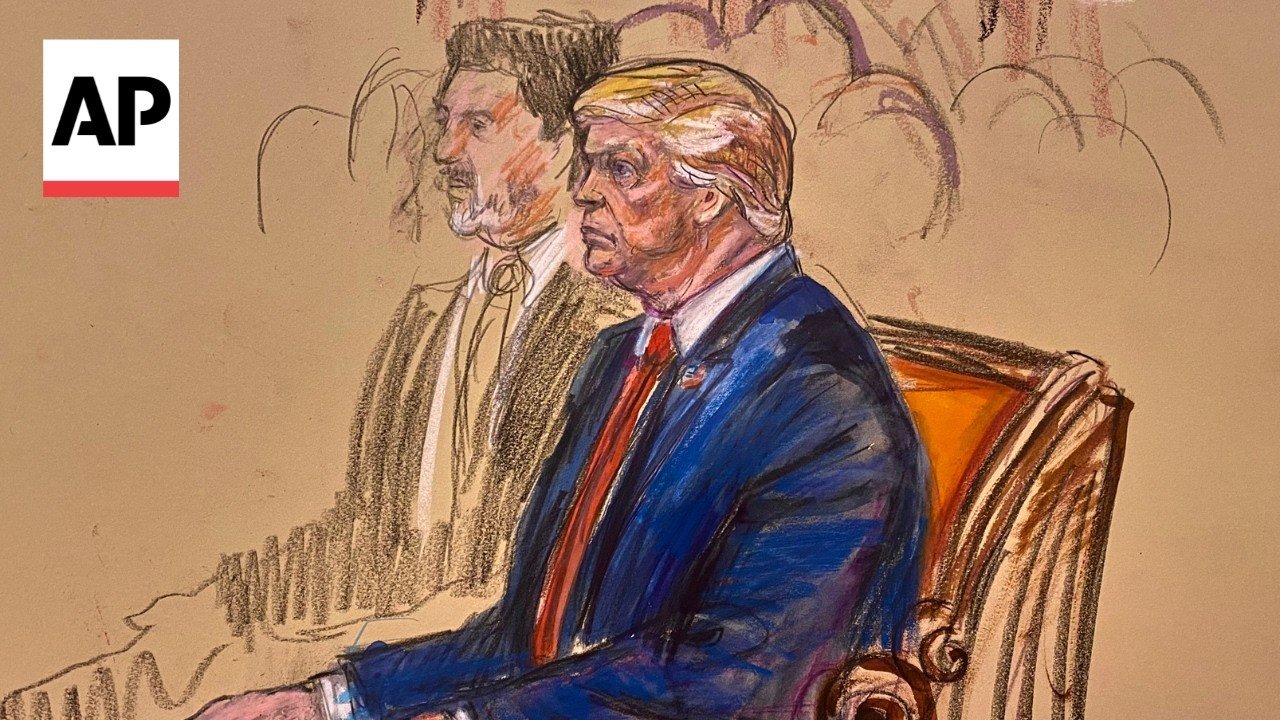
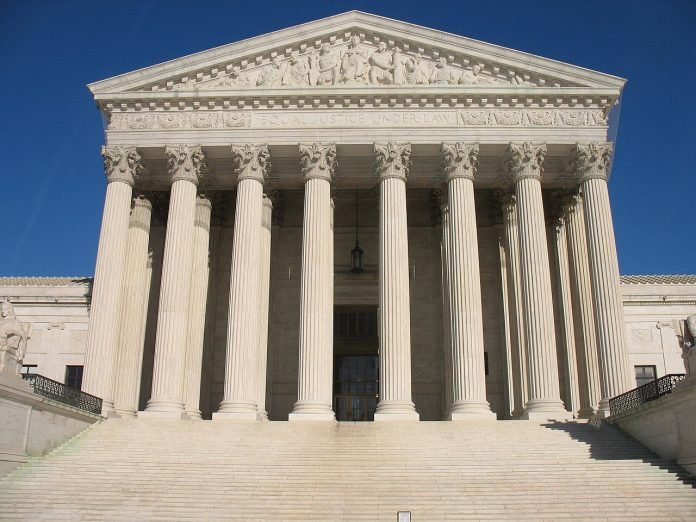
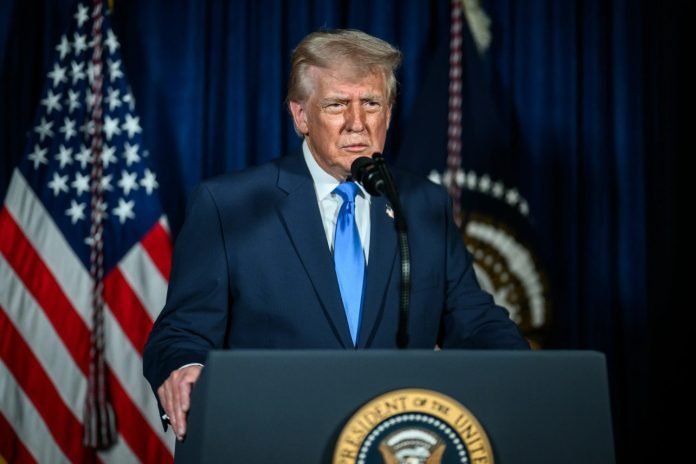
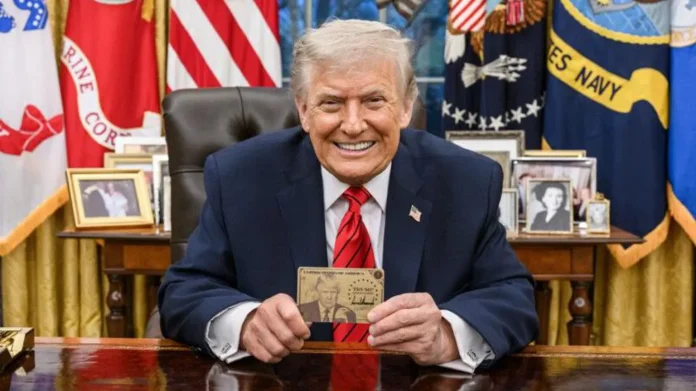
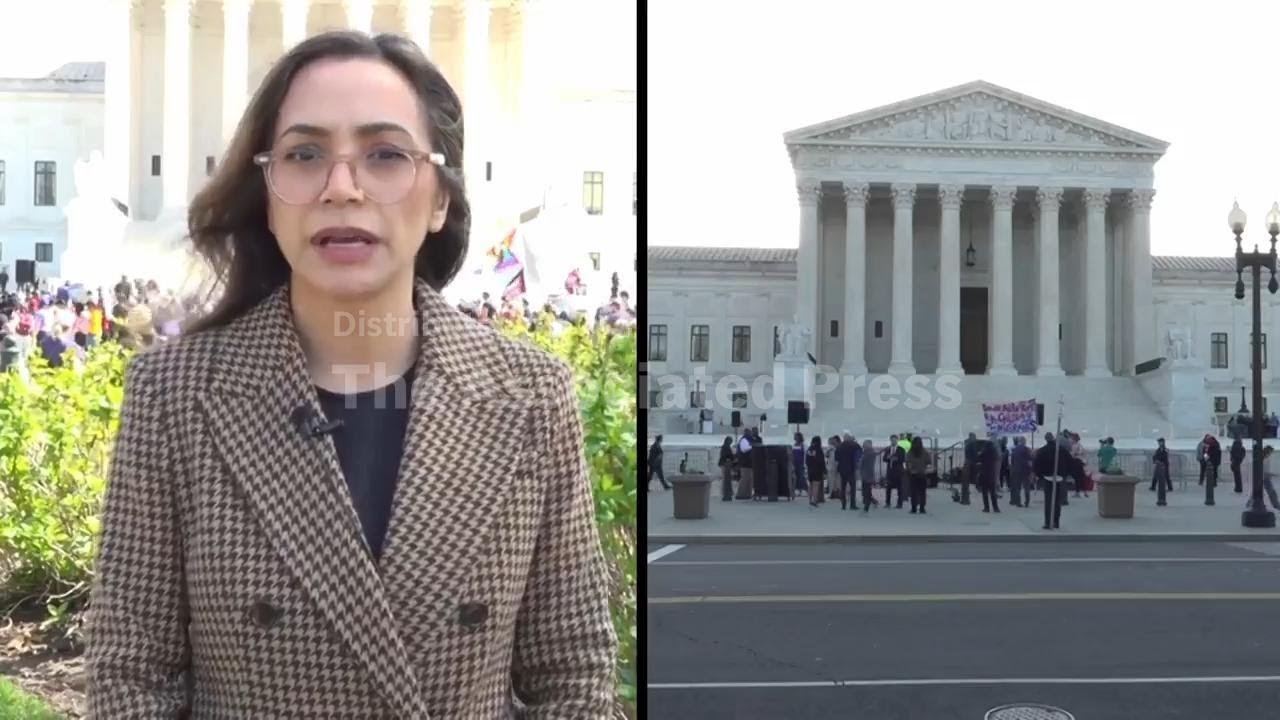
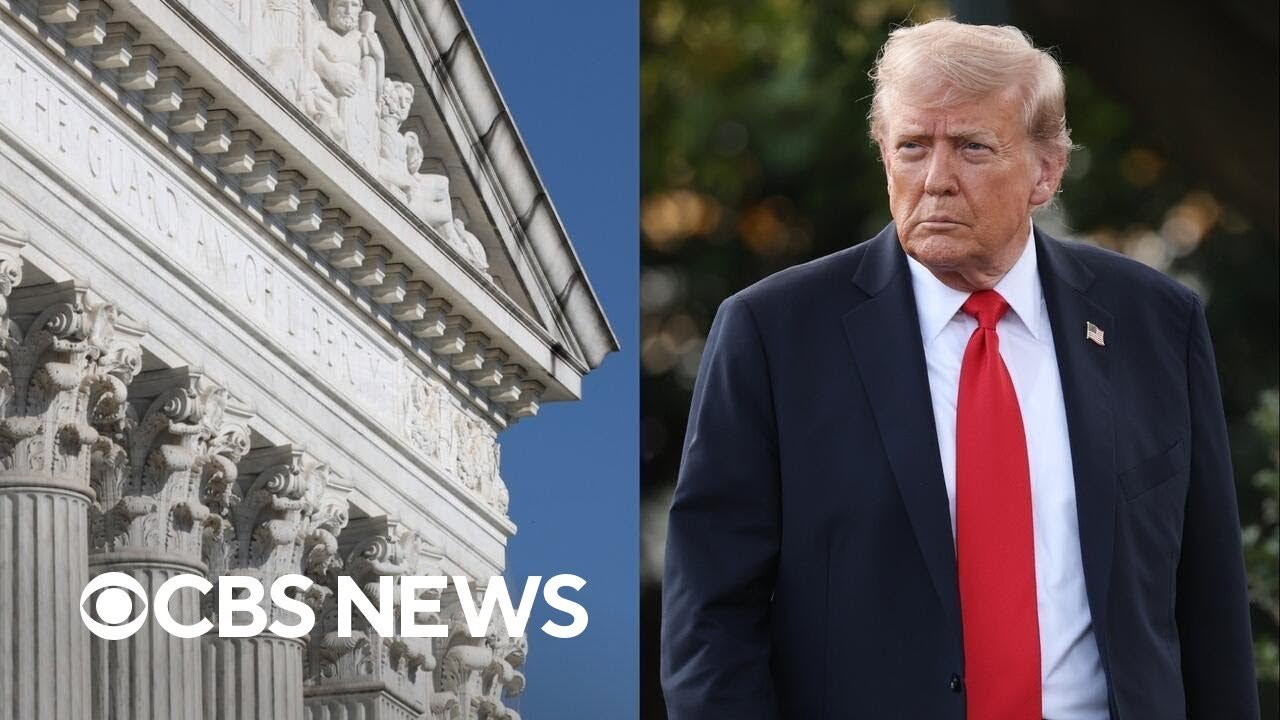
In an unprecedented moment in American history, President Donald Trump attended oral arguments at the US Supreme Court on April 1, 2026, becoming the first sitting president ever to do so. The landmark case, Trump v. Barbara, directly challenges one of the nation’s foundational constitutional principles: birthright citizenship.

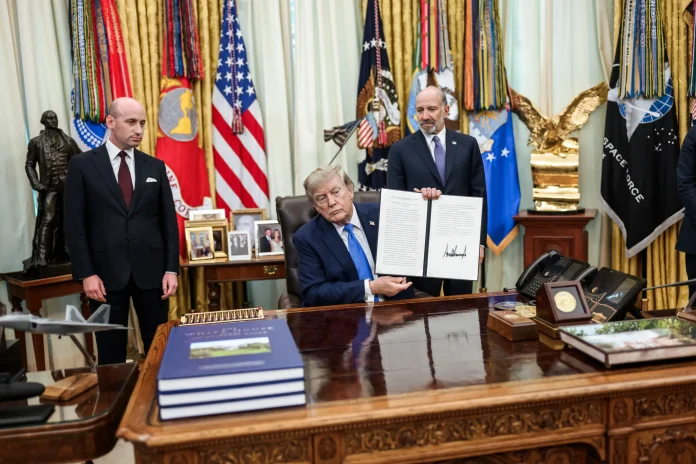
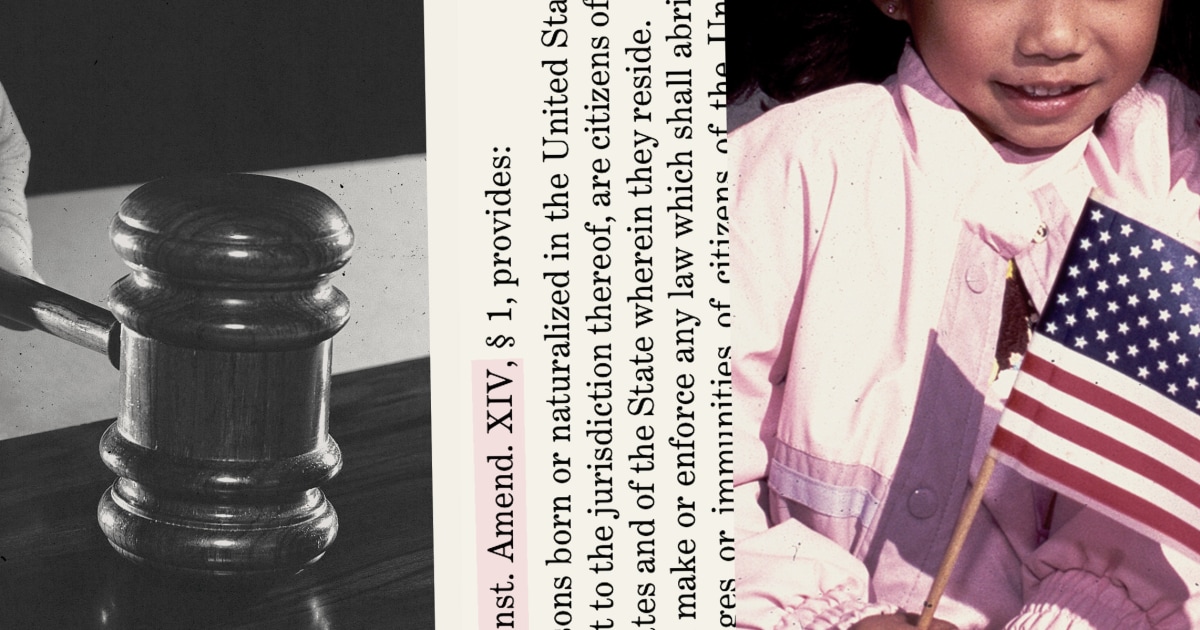
At issue is Trump’s 2025 executive order seeking to end automatic citizenship for children born in the United States to undocumented immigrants or temporary visa holders. The policy asserts that such children are not “subject to the jurisdiction” of the United States — a key phrase in the 14th Amendment’s Citizenship Clause, which for more than a century has guaranteed citizenship to nearly everyone born on American soil.

A constitutional clash over the 14th Amendment

The government’s legal team argued that the framers of the 14th Amendment, ratified in 1868, did not intend to extend citizenship rights to the children of those residing in the country unlawfully or temporarily.

That interpretation, however, runs counter to more than 125 years of precedent, most notably the Supreme Court’s 1898 ruling in United States v. Wong Kim Ark. In that case, the Court affirmed that a child born in San Francisco to Chinese immigrants — who were themselves barred from naturalization — was indeed a US citizen.

During the nearly two-hour session, several justices, including some of the Court’s conservative members, expressed skepticism about the administration’s legal reasoning.

Justice Brett Kavanaugh questioned whether the executive branch had the authority to reinterpret a constitutional amendment through an executive order rather than through legislation or constitutional amendment.

Justice Sonia Sotomayor pressed the government’s counsel on how the administration’s position would align with 14th Amendment jurisprudence dating back more than a century.

Political optics and presidential pressure

President Trump’s appearance in the courtroom drew heavy media attention and sharply divided public opinion. Critics cast it as a “strong-arming tactic” meant to sway the justices and underscore the high political stakes of the case. Supporters, meanwhile, framed it as a bold symbol of commitment to his long-promised immigration overhaul.

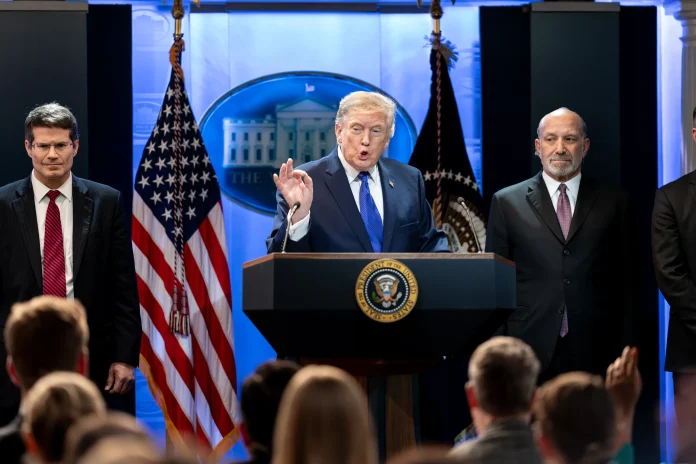
Notably, the justices did not acknowledge the president’s presence from the bench, maintaining the Court’s custom of separation from overt political theater. After leaving the courtroom, Trump took to his social media platform, Truth Social, to double down on his position, writing that the United States was “stupid” for continuing to uphold birthright citizenship, which he claims encourages illegal immigration and “chain migration.”

What comes next

The Court’s decision — expected by early summer — could reshape the constitutional understanding of citizenship in the United States and have sweeping implications for immigration policy and civil rights. A ruling in favor of the administration would mark a radical departure from more than a century of legal precedent, potentially affecting millions of US-born residents.

Conversely, a decision reaffirming the 14th Amendment’s broad guarantee would represent a resounding rebuke of executive attempts to narrow the definition of who qualifies as an American by birth.

As the nation awaits the Court’s ruling, the case stands not only as a major test of immigration law but also as a reflection of deep political and constitutional divides — with the president himself at the center of both.
youtube placeholder image

Key widely reported facts from verified sources including NYTimes, BBC, Reuters, The Washington Post, NPR, PBS, CNBC, Al Jazeera, Axios, Los Angeles Times

Trump signs new executive orders targeting birthright citizenship and birth tourism

The orders come just over one month after the Supreme Court's June 30 ruling in Trump v. Barbara struck down his broader initial directive.
Read more

Supreme Court rejects Trump bid to end birthright citizenship, preserves longstanding constitutional rule

The Trump administration is already signaling that it will keep pressing the issue through enforcement and legislation to curb birth tourism.
Read more

Supreme Court expands presidential firing power, reshaping independent agencies

The US Supreme Court sharply expanded presidential control over independent federal agencies in its ruling on Trump v Slaughter.
Read more

Supreme Court rules Trump tariffs illegal, halting $1.4trillion in duties

The Supreme Court's ruling has profound constitutional, fiscal and operational implications beyond the cessation of certain duties.
Read more

US federal agents’ shooting of Alex Pretti

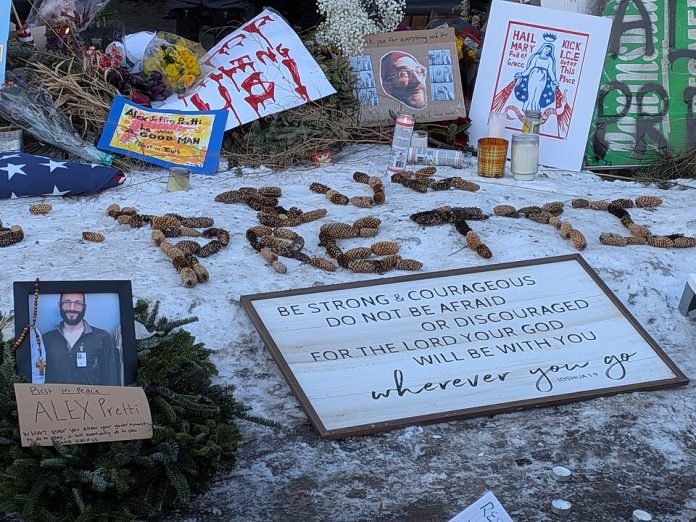
On Jan 24, 2026, ICU nurse Alex Jeffrey Pretti was fatally shot by federal agents in Minneapolis during a confrontation regarding immigration enforcement.
Read more

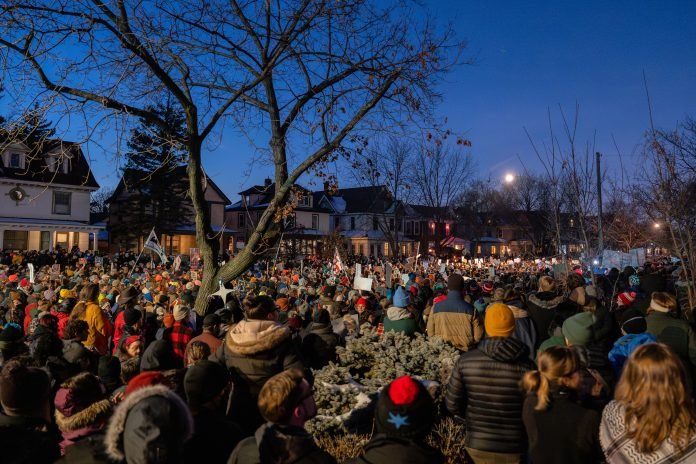
“ICE Out For Good” protests sweep US after two federal immigration agent shootings

In Jan 2026, two shootings involving federal immigration agents in the United States sparked a wave of nationwide "ICE Out For Good" protests.
Read more

Mali, Burkina Faso issues reciprocal US travel ban

The underlying story is the Sahel’s shift away from a Western-led order and toward Russia, China and other non-Western partners.
Read more

Trump doubles travel ban to 39 countries following DC shooting

Immigrant rights groups have filed lawsuits challenging these bans, citing discrimination and lack of legal basis.
Read more

Trump imposes $100k fee for H-1B visa petitions in major overhaul of skilled worker program

On Sep 19, 2025, President Donald Trump introduced a $100,000 fee for new H-1B visa petitions.
Read more

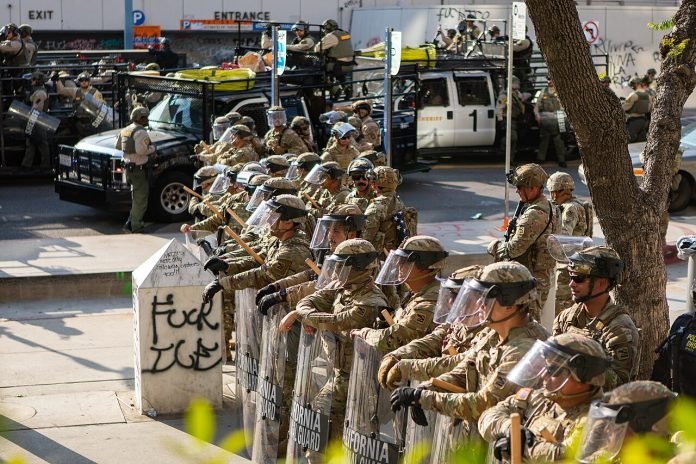
US President Trump deploys National Guard across cities

In 2025, US President Trump initiated a series of National Guard deployments to various US cities, framing the missions as responses to crime, homelessness, illegal immigration, and civil unrest.
Read more
Timeline

1857: In Dred Scott v. Sandford, the Supreme Court ruled African Americans, free or enslaved, could not be U.S. citizens, denying birthright to millions born on U.S. soil. This decision fueled Civil War-era reforms.

1866: Congress passed the first statutory birthright citizenship, declaring “all persons born in the United States… of every race and color… shall be deemed citizens.”

1868: The 14th Amendment’s ratification in 1868 included its Citizenship Clause (“All persons born or naturalized in the United States, and subject to the jurisdiction thereof, are citizens”), which overturned Dred Scott, codified birthright citizenship for freed slaves’ children, and broadly extended it to those born on U.S. soil (excluding diplomats’ children).

1872: The Supreme Court affirmed in the Slaughter-House Cases that the clause excludes only foreign officials’ children and certain tribal members owing allegiance elsewhere.

1884: In Elk v. Wilkins (1884), the Supreme Court ruled Native Americans born on reservations were not U.S. citizens because they owed primary allegiance to their tribes—a limitation later corrected by the 1924 Indian Citizenship Act.

1898: The United States v. Wong Kim Ark landmark 6-2 ruling affirmed citizenship for a child born in San Francisco to Chinese non-citizen parents (legal residents). Justice Gray upheld broad jus soli, rejecting limits on non-citizen parents’ children.

1924: The Indian Citizenship Act extended birthright to Native Americans born in the U.S.

1934: The Equal Nationality Act allowed mothers to pass citizenship to children born abroad, closing gender gaps (retroactive claims settled in 1989).

Jan 20, 2025: President Trump signs Executive Order 14160, “Protecting the Meaning and Value of American Citizenship,” aiming to end birthright citizenship for children of undocumented immigrants or temporary visa holders, effective February 19, 2025 (unless enjoined).

Jun 27, 2025: Class-action lawsuit Barbara v. Trump filed by immigrant rights groups challenging the order’s constitutionality under the 14th Amendment.

Sep 26-29, 2025: Trump administration petitions Supreme Court for certiorari before judgment, bypassing lower appeals; docketed as No. 25-365.

Dec 5, 2025: Supreme Court grants certiorari and schedules oral arguments.

Feb 19, 2026: ACLU and co-counsel file merits brief.

Apr 1: Oral arguments held; President Trump attends in person — a historic first for a sitting president — as justices express skepticism toward the government’s position.

Opinion & Analysis

You may also be interested in

LEAVE A REPLY

Please enter your comment!
Please enter your name here