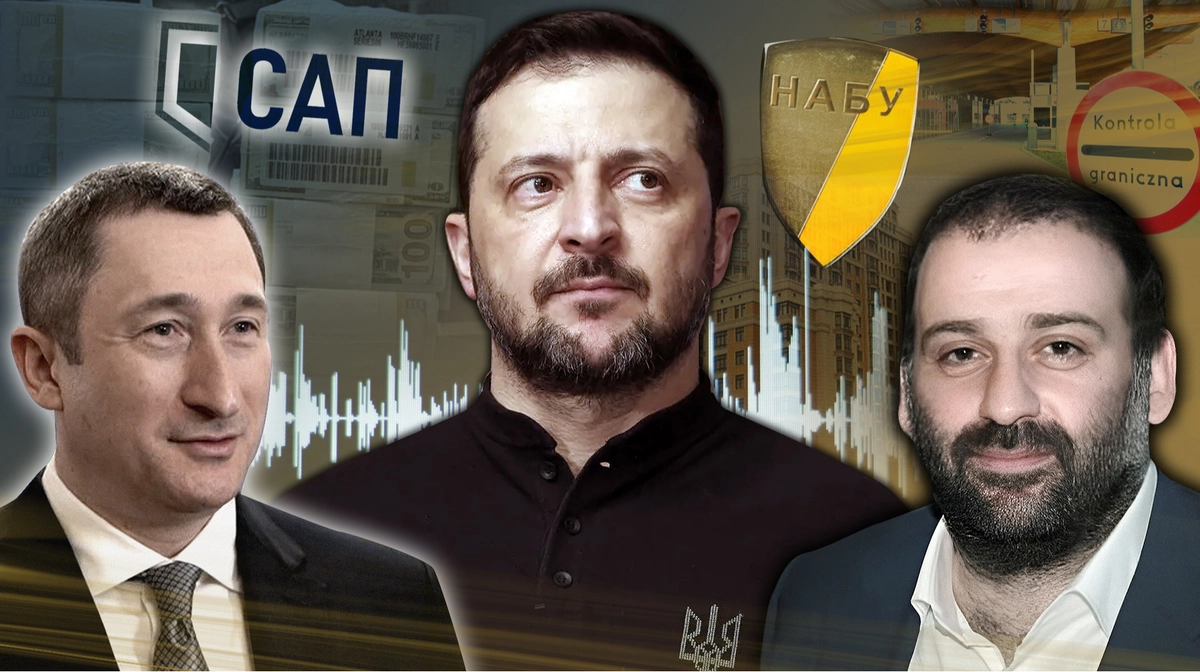
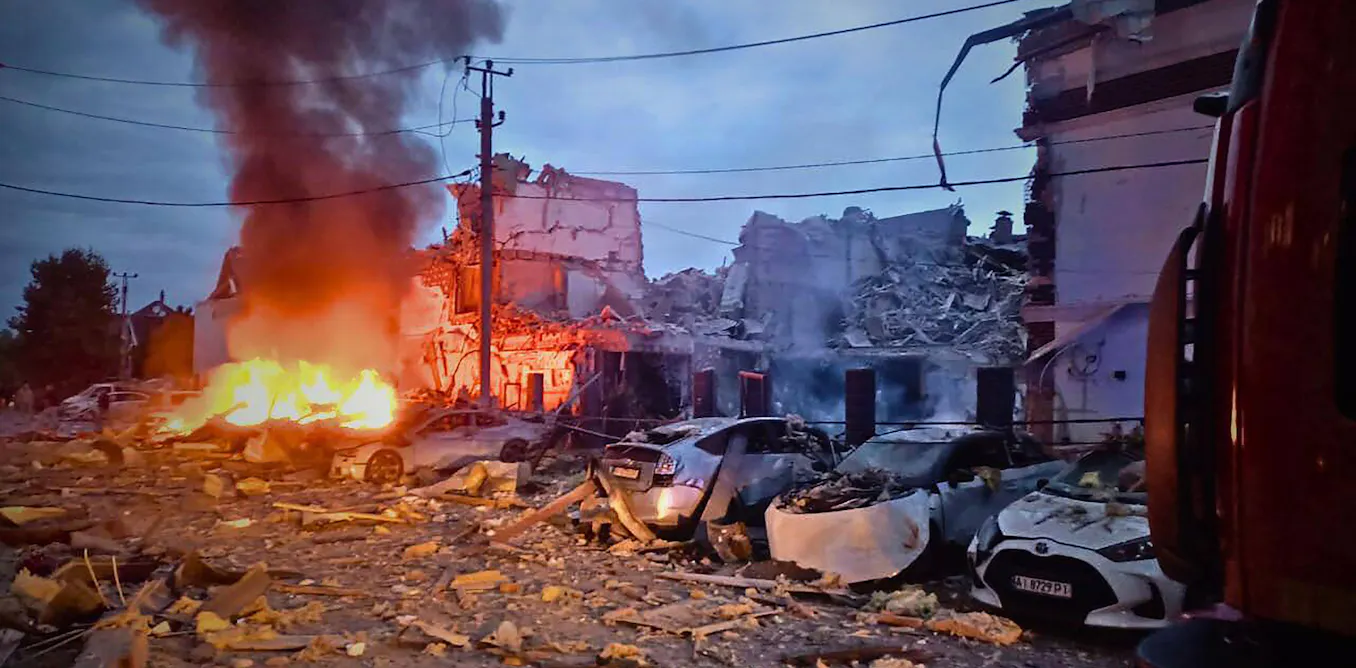
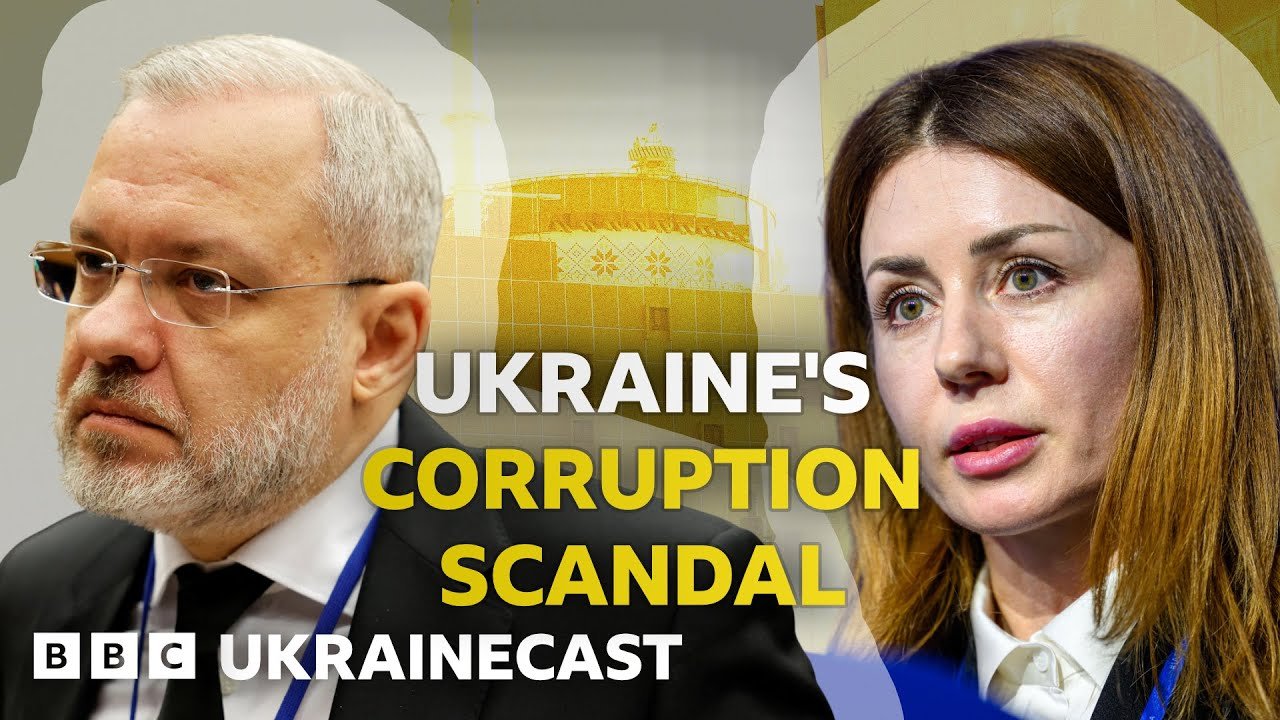
Ukraine’s National Anti-Corruption Bureau (NABU) revealed on November 10, 2025 a major bribery network centered on Energoatom, the state nuclear agency managing three plants that produce over half of the nation’s power. It is the country’s biggest graft scandal since Russia’s full-scale invasion in 2022.
The allegations have reached into President Volodymyr Zelenskyy’s political and personal orbit, reviving scrutiny of corruption in a country that has wrestled with the problem since independence in 1991.
According to investigators, contractors doing business with Energoatom were pressured to pay kickbacks of 10% to 15%. Companies that refused were allegedly denied payments or blocked from approved status, allowing the scheme to generate about $100 million.
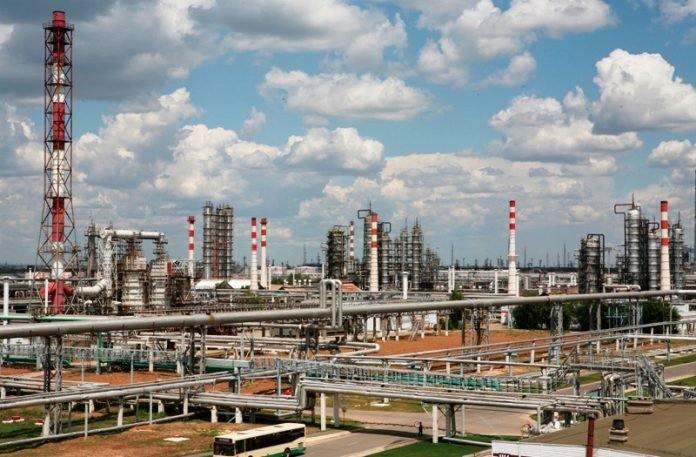
Energoatom operates three nuclear plants that produce more than half of Ukraine’s electricity, making the alleged corruption especially sensitive. A spokesperson for the company said the case did not affect its assets, finances, production plans or the safe operation of its plants.
Who is implicated
Timur Mindich, a longtime friend and business associate of Zelenskyy, is alleged to have led the operation. He is a businessman who co-founded the entertainment company Kvartal 95 with Zelenskyy, with the two even owning apartments in the same building.
The corruption probe was named “Operation Midas” after a gold toilet found at Mindich’s apartment along with €200 note bags. Chernyshov reportedly used funds for luxury mansions near Kyiv.
Other figures named in connection with the probe include former Deputy Prime Minister Oleksiy Chernyshov, former Justice Minister Herman Halushchenko and Energy Minister Svitlana Hrynchuk.
The investigation has also widened politically after Zelenskyy’s chief of staff and closest ally, Andriy Yermak, resigned on November 28, 2025, following searches of his apartment by anti-corruption agencies.
Zelenskyy’s response
Zelenskyy condemned the allegations, called for a full investigation and moved to sanction Mindich, including revoking his citizenship. He said wartime leaders must keep their distance from anyone suspected of corruption, stressing that public money should go to the front lines rather than private enrichment.
The government also said it plans to appoint a new supervisory board at Energoatom by the end of the year.
Wider political fallout
The scandal lands at a moment of heightened sensitivity over corruption in Ukraine. Zelenskyy won the presidency in 2019 on an anti-graft platform, and his reputation was strengthened by his early image as an outsider unafraid to challenge entrenched elites.
The new case also follows earlier wartime procurement scandals, including a January 2024 case in which Ukrainian officials said employees from arms supplier Lviv Arsenal and Ministry of Defence officials had embezzled nearly $40million meant to buy mortar shells.
In July 2025, Zelenskyy tried to curb the independence of Ukraine’s anti-corruption agencies, then reversed course after mass protests, the largest since Russia’s 2022 invasion.
What it means
For Kyiv, the scandal is both a governance test and a wartime credibility problem. Ukraine’s anti-corruption institutions have become central to its reform story, especially as the country seeks continued Western support.
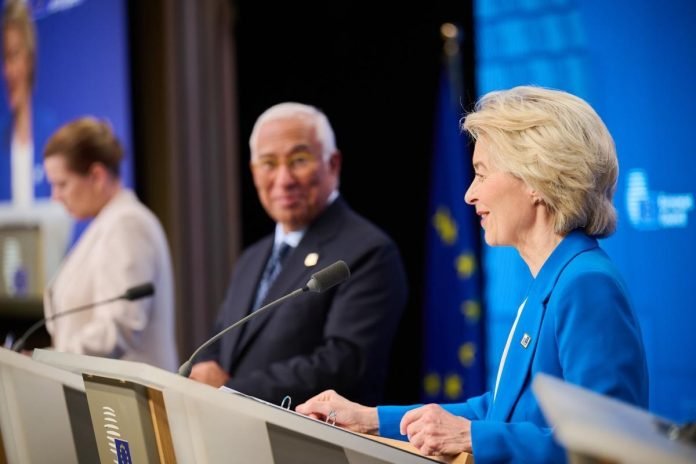
EU foreign policy chief Kaja Kallas said there is “no room for corruption,” particularly when the money is needed for the front lines.
There is no room for corruption, especially now. It is literally the people’s money that should go to the front lines.
European Union foreign policy chief Kaja Kallas
Read more:
Trump proposes Ukraine Peace Plan
India-Russia Annual Summit 2025