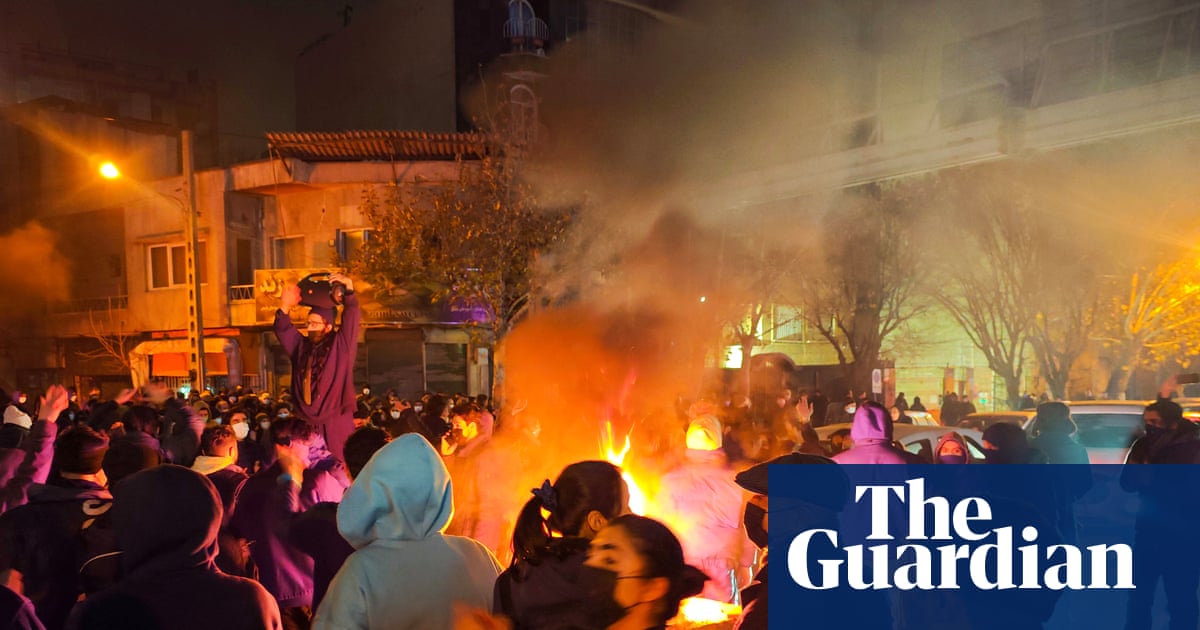
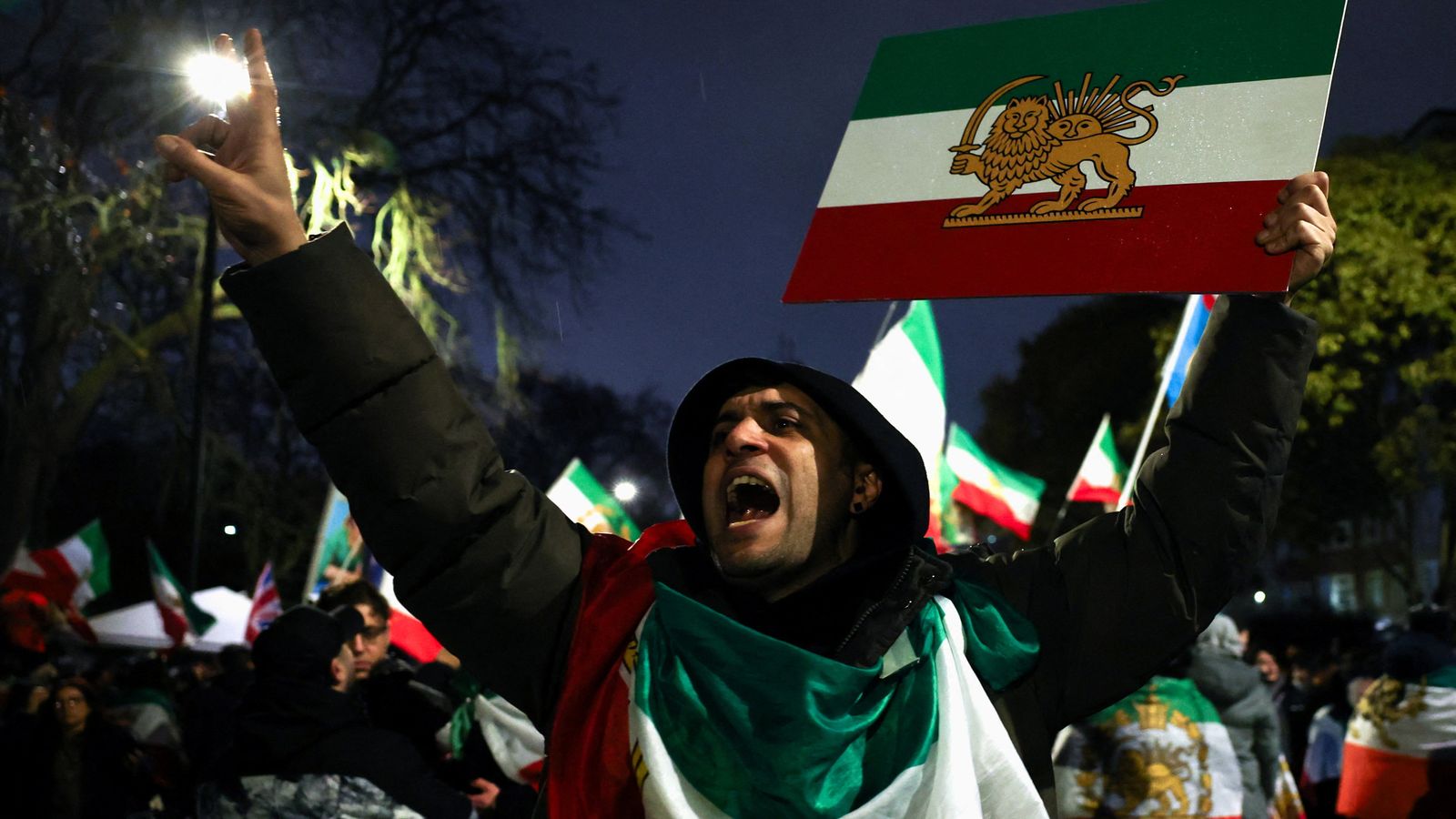
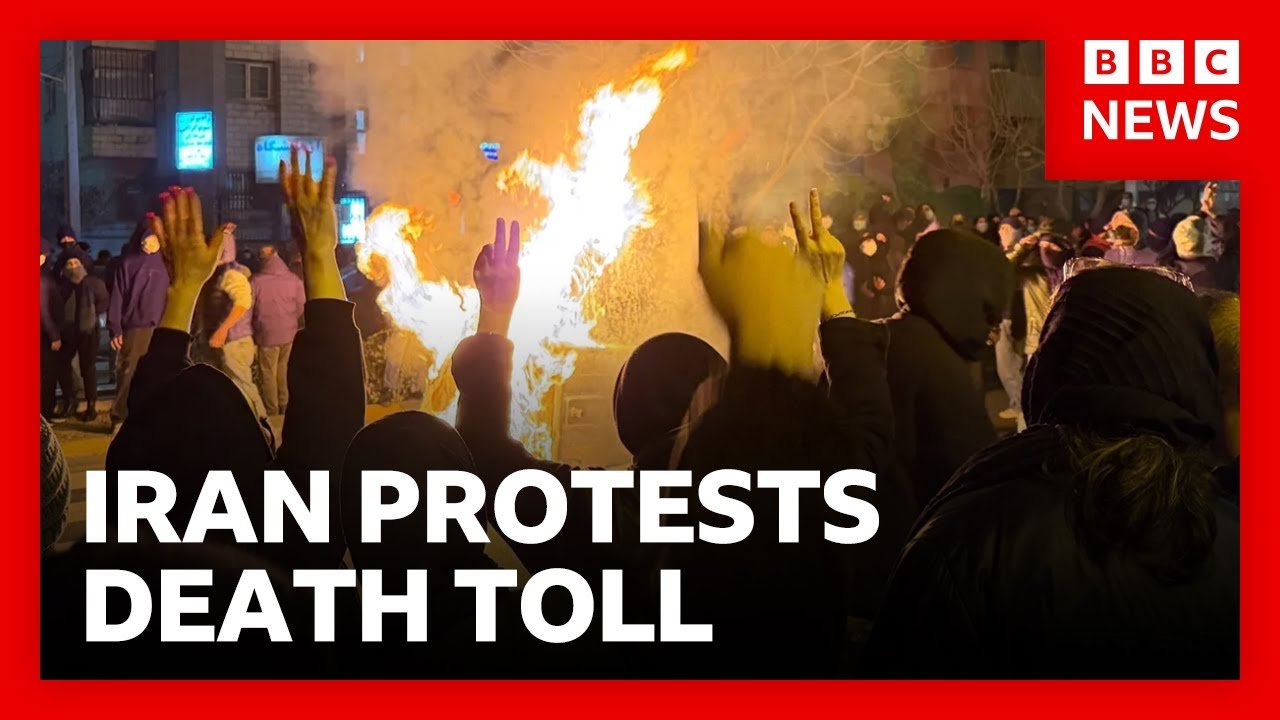
Iran’s response to the nationwide protests that erupted in late December 2025 has been widely described by rights groups and observers as exceptionally severe, with security forces deploying live ammunition, tear gas, and heavily militarized units against demonstrators.
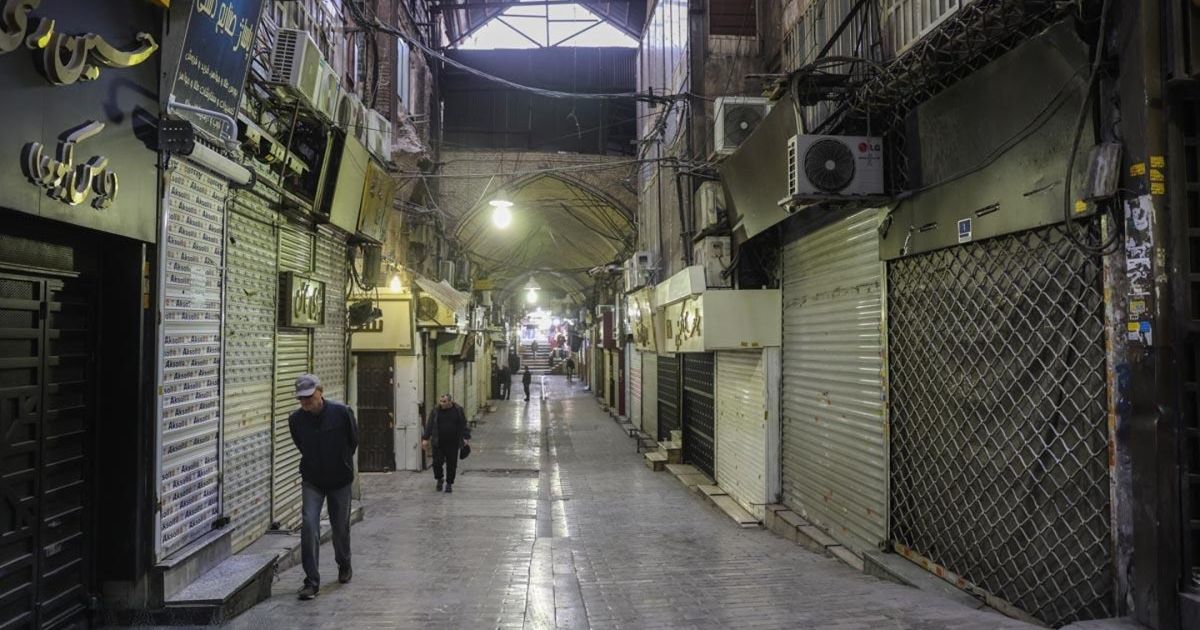
Protests began on 28 December 2025 in Tehran, initially driven by anger over economic collapse and soaring inflation. What started as localized strikes, particularly among shopkeepers in the Grand Bazaar, quickly escalated into a nationwide uprising. Within 24 hours, demonstrations had spread to at least 46 cities, with protesters openly calling for the end of the Islamic Republic.
A violent crackdown
The state’s response was swift and forceful. Security forces moved to suppress the unrest using live fire, tear gas, and coordinated deployments of elite units. Human rights organizations have characterized the crackdown as unprecedented in scale and intensity.
Casualty figures remain highly contested. Independent monitors, including Amnesty International, report death tolls ranging from several thousand to over 30,000, while Iranian authorities acknowledge just over 3,000 deaths, often attributing them to “terrorist” activity. Alongside the violence, authorities imposed a near-total internet and telecommunications blackout beginning on 8 January 2026, limiting visibility into events on the ground.
The Tehran massacre
The most intense phase of the crackdown occurred on 8 to 9 January 2026, in what has become known as the “Tehran massacre.” Security forces, including the Islamic Revolutionary Guard Corps (IRGC) and Basij militias, reportedly used snipers, rooftop positions, and crowd-control tactics designed to maximize casualties.
Estimates for those two days alone range from 12,000 to over 30,000 deaths nationwide. Verified counts remain lower but still significant; as of late February, over 7,000 deaths had been documented, including hundreds of minors, with thousands more cases under review.
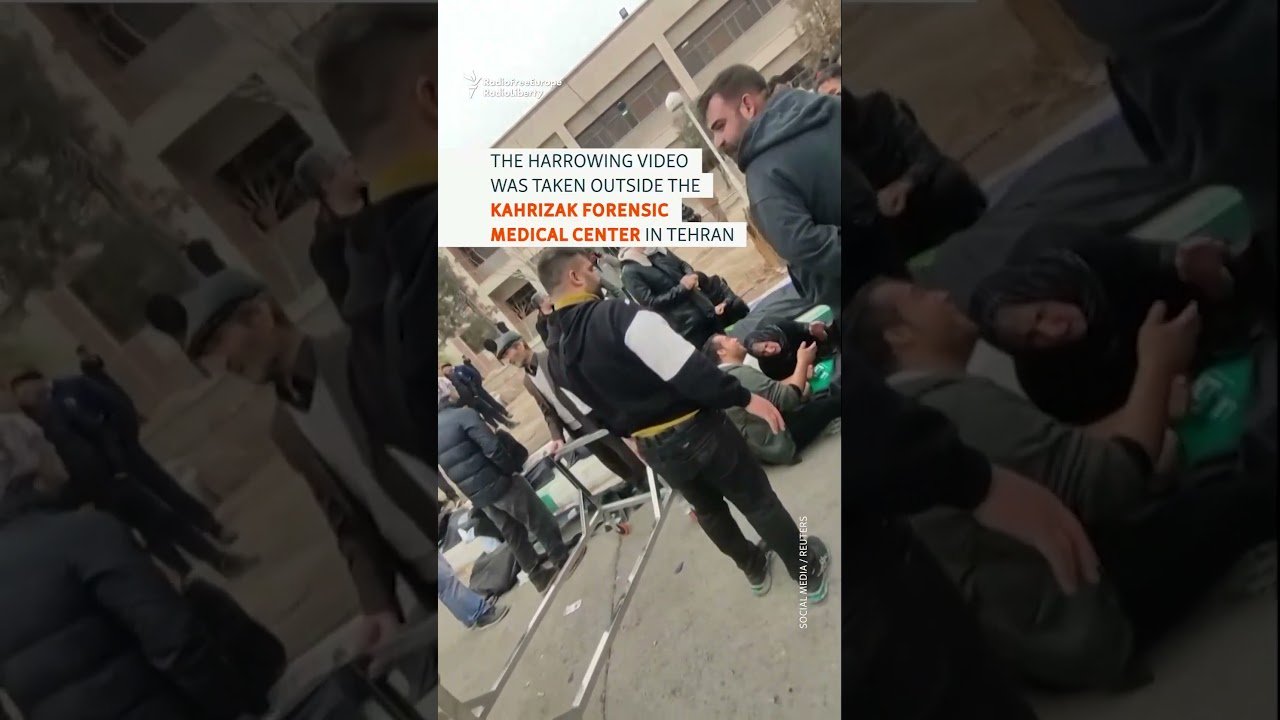
Reports from Tehran describe scenes of extreme violence. At the Kahrizak Forensic Center, morgues were overwhelmed, with hundreds of bodies stored in overflow areas. In neighborhoods such as Tehranpars and Sadeghiyeh, footage showed security forces firing on fleeing crowds. Hospitals, including Labbafinejad and Sina, were described as resembling war zones, with reports that security personnel entered wards to detain or even kill wounded protesters.
Repression expands
The crackdown extended well beyond the initial protests. More than 50,000 people have reportedly been detained, with widespread accounts of nightly raids, enforced disappearances, and the arrest of minors. Human rights groups have documented allegations of torture and systemic abuse in detention.
The judiciary adopted a hardline stance, explicitly calling for “no leniency.” Fast-tracked trials in special Revolutionary Courts have resulted in death sentences and executions, which critics say follow fundamentally unfair proceedings. Violence also extended to the healthcare system, with the World Health Organization reporting attacks on medical facilities and ambulances, as well as the targeting of injured protesters seeking treatment.
Despite the scale of the crackdown, protests have not fully subsided. A second wave of student-led demonstrations reportedly emerged on 21 February 2026, underscoring the persistence of unrest even amid intensifying repression.
Aftermath and global response
In the weeks following the crackdown, reports emerged that authorities demanded payments from families to recover the bodies of victims and required them to sign statements framing the নিহত as pro-government. International concern escalated rapidly.
In late January 2026, the UN Human Rights Council convened a special session, condemning the violence and launching an expanded investigation into potential crimes against humanity, including the events of 8 to 9 January. Iran rejected the resolution, dismissing it as politically motivated.
Western governments responded with escalating pressure. The European Union moved to designate the IRGC as a terrorist organization and imposed sanctions targeting Iran’s judiciary and energy sectors. The United Kingdom designated ten individuals, including the Minister of the Interior and police chiefs, under its sanctions regime.
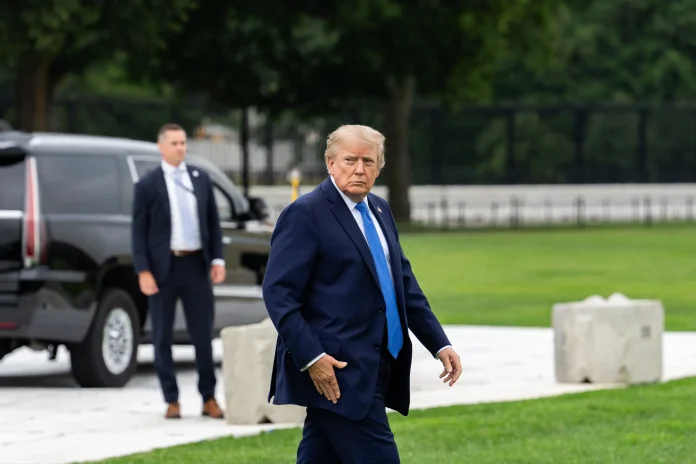
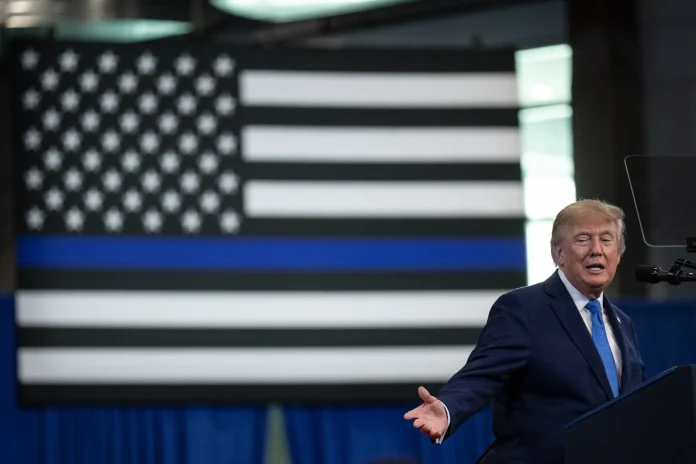
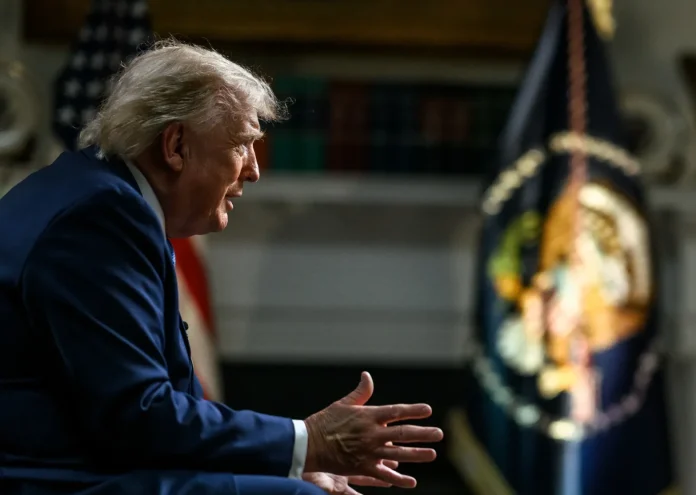
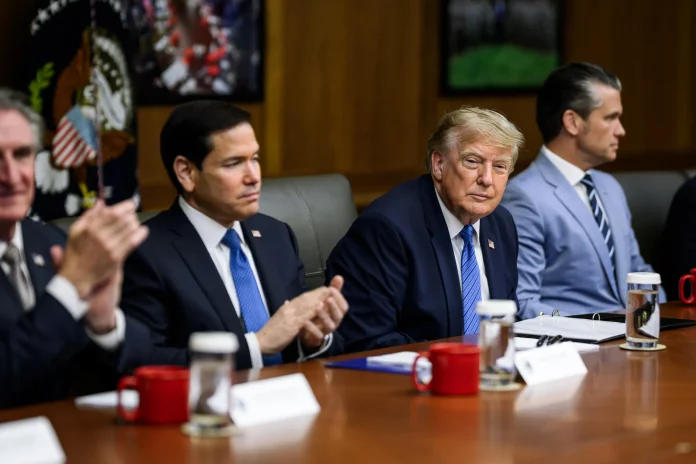
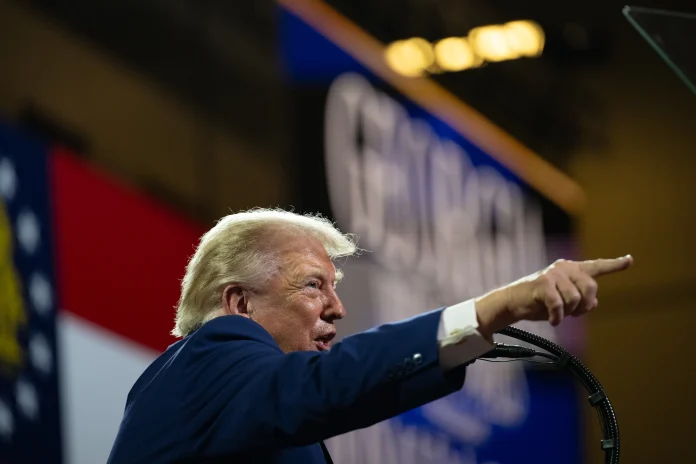
The United States adopted a more aggressive posture, imposing broad economic measures, freezing diplomatic engagement and warning of further action. President Trump vowed to take “very strong action” if Iran began hanging protesters.
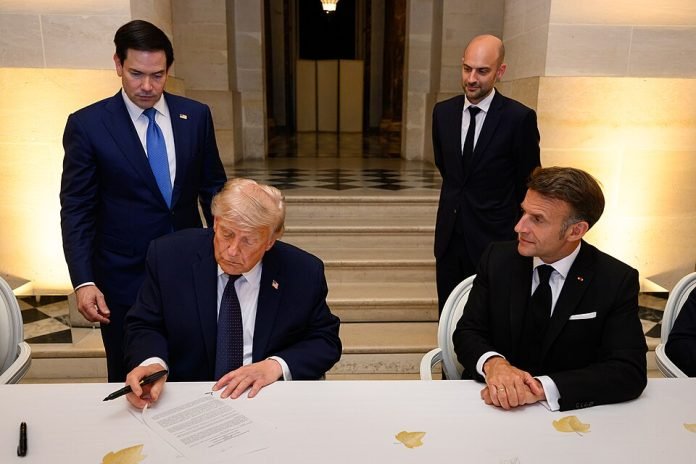
The Trump administration immediately implemented 25% tariffs on any country doing business with Iran and sanctioned individuals linked to the crackdown, including National Security Chief Ali Larijani. Trump cancelled all meetings with Iranian officials until the “senseless killing” stopped.
By late February, tensions had escalated further, culminating in joint US-Israeli airstrikes on multiple Iranian cities following threats of stronger intervention.
Read also: US–Israel launch coordinated strikes on Iran, killing supreme leader