Israel and Iran hits nuclear sites, Iran hits Israel’s civilian towns

Jump to Timeline

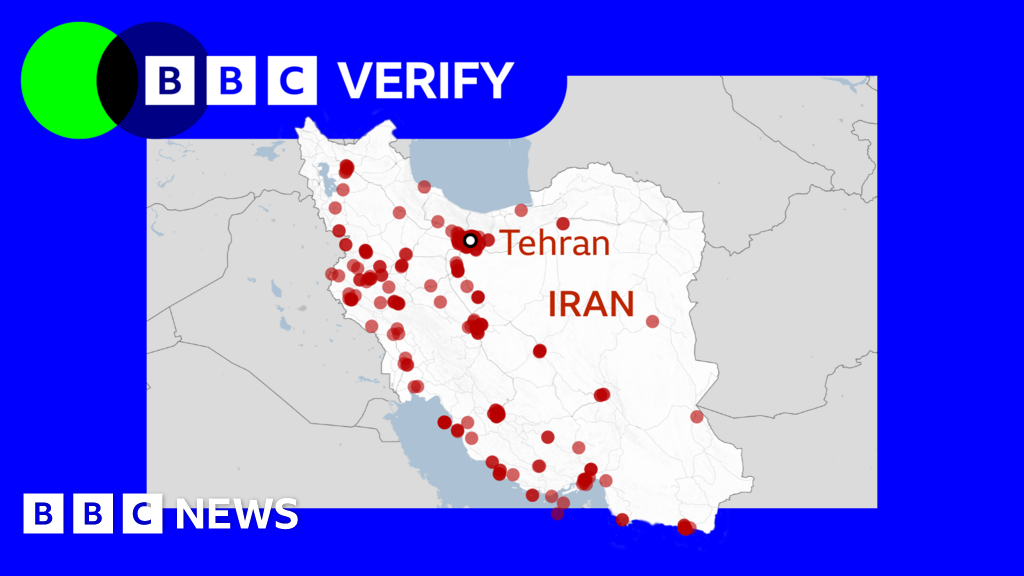
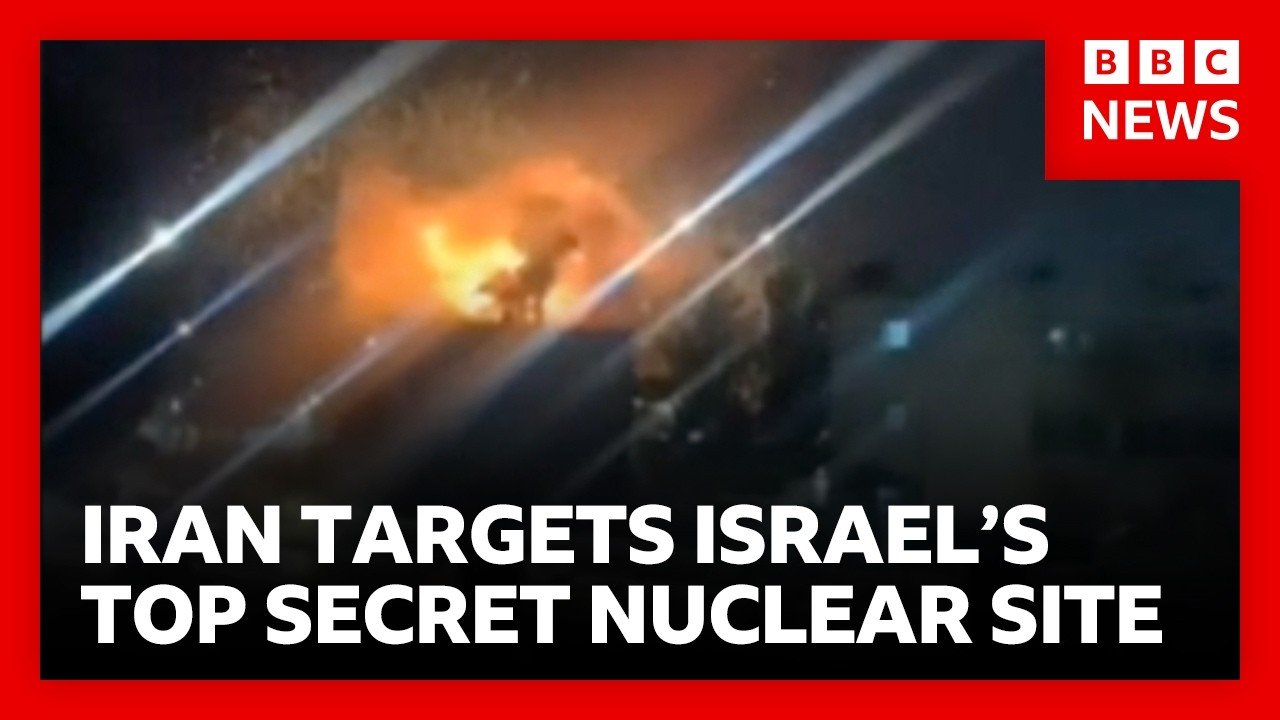
Iran’s Shahid Ahmadi-Roshan Natanz enrichment complex in central Iran was struck on the morning of Saturday, 21 March 2026.

Iran’s Atomic Energy Organisation attributed the attack to the United States and Israel. While some Israeli media suggested US bombers carried out the strike, the Israeli military has not officially confirmed its involvement.

Experts and Iranian officials reported no leakage of radioactive materials and stated there was no danger to the local population.

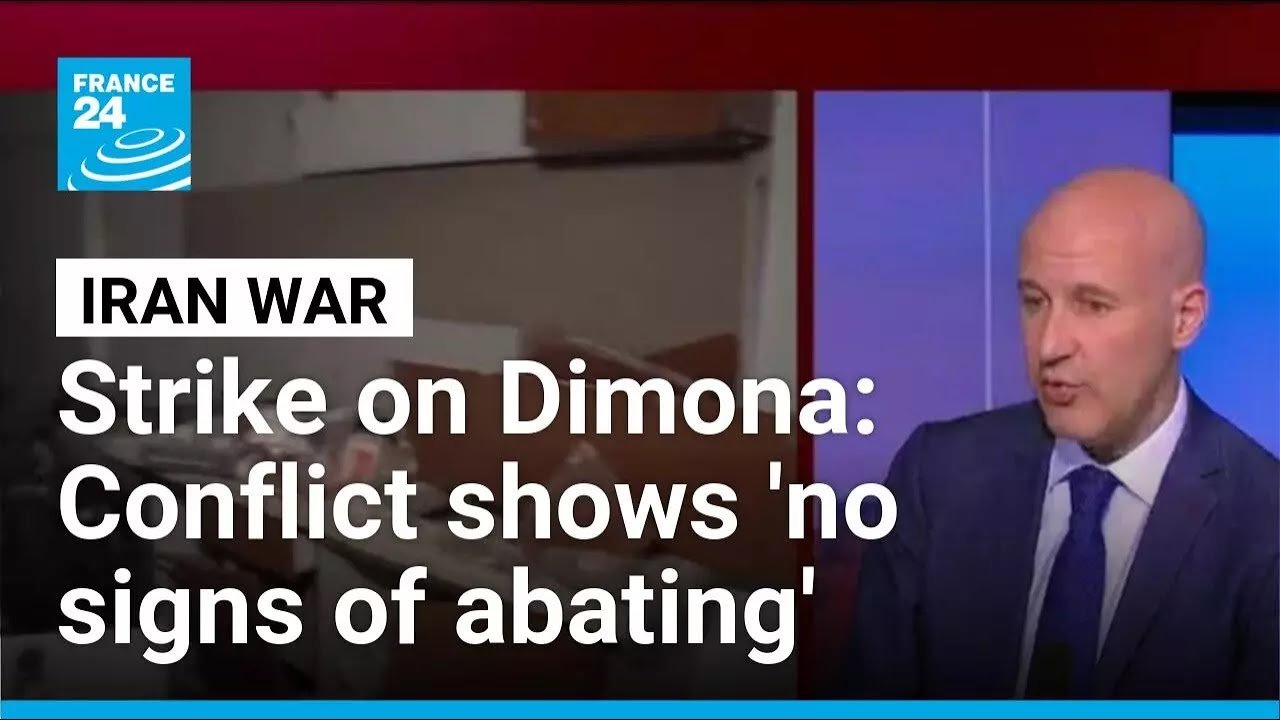
Retaliatory strike near Israel’s Dimona Nuclear Site

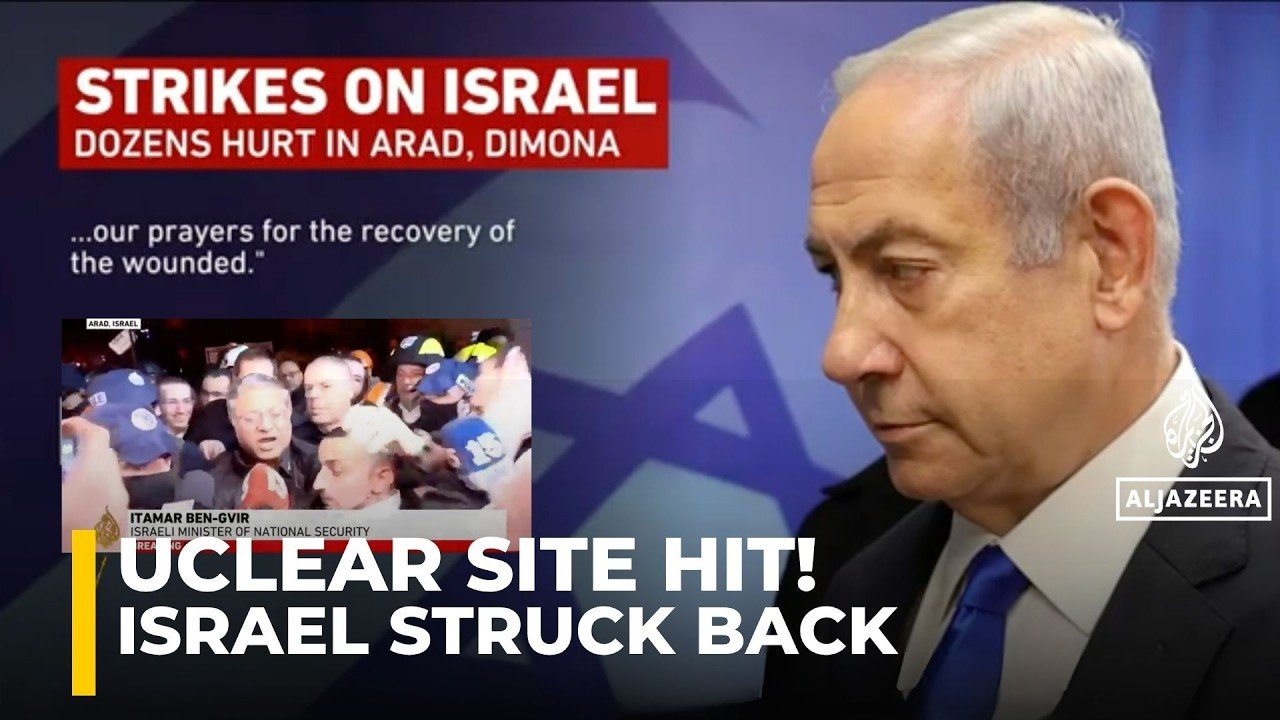
In response, Iran launched ballistic missiles late Saturday evening targeting the southern Israeli towns of Dimona and Arad, which are located near the Shimon Peres Negev Nuclear Research Center.

This event marked a significant moment as it was the first time Iranian missiles successfully penetrated Israeli air defences in the vicinity of a key nuclear site.

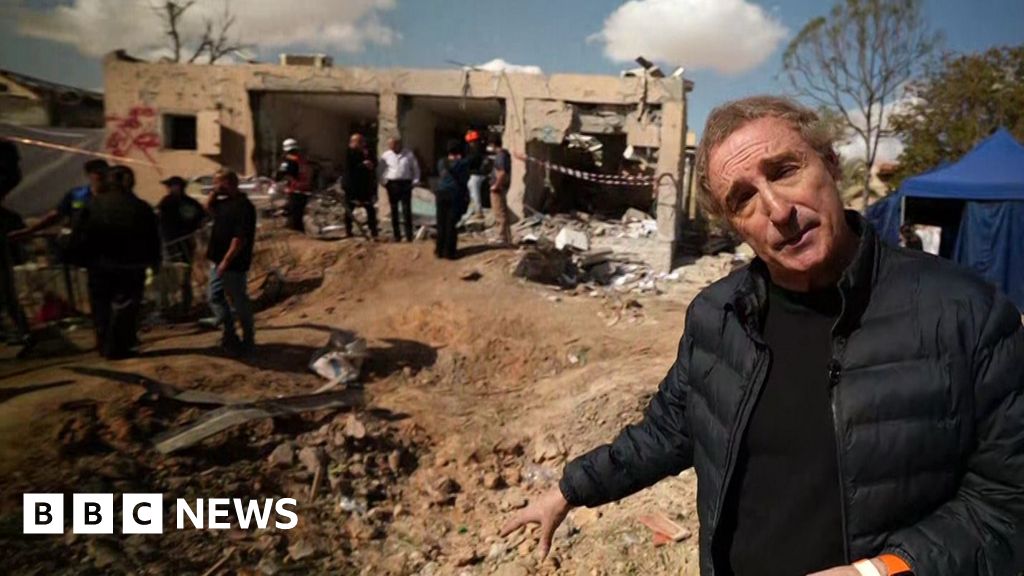
The strikes resulted in approximately 180 injuries, with victims treated for shrapnel wounds and trauma in both cities.

While residential buildings in Dimona were severely damaged, Israeli officials and the International Atomic Energy Agency (IAEA) confirmed that the nuclear facility itself was not hit and sustained no damage.

Prime Minister Benjamin Netanyahu called it a “miracle” that no one was killed when an Iranian missile struck the southern Israeli city of Arad, causing significant damage. Netanyahu stated that the lack of casualties was due to warnings and shelters, while warning that Iran’s actions threaten the entire world. 

Reactions and impact

The World Health Organisation (WHO) and the IAEA have called for “maximum restraint,” warning that strikes near nuclear installations represent a “perilous stage” of the conflict.

The escalation has led to the effective closure of the Strait of Hormuz, causing a surge in global oil and natural gas prices.

US President Donald Trump has issued an ultimatum, threatening to “obliterate” Iranian power plants if the Strait of Hormuz is not reopened within 48 hours.
youtube placeholder image

Read also: Israel hits South Pars gas field; Iran attacks Qatar, UAE energy facilities

Key widely reported facts from verified sources including Al Jazeera, BBC, The Guardian, Reuters, DW.com, Politico.eu, NBC News, Euronews, Middle East Eye

US launches “Operation Economic Outcast,” widening Iran sanctions to five new sectors

The US launched Operation Economic Outcast against Iran that expands secondary sanctions risk across five critical sectors and targets nearly 60 entities.
Read more

Trump declares ‘Economic D-Day’ on Iran in unprecedented sanctions escalation

US President Donald Trump has launched what he calls an “Economic D-Day” against Iran, vowing the “most crushing economic operation ever taken against any country”.
Read more

Trump threatens to bomb Oman as US-Iran ceasefire collapses

Trump posted an AI-generated image on his Truth Social platform labeling the Strait of Hormuz as "NEW US TERRITORY."
Read more

US-Iran peace deal collapses as 60-day deadline expires

Both Washington and Tehran have ruled out extending the deal, with President Donald Trump declaring that Iran must "put up the white flag of surrender".
Read more

Trump and Iran trade claims over Strait of Hormuz as shipping traffic collapses

Washington says its naval blockade has secured the strategic waterway while Tehran insists no vessel may pass without its approval.
Read more

“Deeply Duplicitous”: Trump issues ‘last chance’ warning to Iran

After Iran denied holding talks, Trump publicly lashed out, calling the Iranian leadership "unbelievably duplicitous" and insists talks are ongoing.
Read more

Trump meets Zelenskyy and Netanyahu before Lindsey Graham funeral

The overlap highlighted Graham’s standing as a longtime foreign-policy hawk, bringing together leaders tied to two of the world’s most consequential conflicts.
Read more

House votes to curb Trump’s Iran war powers, but Senate blocks the move

Trump framed the war powers vote as an attack on ongoing diplomacy, while critics said Congress was overdue to reassert its constitutional role over war-making decisions.
Read more

Trump threatens major strike as Red Sea conflict widens

Trump signaled that he sees little room for compromise at this stage, saying Iran is “not ready” and has not “received enough pain yet”.
Read more

Trump, Lebanon’s Aoun hold historic White House talks as US pushes regional deal

It is the first visit by a Lebanese head of state to Washington in nearly two decades and signaling renewed diplomatic momentum in the Middle East.
Read more
Timeline

Feb 28: Combined US-Israeli airstrikes hit Iranian military and civilian infrastructure.
Yemen’s Houthi rebels resume attacks on Red Sea shipping.

Mar 2: IRGC officially declares the Strait of Hormuz closed, threatening to “set fire” to any vessel attempting passage.

Mar 3: Global energy markets react as shipping effectively halts; European natural gas prices surge by over 100% after a drone strike on Qatar’s Ras Laffan LNG facility.

Mar 5: Maritime insurance providers cancel war risk coverage for the Persian Gulf, making transit economically unviable for most commercial carriers.

Mar 8: Brent crude oil prices surpass $100 per barrel for the first time since 2022 as supply disruptions intensify.

Mar 9: G7 finance ministers meet to discuss releasing strategic reserves; the proposal is initially met with caution by some members.

Mar 10: The IEA calls an extraordinary meeting of its 32 member states to assess the supply crisis.

Mar 11: IEA member countries unanimously vote to release 400M barrels of oil, the largest in history.

Mar 13: US conducts a massive bombing raid on Iran’s primary oil terminal, Kharg Island.

Mar 14: A senior Iranian official tells CNN that Tehran may allow a limited number of tankers to pass the Strait of Hormuz, but only if the oil is traded in Chinese yuan, directly challenging the US dollar’s role in global energy.

Mar 15: President Trump first called for an international naval coalition to guard the Strait.

He also claimed that Iran was “desperate” for a deal and wanted to negotiate a ceasefire. On March 15 and 16, Iranian Foreign Minister Abbas Araghchi refuted these claims.

Israeli PM Netanyahu releases a video from a Jerusalem café to show “proof of life”.

Mar 16: NATO allies and other key international partners officially declined President Trump’s request for warships.

Iran launches a drone and missile swarm at the Fujairah Oil Industry Zone in the UAE.

For the first time in the conflict, Iran fires ballistic missiles at Qatar, targeting areas near U.S. Al-Udeid Air Base.

A drone strike on a fuel depot near Dubai International Airport forces a five-hour suspension of all flights, paralyzing one of the world’s most critical transit hubs.

Mar 17: On the Persian New Year, Netanyahu addresses the Iranian people directly, stating that the “light of freedom” is coming, while simultaneously launching the heaviest bombardment of Tehran’s government district to date.

Israel confirmed the “elimination” of two of the most powerful figures, Ali Larijani and Gholamreza Soleimani, in the Iranian regime during precise strikes in Tehran.

Mar 18: Israeli airstrikes hit South Pars and the Asaluyeh hub in Iran.

Iran retaliates by firing ballistic missiles and drones at Gulf energy hubs.

Mar 19: President Trump warns Iran he will “massively blow up” the rest of South Pars if they strike Qatar again.

Trump publicly states he told PM Netanyahu to stop hitting Iranian energy sites to prevent further global oil spikes.

Netanyahu confirms Israel acted alone on South Pars but agrees to “hold off” on energy targets per Trump’s request.

Mar 20: Iran reportedly fired two ballistic missiles at the US-UK base in Diego Garcia.

The British government updated its policy to allow the US to use Diego Garcia for “specific and limited defensive operations” to degrade Iranian missile sites.

Qatar expels Iranian military attaches. The UAE suspends operations at the Habshan and Bab fields for safety.

China bans exports of refined petroleum to secure its own domestic supply.

Mar 21: Iran targets the Israeli towns of Arad and Dimona; over 100 civilians are injured and threatens to permanently close the Strait of Hormuz.

Trump gives Iran 48 hours to guarantee the Strait stays open or face the destruction of its national power grid.

Mar 22: The US State Department issues a worldwide “increased caution” alert for citizens.

Reports emerge of Russia providing satellite intelligence to Iran to help bypass regional missile defenses.

Reports confirm fires at Kuwait’s Mina Al-Ahmadi refinery and Saudi facilities in Riyadh following missile interceptions.

Opinion & Analysis

You may also be interested in

LEAVE A REPLY

Please enter your comment!
Please enter your name here