As of 31 March 2026, the United States and Iran are engaged in a high-stakes, indirect diplomatic process to end the month-long war that began on 28 February 2026.
While US President Donald Trump maintains that negotiations are “going extremely well,” Iranian officials officially deny that direct negotiations are taking place, describing the exchanges as the mere relaying of messages through intermediaries, as reported by Al Jazeera and others.
According to multiple reports, the two sides are currently reviewing competing frameworks for a ceasefire and a broader settlement. Diplomatic activity is centered in Pakistan, which is hosting high-level talks with representatives from Turkey, Egypt, and Saudi Arabia to bridge the gap between Washington and Tehran.
What are the two competing frameworks?
As reported by the New York Times, the US has sent a 15-point plan to end the conflict. Transmitted via Pakistan, this proposal reportedly demands a 30-day ceasefire, the full dismantling of Iran’s nuclear enrichment facilities (Natanz, Fordow, Isfahan), a handover of enriched uranium stockpiles, and an end to support for regional proxies.
The President claimed on 29 March that Iran has agreed to “most of” these points, citing the release of 20 oil tankers through the Strait of Hormuz as a sign of good faith. Pakistan’s Deputy Prime Minister Ishaq Dar made the same announcement on X.
I am pleased to share a great news that the Government of Iran has agreed to allow 20 more ships under the Pakistani flag to pass through the Strait of Hormuz; two ships will cross the Strait daily.
— Ishaq Dar (@MIshaqDar50) March 28, 2026
This is a welcome and constructive gesture by Iran and deserves appreciation. It…
This follows President Trump’s earlier revelation that Iran had allowed 10 oil tanks to pass the Strait as a “present” and to show they are serious in negotiating.
Tehran has rejected the US plan as “excessive and unrealistic,” putting forward its own conditions including a permanent end to military aggression, war reparations, and international recognition of its sovereignty over the Strait of Hormuz.
Who is the US really negotiating with on the Iranian side?
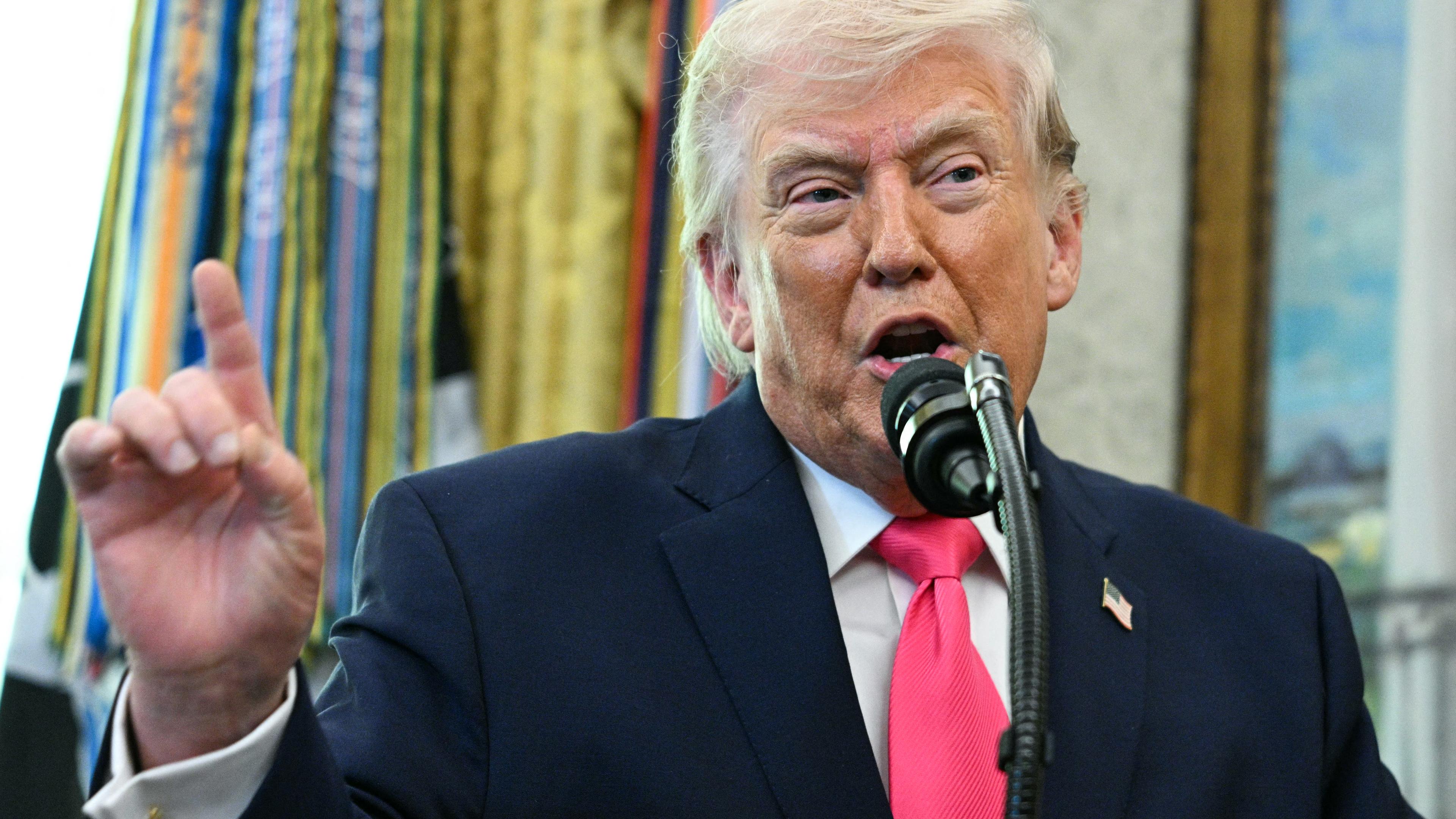
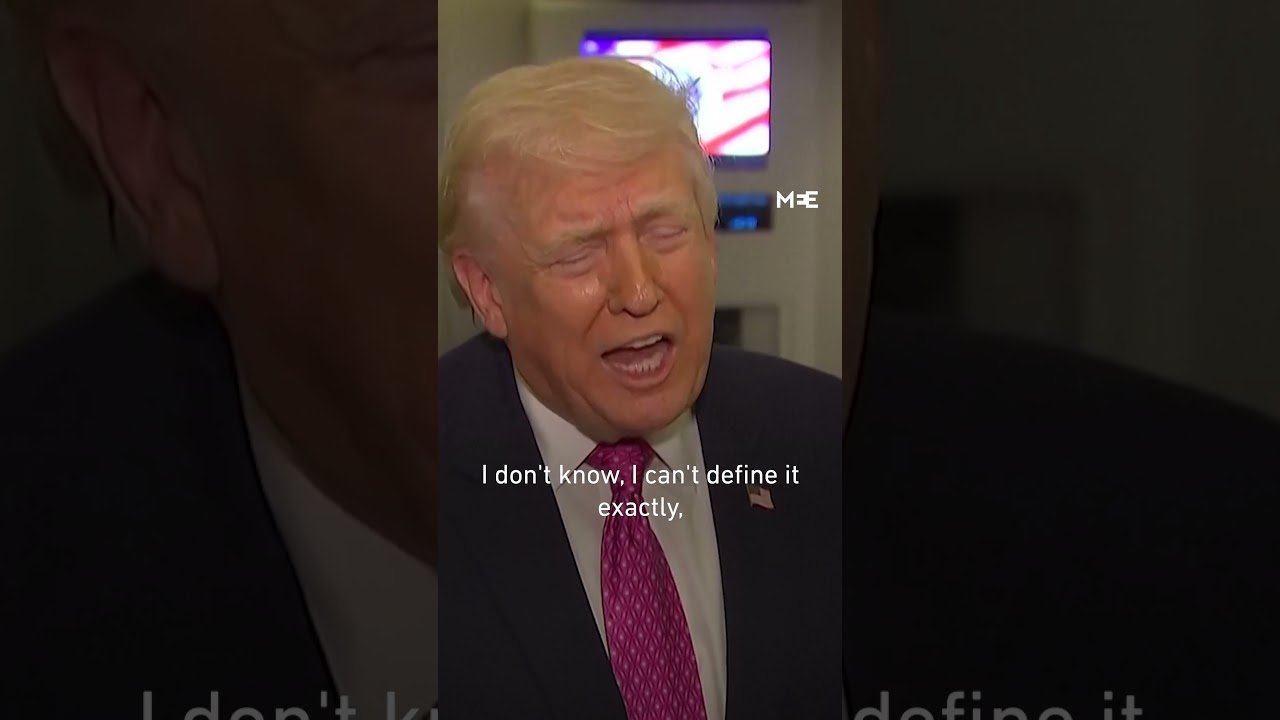
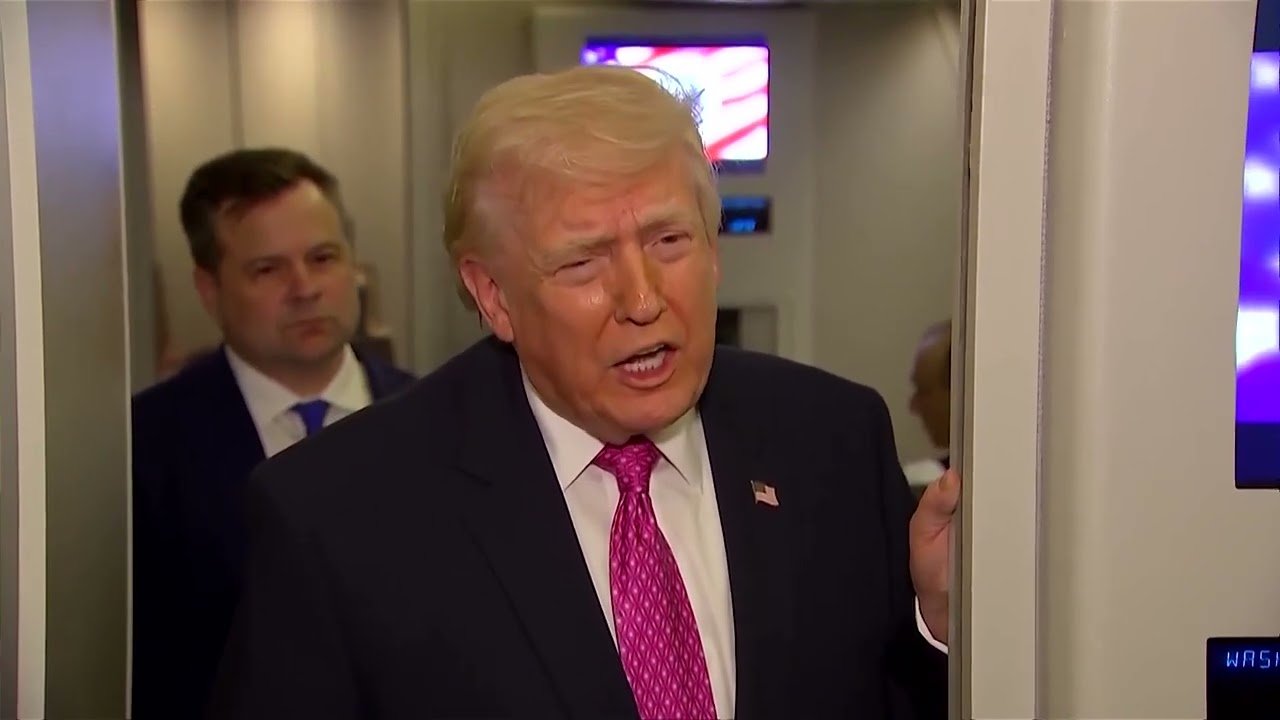
In a series of statements as of March 30 to 31, US President Donald Trump confirmed that the US has been in negotiations with Mohammad Bagher Ghalibaf (also spelled Qalibaf), the speaker of the Iranian parliament.
In an interview with the New York Post, Trump stated he would know “in about a week” if Ghalibaf is someone the US can truly work with, though he described the new Iranian leadership as “much more reasonable” than previous officials.
Speaker Ghalibaf and the Iranian Foreign Ministry have repeatedly denied that any direct negotiations with the US are taking place. Ghalibaf dismissed the claims on social media, accusing the US of promoting “desires as news”.
Is Trump going to “take Iran’s oil”?
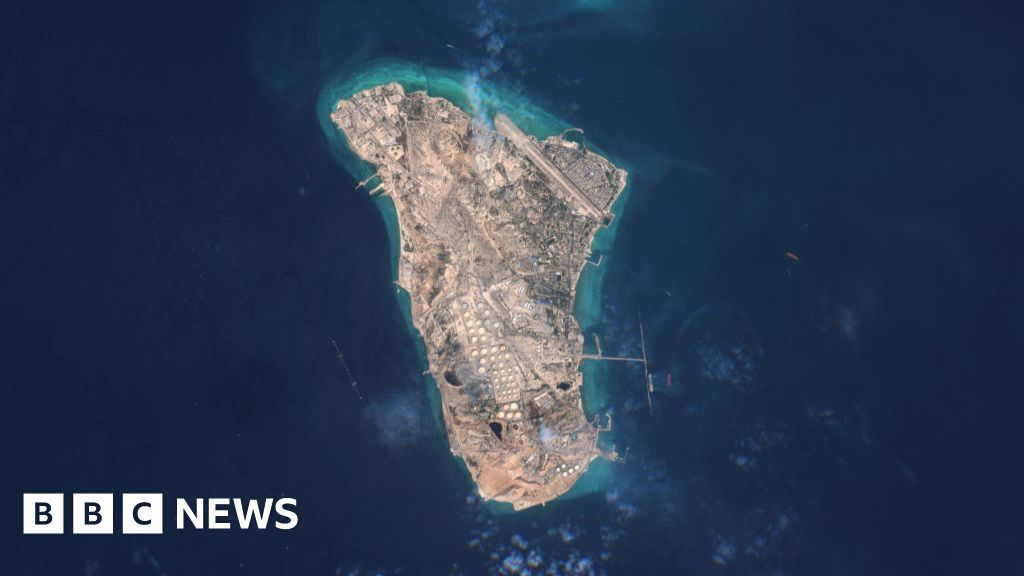
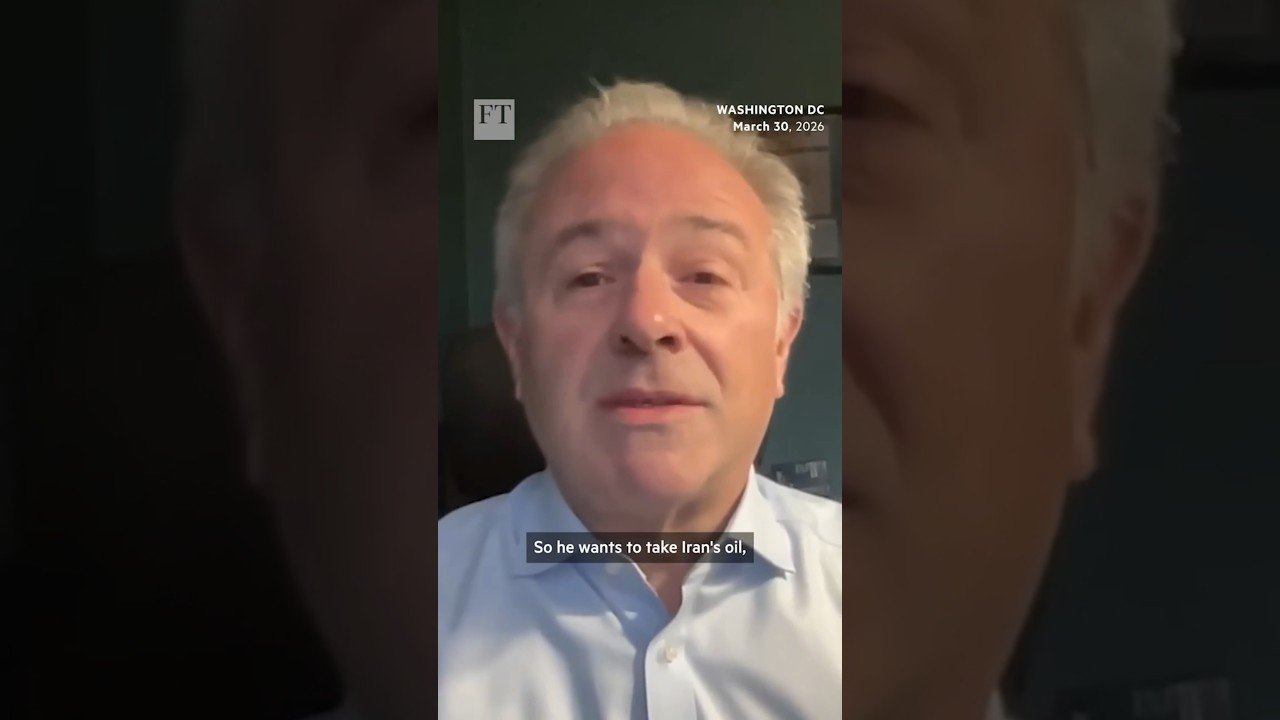
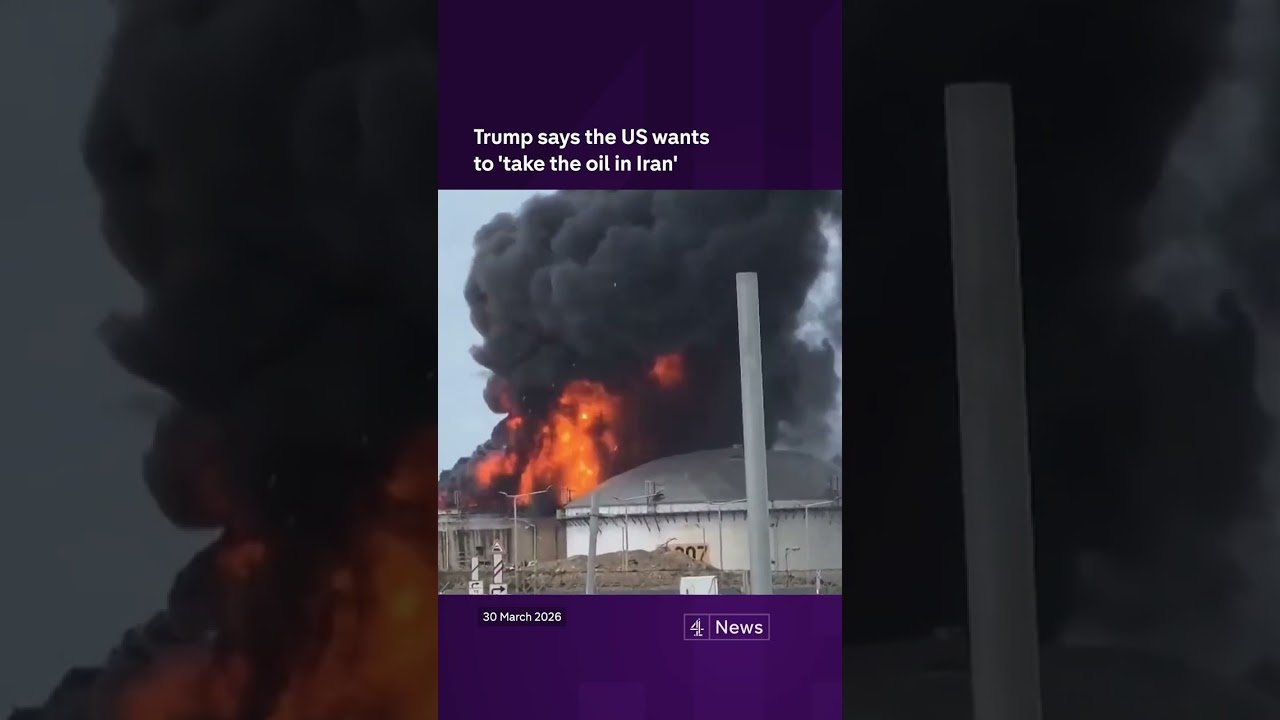
In a 29 March interview with the Financial Times, Trump stated his “preference would be to take the oil” rather than just destroying it. Trump described the island as a “small” and poorly defended target that could be “easily” taken.
Is military escalation on the cards?
Negotiations are proceeding against a backdrop of continued military operations. Israel continues to strike military targets across Iran, while Tehran has targeted regional energy facilities in Kuwait and Israeli infrastructure.
The ongoing closure of the Strait of Hormuz has caused global energy prices to surge, with US petrol prices rising by over $1 per gallon since the start of the conflict. Trump has threatened to “obliterate” Iranian oil infrastructure, including Kharg Island, if a deal is not reached shortly.
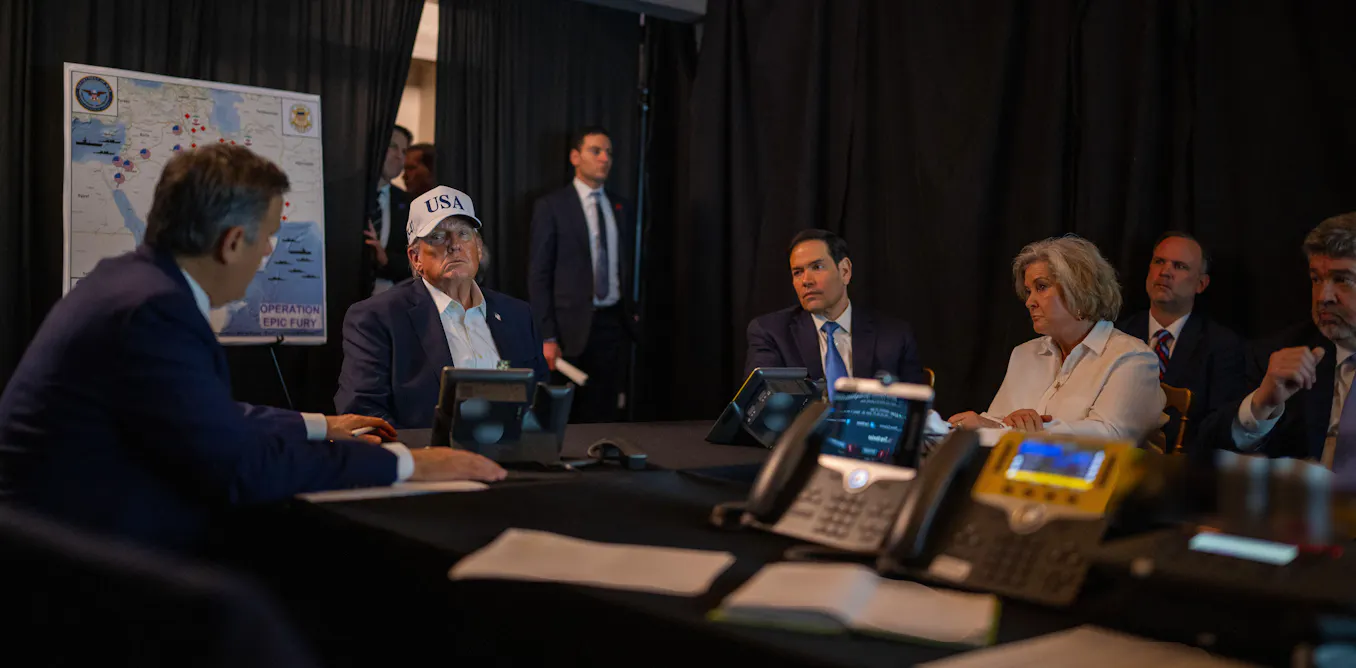
This rhetoric coincides with a massive military buildup in the Middle East. Reports from The Washington Post and CNBC indicate the Pentagon has deployed thousands of US Marines and soldiers from the 82nd Airborne Division, specifically trained for ground operations that could include seizing and holding territory like Kharg Island.
While Trump claims negotiations are going “extremely well,” analysts view his intensifying rhetoric as an attempt to prevent the war from becoming a long-term “quagmire” before his self-imposed four-to-six-week deadline.
Read also: US-Iran talks collapse; Trump orders naval blockade