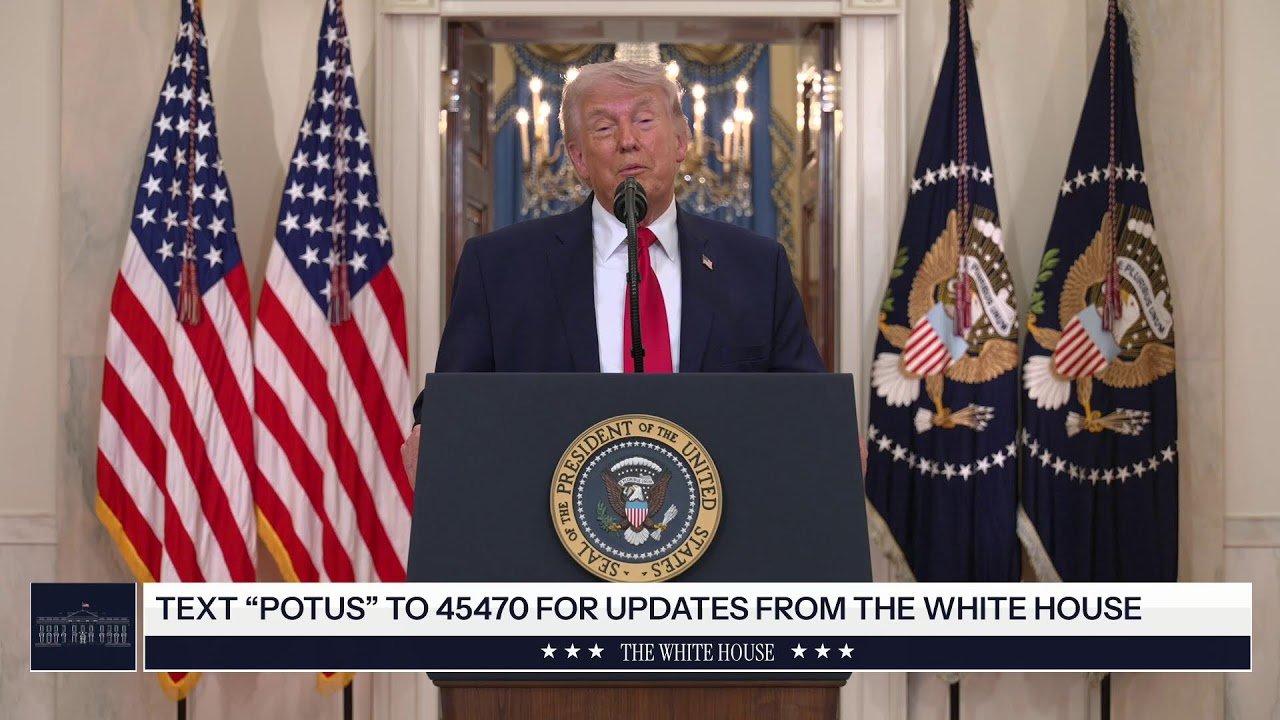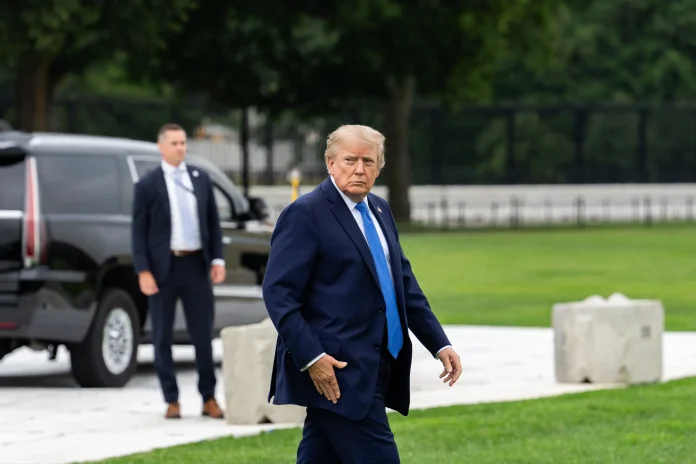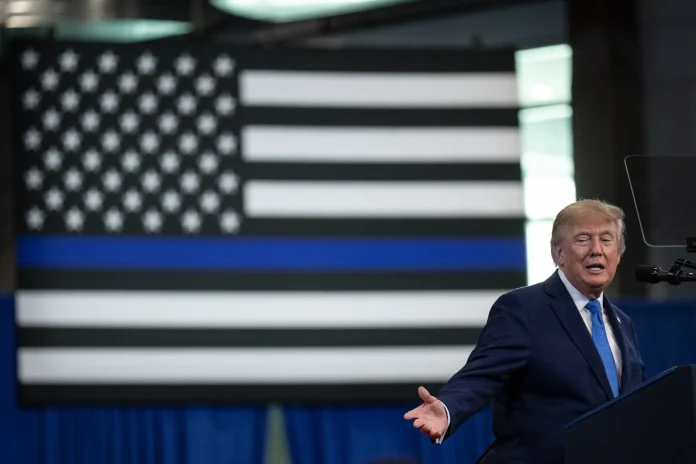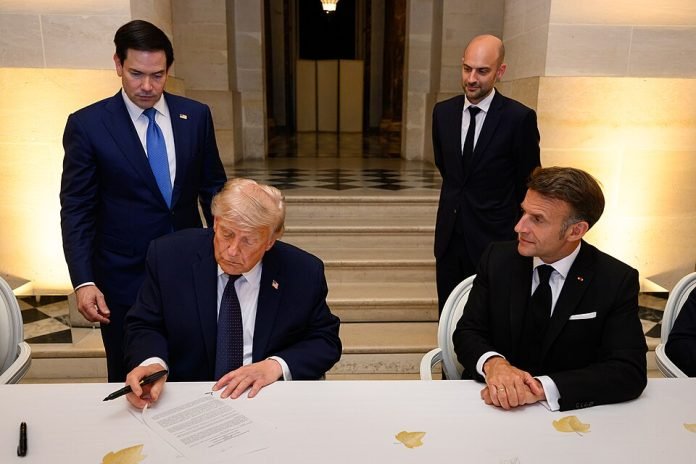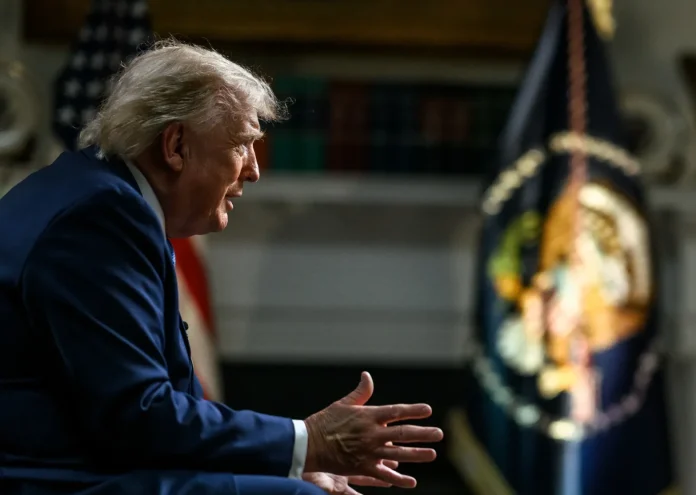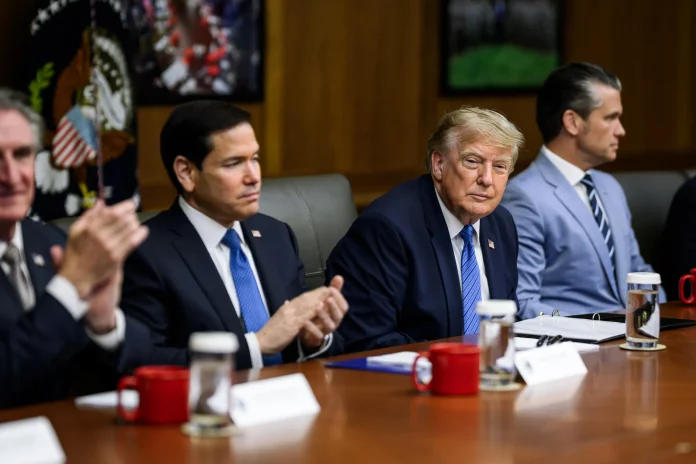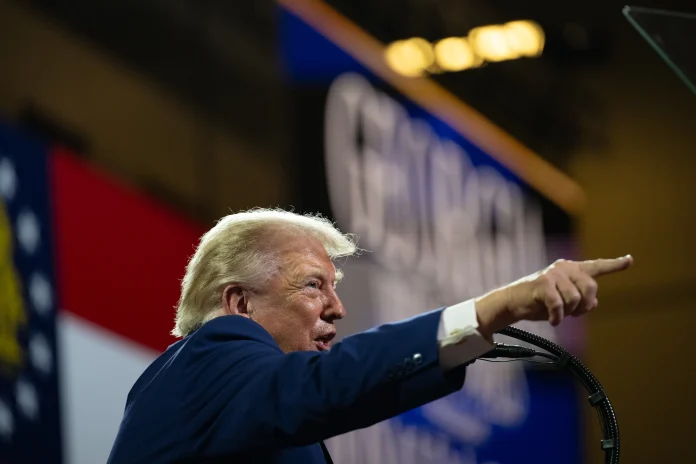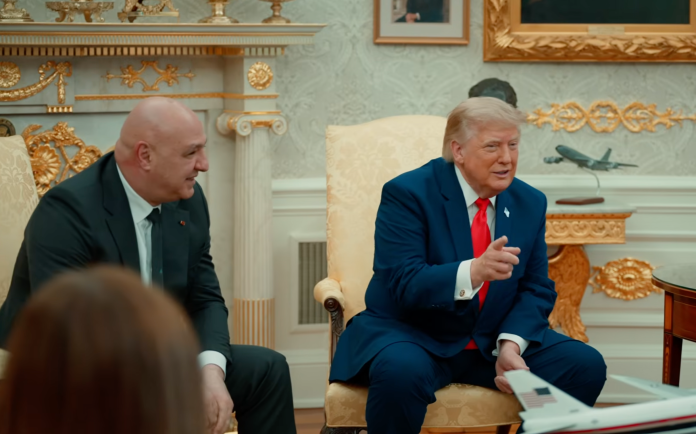
In his latest prime-time address to the nation on April 1, 2026, President Donald Trump provided an update on the ongoing war in Iran, which has entered its second month. Speaking from the White House, he asserted that the military operation is “nearing completion” and that core strategic objectives have been achieved.
Trump stated that the US and its allies (specifically Israel) have decimated Iran’s defense, naval, and air infrastructure. While declaring that the US will “finish the job” soon, he did not provide a concrete timeline for a withdrawal or details on a potential diplomatic deal.
He claimed the US economy remains the strongest in history, positioning the country to “get rid of a cancer” (referring to nuclear Iran) without domestic inflation.
This was his first televised address since the conflict began in late February. It comes amid reports of over a dozen US service member fatalities and ongoing airstrikes on Tehran.
What were the US’s war goals?
A primary goal was the total destruction of Iran’s navy, which Trump said stands “absolutely destroyed.” The administration also sought to obliterate Iran’s ballistic missile stockpiles and production facilities.
Trump reaffirmed his commitment to preventing Tehran from acquiring nuclear weapons, calling it an “intolerable threat” that must never materialize.
Other aims included neutralizing Iran’s network of Middle East militia proxies by severing their support, as well as annihilating the country’s defense industrial base and severely degrading its air force.
What is he going to do about the Strait of Hormuz?
In his address, President Trump downplayed the significance of the Strait of Hormuz to the United States, asserting that America is energy independent and “imports almost no oil” through the waterway.
Trump told allies and other nations that rely on the strait for oil, specifically mentioning France and the United Kingdom, to “build up some delayed courage” and secure it themselves. He stated, “Go to the strait and just take it, protect it, and use it for yourselves”.
He predicted that once the military conflict concludes, the strait will “open up naturally” and gas prices will “rapidly come back down”.
While he claimed Iran had requested a ceasefire, he stated he would only consider it once the strait is “open, free, and clear”. Until then, he vowed to continue hitting Iranian infrastructure “extremely hard” to “finish the job”.
What were the reactions to his address?
Iranian Foreign Ministry spokesperson Esmaeil Baghaei immediately rejected Trump’s assertion as “false and baseless”. Other senior Iranian officials and media outlets such as Al Jazeera, insisted that no direct or indirect negotiations are currently underway.
President Masoud Pezeshkian warned in an open letter that strikes on vital infrastructure would be considered war crimes. He clarified that Iran harbors no enmity towards ordinary Americans.
To the people of the United States of America pic.twitter.com/3uAL4FZgY7
— Masoud Pezeshkian (@drpezeshkian) April 1, 2026
European and Asian allies expressed “deep consternation” regarding Trump’s suggestion that they should “just take” and secure the Strait of Hormuz themselves.
The IMF and World Bank warned that the war’s economic effects are “substantial and highly asymmetric,” particularly for countries dependent on Middle Eastern energy.
His comments have caused concern among global markets, as Brent crude oil prices spiked to over $106 per barrel following the address. Critics and analysts noted that leaving the strait under Iranian control after a US withdrawal could lead to long-term economic instability.
Lawmakers reacted predictably along partisan lines, reflecting the high stakes of the upcoming midterm elections.
Republican leaders like Senator Lindsey Graham and Senator Ted Cruz praised the speech as “exactly right,” framing the military operation as a necessary investment in future security.
Democrat Senate Minority Leader Chuck Schumer slammed the address as “disjointed and pathetic,” labeling the conflict one of the “greatest policy blunders” in US history.
According to a Reuters/Ipsos poll, Trump’s approval rating has dipped to 36%, its lowest since his return to office, amid concerns over rising gasoline prices.