On April 1, 2026, British Prime Minister Keir Starmer announced that the UK has convened a coalition of approximately 35 to 41 nations to address the closure of the Strait of Hormuz, a vital global shipping lane currently blocked by Iran amid an ongoing conflict involving the US and Israel.
The coalition includes France, Germany, Italy, Canada, Japan, Australia, the United Arab Emirates, and the Netherlands. Notably, the United States is not part of this specific group, as President Donald Trump has stated that securing the strait is the responsibility of the nations that rely on it.
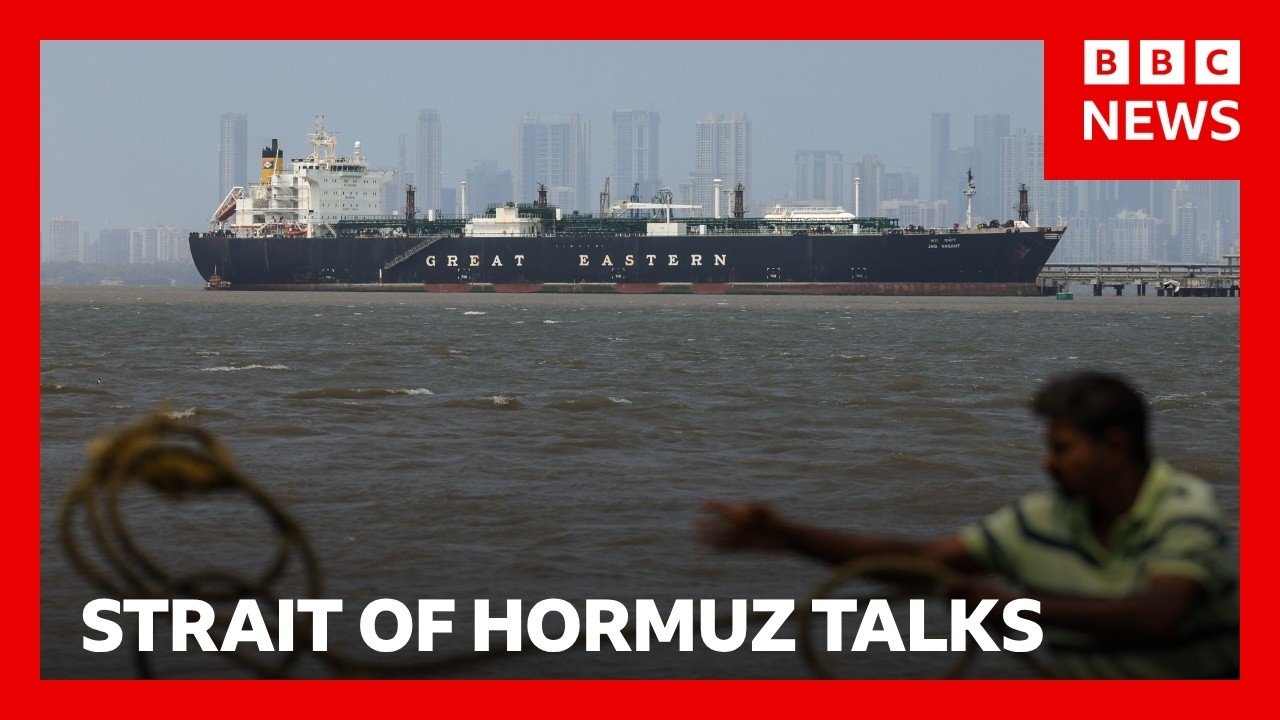
The primary goal of this UK-led initiative is to find diplomatic and political solutions to restore freedom of navigation and ensure the safe passage of commodities like oil and gas, which have seen significant price spikes due to the blockade.
Foreign Secretary Yvette Cooper chaired an initial virtual meeting on April 2, 2026 to assess “all viable diplomatic and political measures” to reopen the waterway.
The UN Security Council is also scheduled to vote on a resolution to secure the Strait of Hormuz on Saturday morning, 4 April 2026. Originally planned for Friday, the vote was delayed because 3 April is a UN holiday (Good Friday).
Initial outcomes
Following the initial diplomatic talks, Starmer announced that military planners will meet to discuss how to “marshal capabilities” to make the strait safe, but only after a ceasefire or once active fighting has stopped.
Following a virtual summit on Thursday, Yvette Cooper emphasized the need for coordinated action.
Iran is trying to hold the global economy hostage in the Strait of Hormuz. They must not prevail. To that effect, partners today called for the immediate and unconditional reopening of the Strait and respect for the fundamental principles of freedom of navigation and the law of the sea.
UK Foreign Secretary Yvette Cooper
Starmer has emphasized that active military securing of the strait will only occur after a ceasefire or once major fighting has stopped to avoid escalation. Using “all viable diplomatic and political measures” to persuade Iran to reopen the strait, including coordinating with nations that maintain active channels to Tehran.
Proposed plans include a first phase focused on mine clearance followed by a second phase to protect tankers transiting the area.
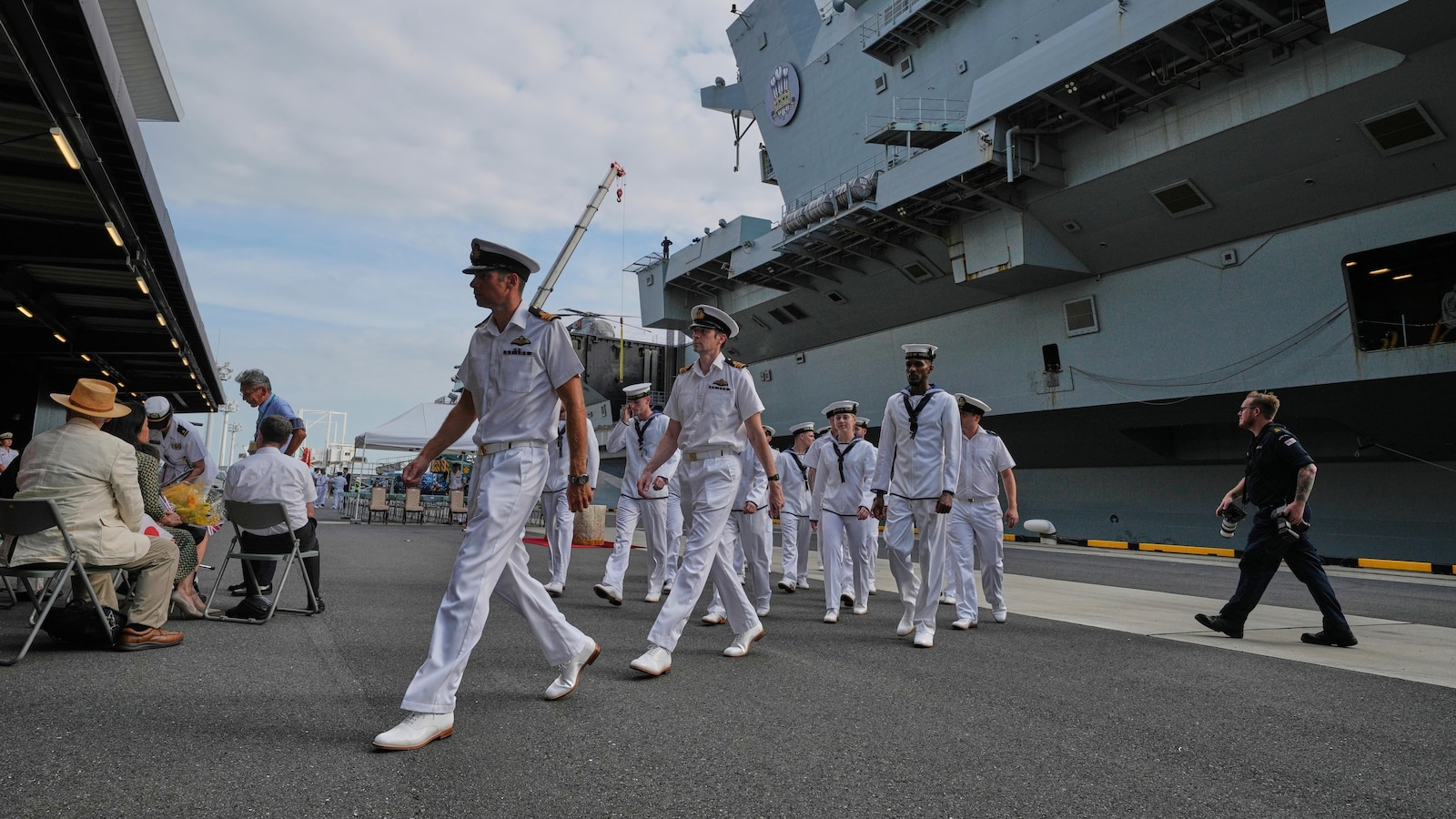
The Royal Navy plans to deploy a “mothership” to launch advanced autonomous, uncrewed mine-hunting systems to detect and neutralize naval mines. Once the waterway is cleared of mines, the coalition will shift to protecting active transit.
The coalition will assemble a sufficient number of vessels with coordinated air and sea capabilities to monitor threats like Iranian drones and coastal missiles. It will also work directly with the shipping industry to rebuild confidence and lower the currently “soaring” insurance premiums that have halted traffic.
A meeting of military planners is scheduled for the week of April 6, 2026, to finalize the technical requirements for these phases.
Proposed UN resolution
Drafted by Bahrain (the current Council president), the resolution authorizes member states to use “all defensive means necessary and commensurate with the circumstances” to ensure safe transit through the strait for at least six months. The resolution is backed by other Gulf states and the United States.
To avoid vetoes from China and Russia, explicit references to “all necessary means” (which would authorize offensive military force under Chapter VII) were removed in favour of “defensive measures”.
China’s UN envoy, Fu Cong, warned that authorizing force would be “unlawful and indiscriminate” and lead to further escalation. Russia argued the only solution is ending current hostilities rather than new security mandates.
Iran has warned the Security Council against “provocative action”. Foreign Minister Abbas Araghchi stated that targeting civilian infrastructure will not force a surrender and claimed America’s international image will “never recover” from the bridge strike.
The Strait of Hormuz is a critical “chokepoint” through which roughly 20% of the world’s oil passes. Iran effectively closed the route in late February 2026 in retaliation for US and Israeli strikes. While President Trump has urged allies to “just take” the strait by force, Starmer and other European leaders like Emmanuel Macron have prioritised a non-military, negotiated solution to avoid being further dragged into the regional war.

Read also: Russia and China veto UN resolution to secure Strait of Hormuz