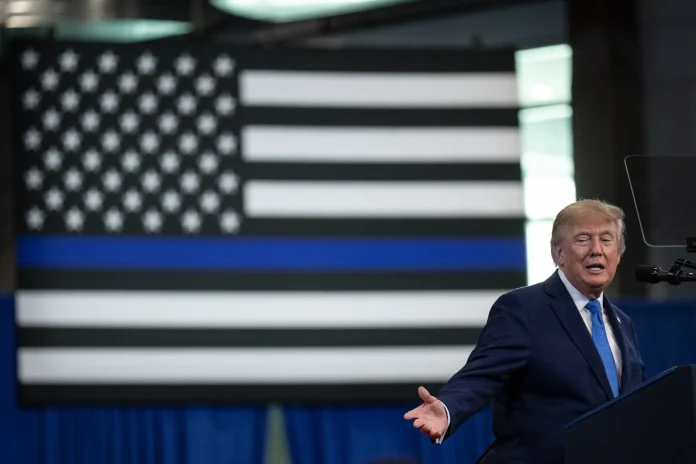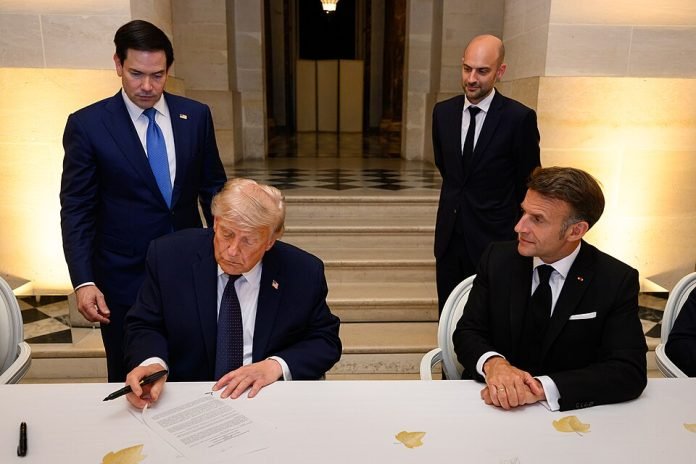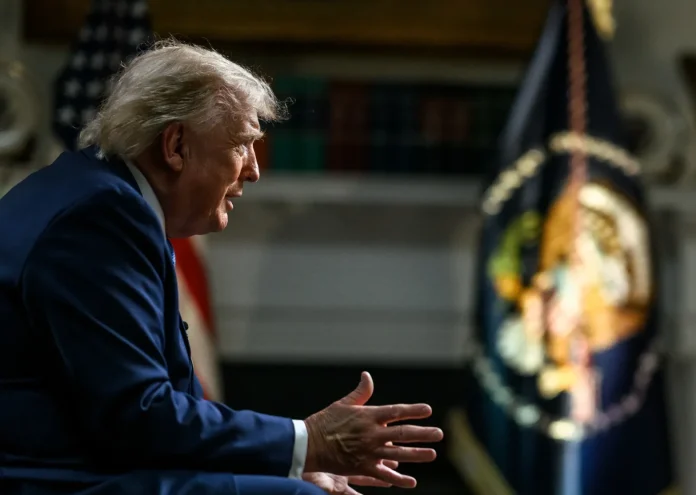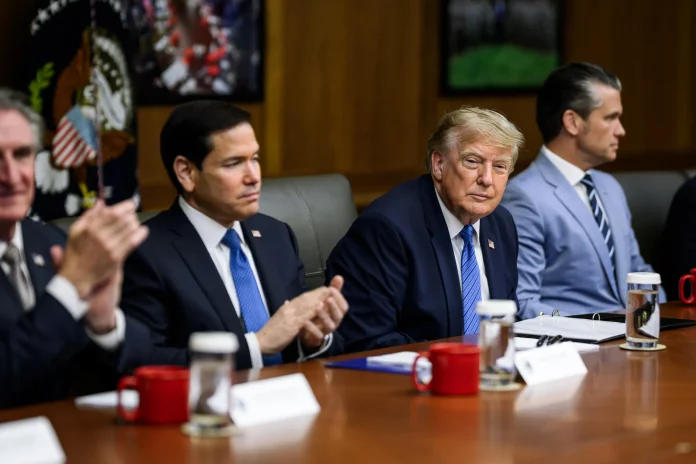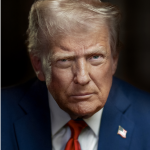
On April 21, President Trump unilaterally announced an extension of the two-week ceasefire that began in early April. The Associated Press reports the extension was intended to allow Iran time to submit a “unified proposal”.
A second round of high-level peace talks in Islamabad, Pakistan, mediated by Prime Minister Shehbaz Sharif, has faced significant delays. Iranian officials have refused to attend further rounds while under the “shadow of threats” and the ongoing US naval blockade.
US officials have cited “serious fractures” within the Iranian government as a reason for the lack of progress. Reports from the Institute for the Study of War indicate a power struggle between Parliament Speaker Mohammad Bagher Ghalibaf, who favors some negotiation, and hardline IRGC commanders who oppose it.
Major Sticking Points
The US continues to enforce a blockade of Iranian ports, which Iran labels as “piracy”. Iran has retaliated by seizing commercial vessels in the Strait of Hormuz and threatening to close the waterway entirely.
White House Press Secretary Karoline Leavitt confirmed on April 23 that the US naval blockade is costing Iran an estimated $500 million per day.
Treasury Secretary Scott Bessent noted that Iranian oil storage at Kharg Island is reaching full capacity, which will soon force the shut-in of oil wells.
As @POTUS has made clear, the United States Navy will continue the blockade of Iranian ports. In a matter of days, Kharg Island storage will be full and the fragile Iranian oil wells will be shut in. Constraining Iran’s maritime trade directly targets the regime’s primary…
— Treasury Secretary Scott Bessent (@SecScottBessent) April 21, 2026
The White House also claims that Iranian military and police forces are increasingly complaining about not being paid due to the liquidity crisis.
During the brief reopening of the Strait of Hormuz, Iran attempted to charge ships tolls of over $1 million per vessel, a move the US rejected.
Despite the ceasefire, tensions spiked on April 23 when President Trump ordered the US. Navy to “shoot and kill” any Iranian boats seen laying mines in the Strait of Hormuz. Simultaneously, the Al Jazeera live blog reported that Iran seized two additional ships in the Gulf hours after Trump’s latest ceasefire extension.
Dispute over “Zero enrichment”
Trump has demanded “zero enrichment” and the removal of Iran’s entire stockpile of “nuclear dust” (enriched uranium). Iran maintains that domestic enrichment for peaceful purposes is a non-negotiable right.
As of April 24, 2026, there are conflicting reports regarding whether Iran has agreed to an indefinite suspension of its nuclear program.
President Donald Trump stated in a recent interview with Bloomberg News that Iran has agreed to an “unlimited” or indefinite suspension of its nuclear ambitions. He also claimed that Iran would hand over its stockpile of enriched uranium, which he referred to as “nuclear dust”.
Iranian officials have explicitly denied these claims. A senior Iranian official stated that Iran did not agree to halt uranium enrichment indefinitely and described Trump’s statements as “boastful”.
The Iranian Foreign Ministry spokesperson, Esmaeil Baqaei, emphasized that Iran’s enriched uranium would not be transferred anywhere “under any circumstances”.
While a ceasefire appears to be holding, significant gaps remain between the two sides. Iran has signaled a willingness to negotiate for sanctions relief but insists on its right to peaceful nuclear activity. Reports indicate that while the US seeks a 20-year or indefinite suspension, Tehran has previously proposed a much shorter 3-to-5-year pause.
Israel and Lebanon ceasefire extended
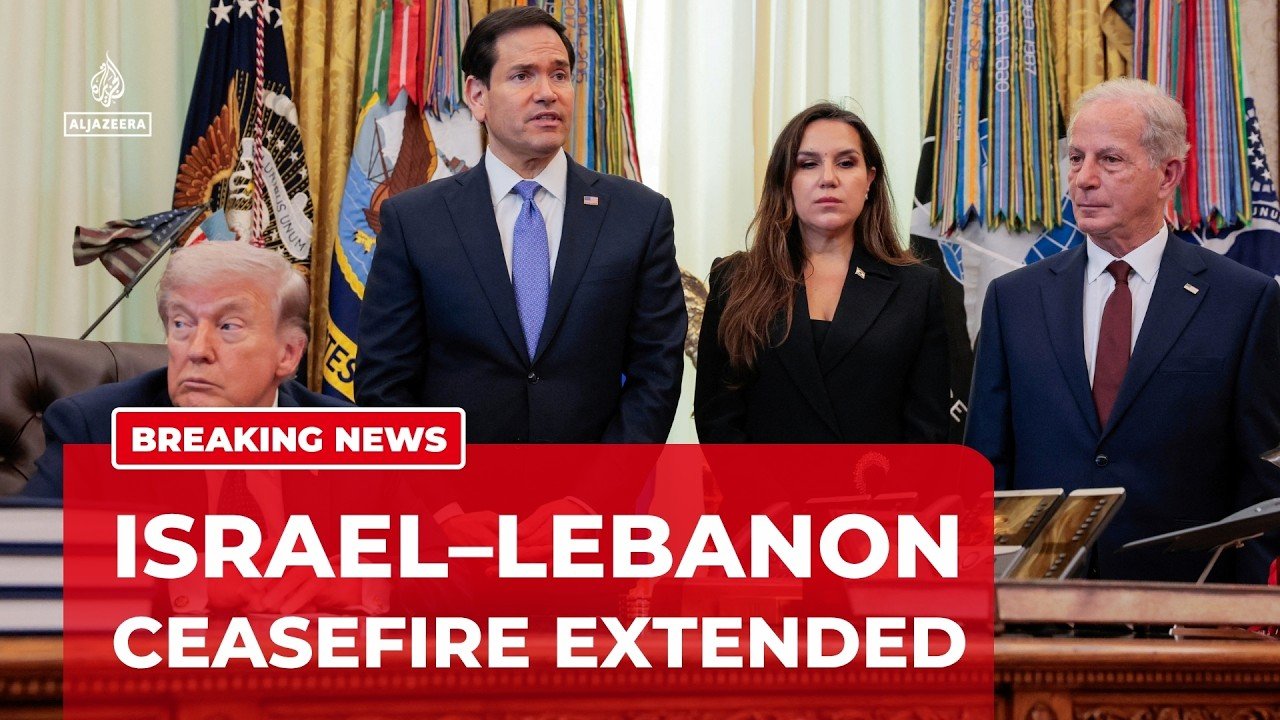
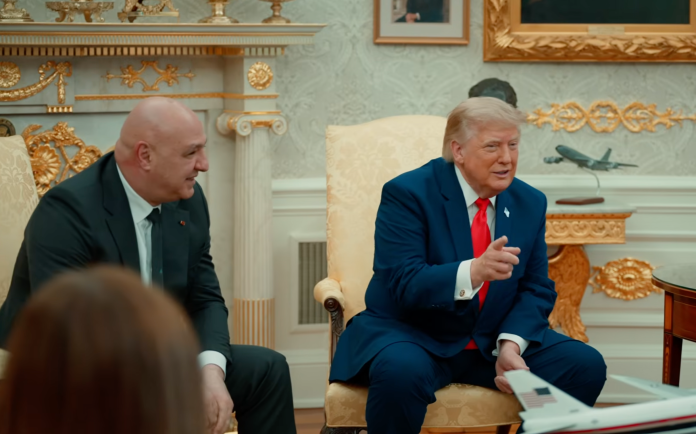
President Donald Trump also announced on April 24 a three-week extension of the ceasefire between Israel and Lebanon. The original 10-day truce, which began on April 16, was set to expire on Sunday, April 26, but will now continue until May 17.
President Trump expressed intentions to host Prime Minister Netanyahu and President Aoun for further talks on a permanent peace deal.
Despite the extension, the situation is fragile, with both sides reporting violations, including Israeli strikes and Hezbollah rocket fire.
While not part of the official talks, Hezbollah continues to assert its “right to resist” and approaches the truce with caution.
Israel maintains a 6 to 10 mile security zone in southern Lebanon, with Prime Minister Netanyahu indicating troops will remain for now. Beirut is pushing for full Israeli withdrawal and a clear border demarcation in future negotiations.
How did the world react?
Lebanese Ambassador Nada Hamadeh Moawad praised President Trump’s leadership at the White House, stating, “With your support, we can make Lebanon great again”. The government viewed the extension as a prerequisite for more substantial talks on Israeli troop withdrawal.
Israeli Ambassador Yechiel Leiter expressed hope that the extension would “formalise peace”. However, he emphasized that the core objective remains the dismantlement of Hezbollah.
UN Secretary-General António Guterres and EU Commission President Ursula von der Leyen described the news as a “relief,” though both stressed the need for a permanent solution rather than a temporary pause.
Hezbollah officials have formally rejected the legitimacy of the direct negotiations between Lebanon and Israel, labeling them “defeated and submissive”. High-ranking member Wafiq Safa told The Associated Press that the group will not abide by any agreements made during these talks.