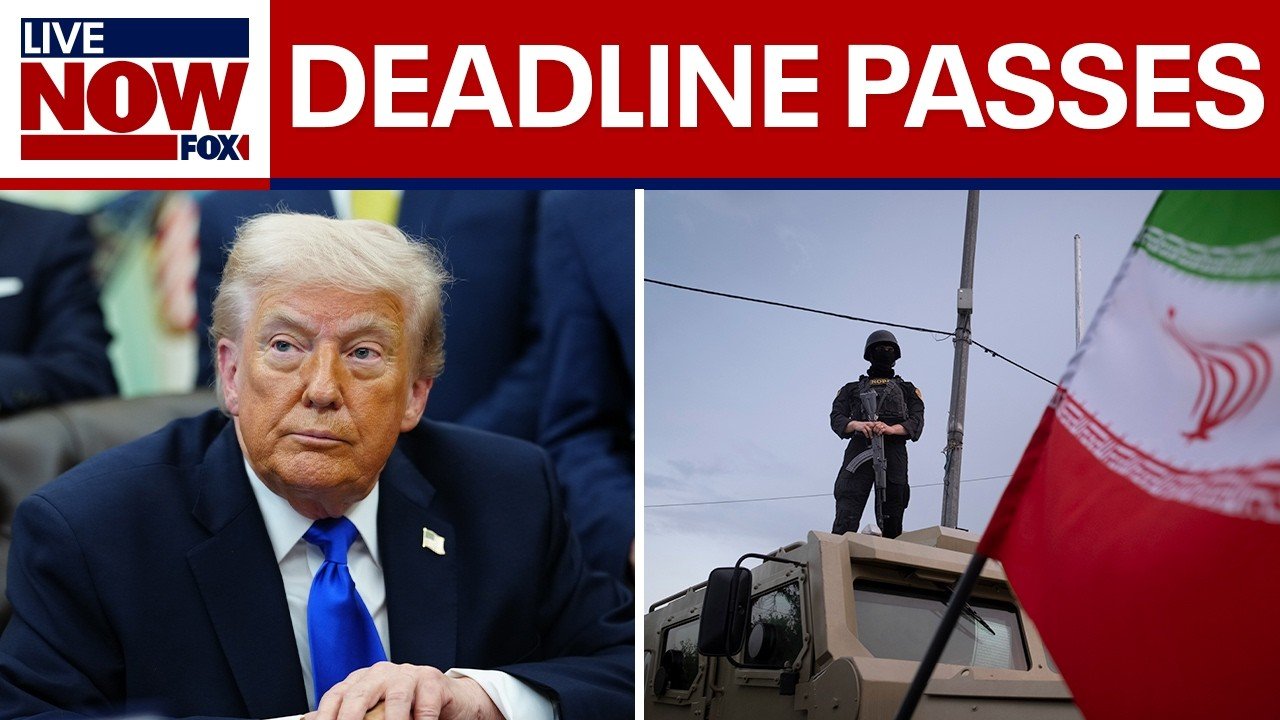
President Donald Trump has declared that US hostilities with Iran are “terminated,” in a move that appears aimed as much at Washington’s legal framework as at the conflict itself.
In a formal notification to Congress on May 1, Trump said the absence of direct military exchanges since early April meant the conflict had effectively ended. The declaration arrived precisely as a 60-day deadline under the War Powers Resolution was set to expire—avoiding the need for congressional approval to continue military operations.
A legal deadline, reframed
Under the 1973 War Powers Resolution, US presidents must seek authorization from Congress within 60 days of initiating military action. Trump triggered that clock on March 2, when he notified lawmakers of strikes against Iran.
That deadline fell on May 1.
In his letter to congressional leaders, Trump argued that a ceasefire reached on April 7 had effectively “stopped the clock.” With no active exchange of fire since then, he maintained that hostilities had legally ceased, rendering a vote in Congress unnecessary.
The interpretation is controversial. The War Powers Resolution does not explicitly provide for pauses or ceasefires to suspend the timeline, and critics argue that ongoing US military actions undermine the administration’s claim.
Pushback from congress
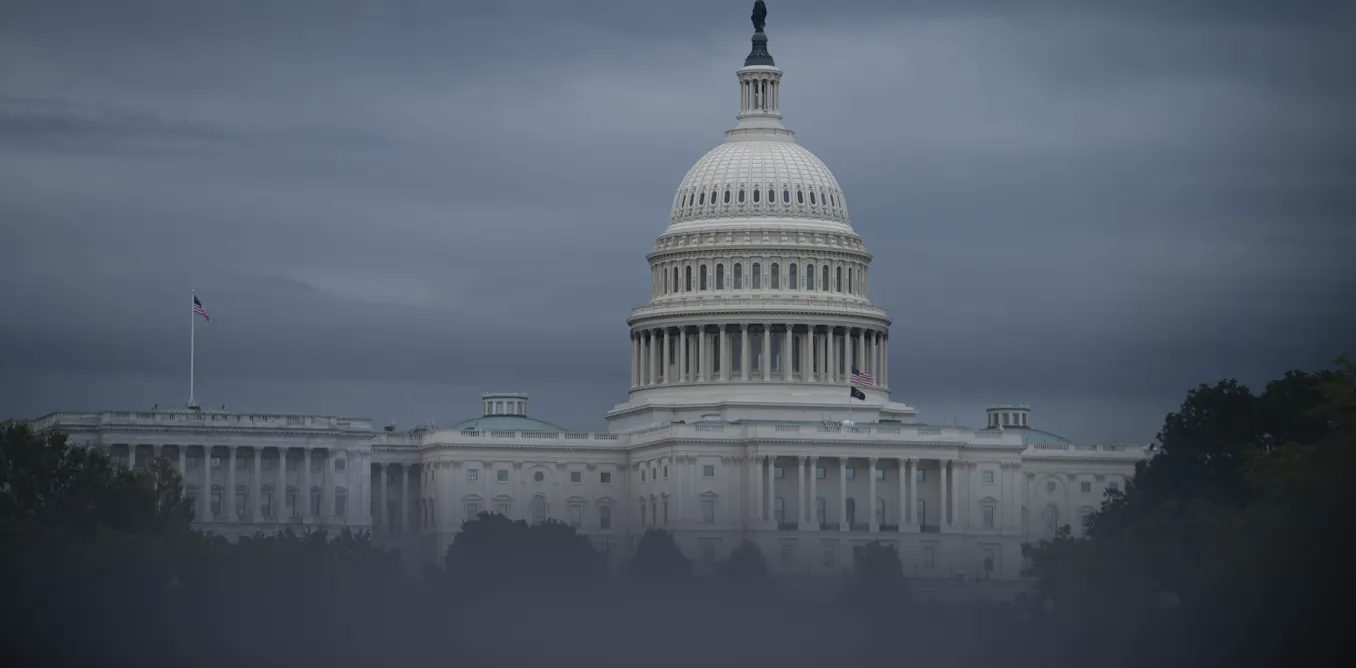
Democratic lawmakers and several legal analysts have rejected the administration’s position, pointing to continued US enforcement measures in the region — particularly a naval blockade of Iranian ports — as evidence that hostilities are still ongoing.
They argue that the presence of active military pressure, even without direct combat, falls within the scope of “hostilities” under the law.
Trump, however, has long dismissed the War Powers Resolution as unconstitutional, arguing that it infringes on presidential authority as commander-in-chief. His latest move reinforces that stance, effectively testing the limits of executive power in real time.
A war that hasn’t fully ended
Despite the administration’s legal framing, the situation on the ground remains tense and unresolved.
The US continues to enforce a naval blockade targeting Iranian ports, aimed at forcing Tehran into a broader agreement on nuclear and regional security issues. At the same time, Iran maintains its own blockade of the Strait of Hormuz, restricting commercial shipping and demanding sanctions relief and a reduction of US military presence in the region.
The result is a fragile standoff — less an end to conflict than a shift in its form.
Adding to the uncertainty, Trump has paused “Project Freedom,” a US-led effort to escort commercial vessels through the Strait, to allow space for a final round of negotiations reportedly mediated by Pakistan.
Negotiations Over Escalation
The administration has framed the current moment as a transition from military confrontation to diplomatic resolution. But with both sides maintaining strategic pressure points, the risk of renewed escalation remains.
For now, Trump’s declaration has reshaped the legal narrative of the conflict, even as the geopolitical reality continues to evolve in the Gulf.