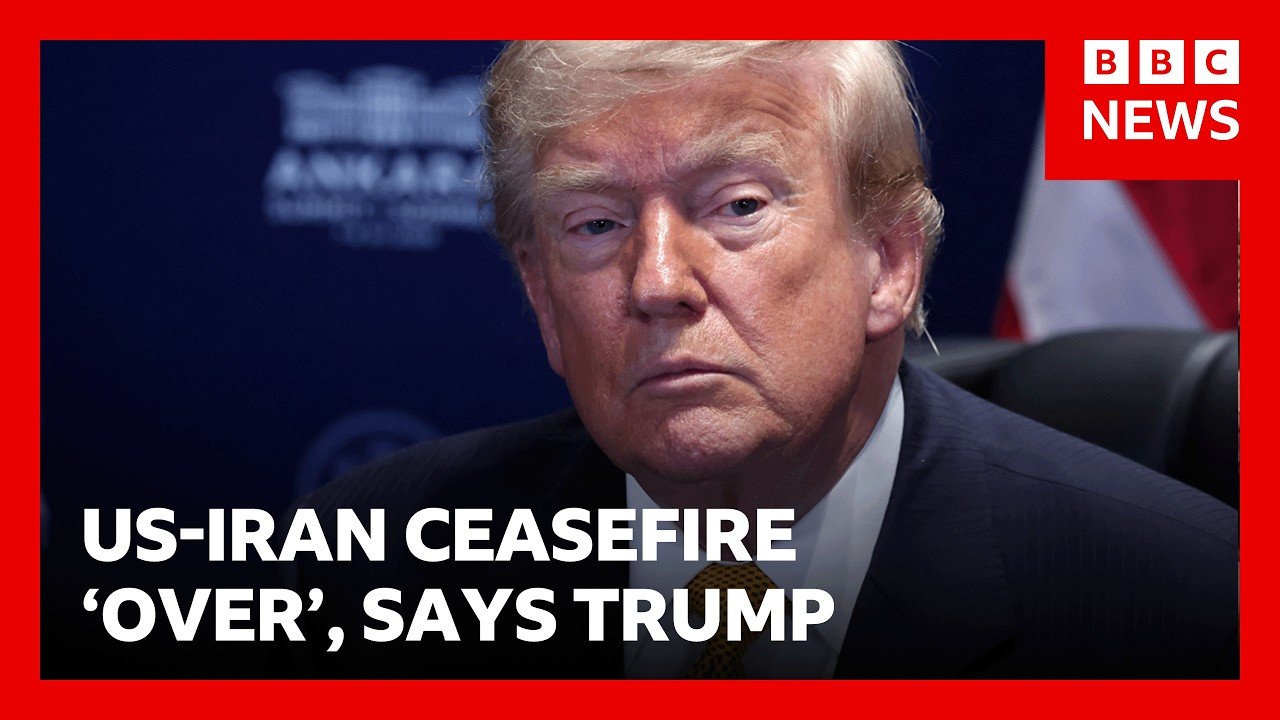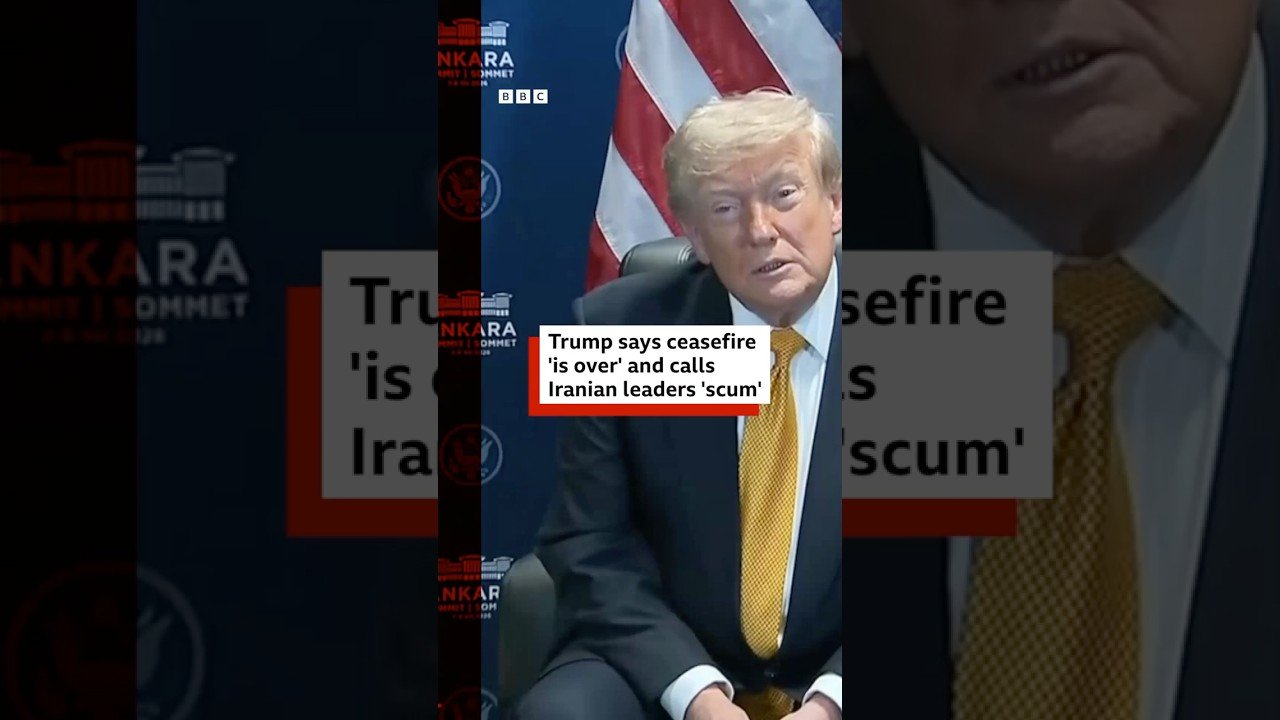









The fragile mid-June ceasefire between the United States and Iran has officially collapsed, marking a sharp escalation in an already volatile regional conflict. US President Donald Trump declared the truce “over” following a rapid exchange of military strikes, yet signaled that diplomatic channels remain open after Washington agreed to continue talks through regional intermediaries.
The breakdown underscores a familiar pattern in US–Iran relations: military confrontation paired with reluctant diplomacy, often unfolding simultaneously rather than sequentially.
Major MOU Violations by the US:
— محمدباقر قالیباف | MB Ghalibaf (@mb_ghalibaf) July 8, 2026
Violating Iranian adjustments in the Strait
Persistent threats of further strikes
Reinstating oil sanctions
Attacks on southern Iran
Continued Zionist aggression on🇱🇧
The era of bullying and extortion is over. It leads nowhere. We don’t fold.
A ceasefire unravels
The ceasefire, structured as a 60-day performance-based agreement under a memorandum of understanding, had temporarily paused months of hostilities across the Gulf. Its collapse was triggered by a series of high-stakes incidents centered on the Strait of Hormuz, one of the world’s most critical energy chokepoints.
Tensions spiked when Iran targeted three commercial oil tankers linked to Qatar and Saudi Arabia as they transited the strait. Tehran justified the move by asserting expanded control over the waterway and introducing demands for transit fees—an unprecedented claim that alarmed global shipping markets and drew immediate condemnation.
The Strait of Hormuz carries roughly one-fifth of the world’s oil supply, making any disruption there a direct threat to global energy stability. Even limited attacks can trigger outsized economic consequences.
Military escalation
In response, President Trump authorized a large-scale military operation. US Central Command launched strikes on approximately 170 Iranian targets over a 48-hour period. These strikes focused on:
- Coastal air defense systems
- Missile launch sites and storage facilities
- Naval logistics hubs linked to Iran’s Revolutionary Guard
The Pentagon framed the operation as both retaliatory and preventative, aimed at degrading Iran’s capacity to threaten maritime traffic.
Iran quickly responded with its own show of force, launching drones and ballistic missiles at US military installations across the region, including bases in Bahrain, Qatar, Kuwait, and Jordan. Gulf air defense systems, supported by US assets, intercepted the majority of incoming projectiles. No US casualties were reported, though the attacks demonstrated Iran’s continued regional strike capability.
Notably, Iran’s response appeared calibrated—strong enough to signal deterrence, but limited enough to avoid immediate full-scale war.
Conflicting signals on diplomacy
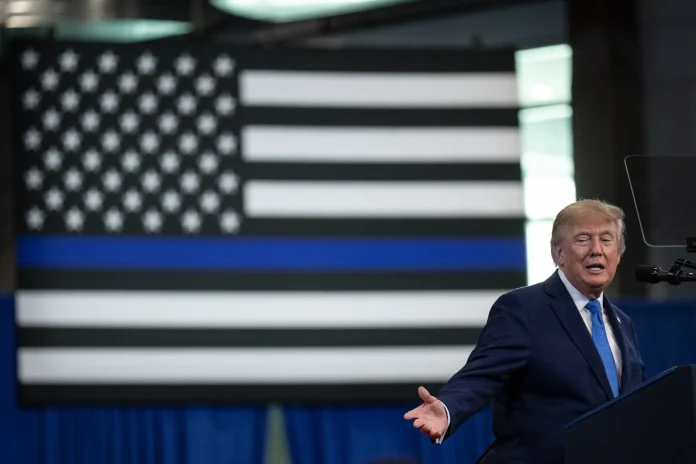
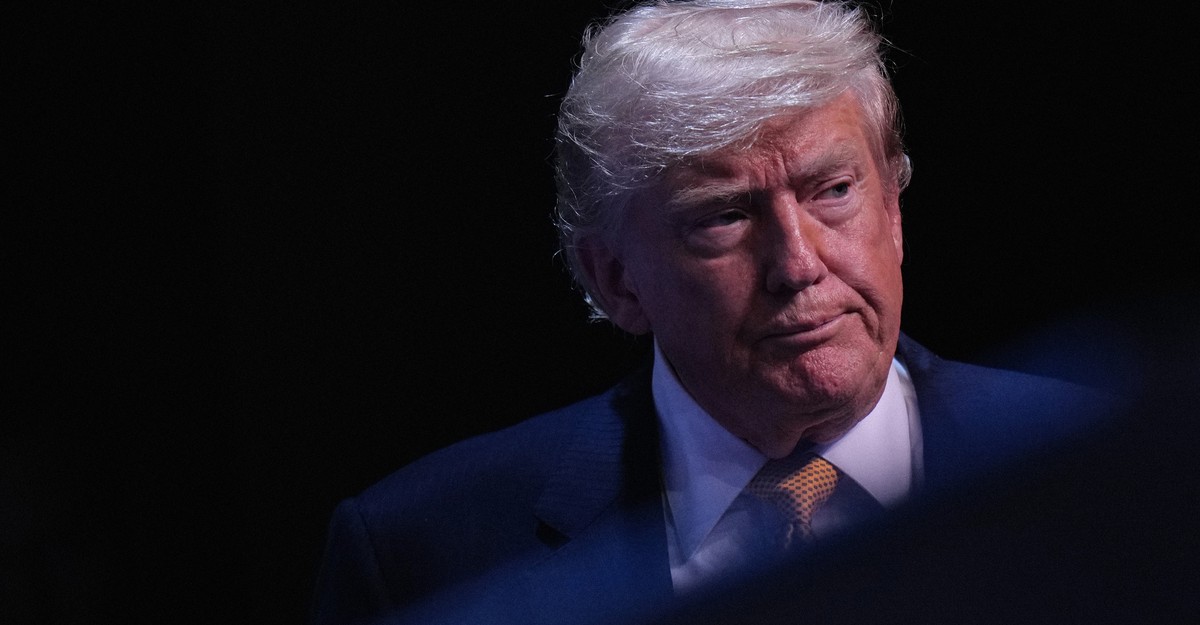
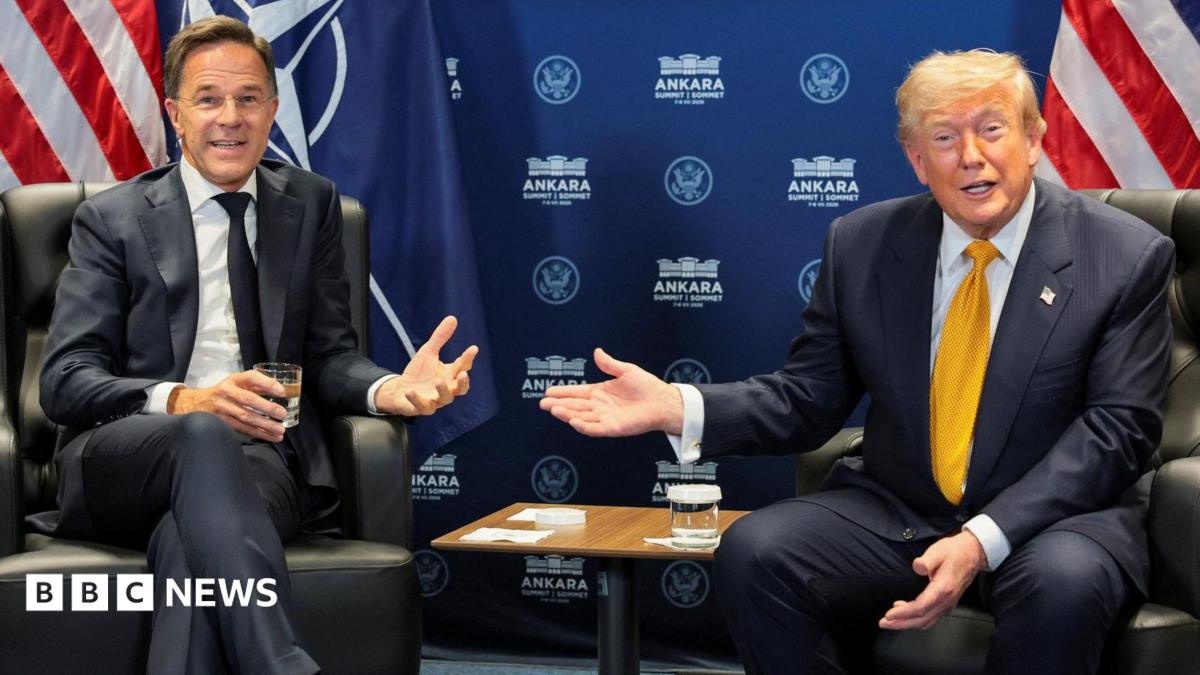
Trump’s messaging in the aftermath has been notably inconsistent. Speaking at a NATO summit in Turkey, he sharply criticized Iranian leadership, calling them “dishonourable” and questioning the value of further negotiations. He also floated the possibility of intensified economic and military pressure, including:
- A renewed naval blockade
- Expanded strikes on energy infrastructure
- Broader sanctions targeting Iran’s financial system
Yet within hours, his tone shifted. In a post on Truth Social, Trump confirmed that the US would continue negotiations, stating that Iran had requested further talks — a claim Tehran disputes.
Iran’s Foreign Ministry denied initiating the request but acknowledged accepting mediation efforts led by Qatar. This aligns with Doha’s longstanding role as a regional intermediary, particularly in US–Iran backchannel diplomacy.
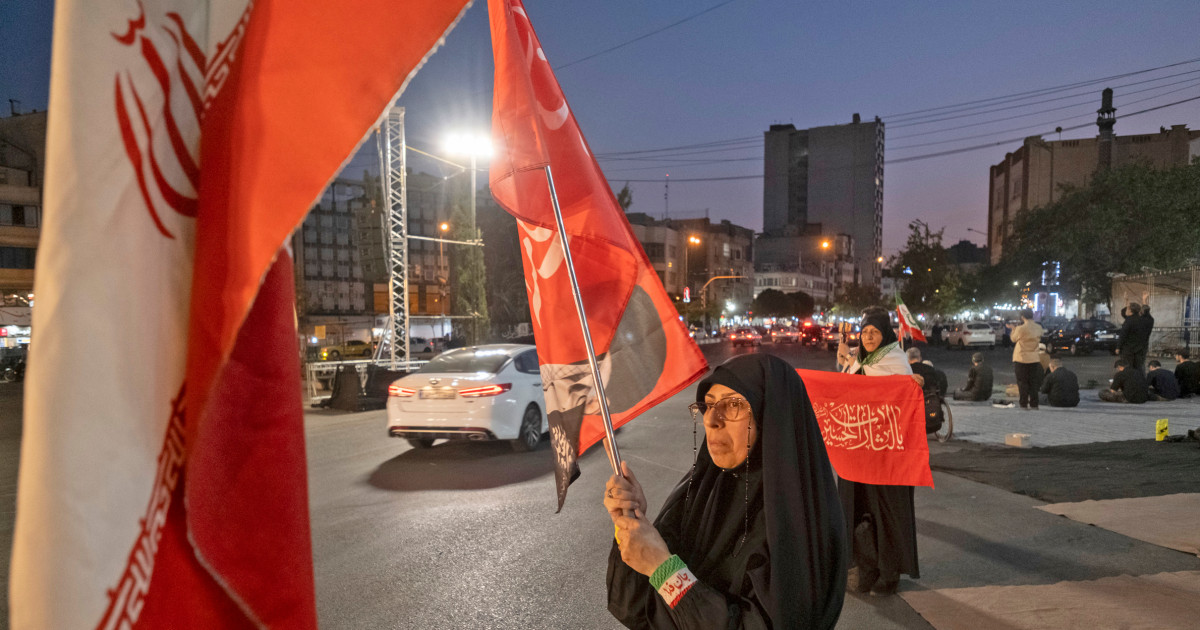
Iranian officials, including senior negotiator Mohammad Bagher Ghalibaf, emphasized that while Tehran is open to dialogue, it will not negotiate from a position of weakness. He warned that Iran remains prepared for “all-out defence,” signaling that further escalation remains a real possibility.
Global economic impact
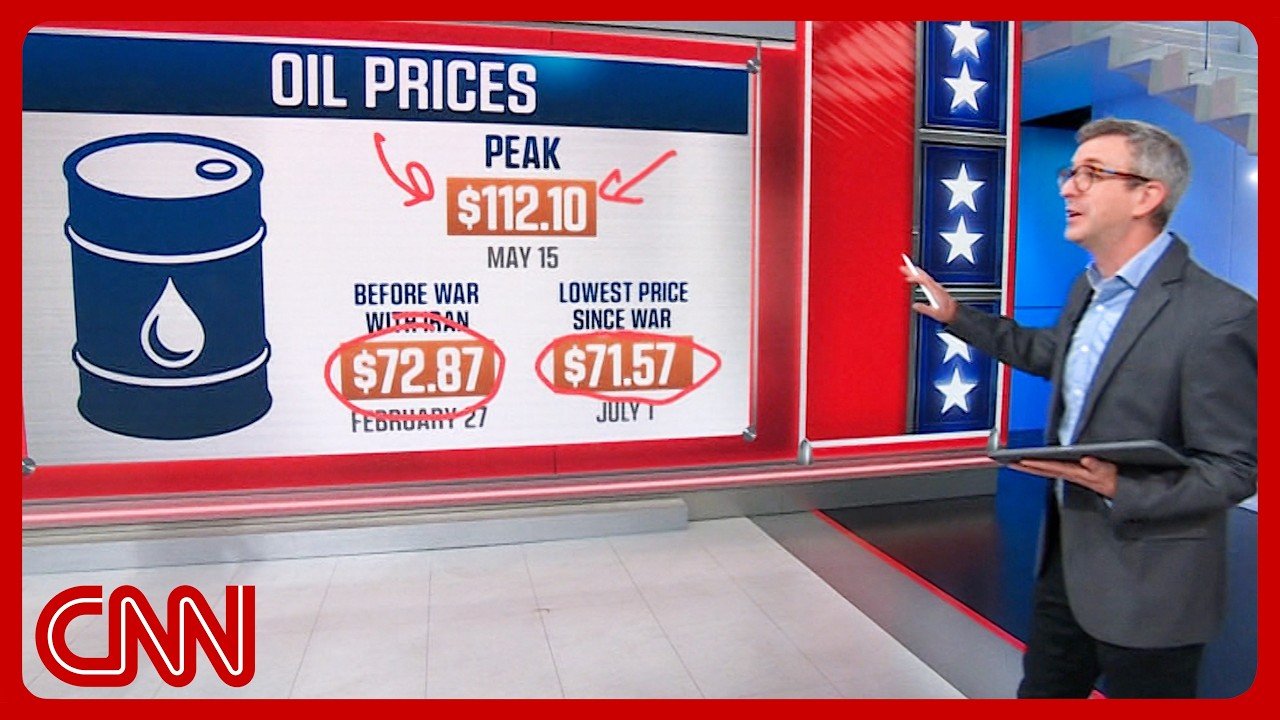
The immediate fallout has been felt most acutely in energy markets. Brent crude prices surged more than 7 percent following the renewed clashes, nearing $80 per barrel. Analysts warn that prolonged instability in the Gulf could push prices significantly higher, particularly if shipping routes are further disrupted.
Insurance premiums for tankers transiting the Strait of Hormuz have also risen sharply, and several shipping firms are reportedly rerouting vessels or pausing operations altogether — moves that could strain global supply chains.
At the same time, the US Treasury moved to tighten economic pressure by revoking a temporary sanctions waiver that had allowed limited Iranian oil exports. This effectively cuts Iran off from much of the global oil market again, escalating the economic dimension of the conflict.
Domestic political friction
Back in Washington, the renewed military action has triggered strong political backlash. Congressional Democrats have criticized the administration for bypassing legislative approval, with some labeling the conflict an “illegal war.”
The dispute is likely to intensify as the administration seeks approval for a $67billion emergency military funding package. Lawmakers are expected to scrutinize both the legal basis for the strikes and the broader strategy toward Iran.
This domestic divide adds another layer of uncertainty, as sustained military engagement may depend as much on political support at home as on developments in the Gulf.
A precarious path forward
Despite the collapse of the ceasefire, both sides appear to be leaving space for negotiation. This dual-track approach — military escalation alongside ongoing talks — is characteristic of past US–Iran standoffs, where neither side fully commits to war nor fully retreats to diplomacy.
The involvement of regional mediators such as Qatar suggests that backchannel negotiations could continue even as public rhetoric remains hostile.
The central question now is whether diplomacy can regain momentum before further incidents — particularly in the Strait of Hormuz — trigger a broader and potentially uncontrollable conflict.