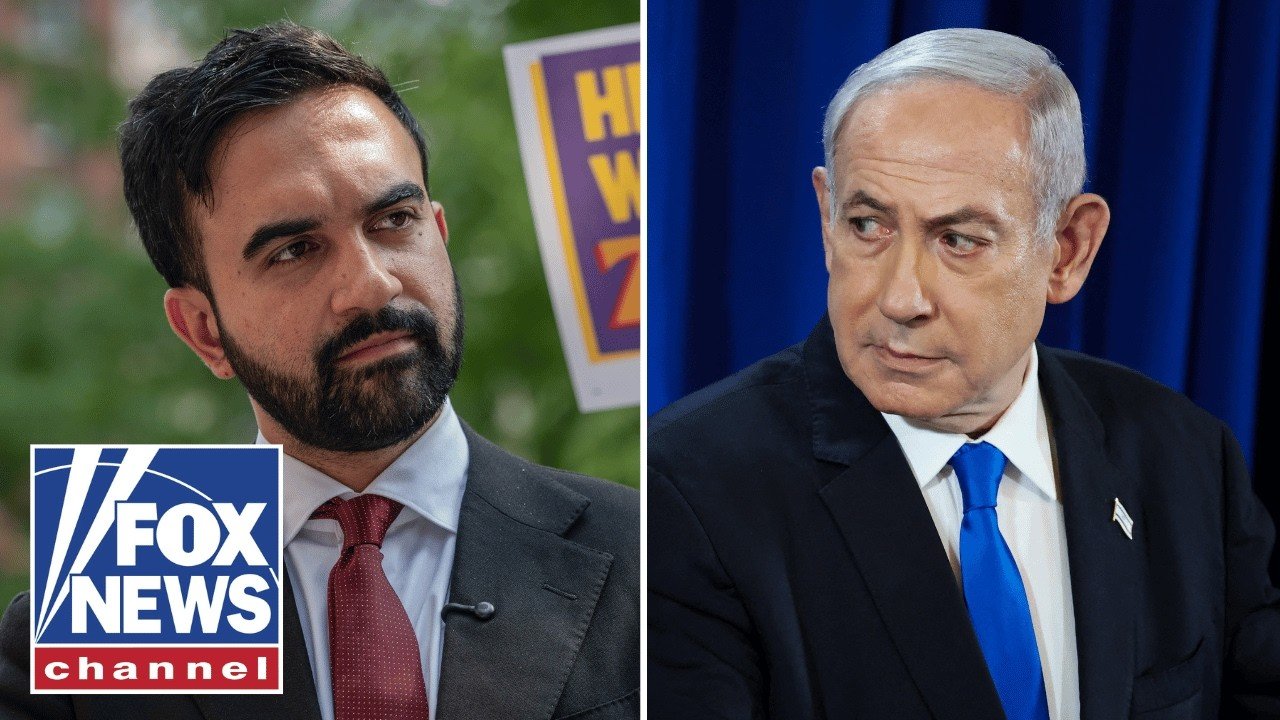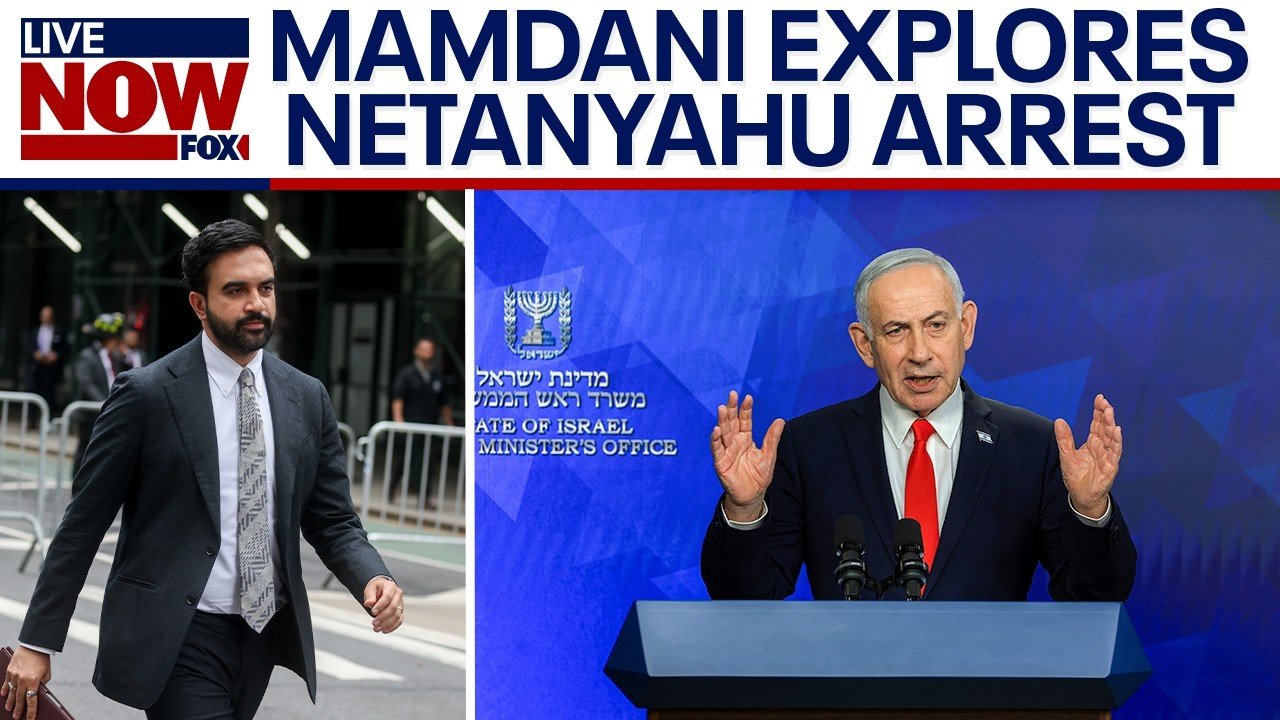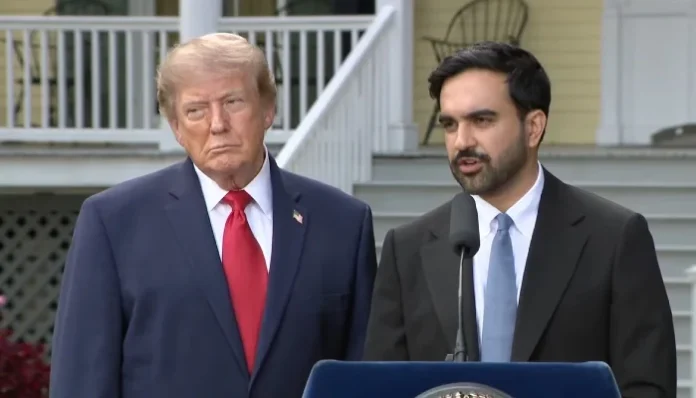
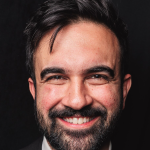


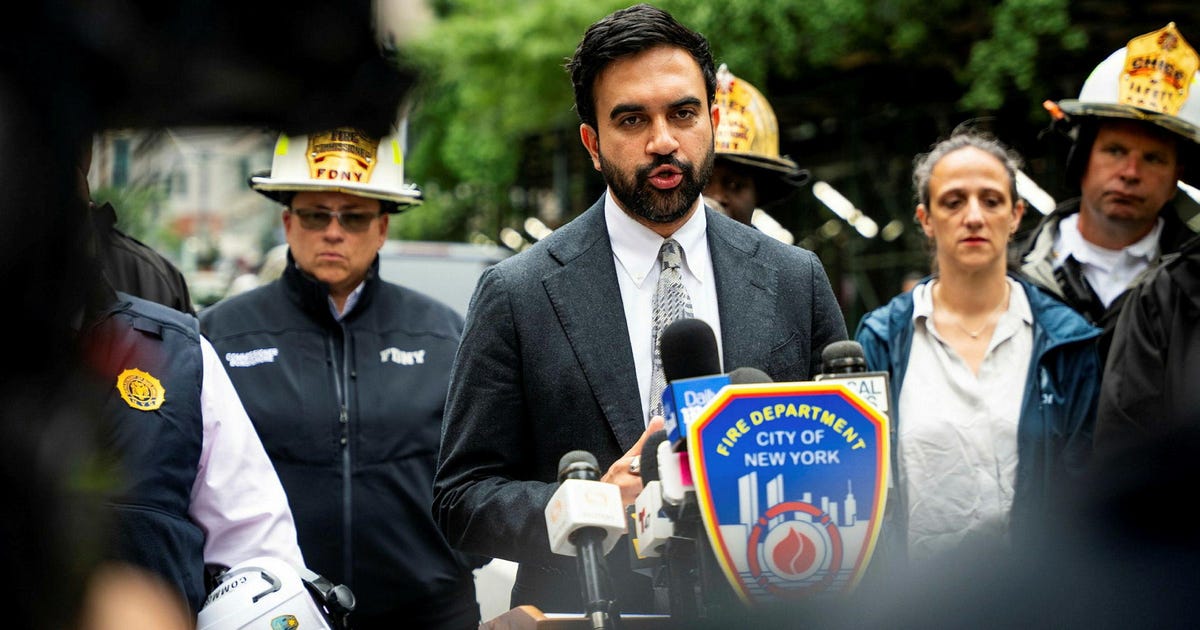


New York City Mayor Zohran Mamdani has renewed scrutiny over his long-standing pledge to arrest Israeli Prime Minister Benjamin Netanyahu, saying his administration is now reviewing whether such a move would be legally possible if Netanyahu visits the city for the United Nations General Assembly.
In a July 2026 interview, Mamdani said he is consulting New York City’s Law Department to determine whether municipal authorities could act on an International Criminal Court (ICC) warrant.
He stressed that any action would need to fall within the limits of city jurisdiction. However, legal experts widely agree that a mayor does not have authority over foreign policy or international law enforcement, which are federal responsibilities.
Further complicating the issue, foreign heads of government attending the UN General Assembly are typically granted diplomatic immunity under international agreements binding the United States. This makes any attempt by a city authority to detain a visiting leader highly unlikely to withstand legal challenge.
A campaign promise turned policy signal
Mamdani’s position dates back to 13 September 2025, when he first pledged during his mayoral campaign to arrest Netanyahu if he entered New York City.
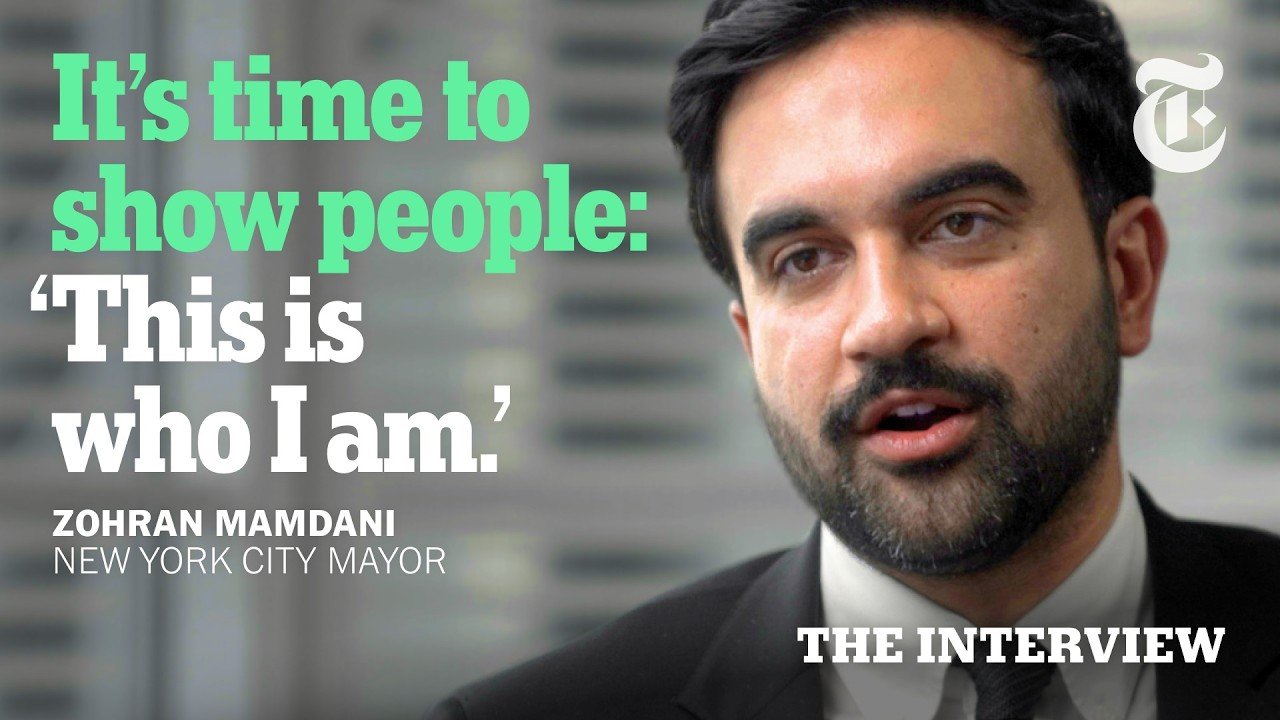
Throughout the campaign, he told The New York Times he would direct the NYPD to enforce ICC warrants, extending that stance not only to Netanyahu but also to Russian President Vladimir Putin. The pledge became a defining feature of his political identity, framing international justice and Palestinian rights as central campaign themes.
Since taking office on 2 January 2026, Mamdani has maintained that posture. Israel accused him of antisemitism on his first day as mayor, while he has continued to distance himself from pro-Israel civic events, including skipping the city’s annual Israel Day Parade in June.
ICC warrant and Gaza context
The legal basis for Mamdani’s argument stems from ICC arrest warrants issued in 2024 related to alleged war crimes during Israel’s military operations in Gaza.
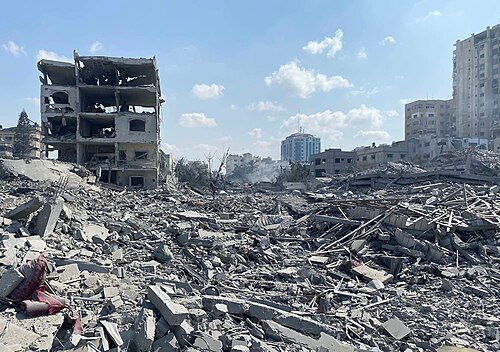
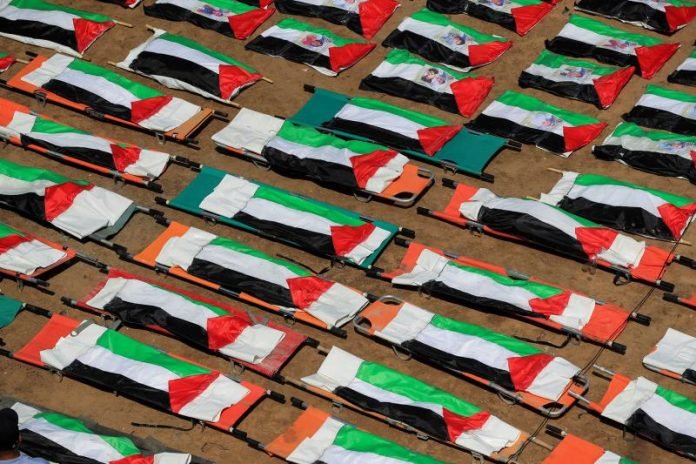
The warrants are tied to the broader context of the Gaza conflict, which escalated significantly following the October 2023 Hamas attacks on Israel and the subsequent Israeli military campaign. The war has resulted in large-scale destruction in Gaza, significant civilian casualties, and a deepening humanitarian crisis, drawing sustained international scrutiny.
The ICC, which investigates genocide, war crimes, and crimes against humanity, has sought accountability for actions by multiple actors in the conflict. However, Israel is not a member of the court and rejects its jurisdiction, arguing that the ICC lacks legal authority over its actions.
The United States is also not a party to the ICC and has historically opposed efforts to apply its jurisdiction to US allies, further limiting the practical enforceability of such warrants on US soil.
Israeli response and political fallout
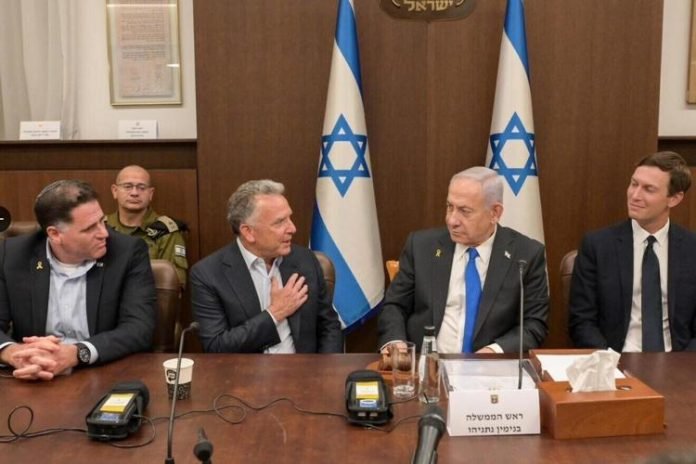
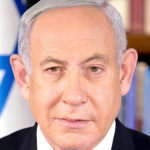
Israel’s leadership has strongly condemned Mamdani’s statements. Prime Minister Netanyahu’s office and Israel’s UN Ambassador Danny Danon dismissed the ICC as illegitimate, referring to it as a politically motivated body without jurisdiction.
They also accused Mamdani of using the issue for political gain, arguing that his focus on international legal action distracts from domestic governance challenges in New York City.
Federal response: “Pure political theater”
The Trump administration has issued a categorical rejection of Mamdani’s proposal.
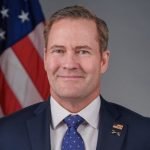
On 18 July 2026, US Ambassador to the United Nations Mike Waltz responded directly to Mamdani’s remarks, calling the idea of an arrest “pure political theater.” In a post on X, Waltz outlined four legal and diplomatic barriers:
- The US is not a party to the Rome Statute that established the ICC
- The UN Headquarters Agreement grants diplomatic protections to visiting heads of government
- Longstanding head-of-state immunity applies
- Federal authority overrides any local mayor’s wishes
Waltz’s statement is widely seen as closing the door on any possibility that the city could act on the ICC warrant during Netanyahu’s expected September visit.
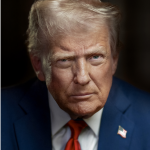
President Donald Trump has weighed in on the issue multiple times. In July 2025, during a White House appearance with Netanyahu, he dismissed Mamdani’s pledge as “silly” and said he would intervene if an arrest were attempted.
In September 2025, he called the idea “inappropriate” and vowed to stop it. After meeting with then–mayor-elect Mamdani in November 2025, Trump said they “didn’t discuss” the pledge and suggested Mamdani might “change” once in office.
Netanyahu has also brushed off the threat, telling reporters he was “not concerned” and characterizing the pledge as unserious.
Local politics meets global diplomacy
The episode highlights an unusual intersection between municipal governance and international diplomacy. As host city to the United Nations, New York occupies a unique position where local political rhetoric can collide with global legal frameworks.
While Mamdani’s review signals an effort to operationalize international accountability at the city level, the structural limits of municipal authority—and the protections afforded to foreign leaders—make any actual arrest scenario highly improbable.
With the UN General Assembly approaching in September, the situation is likely to remain politically charged, even if the legal outcome is largely predetermined.