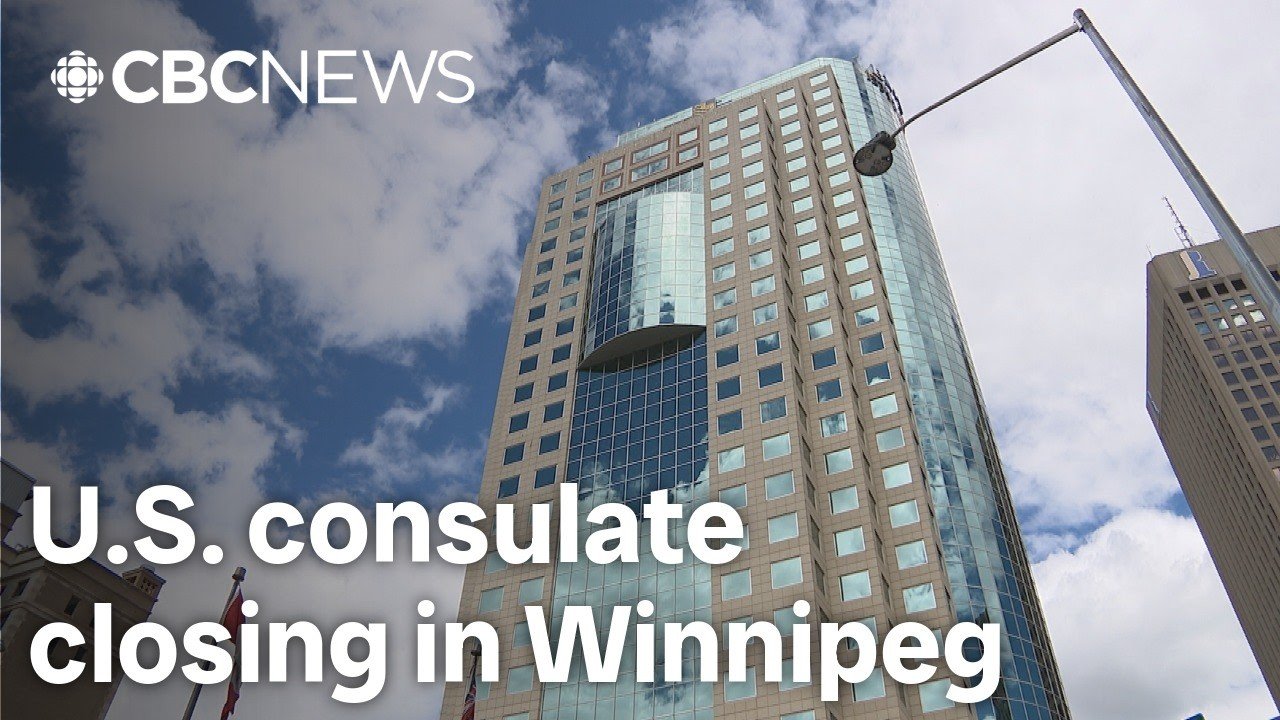

Washington is closing consulates in Winnipeg, Nagoya and Medan, plus an embassy in Grenada and a branch office in Cameroon, in a move officials call a cost-cutting “right-sizing” effort—not a response to a crisis.
The State Department has formally notified Congress of plans to close five overseas diplomatic missions, targeting smaller regional outposts rather than main embassies in capital cities.
- Winnipeg, Canada — American Presence Post (consulate)
- Nagoya, Japan — Consulate
- Medan, Indonesia — Consulate
- St. George’s, Grenada — Embassy
- Douala, Cameroon — Embassy branch office
US embassies in Ottawa, Tokyo, Jakarta, Bridgetown (which covers Grenada), and Yaoundé (Cameroon) remain open and will absorb consular and diplomatic functions, the notices indicate.
The administration’s rationale leans heavily on lean staffing and modest savings. The closures are projected to save about $4.4million per year, per reporting on the congressional notifications.
A State Department spokesperson did not confirm the specific closures publicly but said the department is “focused on ensuring (its) diplomatic footprint is efficient, effective, and delivers results for the American people,” and that it is following required congressional notification procedures.
Why now: policy drivers and context
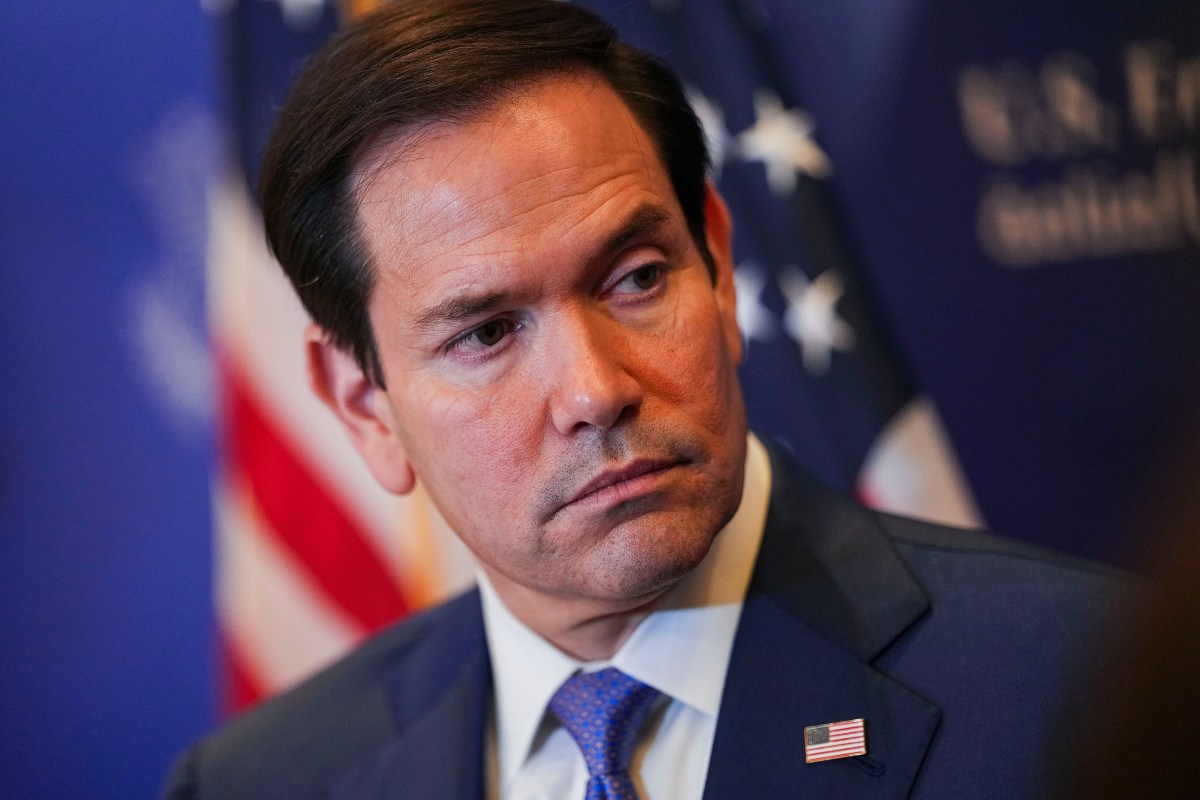
Secretary of State Marco Rubio has led an internal push to restructure and “right-size” the State Department, a priority aligned with the Trump administration’s broader “America First” agenda and supported by the Department of Government Efficiency (DOGE).
The move is unusual because it is not linked to a specific geopolitical event (such as a security threat or rupture in relations), and it follows a 2025-era bureaucratic reorganization that eliminated dozens of offices but left overseas posts untouched.
At the same time, the administration is advancing other diplomatic footprint changes—reopening posts in Libya and Syria and reopening the embassy.
Reactions in the United States
Supporters, including fiscal conservatives and DOGE-aligned officials, frame the closures as a necessary pruning of a bloated federal apparatus and a win for taxpayer efficiency.
Critics — among them Democrats, former foreign policy officials, and national security analysts —warn that even small posts matter for intelligence gathering, trade facilitation, and crisis response, and that the withdrawals create openings for rivals to expand influence.
How affected countries are responding
Canada (Winnipeg)
Local concern centers on reduced in-person consular services and weaker ties to regional business networks. A State Department statement emphasized that US policy priorities in Canada remain steadfast and that responsibilities will shift to the Ottawa embassy.
Indonesia (Medan)
Indonesia’s Foreign Ministry has said it respects Washington’s internal management decisions and does not expect the move to alter bilateral relations; Jakarta notes it has not received formal notification yet.
The timing is delicate: the Medan consulate has operated since 1949, and the news follows recent US tariff threats against Jakarta that have complicated trade talks.
Japan (Nagoya)
Japanese analysts stress the strategic timing: with China maintaining an active diplomatic presence in key regional hubs, a US exit from Nagoya risks ceding influence in a major industrial corridor.
Grenada and Cameroon
Coverage has focused less on public protests and more on operational continuity: Grenada’s embassy will close while the US maintains its embassy in Bridgetown, Barbados, which covers Grenada; in Cameroon, the Douala branch office will close while the Yaoundé embassy remains the main post.