







The US Treasury Department has intensified its economic pressure on Iran by sanctioning 17 tankers it says form the core of Tehran’s “shadow fleet,” while President Donald Trump publicly ruled out new US military strikes on Iran before the November 3 midterm elections.
The twin moves signal a short-term pivot toward financial strangulation over kinetic escalation, even as the Pentagon continues drafting contingency strike options for after the vote.
Sanctions target the “Remnants” of Iran’s shadow fleet
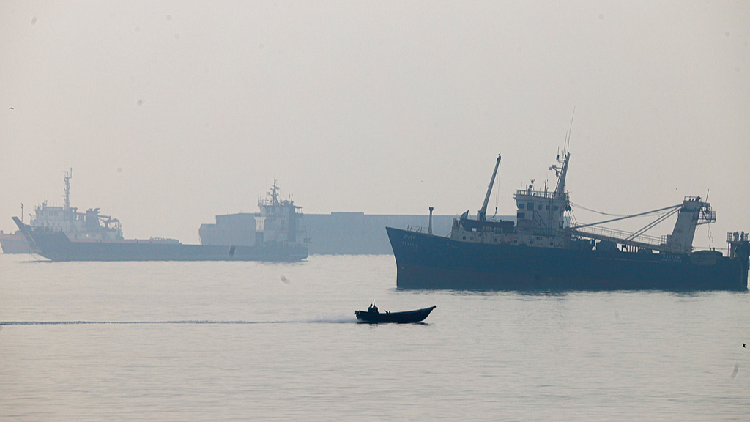
On October 8, 2026, the Treasury’s Office of Foreign Assets Control (OFAC) designated 17 vessels and associated companies for transporting Iranian crude oil, petroleum products, and petrochemicals in defiance of US sanctions.
The action falls under Executive Order 13902 and is part of the broader “Operation Economic Outcast” campaign announced by Treasury Secretary Scott Bessent on August 24, 2026—dubbed “Economic D‑Day”—which aims to cut off funding for Iran’s war effort, missile programs, cyber operations, and the Islamic Revolutionary Guard Corps (IRGC).
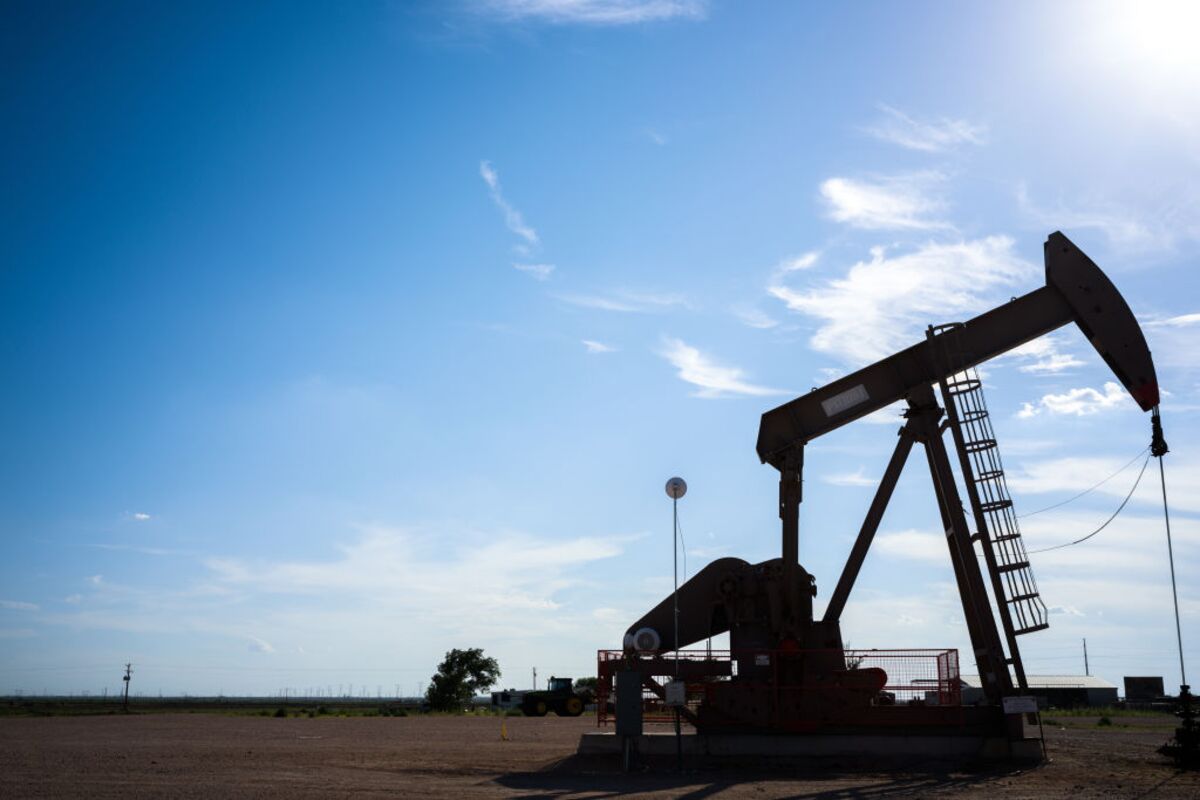
Treasury officials described the move as neutralizing “the vast majority” of Iran’s remaining illicit maritime infrastructure, calling it the most significant blow yet to the shadow fleet’s ability to move billions of dollars’ worth of oil and petroleum products to foreign markets. The 17 tankers are registered across more than a dozen jurisdictions and have shipped millions of barrels of Iranian energy products primarily to buyers in South and East Asia.
Key vessels and networks sanctioned
The broader October 8 sanctions package also named six individuals, 27 entities, and 22 vessels in total, including the 17 shadow-fleet tankers, with assets frozen under US jurisdiction and US persons generally prohibited from dealing with them. Designated companies span China, Hong Kong, the Marshall Islands, and the British Virgin Islands, reflecting the complex web of front firms used to obscure ownership and evade sanctions.
In a separate but related action, the State Department announced sanctions against an additional five vessels, 10 entities, and six individuals involved in trading Iranian petroleum and petrochemicals, further tightening the noose around Iran’s energy export channels.
Ultimatum to Foreign Banks: “No Warning” Before Secondary Sanctions
Days before the tanker designations, the Treasury issued a stark global warning to foreign financial institutions: those that continue to provide services to sanctioned Iranian banks and their subsidiaries risk being hit with unannounced secondary sanctions. Such measures can cut off a bank’s access to the US dollar system and correspondent accounts, effectively exiling it from much of the global financial network.
The message is clear: even if a foreign bank is not directly owned by a sanctioned Iranian entity, facilitating transactions for Iran’s sanctioned financial network can trigger severe penalties without prior notice. This financial pressure complements the maritime crackdown by targeting the payment rails that allow Iran to convert oil sales into usable revenue.
“Operation Economic Outcast”: Strategy and Scope
Launched on August 24, 2026, Operation Economic Outcast is designed to systematically dismantle Iran’s remaining external economic lifelines. The campaign has expanded in stages:
- Illicit shipping and energy: successive waves of sanctions on tankers, front companies, and trading networks to choke off oil and petrochemical revenue.
- Financial access: escalating warnings and designations aimed at foreign banks, payment processors, and “shadow banking” networks, including an October 1 action against the A7 Network, described as a Russia‑linked shadow banking system used by Iran to evade sanctions.
- Industrial sectors: on October 1, the Treasury widened the campaign to Iran’s automotive and rail industries, sanctioning major manufacturers such as Iran Khodro and SAIPA, signaling that non‑energy sectors are now in scope.home.
- Logistics and aviation: parallel efforts to map smuggling routes and restrict Iranian airlines’ overseas airport access, aiming to disrupt military supply chains and IRGC funding.
Treasury has emphasized close coordination with international partners, including the European Union and the United Kingdom, to align sanctions and reduce loopholes. The stated objective is to leave Tehran with “virtually no external trade capabilities” while preserving off‑ramps for diplomacy.
Trump’s midterm pause: No new strikes before November 3
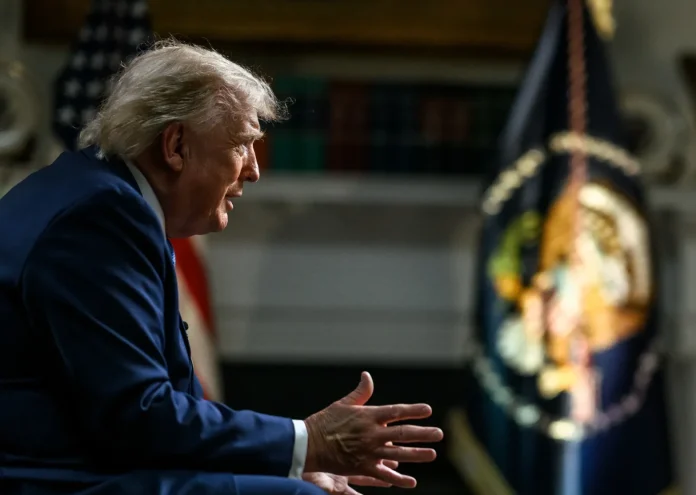
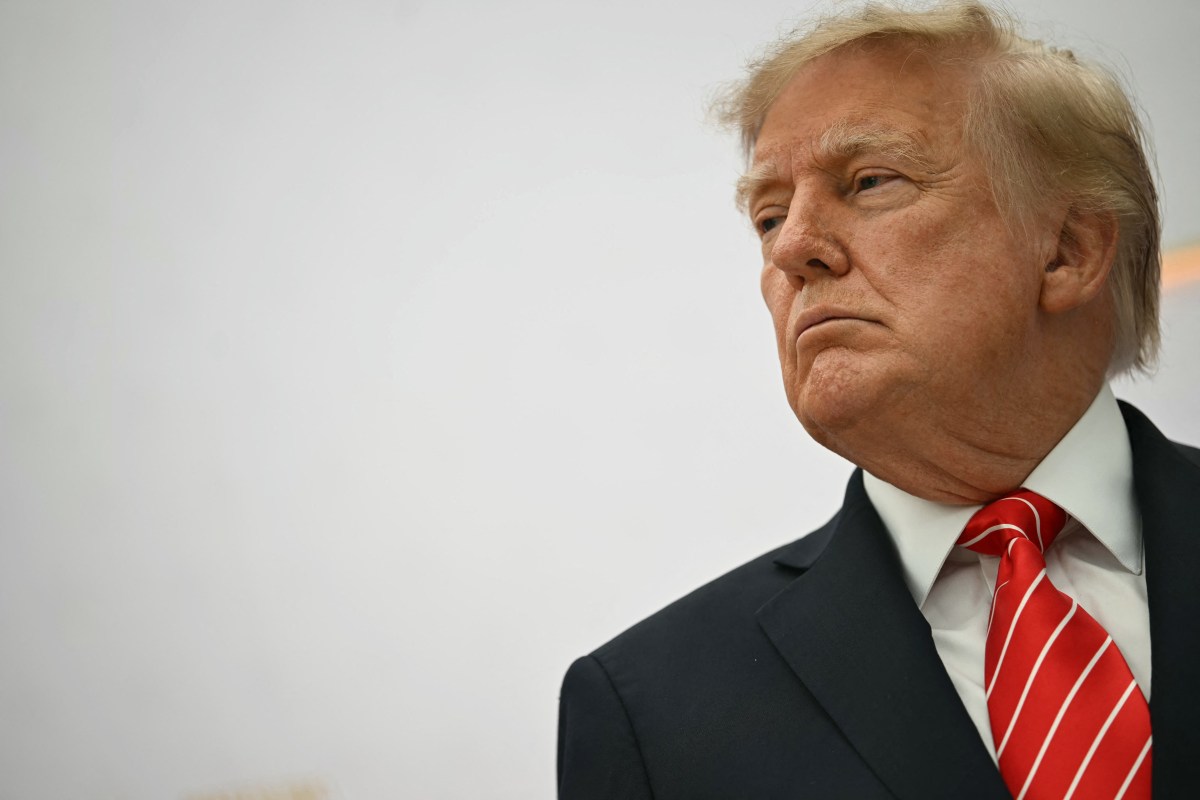
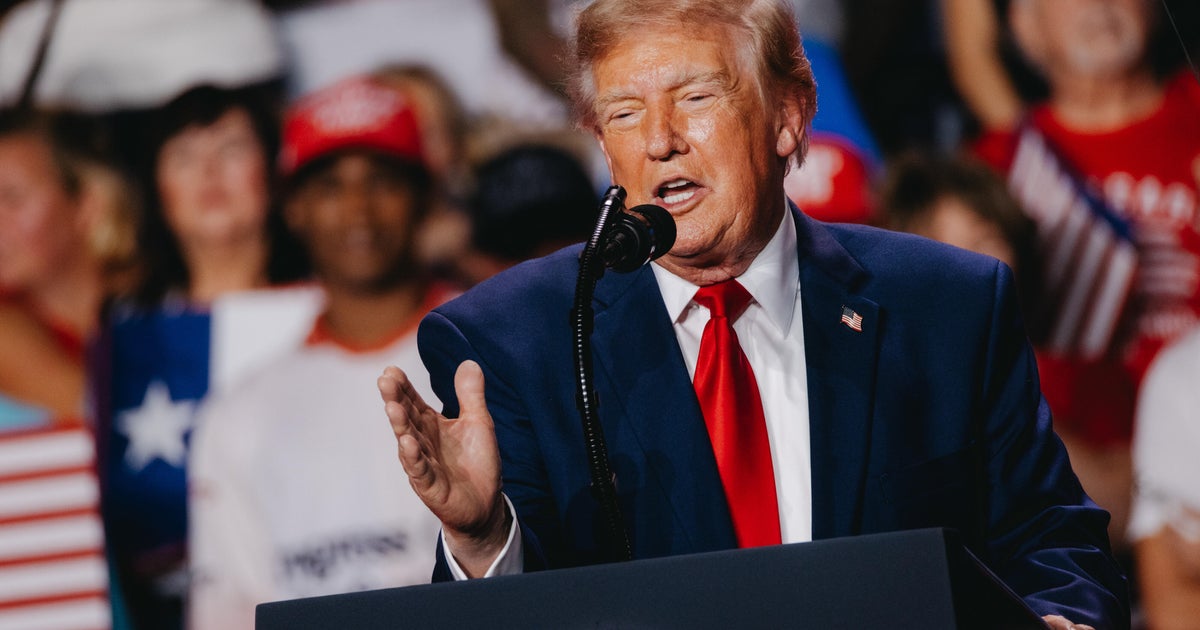
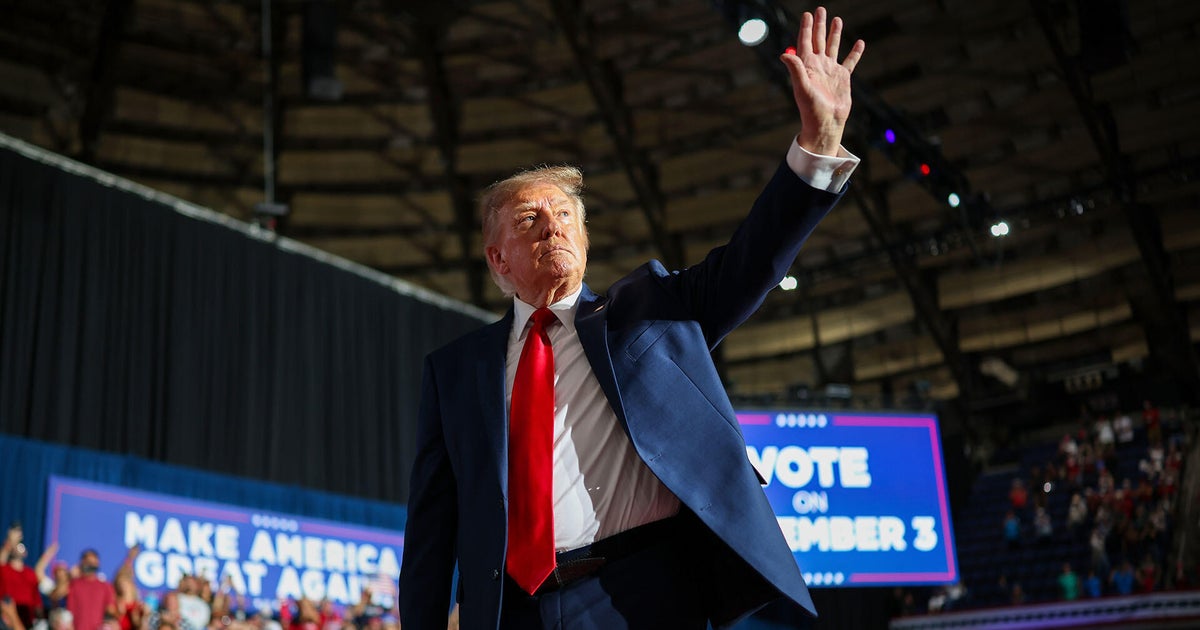
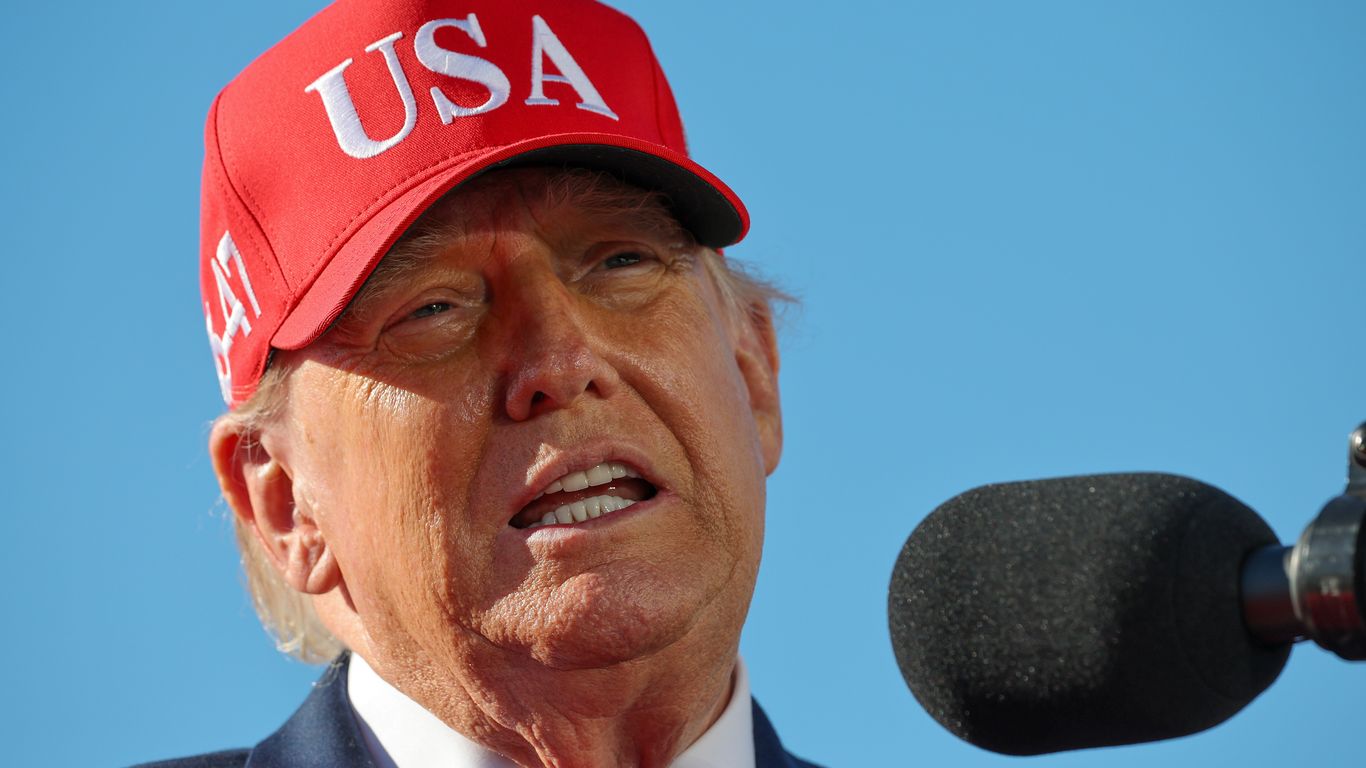
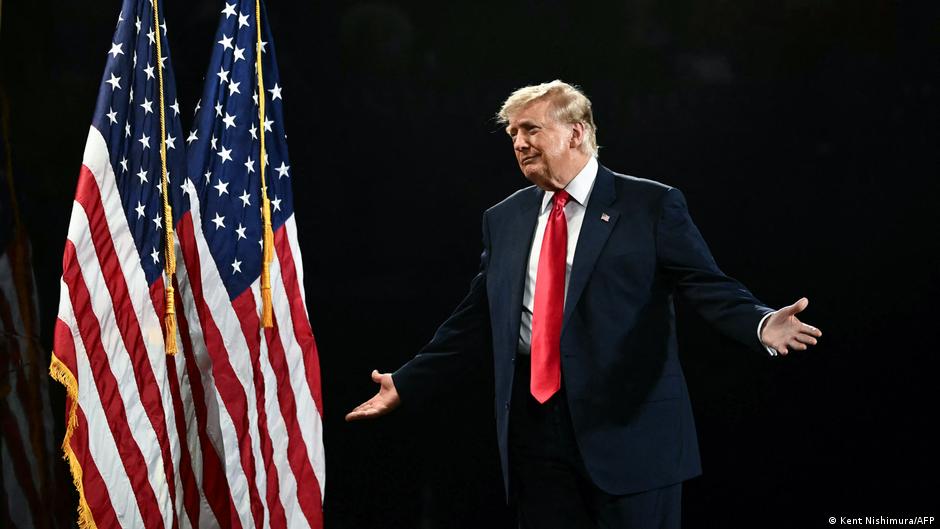
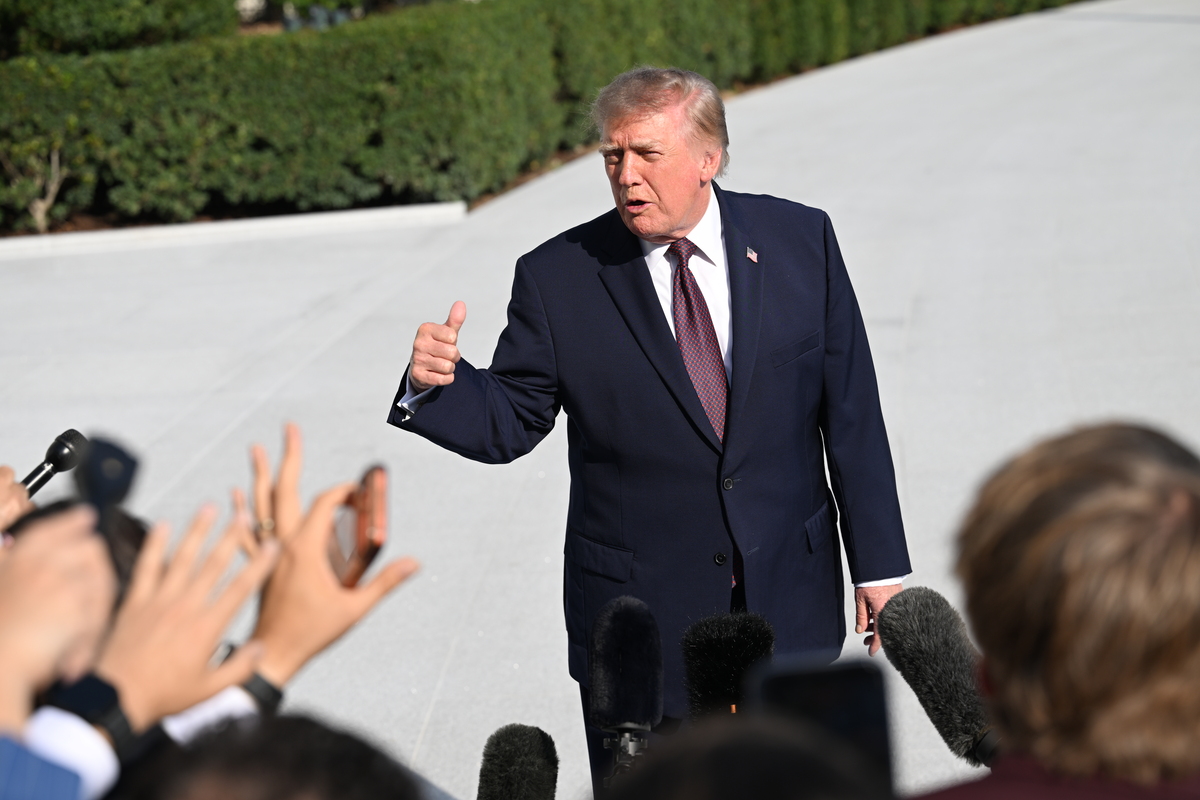
Amid this economic escalation, President Trump moved to calm markets and voters by announcing he would not order new US military strikes on Iran before the November 3 midterm elections.
The timing is politically charged. The ongoing conflict has contributed to a global energy crisis and elevated inflation, creating headwinds for Republican candidates seeking to retain control of Congress. By ruling out pre‑election strikes, the White House aims to avoid a fresh oil‑price spike that could further sour voter sentiment.
Behind the pause: A three‑day strike plan in the wings
Despite the public pause, US military planners are continuing to prepare options. The Pentagon has instructed US Central Command to conclude preparations for possible major combat operations against Iran, though no final decision on timing has been made.
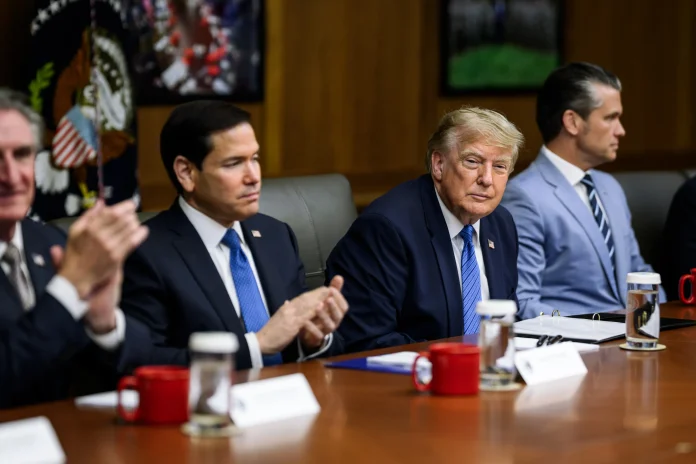
According to reporting by The New York Times and The Atlantic, senior diplomatic and security officials recently met at Camp David to review a draft plan centered on a short, intense three‑day campaign.
If activated post‑election, the proposed strikes would target:
- Iran’s drone and missile arsenals,
- Key energy infrastructure, and
- IRGC headquarters and command nodes.
Officials note that Trump has already vetoed five separate proposals for major operations against Iran or Houthi targets in recent months, preferring to leverage economic and diplomatic pressure for now. But the military posture remains “ready to act within days” should the president decide to pivot after the midterms.
Why this matters for markets and the region
For energy markets, the combination of a pre‑election strike pause and intensified sanctions creates a mixed signal: near‑term supply disruption risk is contained by the political moratorium, but the longer‑term threat to Iran’s export capacity is rising. For regional actors, the message is that the US is willing to keep squeezing Iran’s economy while holding a credible, if deferred, military option.
For now, “Operation Economic Outcast” is the main instrument: a coordinated push to turn Iran’s shadow fleet and financial networks into economic outcasts, while the White House buys time until after the midterms to decide whether a short, sharp military campaign becomes necessary.