2025 London Summit on Ukraine

Jump to Timeline

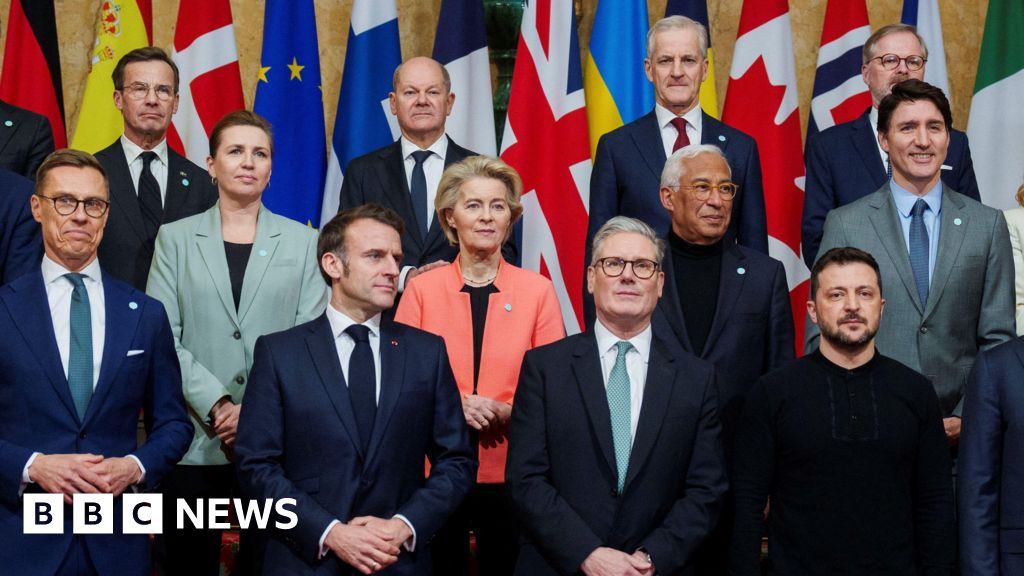
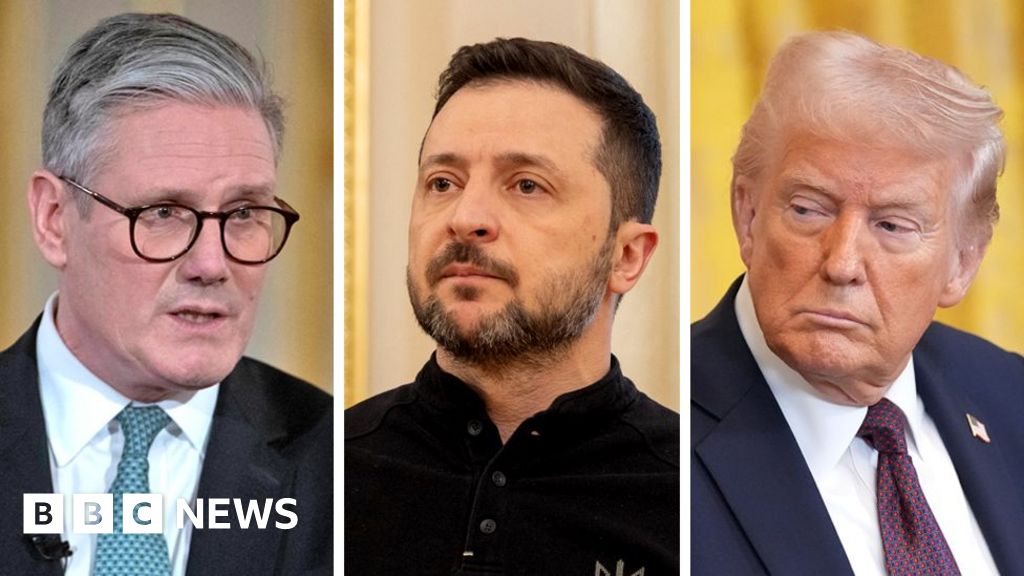
The 2025 London Summit on Ukraine, formally the Securing Our Future London Summit, was held on March 2, 2025, at Lancaster House and brought together European and allied leaders to strengthen support for Ukraine after the public rupture between Volodymyr Zelenskyy and Donald Trump in Washington. The meeting centered on building a peace framework for Ukraine and presented Europe as more prepared to take the lead if U.S. policy remained uncertain.

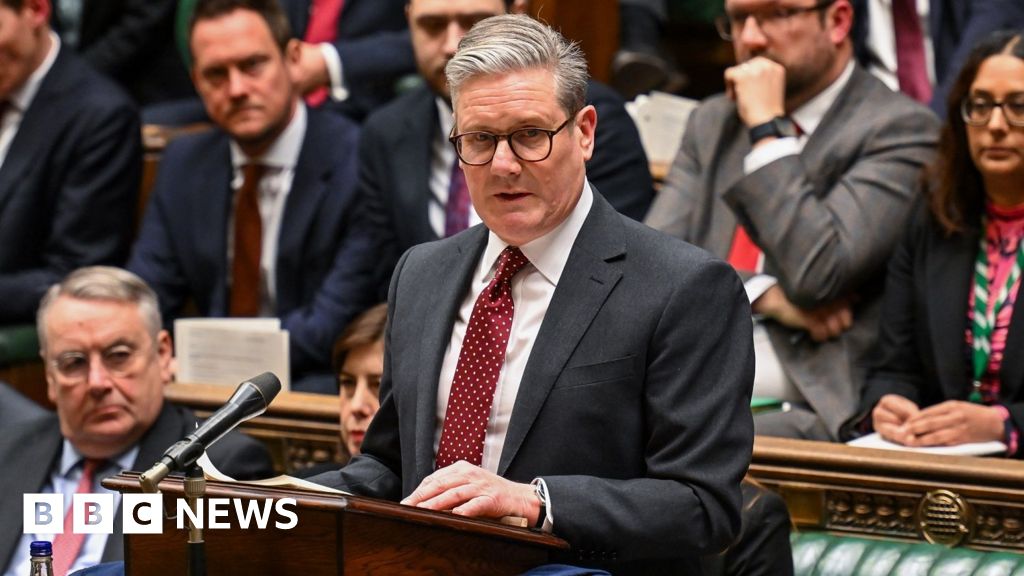
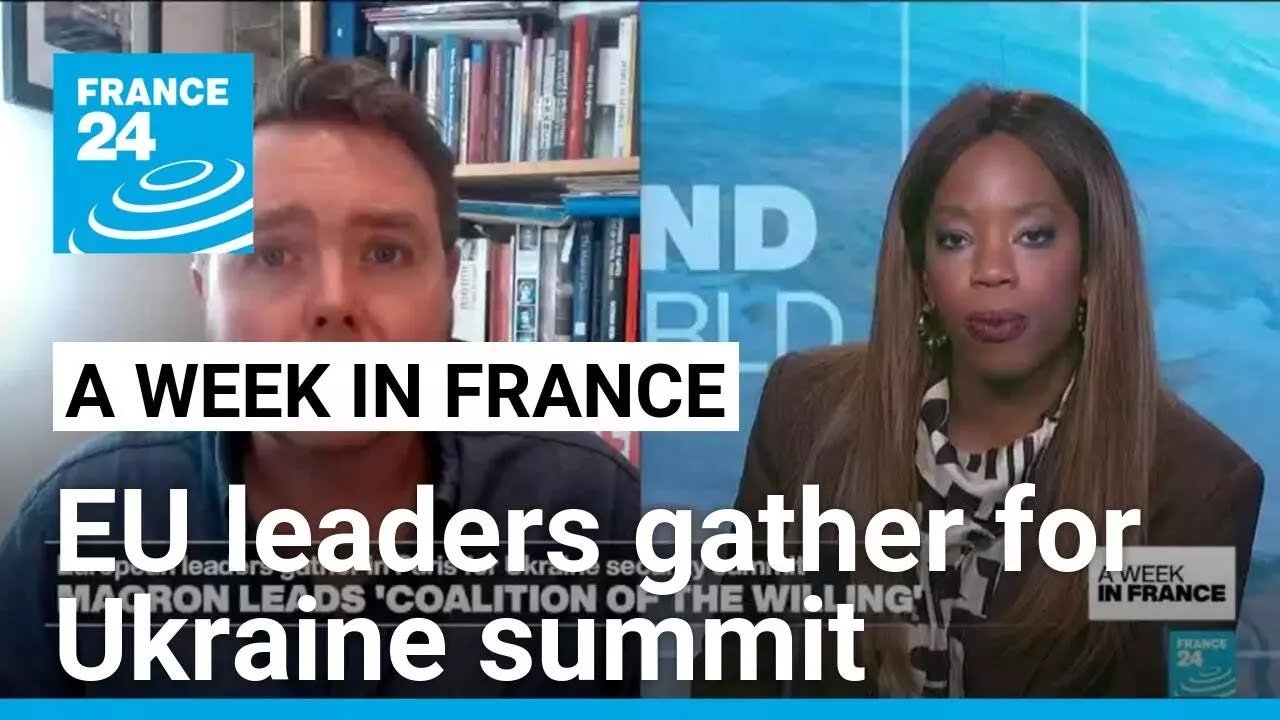
British Prime Minister Keir Starmer convened the summit to unify European backing for Ukraine and to draft a peace plan that could later be taken to the United States. The summit’s main outcome was the creation of a Coalition of the Willing, a group of countries prepared to offer long-term security guarantees for Ukraine.

Starmer framed the gathering as a historic turning point, arguing that Europe had to take greater responsibility for the conflict’s resolution. Russia dismissed the summit’s outcome, saying the funding and military pledges would only prolong the war.

Coalition plans

The UK and France led work on a peace plan aimed at securing a ceasefire and what leaders called a “just peace.” Several countries also signaled readiness to join a European-led peacekeeping force, later described as Multinational Force Ukraine, to help enforce any eventual settlement.

The UK announced a £1.6 billion missile deal for 5,000 lightweight multirole missiles. Separately, the EU unveiled its €800 billion ReArm Europe defense investment plan, intended to strengthen European military capacity and support Ukraine over the longer term.

Starmer’s framework

Starmer set out four priorities for the summit: sustain military aid and economic pressure on Russia, ensure Ukraine has a seat at any negotiating table, strengthen Ukraine’s long-term defenses to deter future aggression, and build a coalition capable of guaranteeing and defending any peace deal.

The message was that Europe could not wait for Washington to define the next phase of the war. The summit was designed to show unity, deterrence and a willingness to back diplomacy with hard military and financial commitments.

Who attended

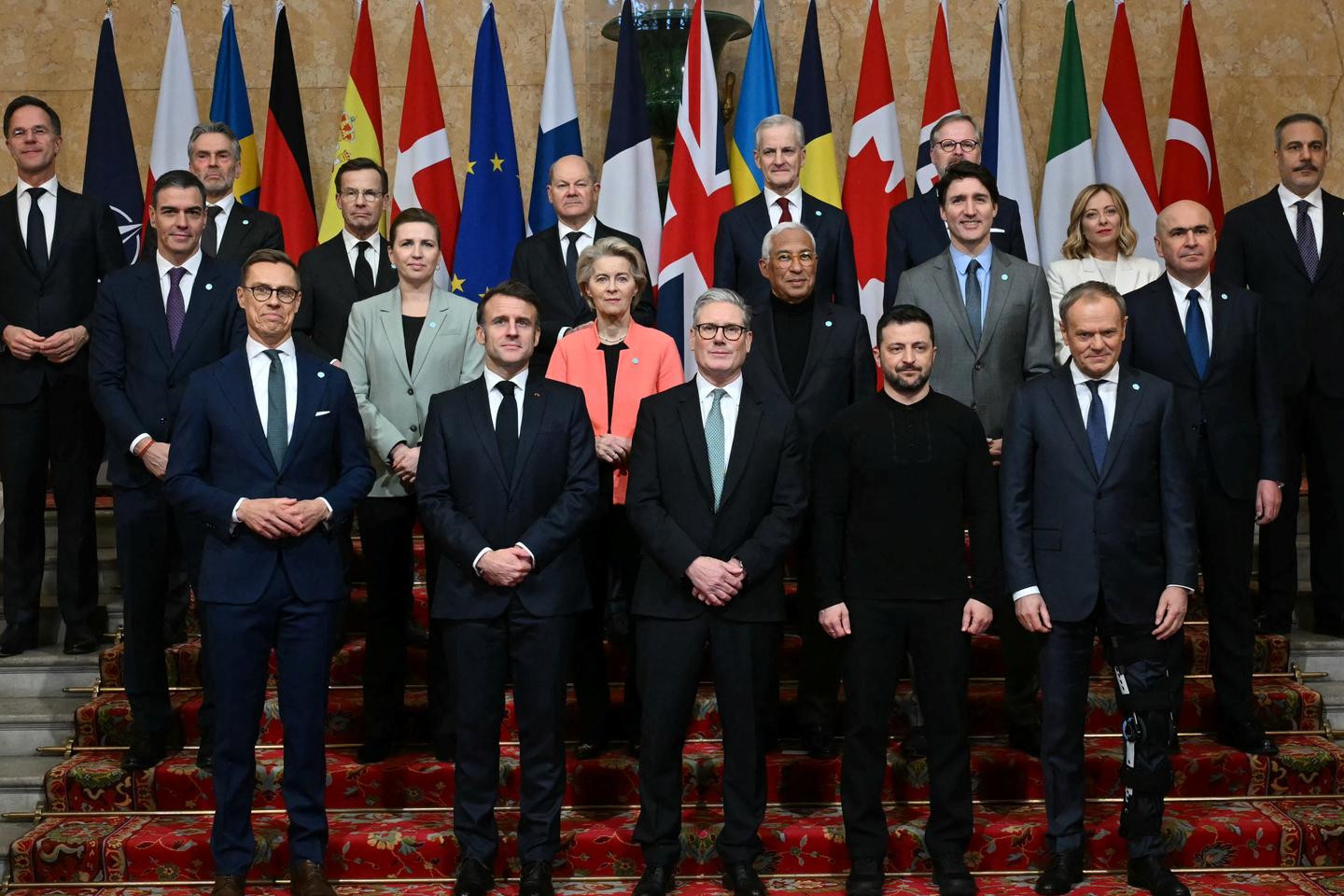
The meeting brought together Zelenskyy, Starmer, Emmanuel Macron, Justin Trudeau and leaders from Germany, Italy, Poland, Spain, the Netherlands and the Nordic states. Senior officials including Ursula von der Leyen, Mark Rutte and Antonio Costa also took part.

The broad attendance gave the summit political weight and reinforced the idea that Ukraine’s future security would depend on sustained coordination across Europe and its allies.
youtube placeholder image

Read also:
Trump-Zelenskyy clash at White House
Trump proposes Ukraine Peace Plan
Key widely reported from verified sources including CNN, Euronews, Reuters, France24, ABC News, The Guardian, DW.com, BBC

Trump and Putin agree to direct US–Russia talks after envoy shuttle diplomacy

Trump and Putin agree to direct US–Russia talks after envoys shuttle between Moscow and Kyiv; peace plan stalls on territory and security guarantees.
Read more

Trump meets Zelenskyy and Netanyahu before Lindsey Graham funeral

The overlap highlighted Graham’s standing as a longtime foreign-policy hawk, bringing together leaders tied to two of the world’s most consequential conflicts.
Read more

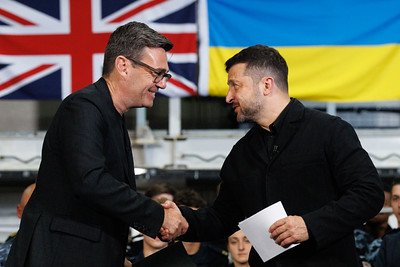
Zelenskyy meets Burnham in Portsmouth as UK doubles down on Ukraine support

PM Burnham used his first meeting with President Zelenskyy to reaffirm what Downing Street called “unwavering” support for Ukraine.
Read more

Zelenskyy reshuffles government to turn battlefield momentum into political leverage

Supporters argue the shake-up is a necessary wartime reset that brings “new energy".
Read more

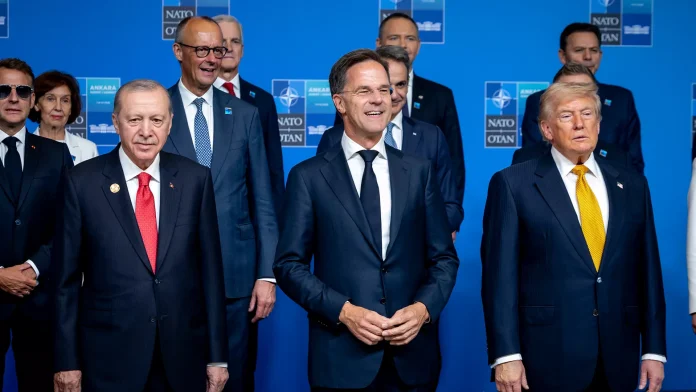
NATO’s Ankara Declaration signals shift to wartime readiness, massive spending, and AI-driven defense

At the center of the declaration is a clear shift toward what officials increasingly describe as a "wartime industrial base".
Read more

IOC eases Russian suspension, but key Olympic restrictions remain

The decision clears a potential route for Russian athletes to return to international competition and qualify for the Los Angeles 2028 Olympic Games.
Read more

Russia turns to fuel imports as wartime strikes trigger nationwide gasoline shortage

Russia is facing its most severe fuel disruption in years, with the Kremlin now confirming it is in active discussions to import gasoline.
Read more

A world “under destruction”: Munich’s case for a new European security architecture

The 2026 Munich Security Conference was defined by a shift from the post-WWII "rules-based order" to an era "under destruction."
Read more

Antwerp Summit proposes “two-speed” Europe, Eurobonds

European leaders have recast their latest Antwerp gathering as a make-or-break moment for the bloc’s industrial future.
Read more

European Parliament approves landmark €90b Ukraine loan

The funding aims to cover roughly two-thirds of Ukraine's estimated financial needs as the conflict enters its fifth year.
Read more
Timeline

28 Feb 2025: Ukrainian President Volodymyr Zelenskyy meets with U.S. President Donald Trump and Vice President JD Vance at the White House.

The meeting is widely described as “tempestuous” and “disastrous,” leading to a public clash over ceasefire terms and a halt in U.S. military aid.

1 Mar: UK Prime Minister Keir Starmer officially convenes an emergency summit in London to coordinate a unified European response and reassure Ukraine of continued support.

2 Mar: Summit Day

3 Mar: France suggests a partial one-month truce as a starting point for the new European-led peace plan.

4 Mar: The EU officially unveils the $840 billion (€800bn) “ReArm Europe” defense investment plan to bolster the continent’s military independence.

11 Mar: US and Ukrainian representatives agree on a proposal for a 30-day ceasefire, which is welcomed by the European Parliament the following day.

20 Mar: The “Coalition of the Willing” transitions into an “operational phase” to plan for potential peacekeeping and security guarantees.

19 May: The first EU-UK Summit since Brexit takes place in London, establishing a formal Security and Defence Partnership.

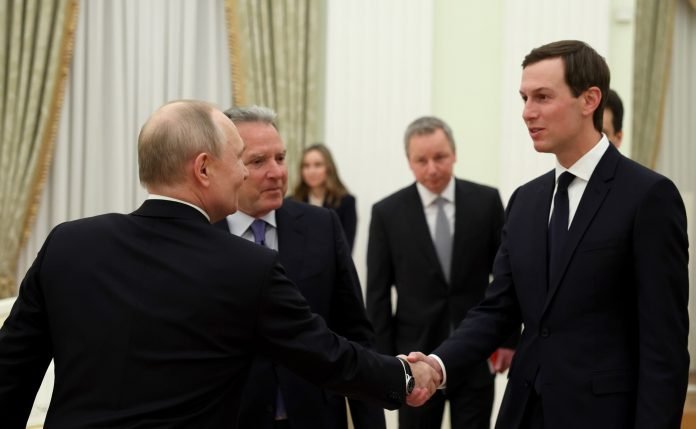
6 Aug: High-stakes talks occur in the Kremlin between Putin and U.S. Special Envoy Steve Witkoff regarding a ceasefire deadline.

24 Oct: Zelenskyy returns to London to meet European leaders again, urging broader sanctions on the Russian oil industry.

6 Jan 2026: The “Coalition of the Willing” and U.S. delegates meet to firm up legally binding security guarantees to be activated upon a ceasefire.

Opinion & Analysis


You may also be interested in

LEAVE A REPLY

Please enter your comment!
Please enter your name here